Two weeks sounds like a lot of time. On the Andaman coast it goes fast. Every island move costs you a morning of packing, a pier, a boat and a check-in. Our team lives on Koh Phi Phi, and we watch travellers arrive tired because they tried to see everything.
So this guide does not give you one perfect plan. It gives you honest routes, each built for a different kind of traveller, with the trade-offs said out loud. Pick the one that sounds like you, then stop adding islands.
The short answer: how we would spend two weeks on the islands
Choose fewer bases and stay longer in each. That is the single best piece of advice we can give.
- First trip, want the icons: Phuket, then Phi Phi, then Krabi.
- Beach lover, happy to go quiet: Krabi, then Phi Phi, then Koh Lanta, then the Trang islands.
- Family, seniors or honeymoon in slow mode: Koh Yao and Phi Phi, with day trips from each.
If you also need Bangkok in the mix, read our Bangkok plus islands itinerary first and build the island part from the routes below.
Before you pick: the rules that shape every route
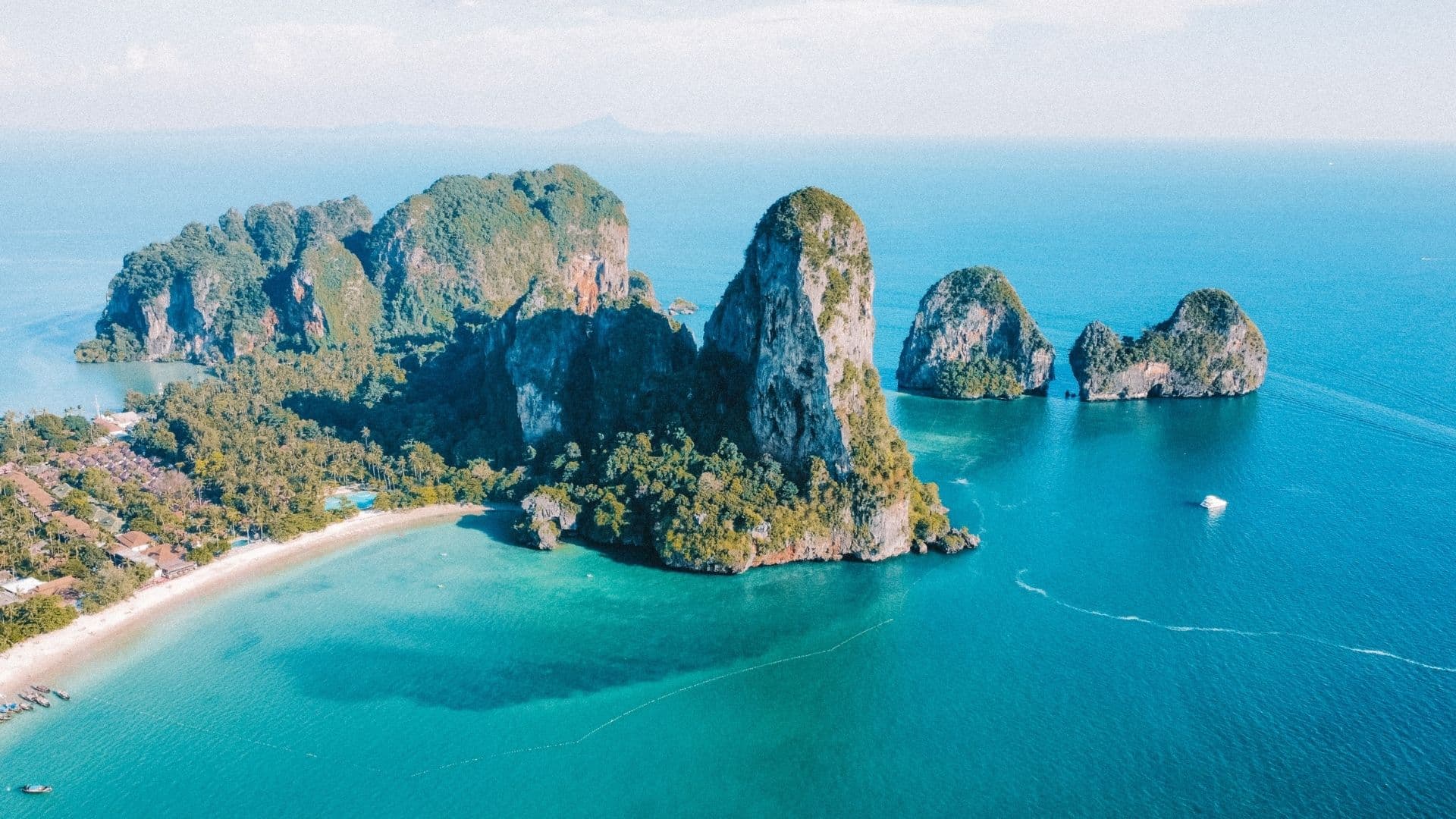
Koh Phi Phi has no airport and no cars. You arrive and leave by boat. Railay is the same: there is no road, only long-tail boats from Ao Nang or Krabi Town.
Boat times are short on paper. The ferry from Phuket to Phi Phi takes about 2 hours, from Krabi about 1.5 to 2 hours, and speedboats about 1 hour. Add the hotel pickup, the pier wait and the walk with your bags, and a move still eats half a day.
Pack light. Speedboats allow 10 kg per person. A big suitcase on a busy pier is a bad afternoon.
Last boats leave earlier than people expect. From Phi Phi back to Phuket, our sources show the last ferry at 15:30 and the last speedboat at 16:00, but schedules change with the season, so always check the transfer page before you plan a flight day.
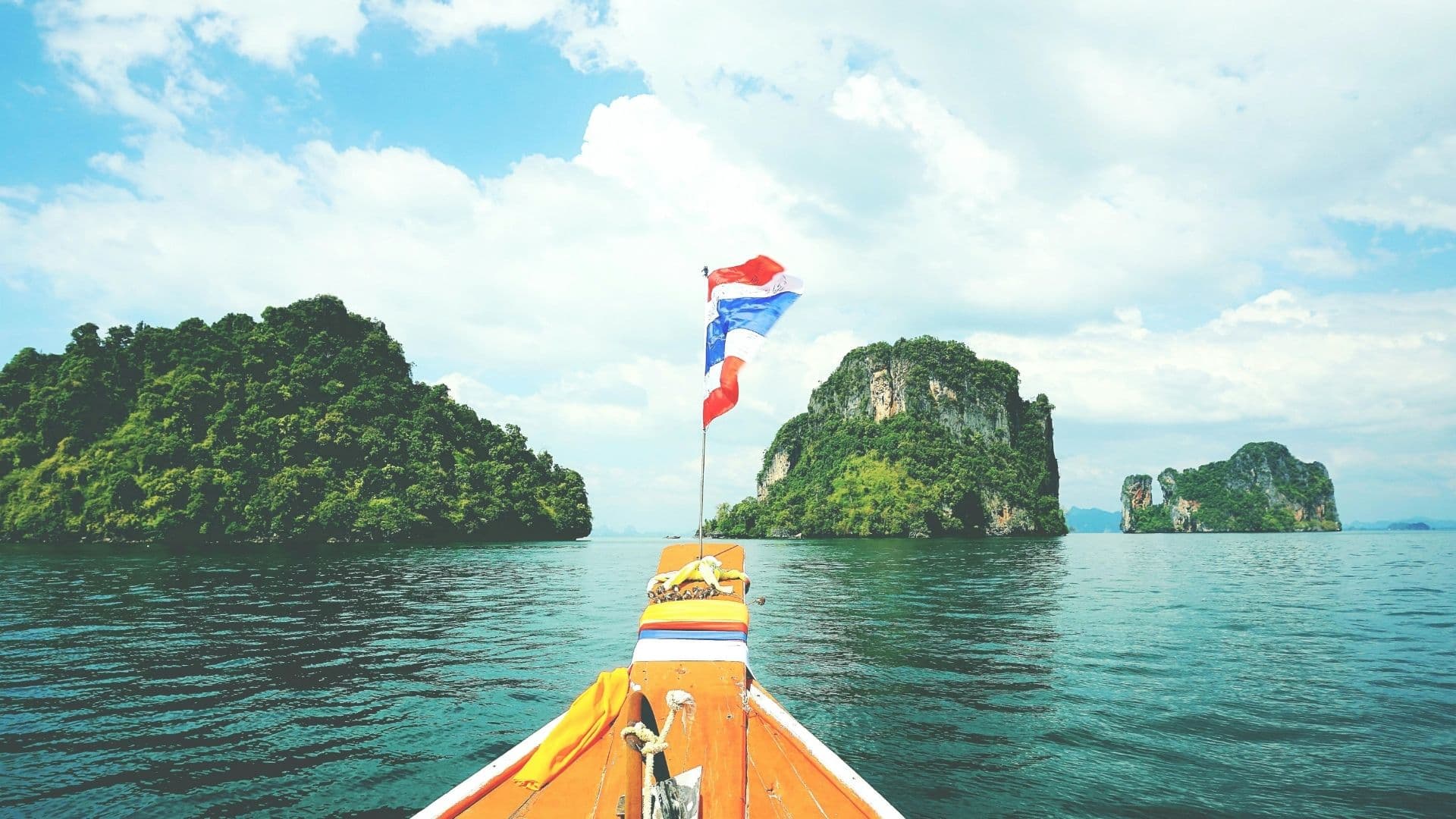
Route A: the classic first-timer loop (Phuket, Phi Phi, Krabi)
This is the route most first-timers should take. Fly into Phuket, finish in Krabi, which has its own airport, and you never backtrack.
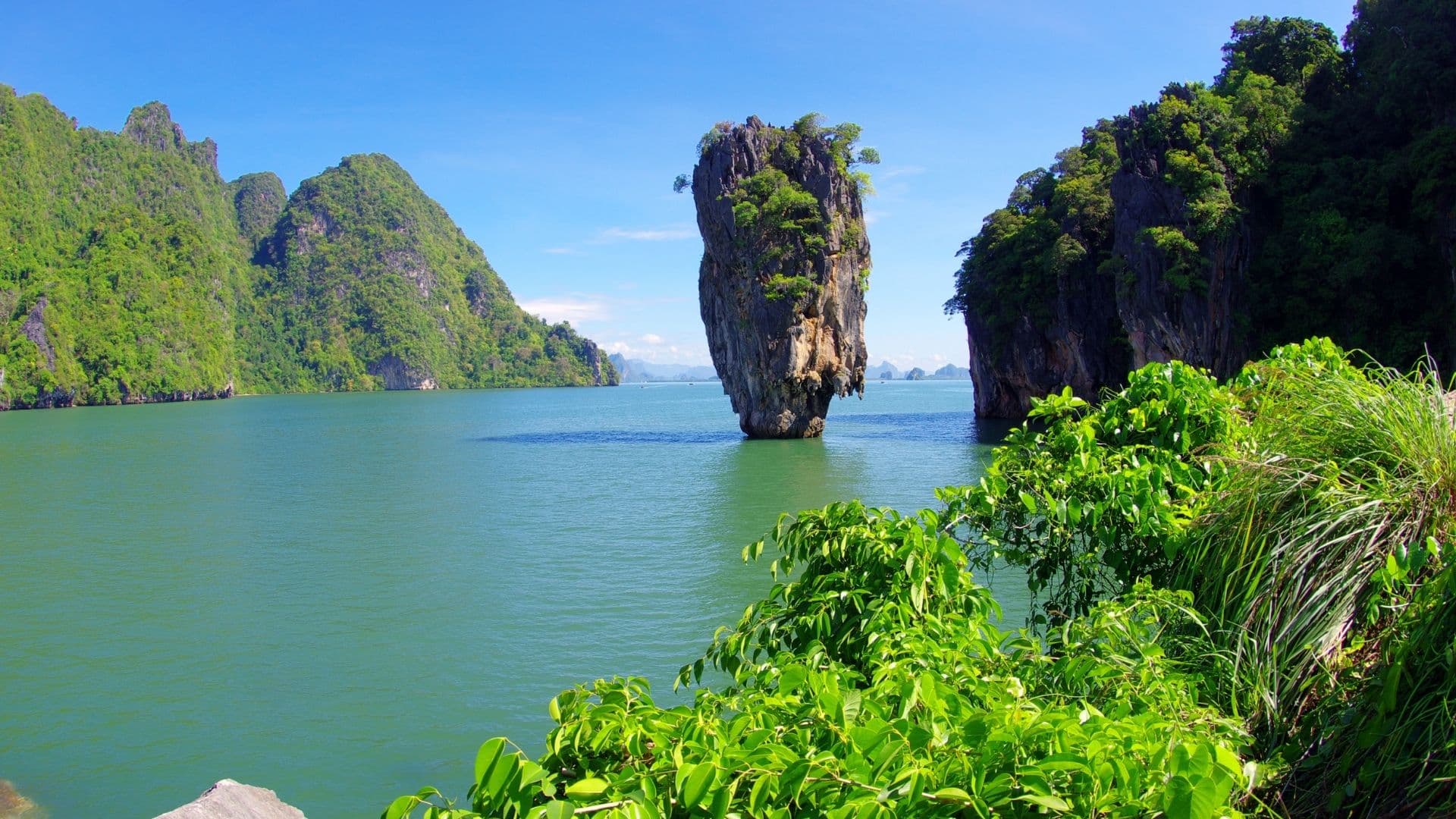
Phuket. Pick your area carefully: Patong if you want nightlife, Kata or Karon for calmer beaches, Old Phuket Town for the Sino-Portuguese shophouses. From here, Phang Nga Bay and James Bond Island make an easy day out, or Coral Island and Racha if you want simple snorkelling.
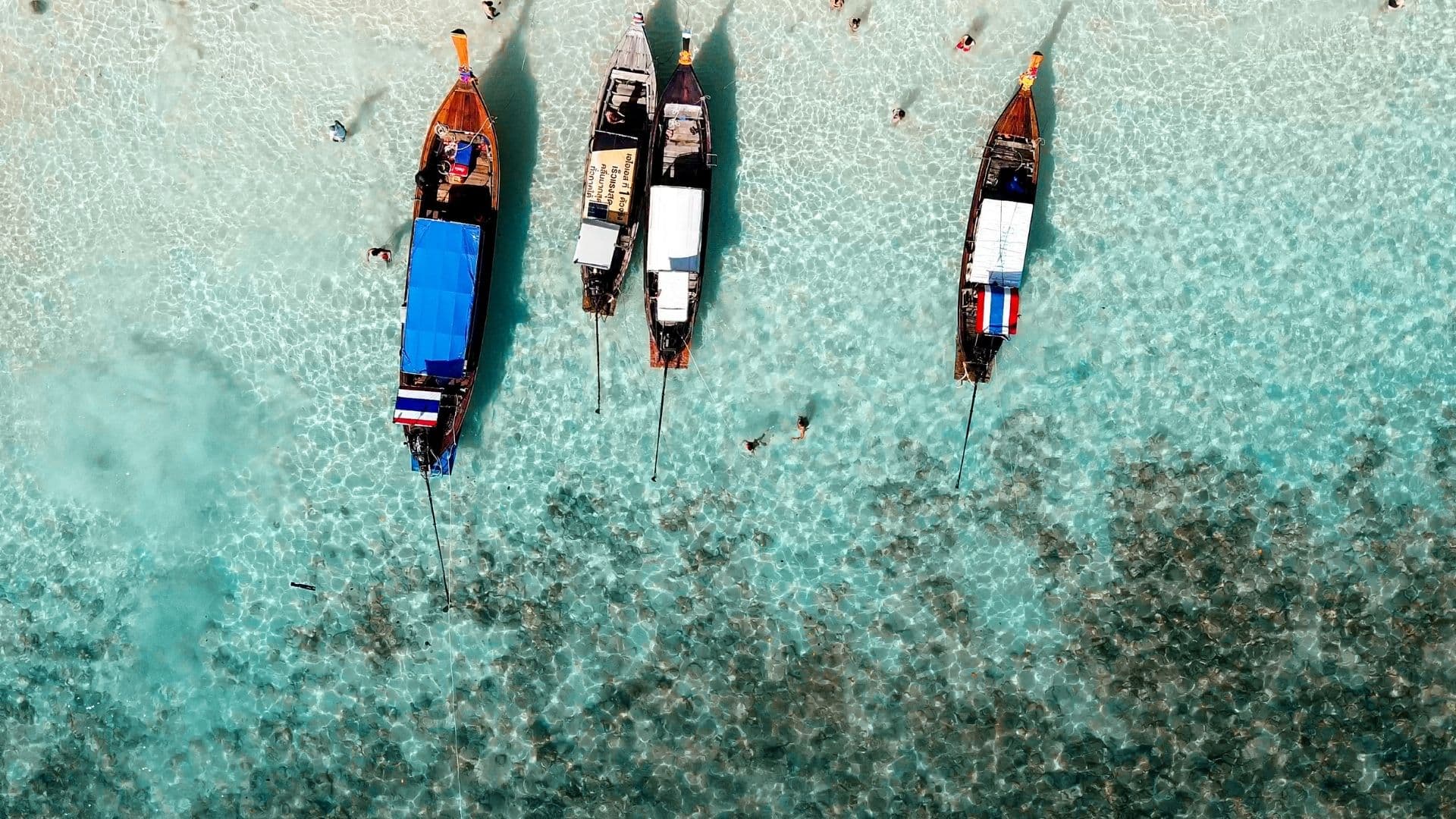
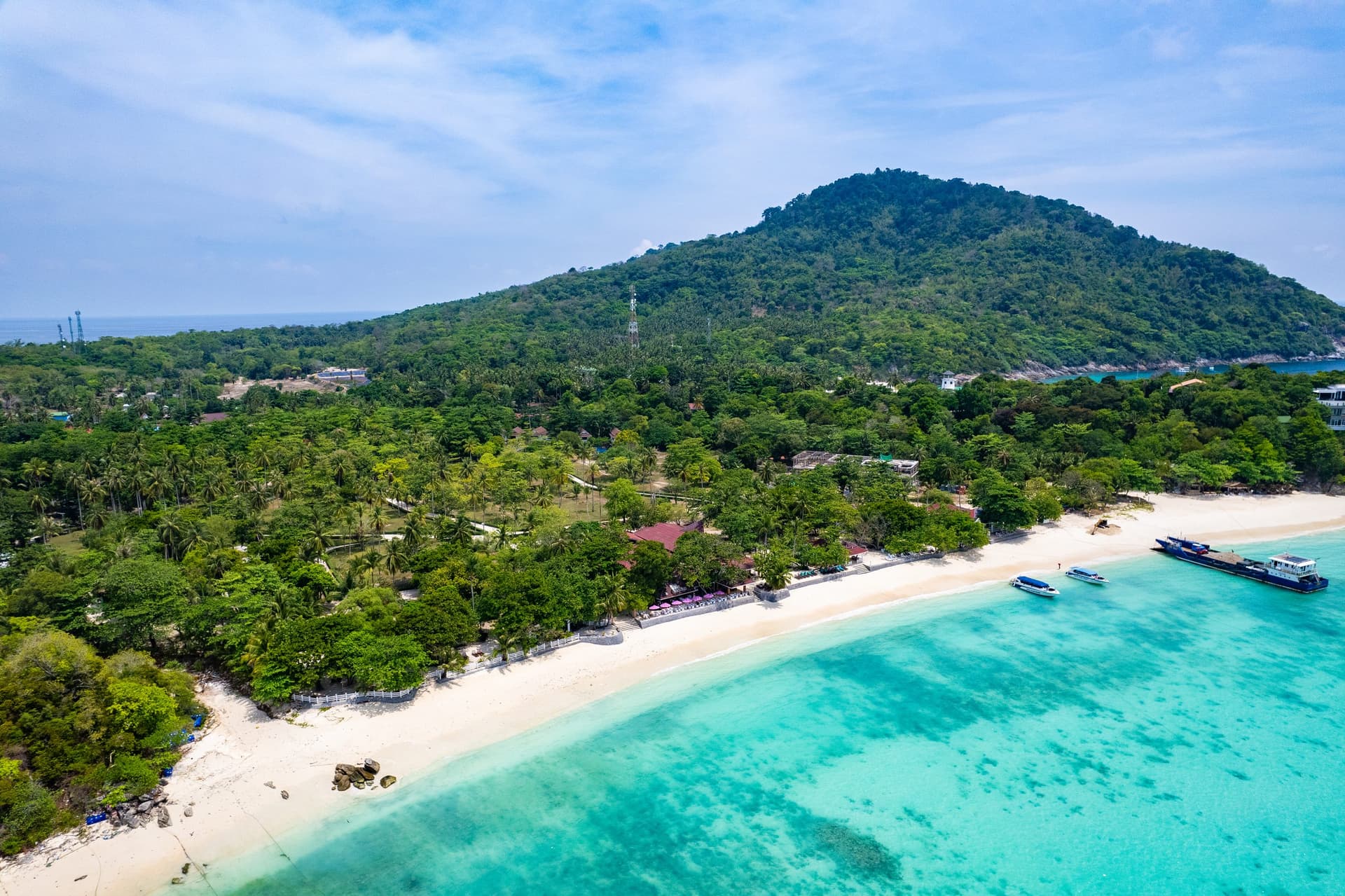
Phi Phi. Give our island more than one night. Day-trippers see Phi Phi at its busiest. If you sleep here, you get the early boats, the quiet evenings and the viewpoint at sunset. This is the middle of the route and should be one of the longer stops.
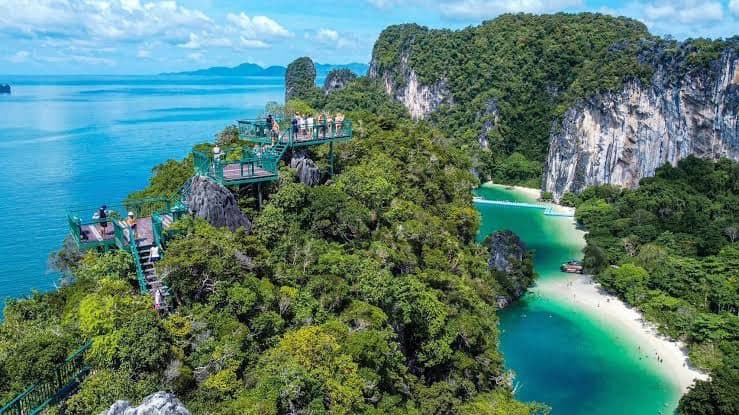
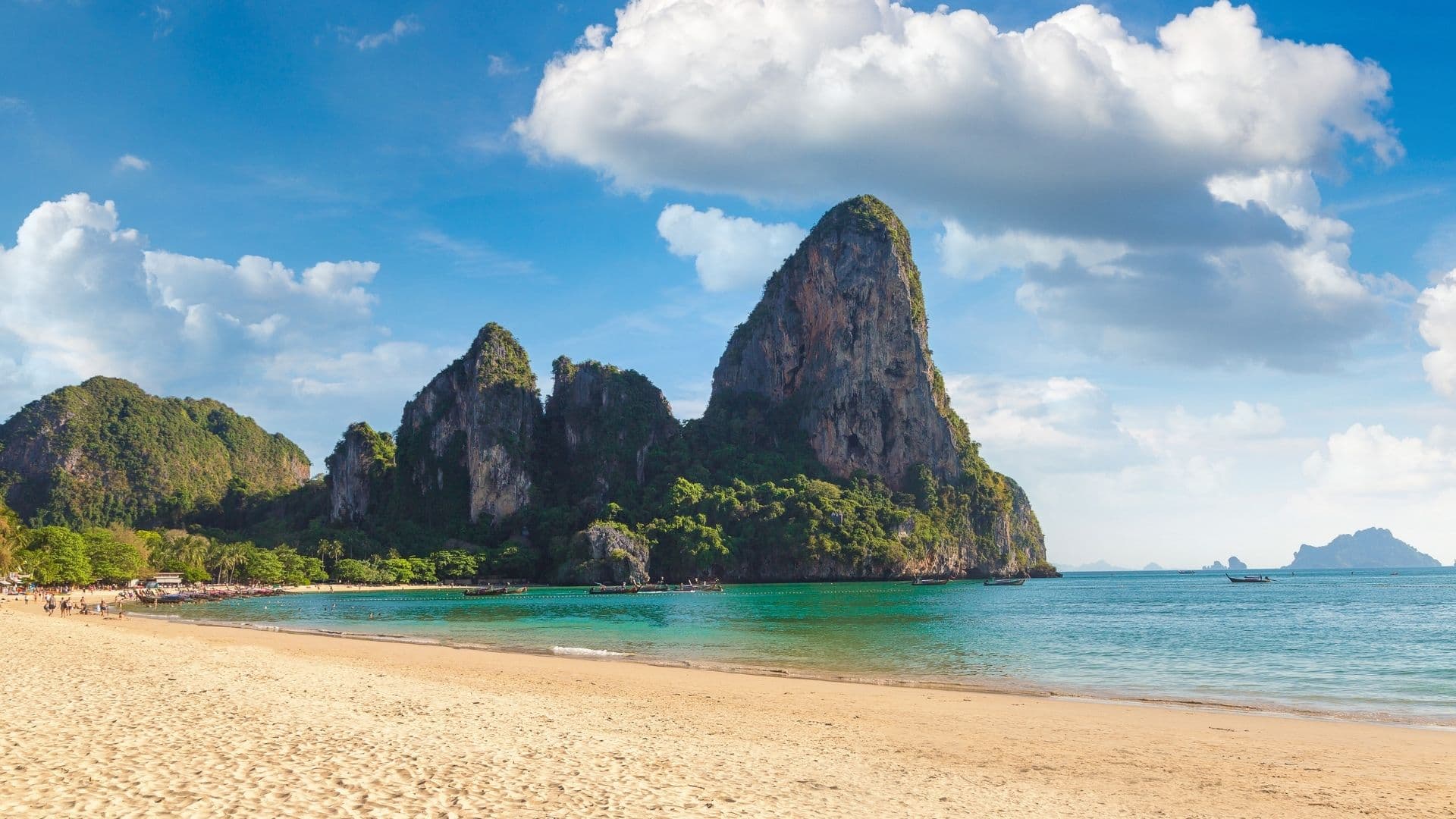
Krabi. Base yourself in Ao Nang or Railay. The 4 Islands tour covers Phra Nang Cave Beach, Koh Tup, Chicken Island and Koh Poda, and the Koh Tup sandbar appears at low tide.
Not for you if: you want empty beaches. This is the busiest corridor of the Andaman coast, and in high season you will share it.
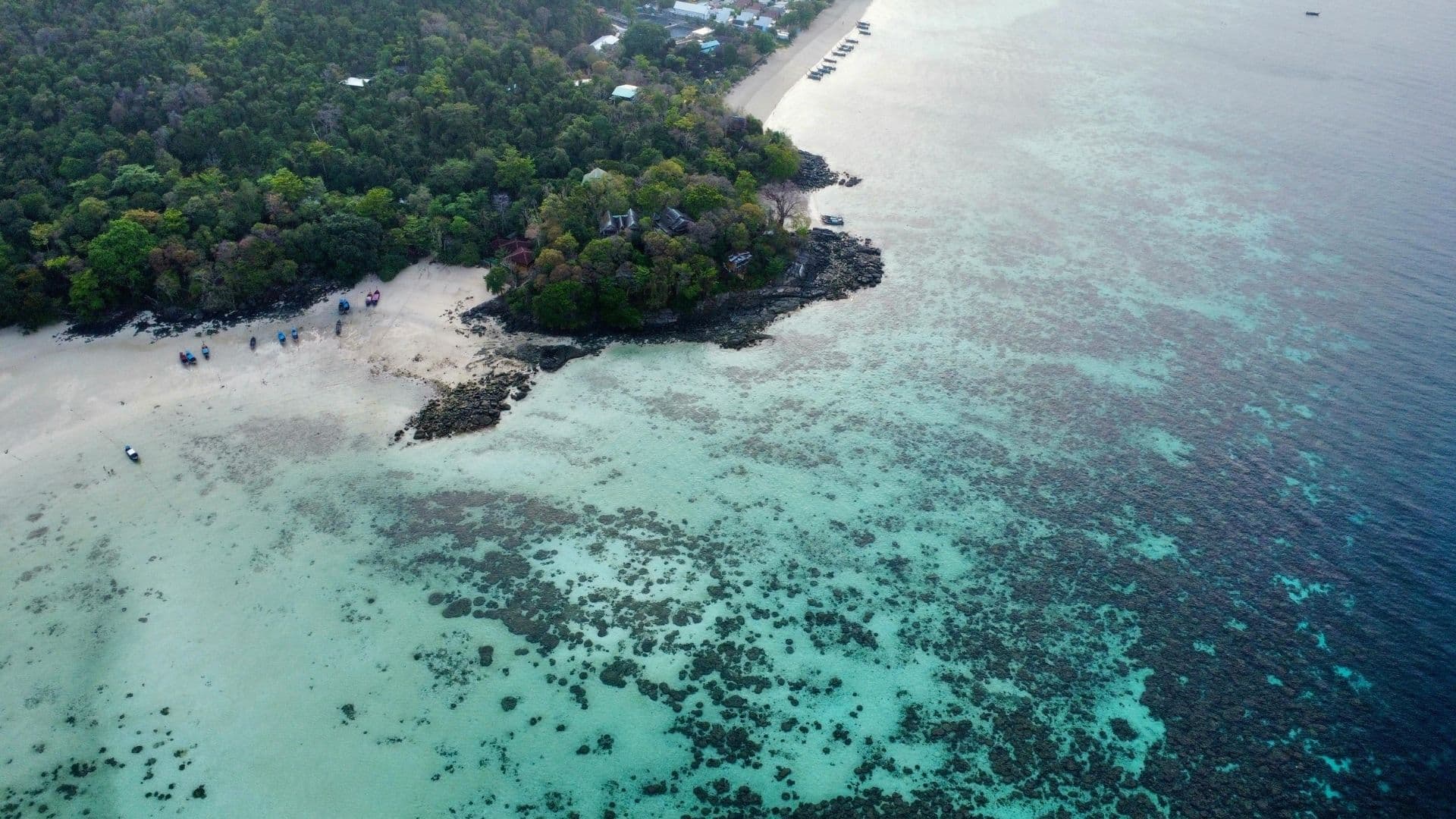
Route B: beaches and quiet, heading south
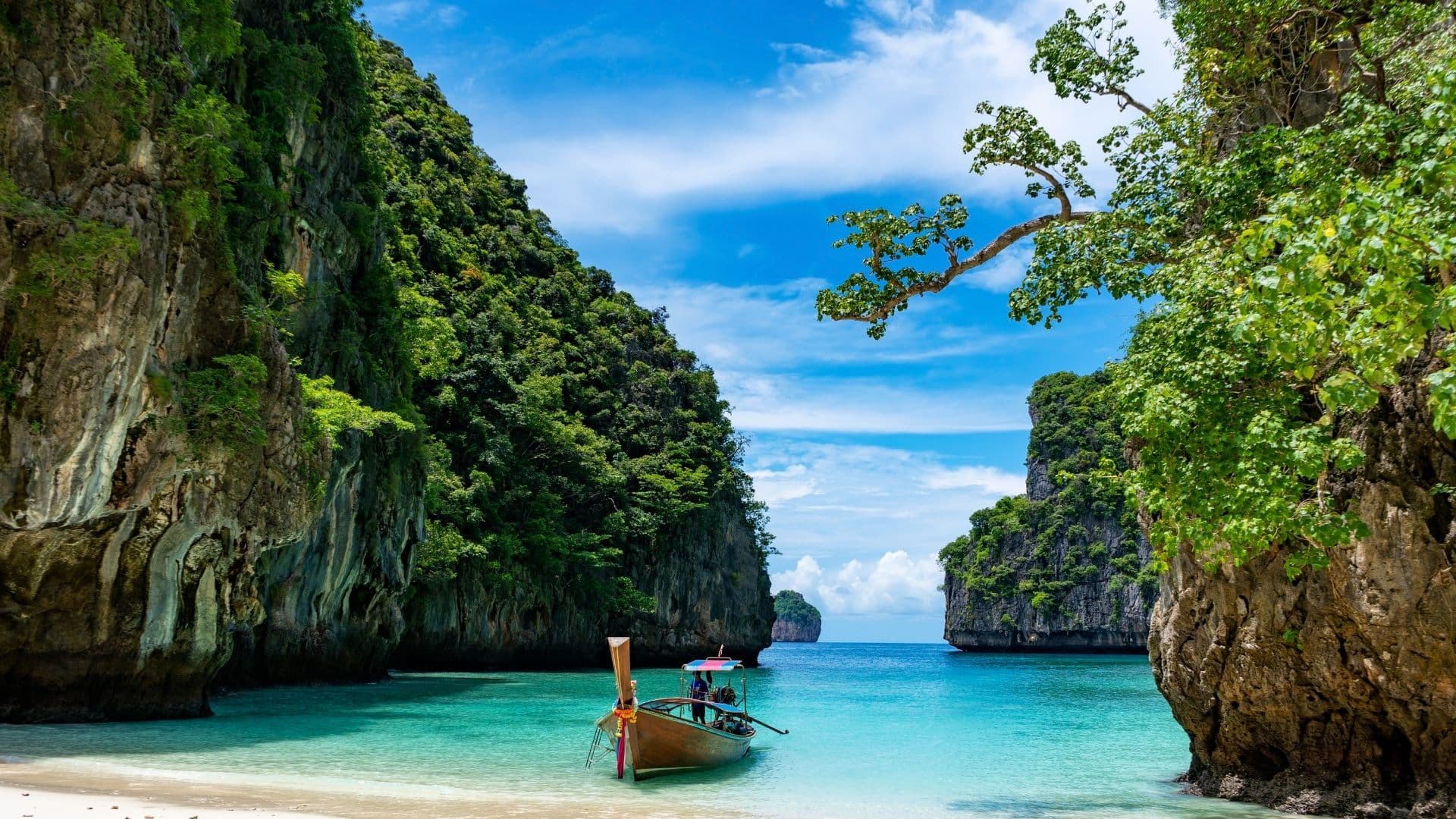
This route trades nightlife and big sights for long beaches and slower days. Start in Krabi, cross to Phi Phi, continue to Koh Lanta, then finish on the Trang islands.
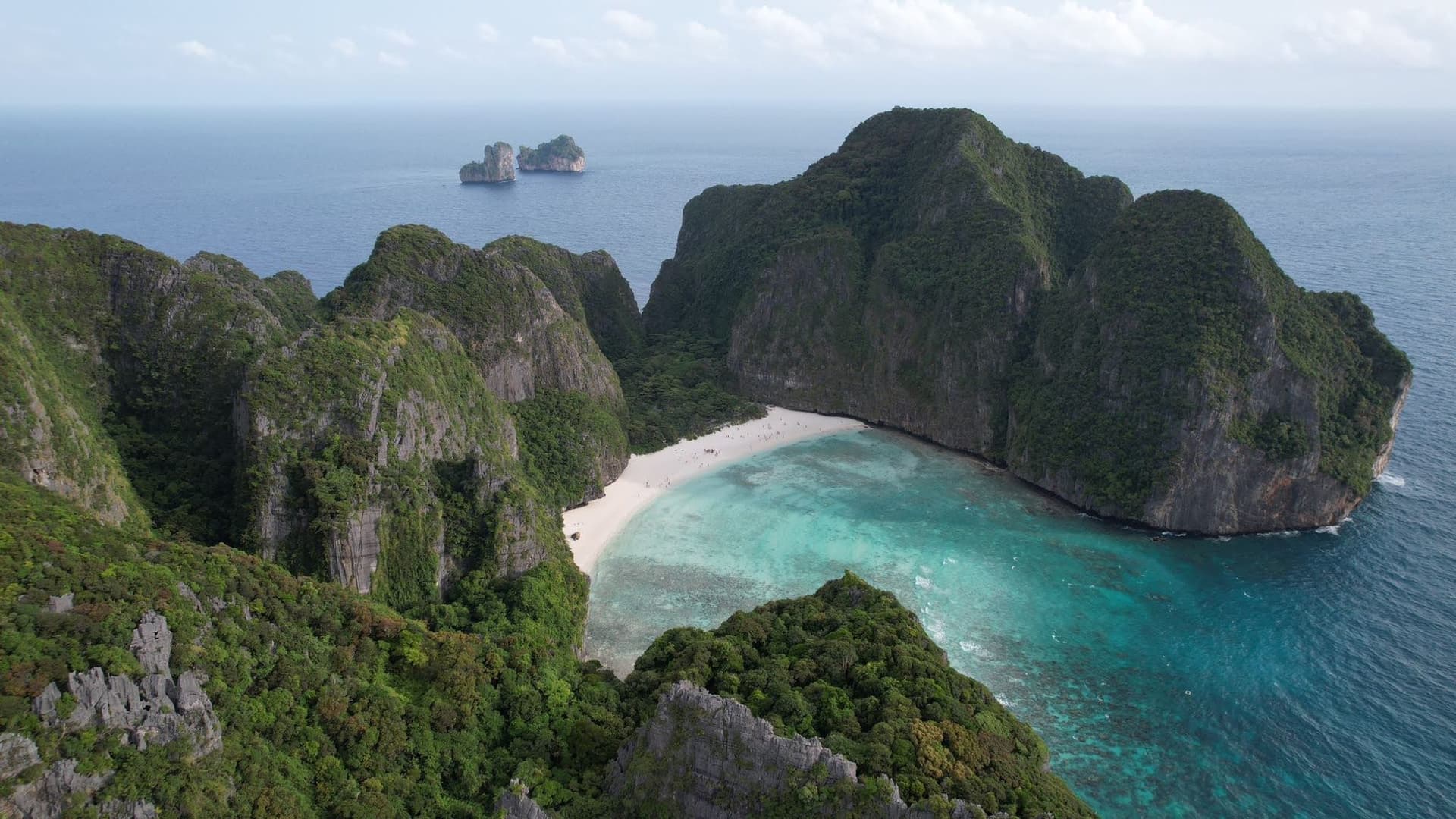
Krabi and Phi Phi work as above. Keep Phi Phi for the snorkelling, the lagoons and a sunrise at Maya Bay.
Koh Lanta is bigger and calmer than Phi Phi, with long beaches and a slower pace. Our comparison of Koh Lanta and Koh Phi Phi explains who prefers which.
The Trang islands are the reward at the end: Koh Muk with its Emerald Cave, Koh Kradan for its beach, and Koh Ngai for calm, clear snorkelling. They are quiet, simple and far from the crowds.
Not for you if: you need lots of choice for food and evenings, or you travel with heavy luggage. The further south you go, the simpler the islands become. For the order and how long to stay in each, see Krabi, Phi Phi and Koh Lanta in what order.
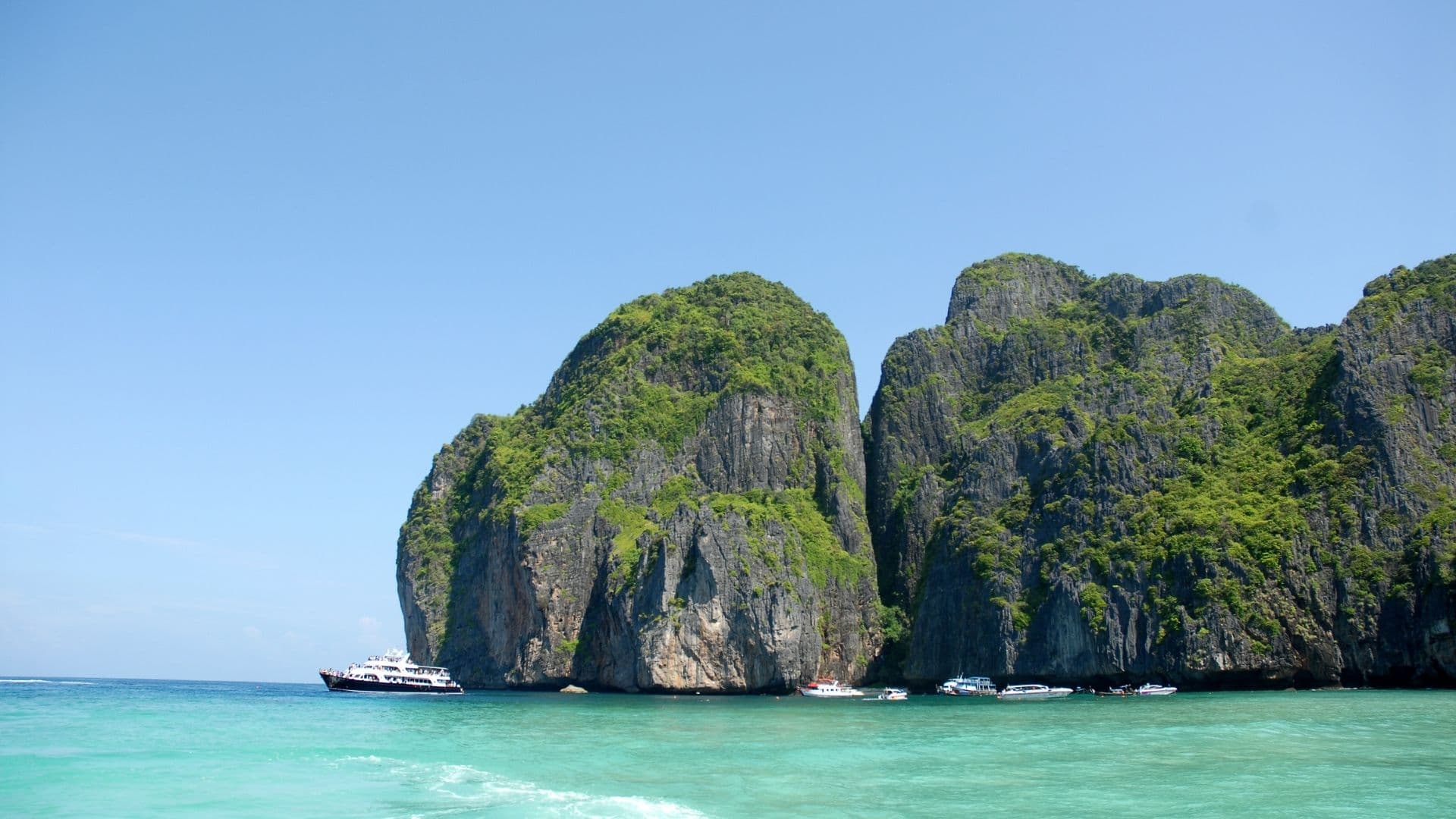
Route C: fewer moves, more comfort
This one is for families with young children, seniors, and couples who came to rest. You use fewer bases and let the boats come to you.
Koh Yao sits between Phuket and Krabi and feels rural and calm. From Koh Yao we can plan day trips with local operators we book directly; see the tour pages for what leaves from there. Our guide to Koh Yao Noi or Koh Yao Yai helps you pick a side.
Phi Phi for the second half. Stay in a calmer area like Laem Tong or Long Beach rather than the heart of Tonsai if sleep matters.
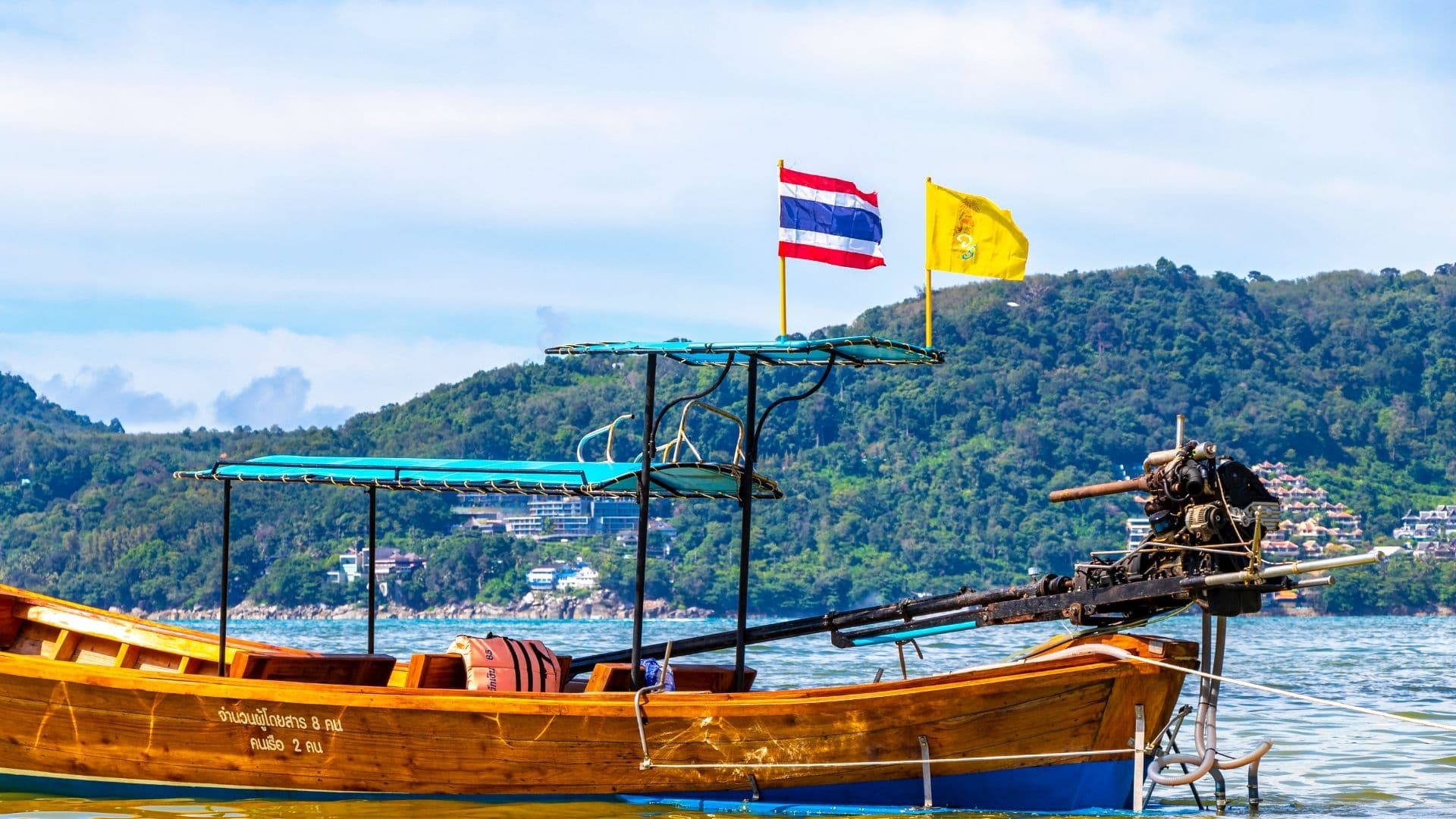
One rule we repeat often: a long-tail crossing from Railay to Phi Phi is open sea. We never recommend it for families with young children or seniors. Take the ferry from Krabi instead, and check the transfer page for current options.
Not for you if: you get restless after a few days in one place. This route is about depth, not a list of islands ticked off.
What we would not skip on Phi Phi, whatever the route
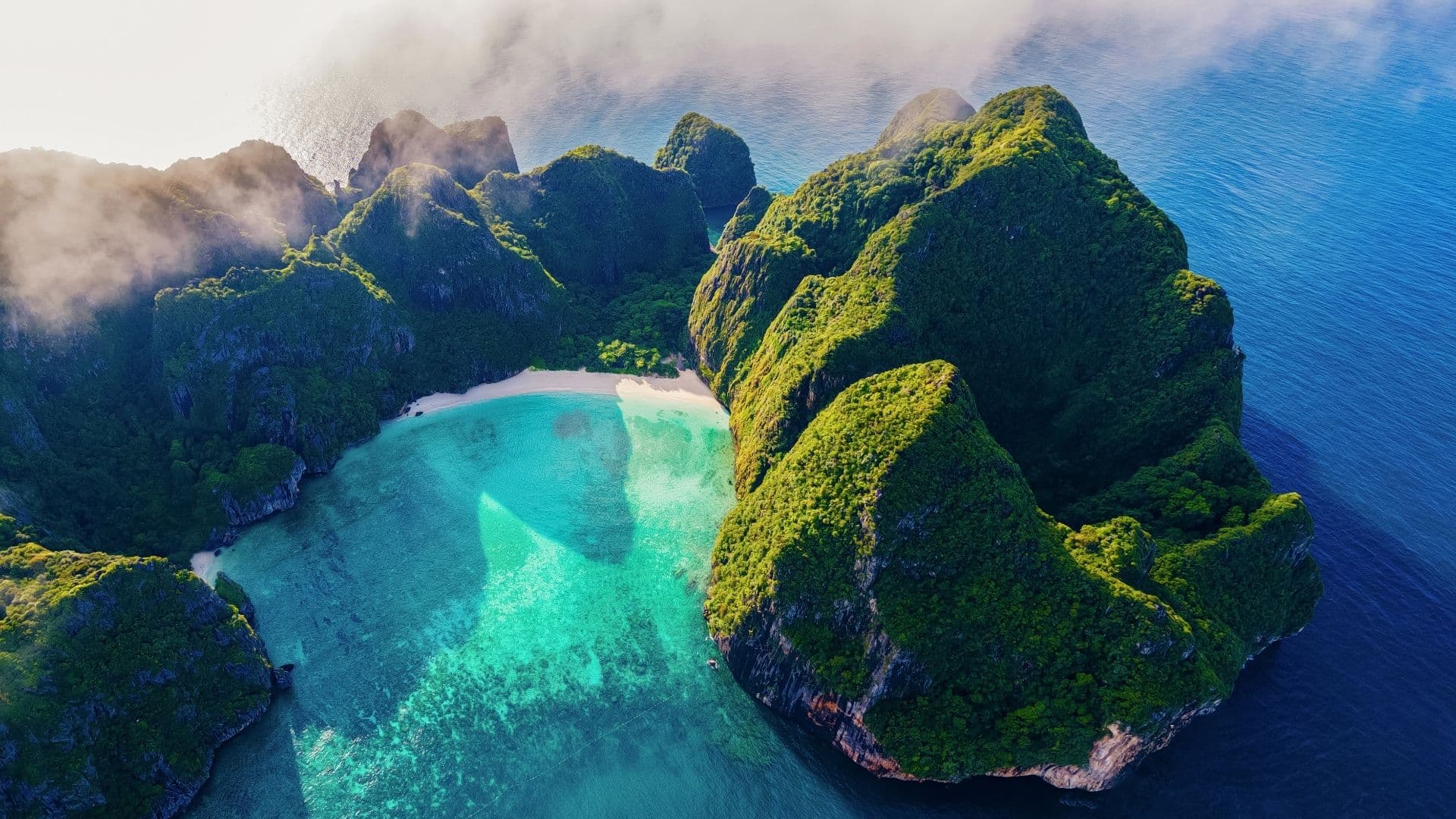
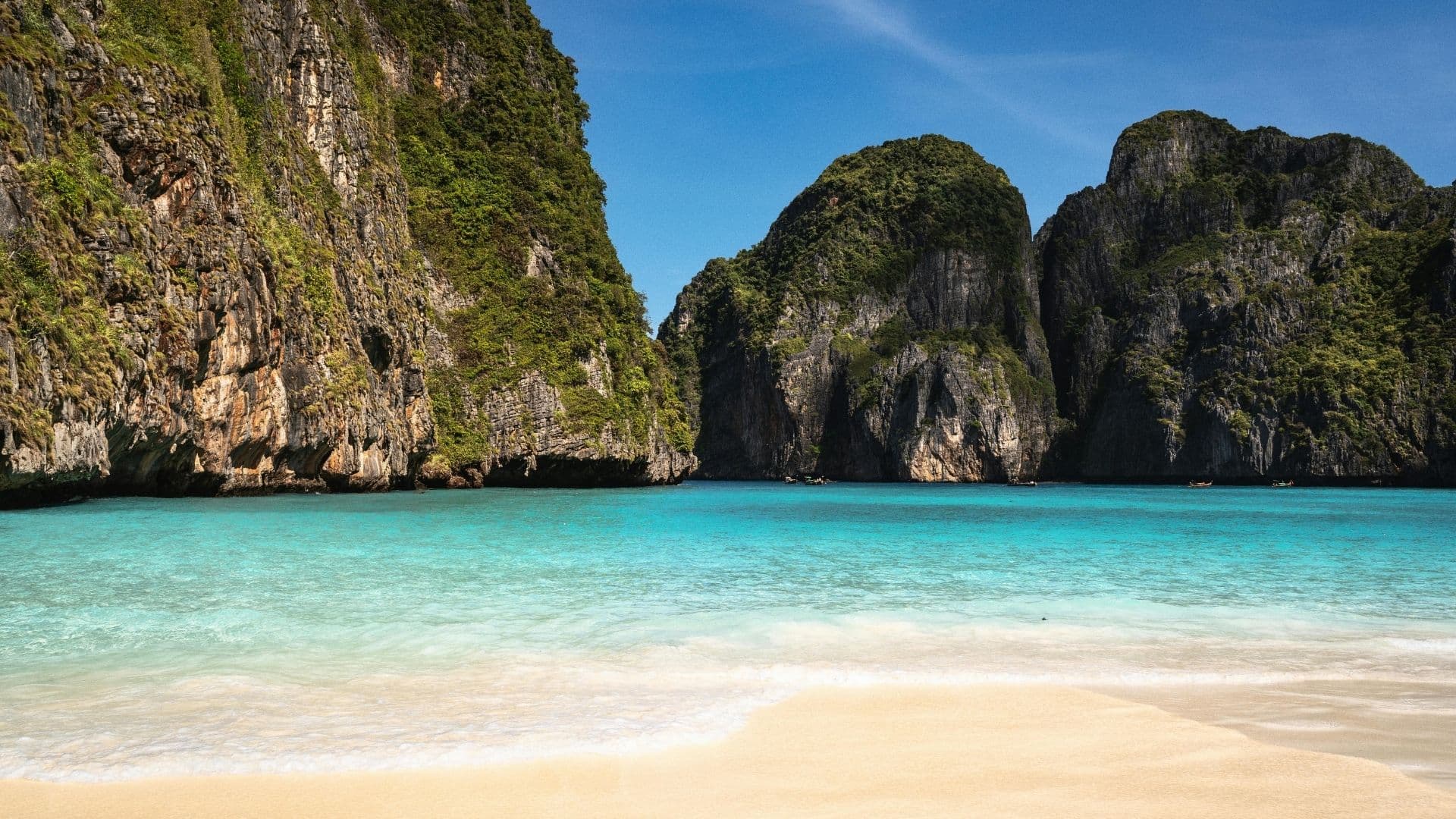
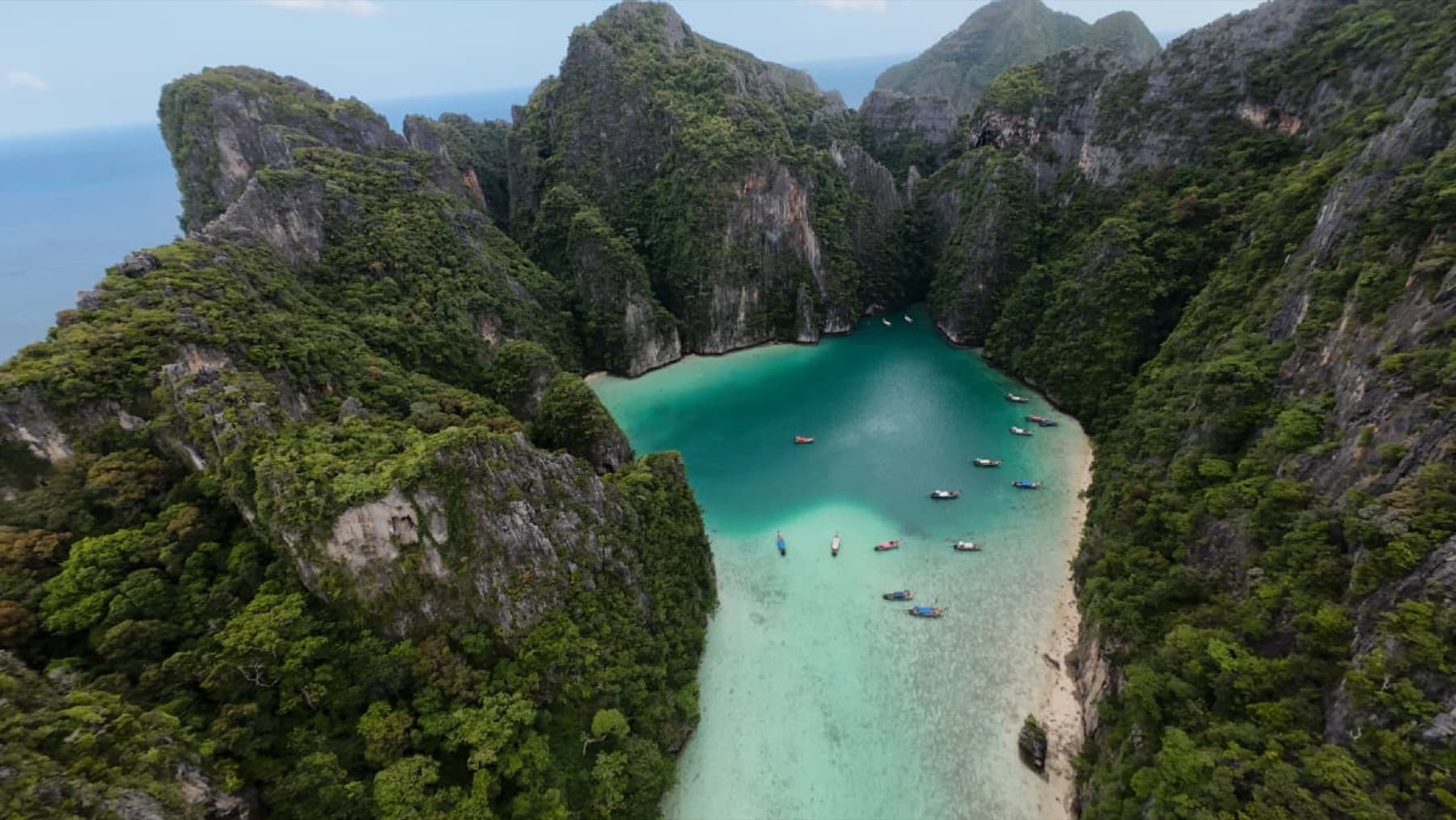
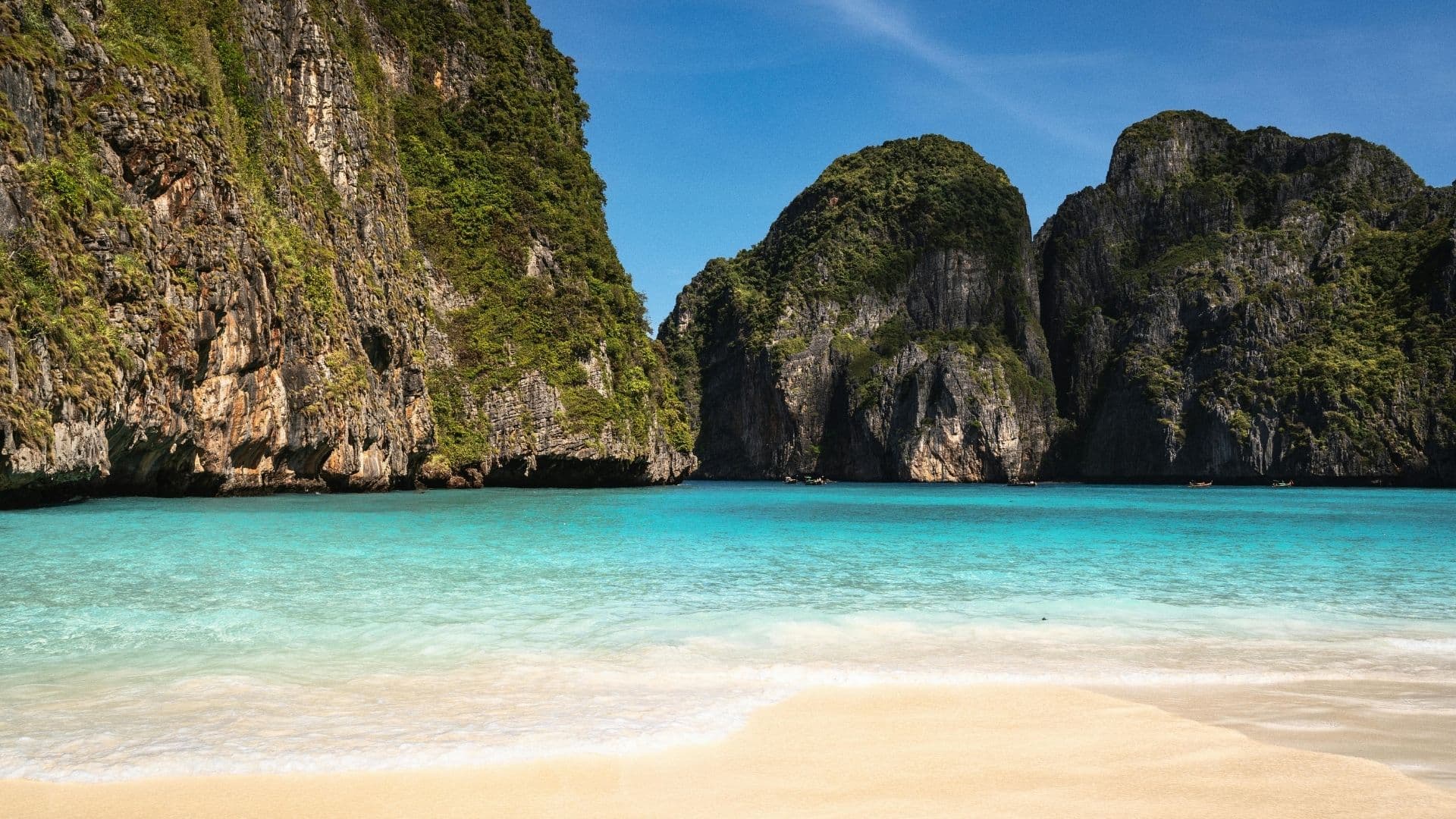
Maya Bay is the stop everyone wants. Boats do not land on the beach: they dock at Loh Samah Bay on the other side and you walk in on a boardwalk. Swimming is allowed only inside a buoyed zone, without mask or fins. A maximum of 300 visitors are allowed at the same time, which is why timing matters.
Our Morning Maya sunrise trip reaches Maya Bay before the day-tripper boats from Phuket and Krabi arrive. It is the experience we are proudest of.
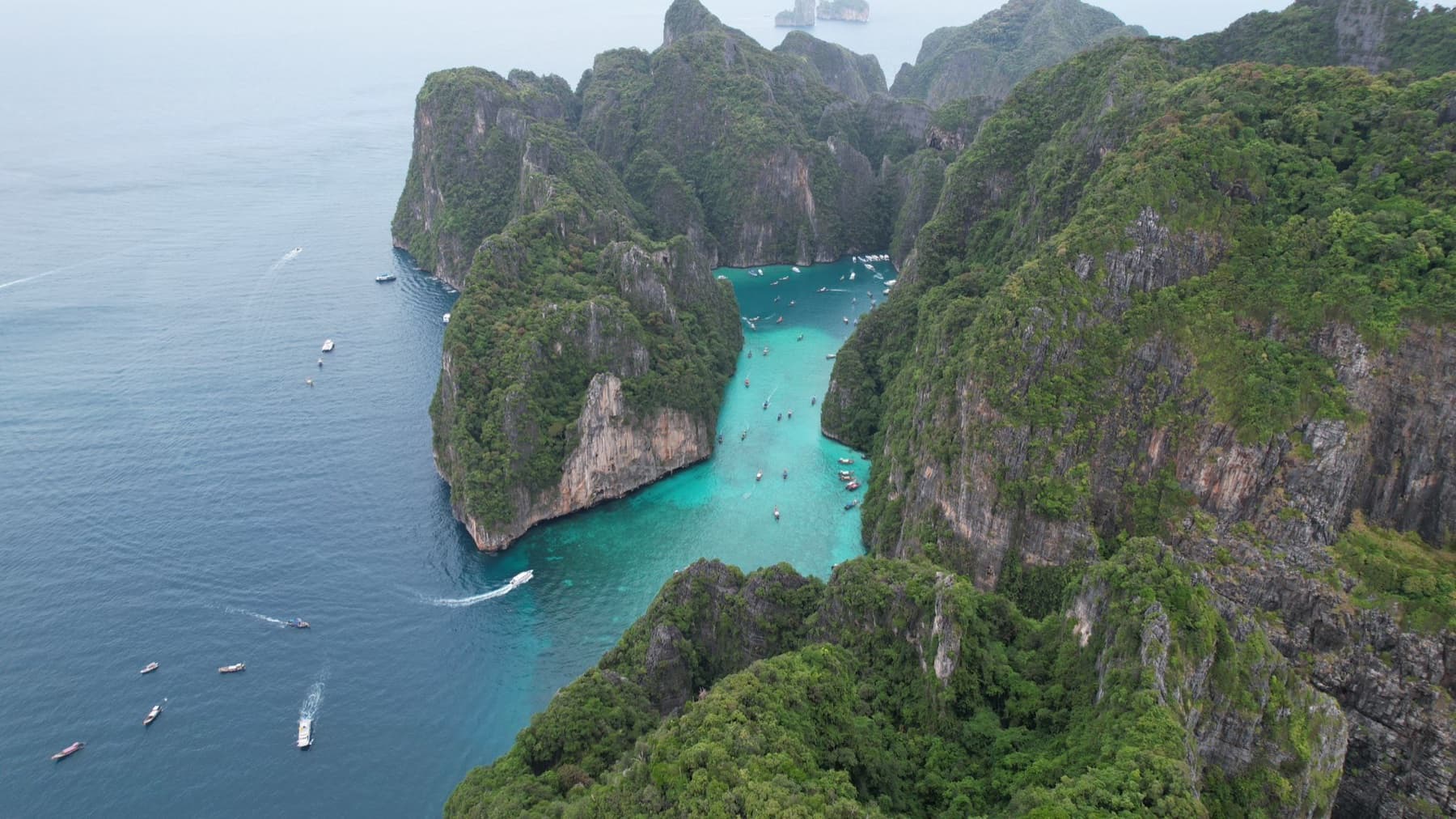
For real snorkelling, go to Loh Samah Bay or Pileh Lagoon. Bamboo Island needs a half-day or full-day trip: it is never part of a 2-hour long-tail trip, because it is too far.
The national park fee for Maya Bay is 400 THB per adult and 200 THB per child aged 4 to 11, paid in cash on arrival. Whether it is included depends on the tour, so check the tour page.
How the season changes your route
High season runs from November to April, with calm sea and clear water. February to April is the driest stretch. Any of the routes above works well then.
May to October is the southwest monsoon. Rain usually comes as short squalls, not all-day rain, but some days the sea is rough and boat tours can be cancelled. In this season, choose Route C or keep a spare day between island moves.
Maya Bay closes every year from 1 August to 30 September for reef recovery and reopens on 1 October. If you travel in those months, plan Phi Phi around Pileh Lagoon, the viewpoint and snorkelling instead.
Sea water stays between 27 and 30 °C all year. If you travel around Songkran, 13 to 15 April, expect water fights in town and book your boats early.
The mistakes we see from Tonsai pier
- Too many islands. Every extra move is half a day lost. Cut one island before you cut a night.
- A flight on the same day as a late boat. Leave a buffer, or sleep near the airport the night before.
- Day-tripping Phi Phi from Phuket and calling it done. You see the crowds and miss the island.
- Ignoring the tide and the weather. Sandbars, lagoons and crossings depend on both. Read our honest take on monsoon cancellations if you travel between May and October.
- A big suitcase. Piers have steps, gaps and crowds. A soft bag you can carry wins every time.
How to book the pieces without stress
Book the boat transfers first, because they fix the shape of your trip. Transfers can be booked online until 18:00 Bangkok time the day before.
Book the tours you care most about next. Tours from Koh Phi Phi can be booked online until 20:00 the day before, other tours until 18:00 Bangkok time the day before. Our tour cards always show the live price.
If we cancel a tour because of the weather, you get a 100% refund or a free change of date. For the bigger picture of every island on this coast, keep our Andaman Sea islands guide open while you plan.