
from 3 700 THB
First dive in Koh Phi Phi — 2 dives
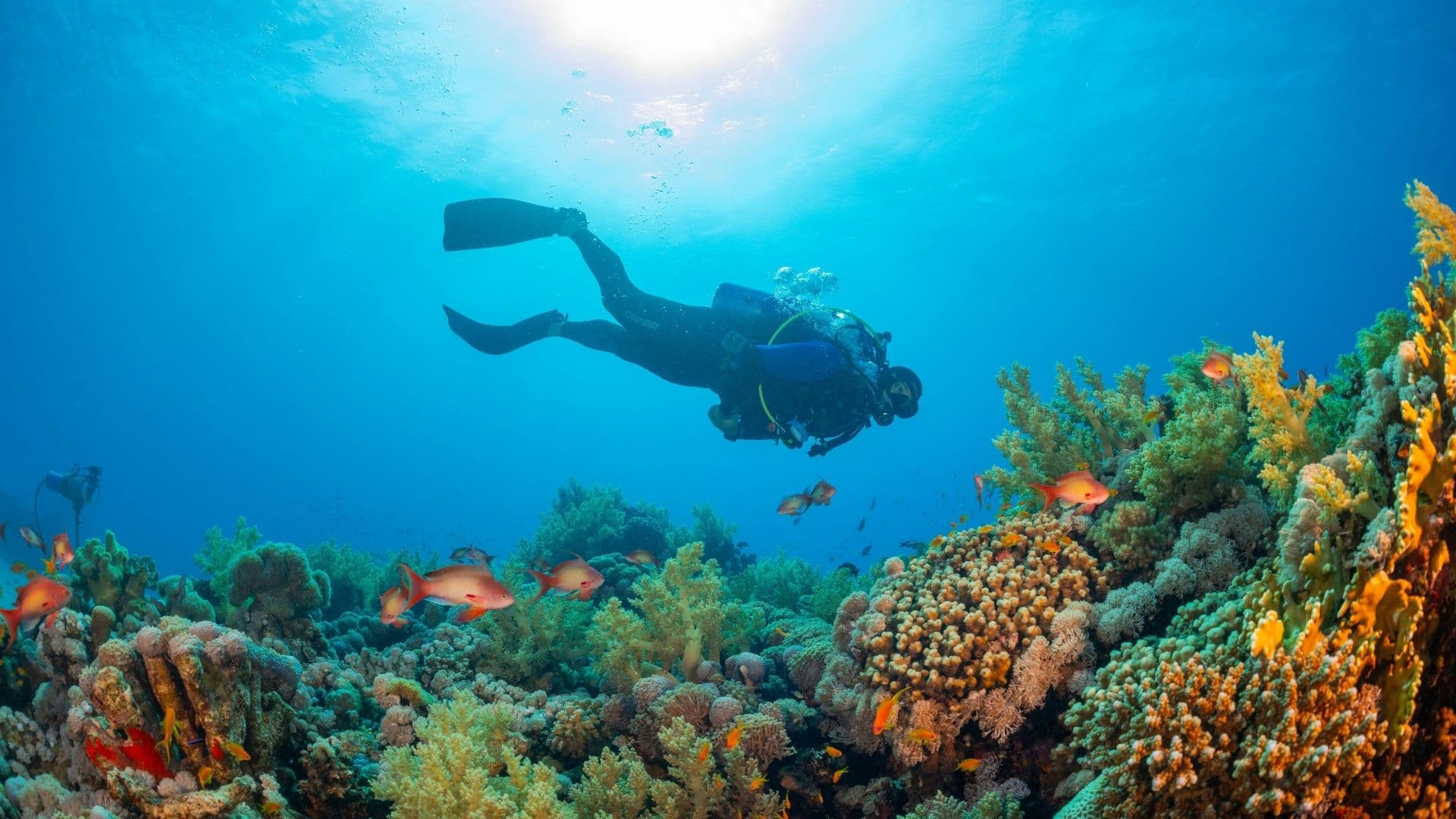
Two discovery dives up to 12 m in the crystal clear waters of Phi Phi, supervised by a 5-star PADI / SSI school. No certification required — only know how to swim.
6hfamily · couple · solo · group
Koh Phi Phi · Andaman Sea
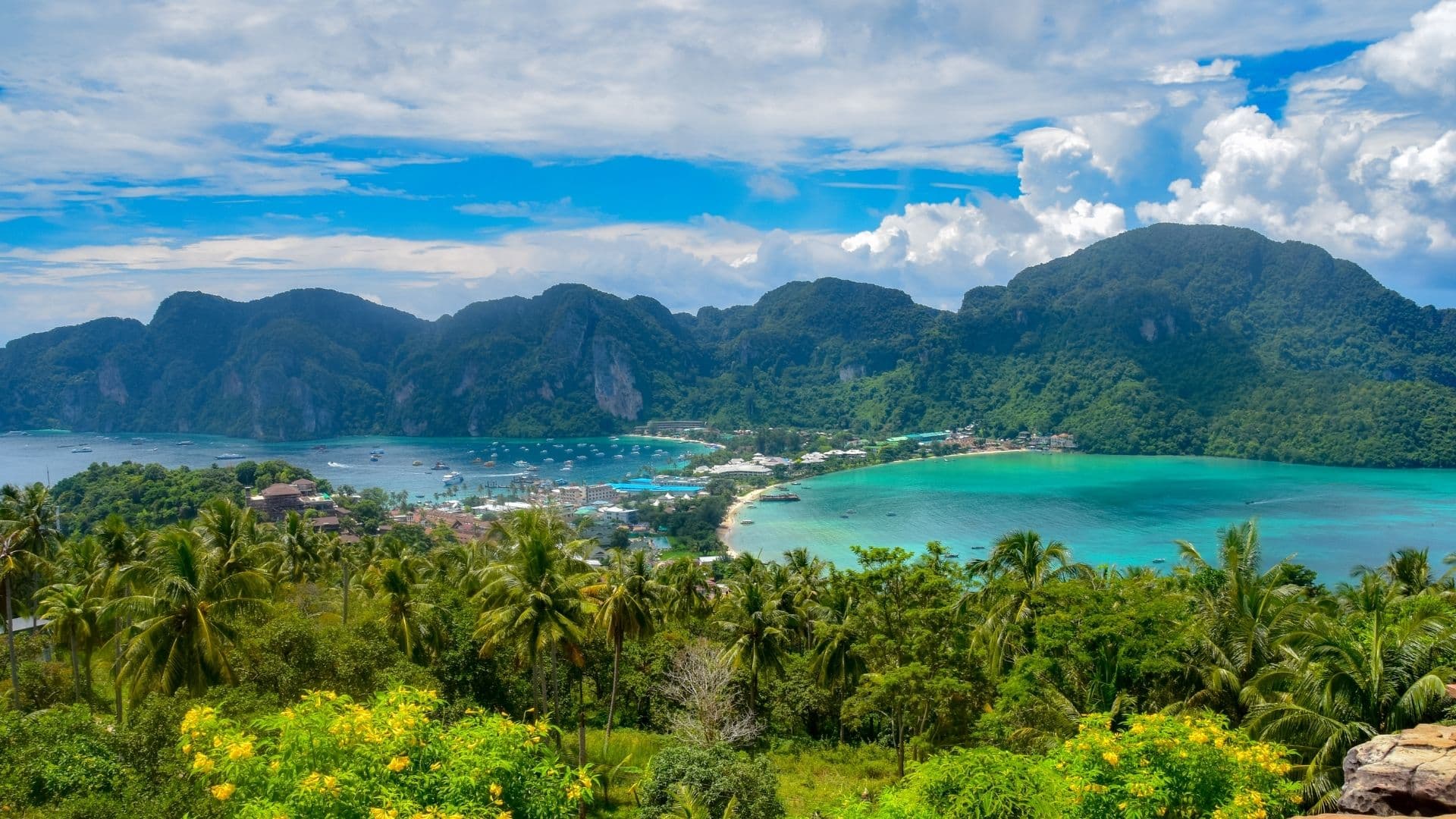
Koh Phi Phi sits at the heart of Thailand's Andaman Sea, offering some of Southeast Asia's most accessible and rewarding diving. From sheltered reefs teeming with anemonefish to dramatic limestone walls where leopard sharks patrol, Phi Phi delivers the full spectrum of underwater experiences across depths from 5 to 30 metres. Whether you're discovering scuba for the first time or pushing deeper with advanced certifications, calm waters year-round and visibility reaching 30 metres during peak season create the perfect conditions to explore one of Asia's most biodiverse marine ecosystems.
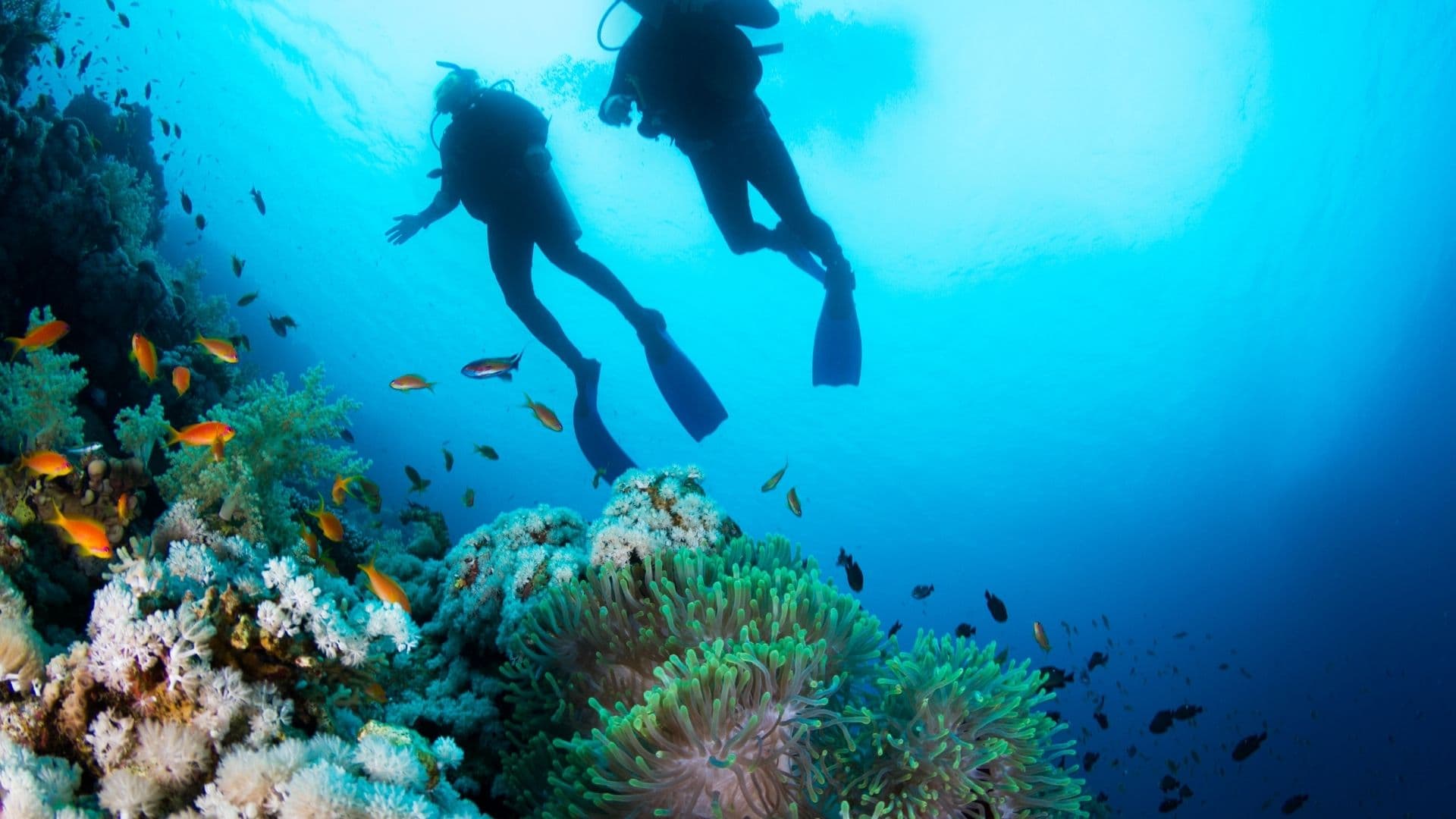
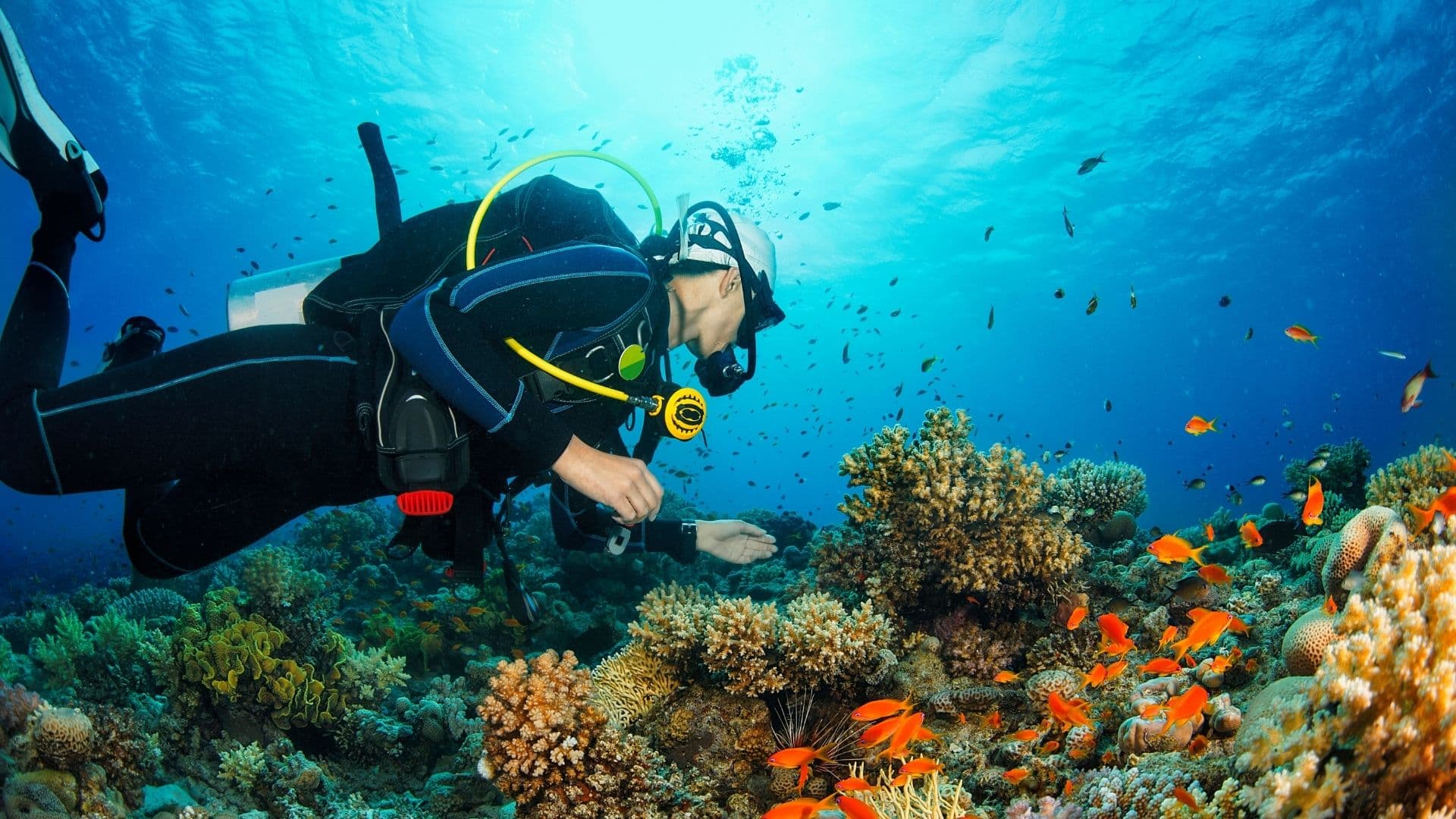
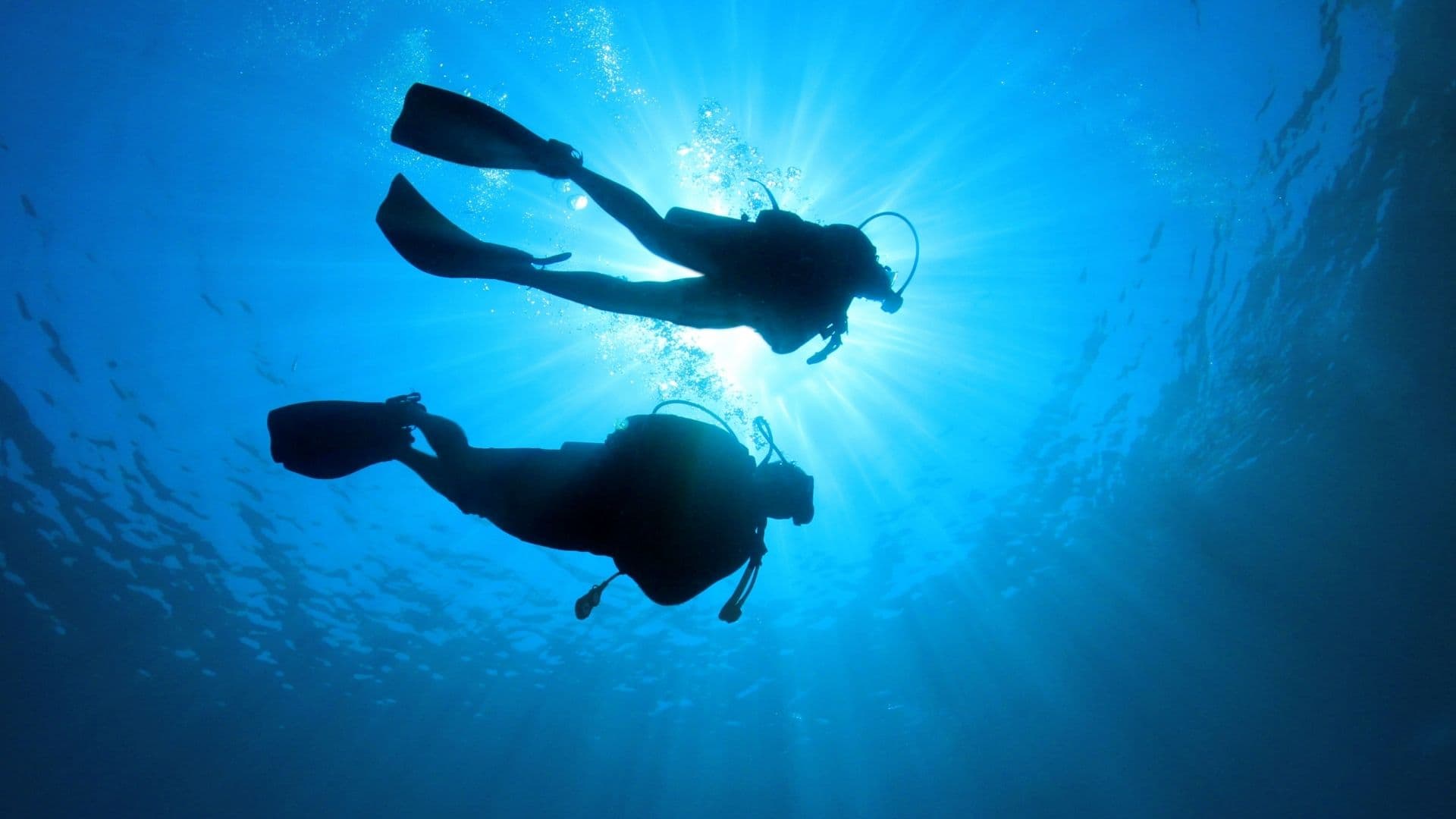
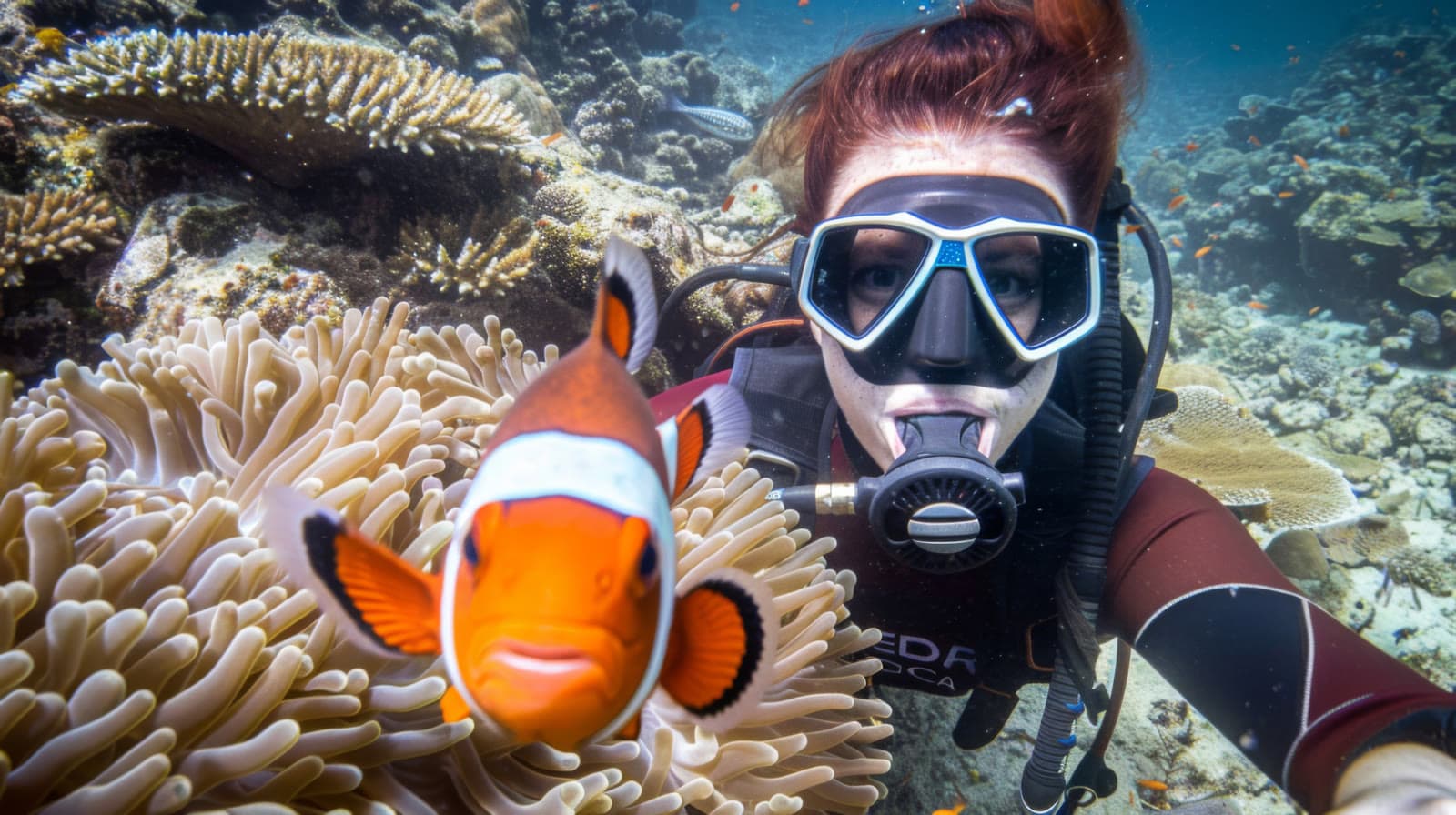
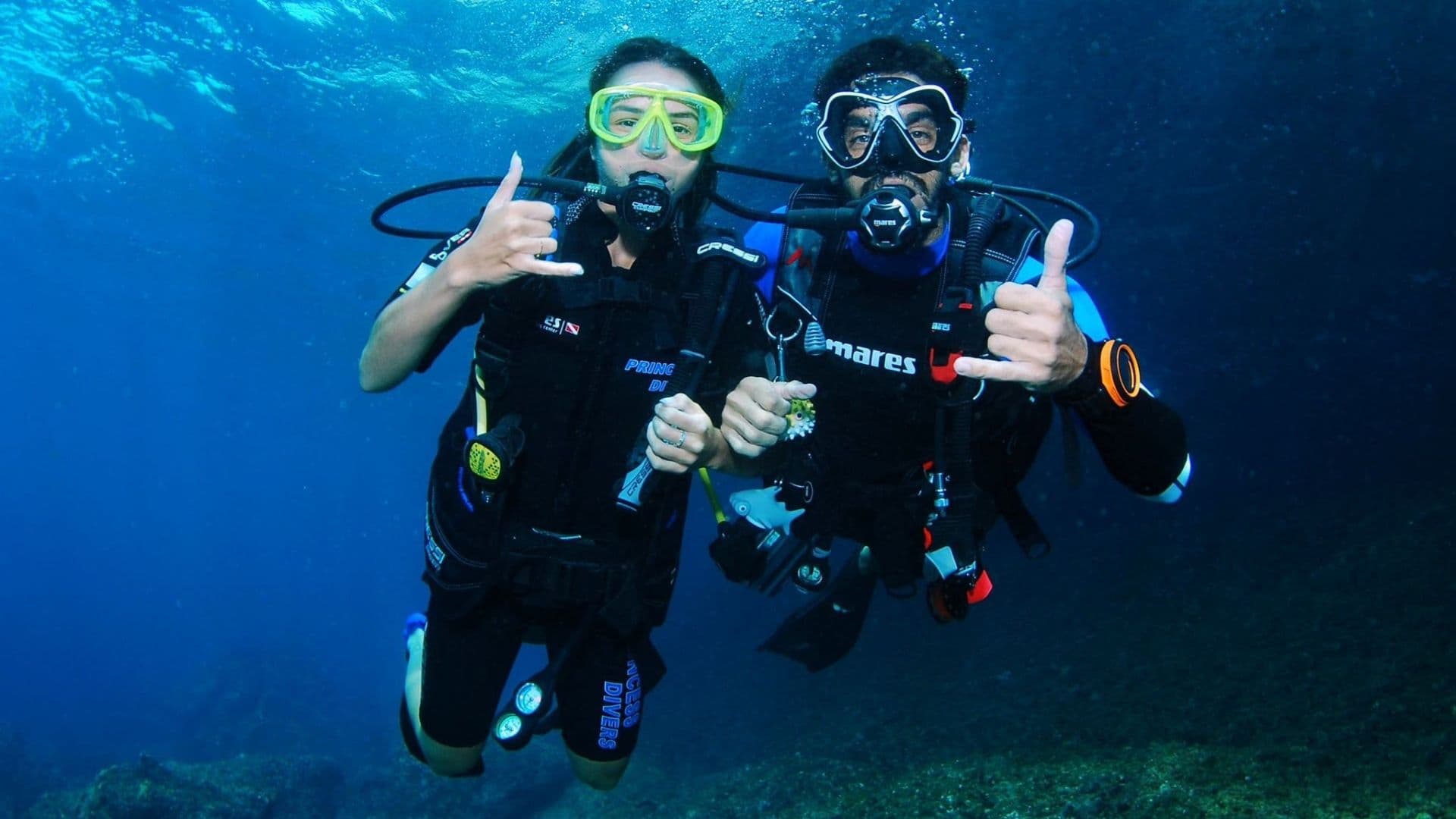
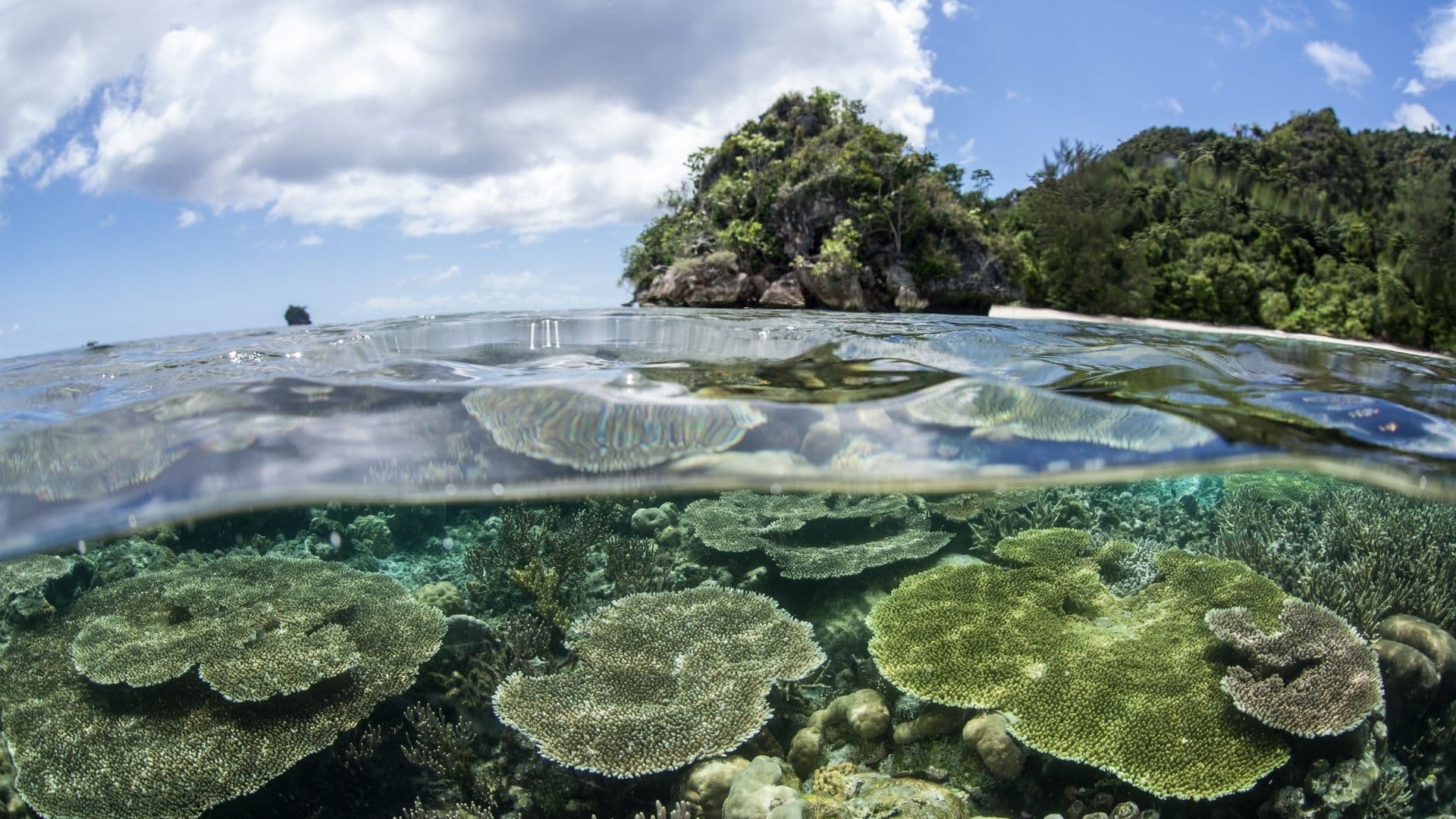
Koh Phi Phi punches above its weight. Most visiting divers compare it favourably to far costlier destinations like the Maldives or liveaboard safaris to the Similan Islands, yet courses run 30-40% cheaper and boat operations maintain an intimate, small-group ethos that prioritizes safety and learning. You'll encounter leopard sharks reliably between June and September—a sighting that mesmerizes most divers—alongside blacktip reef sharks, hawksbill turtles, moray eels, giant octopus, lionfish, and seasonal whale sharks during plankton blooms. Water temperature holds steady at 27-30°C year-round, eliminating the guesswork. Visibility ranges from 20-30 metres in high season (October to May) to 10-15 metres during monsoon months, both offering distinct marine life viewing opportunities.
Below the surface
Six primary sites dominate the Phi Phi diving circuit, each with distinct character and marine life signatures. All lie within 30-45 minutes by speedboat from the dive centre.
5-30m · All levels
The most photographed site in Phi Phi. A dramatic outer rock pile drops to 30 metres with coral-encrusted pinnacles, overhangs, and swim-through caverns at 15-20m. Leopard sharks, turtles, and schooling barracuda are common. Visibility typically 15-22m. Current mild except during tidal exchanges.
5-24m · All levels
Bida Nok's fraternal twin, slightly shallower. Exceptional for macro critters: frogfish, nudibranchs, and tiny gobies hide among soft corals and gorgonian fans. The sheltered eastern side hosts an anemone lagoon at 5-15m—thousands of carpet anemones and resident clownfish make this an iconic beginner site.
10-26m · Advanced+
A small submerged pinnacle famous for leopard shark encounters, particularly during June-September plankton blooms. Blacktip reef sharks and occasional nurse sharks add to the apex predator roster. Strong currents common; best dived by experienced Open Water or Advanced divers.
5-25m · Open Water+
A sprawling reef system northeast of Bida Nai offering multiple entry points and a gradual slope ideal for skill-building dives. Crowned by a gentle sandy shelf at 8m housing thousands of anemones and clownfish, then transitioning to coral formations and deeper channels. Seahorses, lionfish, and frogfish common.
5-20m · All levels
The dramatic limestone cliffs of Phi Phi Ley drop directly into the sea, creating scenic wall dives along the island's eastern flank. Depths 5-20m with an abundance of soft corals, gorgonians, and schooling fusiliers. Turtles frequent the shallows. Visibility 18-28m during calm months.
5-18m · Open Water+
Sheltered bay beneath the famous Viking Cave, dived primarily for its unique geography and historical intrigue. Depths top out around 18 metres; sand and rubble bottom transitions into coral heads. Marine life includes trevally, grouper, and smaller reef residents.
Four course pathways suit every experience level, from absolute beginners to certified divers seeking specialization.
Two discovery dives up to 12 m in the crystal clear waters of Phi Phi, supervised by a 5-star PADI / SSI school. No certification required — only know how to swim.
Open Water diving certification over 3 to 4 days. 5 theoretical modules, confined water training, 2 boat trips (2 dives each). Certified depth 18 m worldwide. PADI and SSI 5-star schools.
Advanced Open Water certification over 2 days. 5 adventure dives: 2 obligatory (navigation + deep dive) + 3 of your choice (wreck, night, photography, etc.). Certified depth 30 m. For certified Open Water divers.
2 dives of up to 50 min each on 2 different sites around Phi Phi Leh, Bida Nok and Bida Nai. PADI and SSI 5-star school, groups of 4 max. For certified Open Water divers and above.
Koh Phi Phi operates year-round, but seasonal patterns significantly influence visibility, weather, and marine life encounters. October through May represents high season: warm, dry weather, minimal rainfall, calm seas, and visibility reaching 20-30 metres. February through May peak as the optimal window. June through September, monsoon brings rough seas and 10-15 metres visibility, but plankton blooms attract leopard sharks in staggering numbers and whale shark sightings spike. Water temperature remains tropical year-round (27-30°C). The Similan Islands liveaboards, reachable from Phi Phi via transfers, operate exclusively November to May.
Leopard sharks dominate the encounter list, especially during monsoon months—expect sightings on 60-70% of dives June-September. Blacktip reef sharks patrol the walls year-round. Hawksbill turtles graze the shallow reefs. Moray eels hide in crevices at Bida Nok and Hin Bida. Giant octopus emerge at dawn; frogfish camouflage themselves at Anemone Reef. Seahorses anchor in seagrass beds. Schooling barracuda and trevally create dramatic mid-water scenes. Whale sharks appear during plankton blooms (February-April and July-August). Hard corals and soft corals including vivid gorgonian fans paint the walls.
Phi Phi Paradise partners with PADI 5-Star Instructor Development Centres on the island. Our instructor roster speaks English, French, Thai, and Spanish fluently. We cap student-to-instructor ratios at 4:1 during PADI courses, often running 2:1 or 1:1. Equipment reflects professional-grade standards: regs by Scubapro, Aqualung, Mares; BCDs from Aqualung or Cressi. Nitrox certification and fills available. All gear undergoes monthly service audits. Dive briefings occur 30 minutes before departure via WhatsApp, email, or in-person. We maintain an oxygen kit onboard all boats and staff trained in first aid; the decompression chamber at Phuket Provincial Hospital is 45 minutes away by sea.