 from 900 THB
Old City by electric tram
2 h
Place or theme
34 tours
Where to stay
Our independent picks, from beachfront luxury to great-value bases.


Explore Chiang Mai's temples, ethical elephant sanctuaries, and ancient Lanna heritage. Book authentic tours with honest practices, no animal shows or riding.
Chiang Mai is Thailand's cultural heart, home to over 300 Buddhist temples, lush mountain landscapes, and the ancient Lanna Kingdom's living heritage. Unlike coastal beach towns, Chiang Mai offers immersive experiences in northern Thai culture: monks, markets, mountain villages, and yes, elephants. We're honest here: ethical elephant tourism means no riding, no performances, just respectful sanctuary visits where these remarkable animals live naturally. Chiang Mai rewards slower travel. Spend time in the Old City's quiet alleyways, watch artisans craft silk and ceramics, climb misty temple steps at dawn, and join local cooks in their kitchens. The city welcomes roughly 2 million visitors yearly, yet pockets of authentic Lanna life remain if you know where to look. That's what we help you find.
Chiang Mai's cool season (November–February) is ideal: 15–25°C, clear skies, perfect for trekking and temple visits. November brings Yi Peng festival, thousands of illuminated lanterns released into the night sky, one of the world's most photographed festivals. However, avoid February through early April (burning season): agricultural fires cause severe air quality issues (PM2.5 spikes to hazardous levels), triggering respiratory problems and poor visibility. If burning season travel is unavoidable, consider indoor activities and check air quality forecasts daily.
From ethical elephant sanctuaries to mountaintop temples and hands-on cooking classes, Chiang Mai's experiences connect you to Lanna culture and northern Thai life.
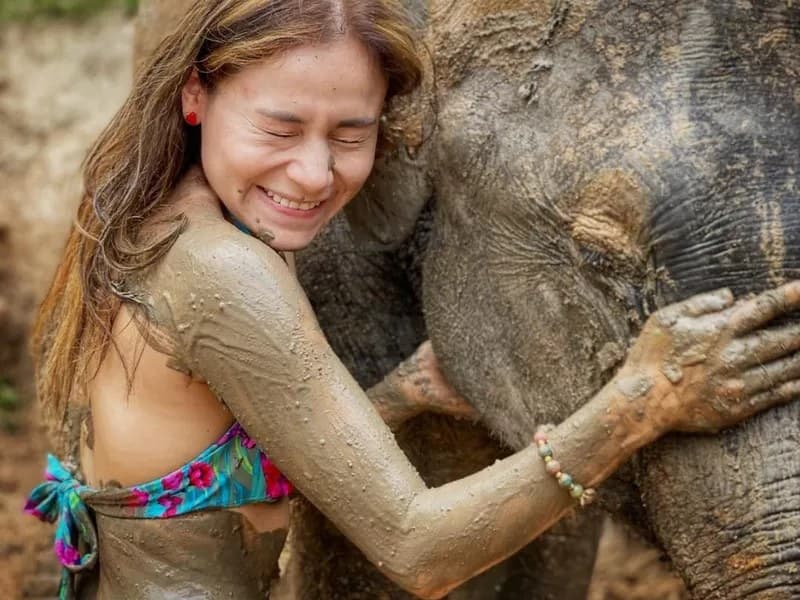
Ethical Elephant Sanctuary Visit
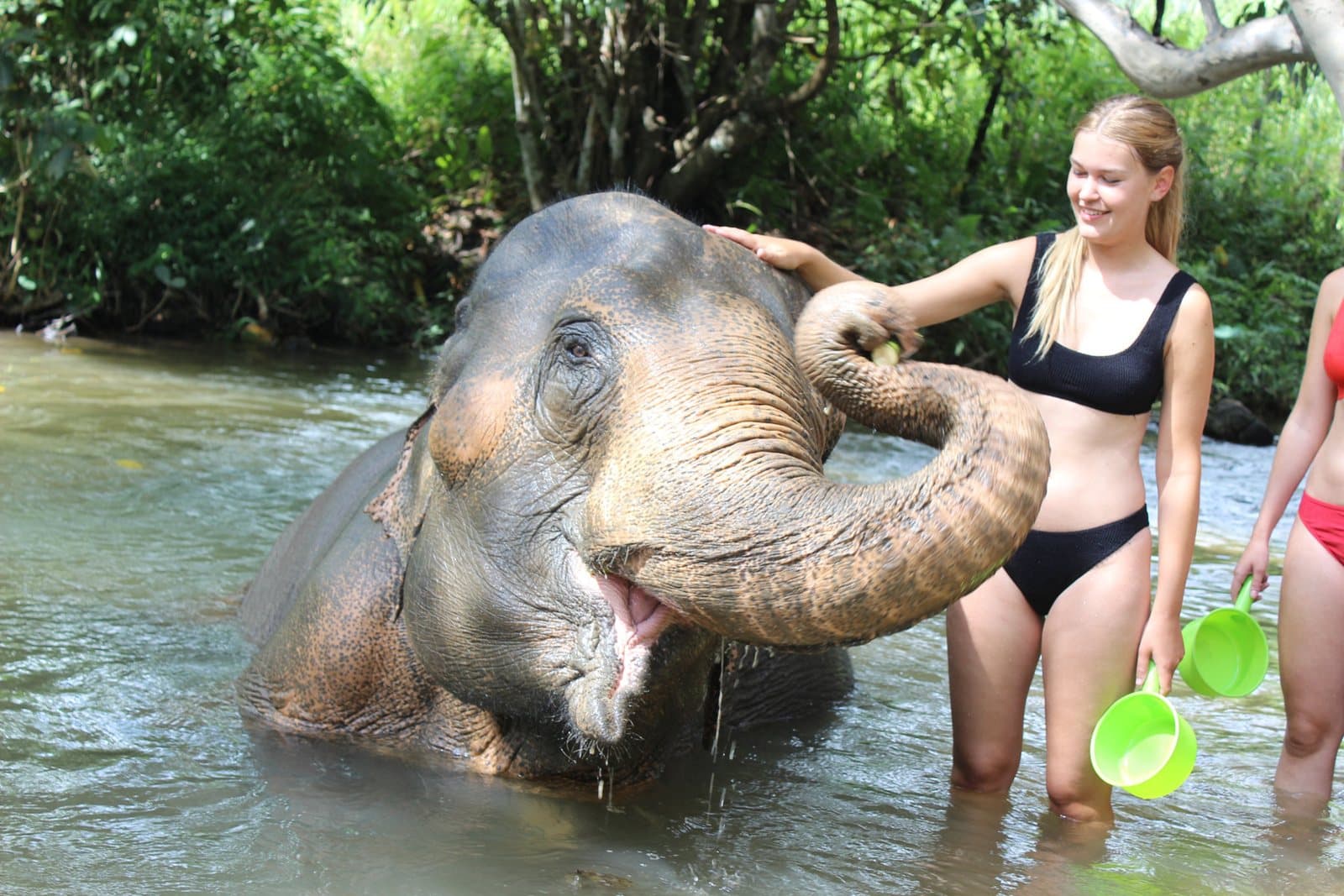
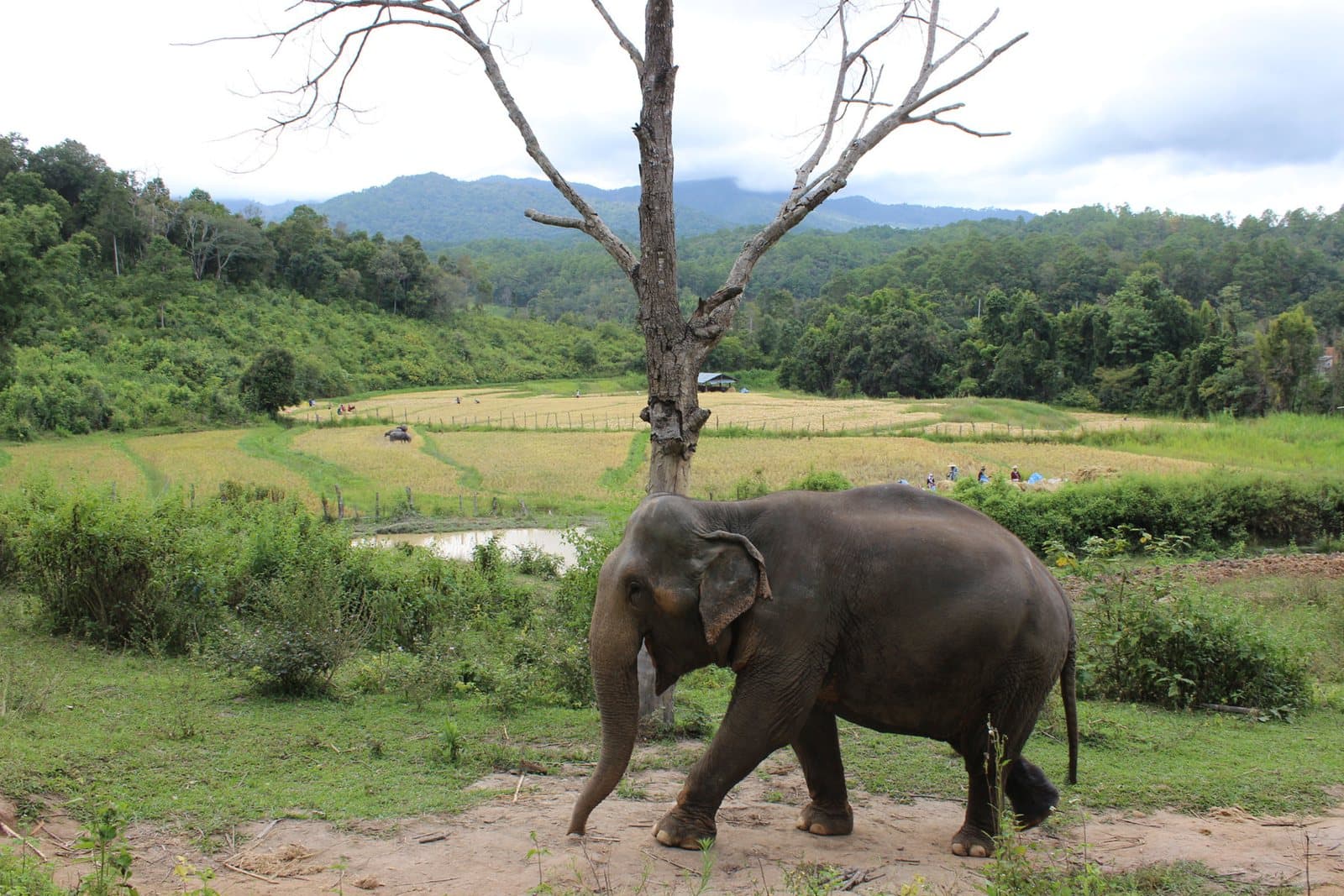
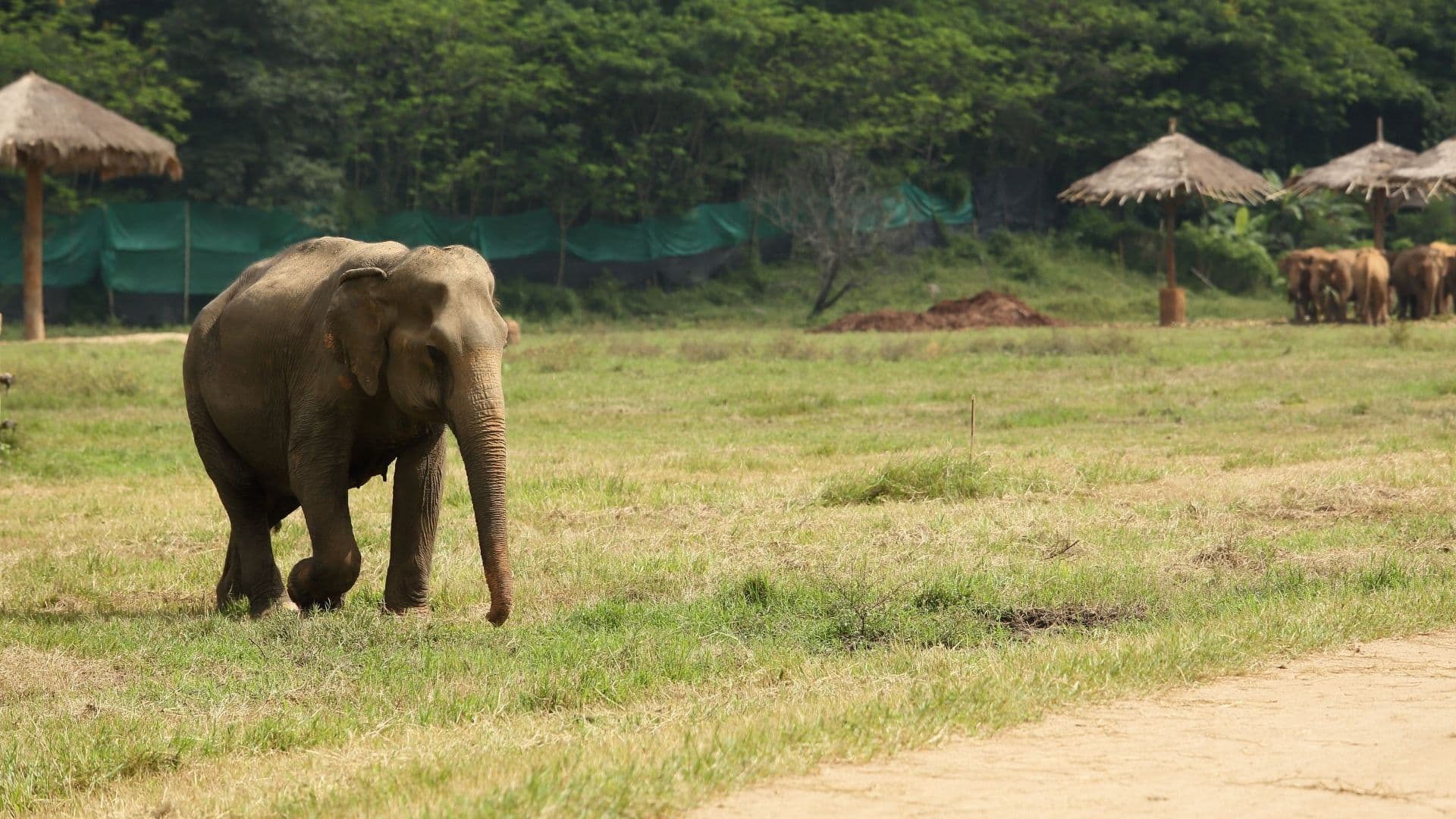
Spend a day with rescued elephants at accredited sanctuaries, no riding, no performances. Watch these intelligent giants bathe in streams, forage naturally, and interact respectfully with guides trained in animal behavior. Many sanctuaries employ local families and reinvest profits into elephant welfare and veterinary care. A profound, conscience-clear experience.
Doi Suthep Temple & Golden Triangle Trek
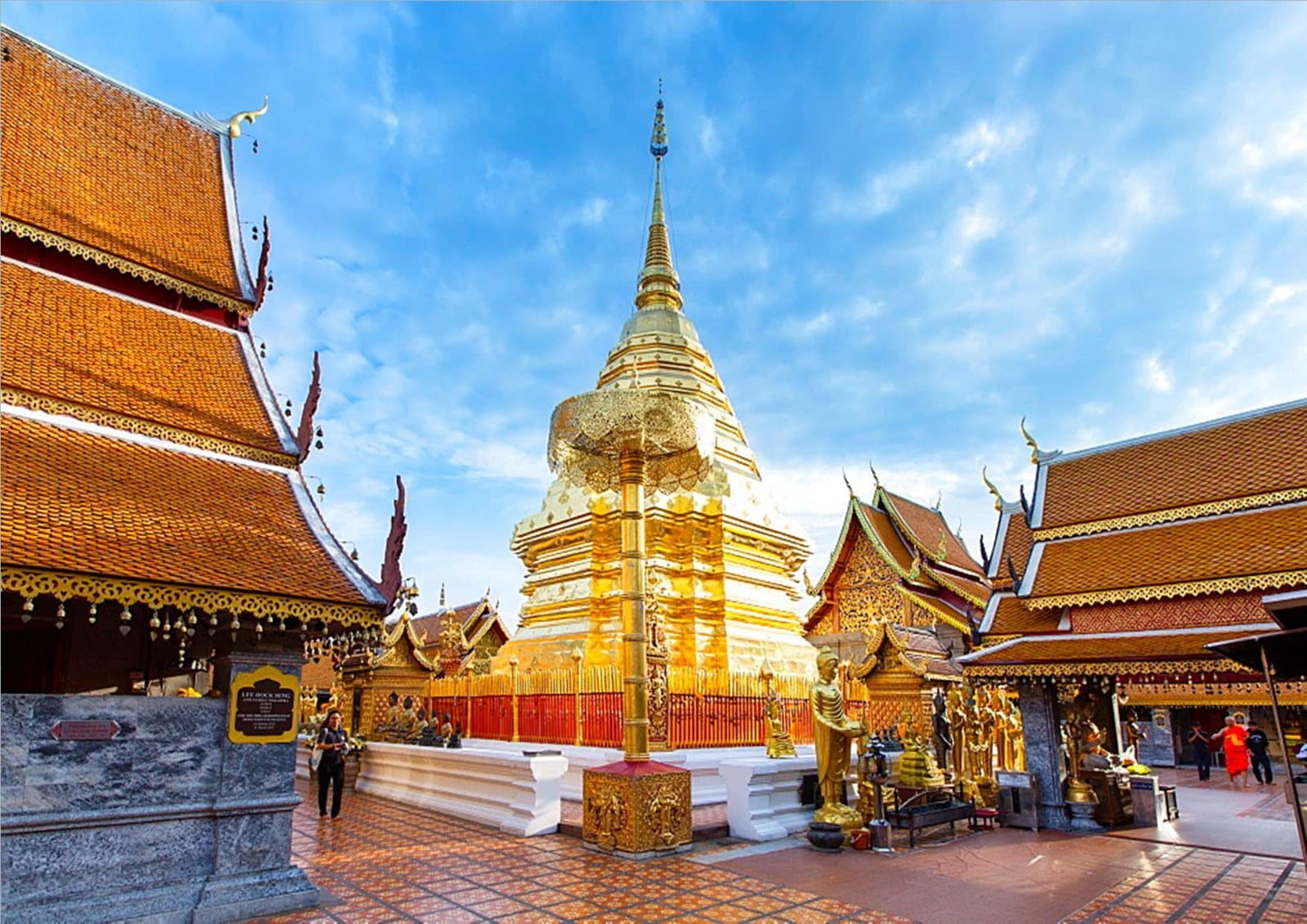
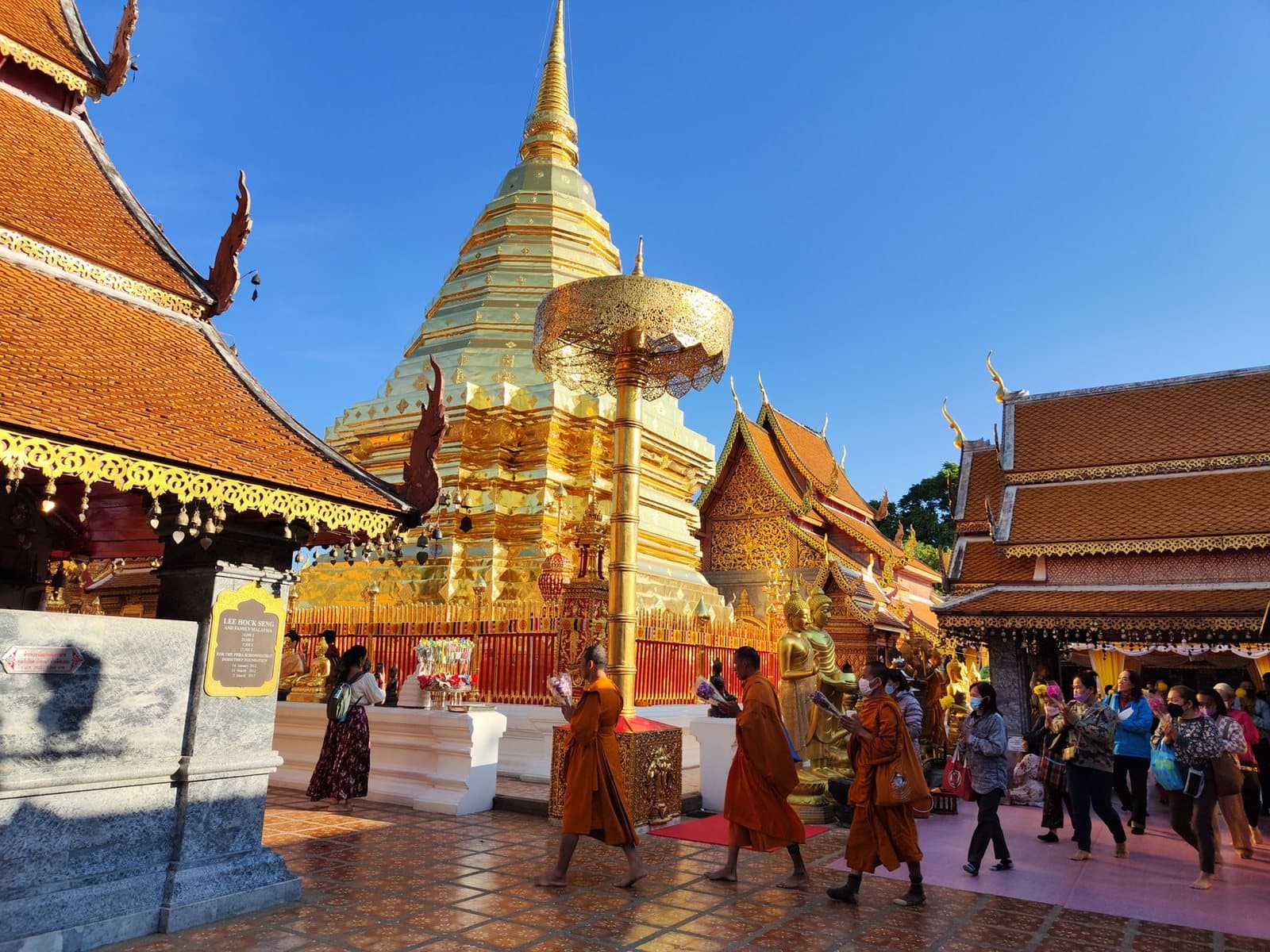
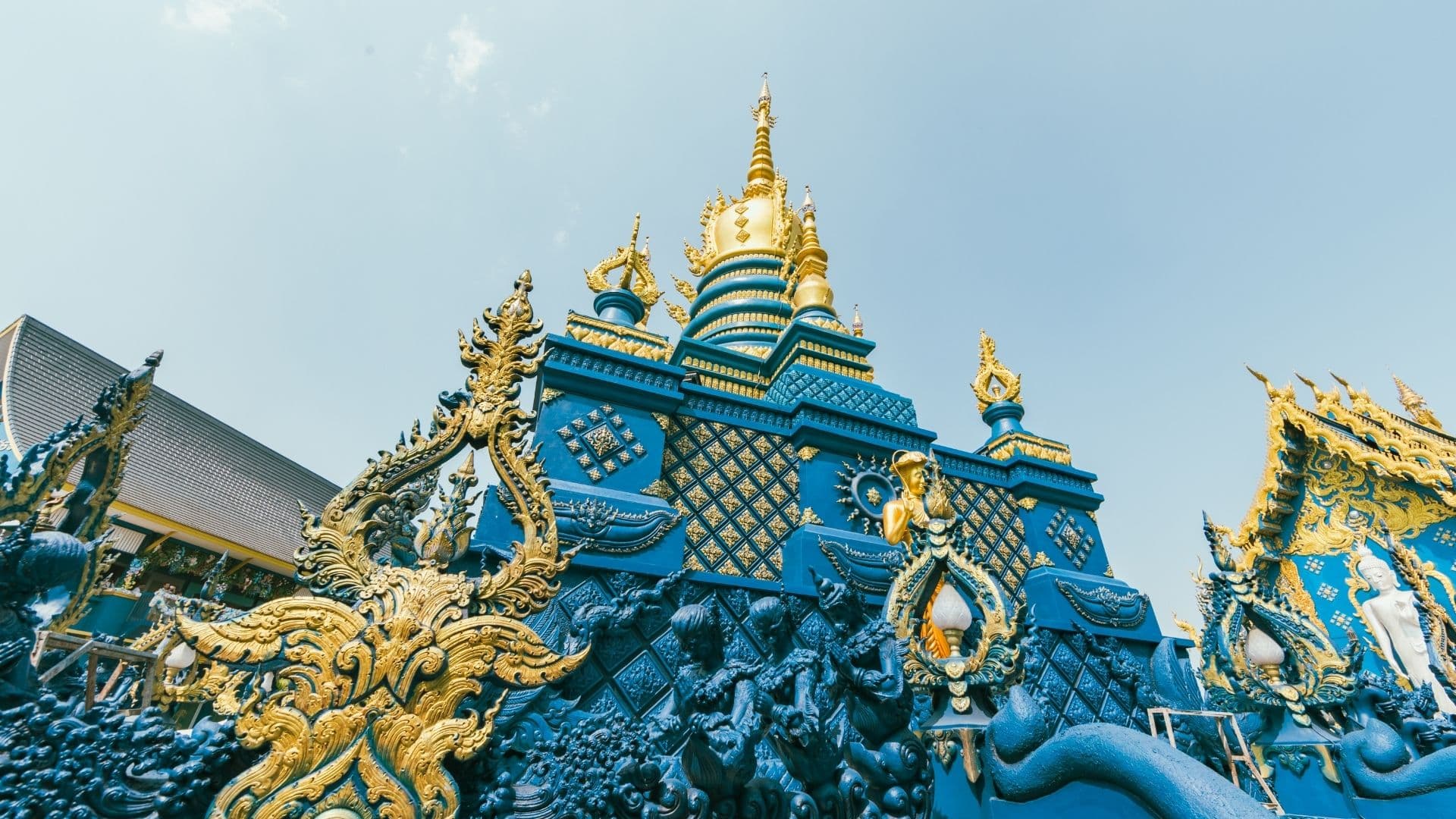
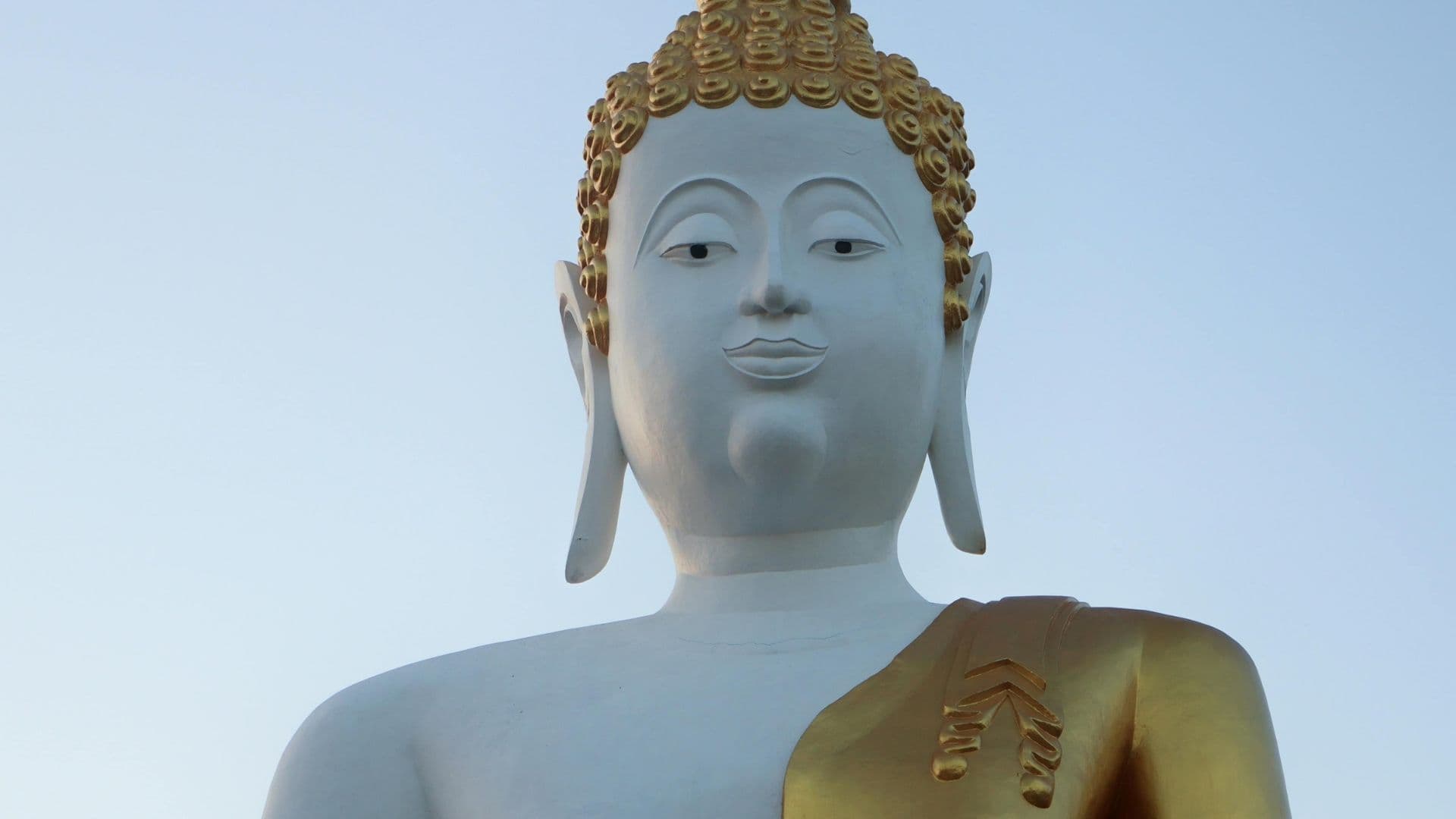
Hike or drive to Doi Suthep, a golden-spired temple perched 1,601m above the city. Entry is ~50 THB. The panoramic views and spiritual atmosphere reward early mornings. Pair with visits to nearby temples and tribal villages in the mountains, or explore the cultural Golden Triangle region where Thailand, Laos, and Myanmar converge.
Old City Walking Tour & Markets
Explore Chiang Mai's heart: narrow lanes lined with 500-year-old temples, local markets bursting with fresh produce and handicrafts, street food stalls, and hidden cafés. Join a guide to decode temple architecture and history, or wander solo to discover family-run shops selling traditional textiles, woodcarvings, and Lanna antiques.
Lanna Cooking Class
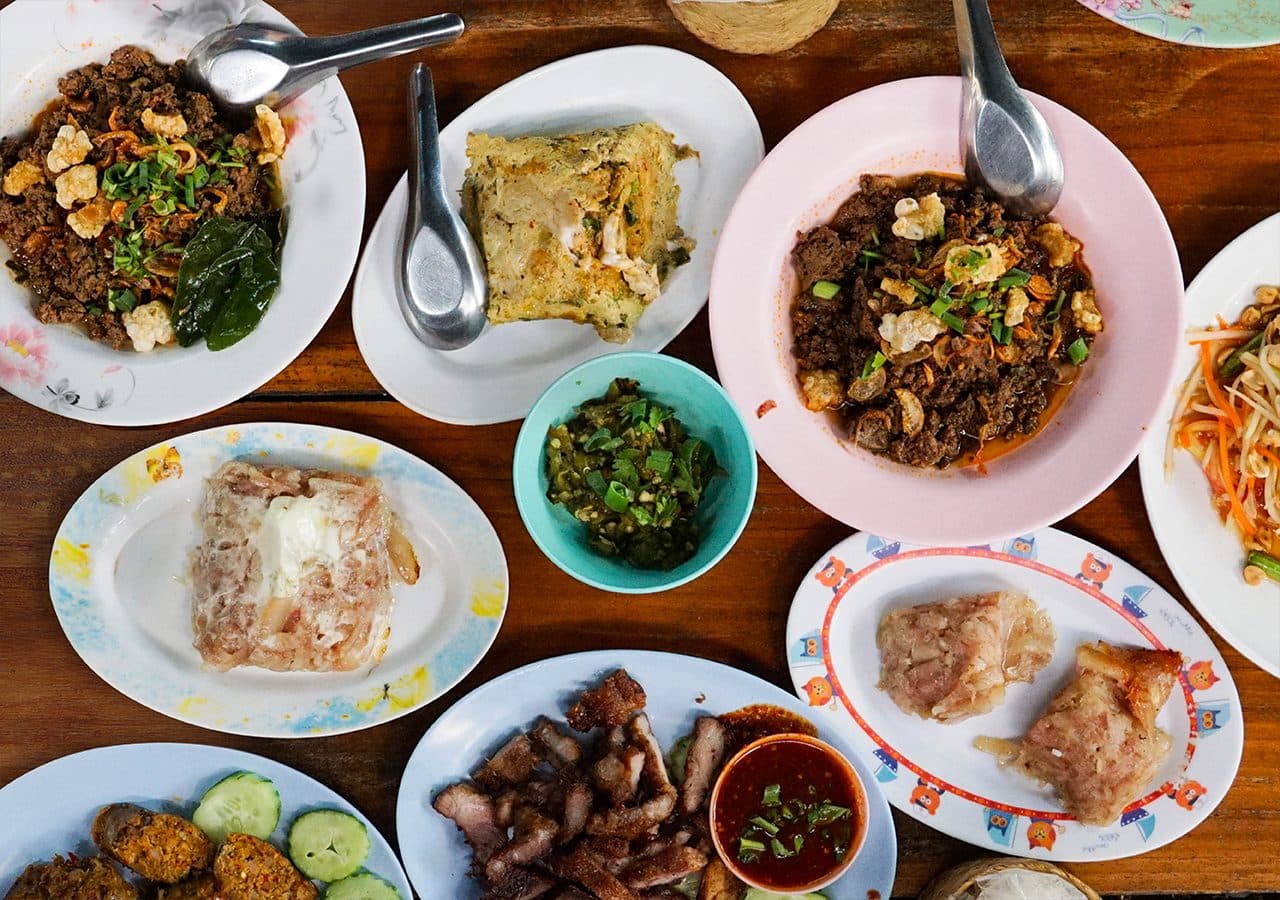
Join a local chef in their kitchen or market-side classroom to learn authentic northern Thai dishes: khao soi (curry noodles), nam prik ong (tomato-chili paste), sticky rice. Visit local markets for fresh herbs, cook using traditional techniques, then enjoy your creations family-style with rice whiskey and stories about Lanna food culture.
Hill Tribe Trekking & Village Visits
Trek through forested mountains to hill tribe villages (Karen, Hmong, Lisu peoples) where artisans weave textiles and grow tea and coffee. Stay overnight in homestays, learn daily routines, taste home-cooked meals, and purchase crafts directly from makers. Ethical trekking prioritizes community benefit over tourist spectacle.
Chiang Mai International Airport (CNX) receives direct flights from Bangkok (1.5 hrs), Phuket, and Chiang Rai. Alternatively, overnight trains from Bangkok's Hualamphong Station (10–12 hrs) offer an atmospheric journey through Thai countryside. Buses link Chiang Mai to most northern cities. Once in the city, songthaews (shared red taxis), tuk-tuks, scooter rentals, and guided tours provide local transport. Many travellers base themselves in Chiang Mai for 5–10 days to justify the journey and experience the pace of Lanna life.
The Old City (Nimmanhaemin Road area) clusters temples, markets, and budget to mid-range guesthouses within walking distance. Nimman neighborhood (west side) appeals to younger travelers: hip cafés, coworking spaces, and boutique hotels. The Riverside area along the Ping River offers quieter, mid-range options and local dining. High-season (Nov–Feb) books early; low-season rates drop 30–50%. Luxury hotels and resort spas cater to all budgets, but Chiang Mai's charm lies in family-run hostels and boutique guesthouses where staff share insider tips.
To plan your trip
Yee Peng Loy Krathong Chiang Mai: Sky vs Water Lanterns
Yee Peng and Loy Krathong in Chiang Mai explained: sky lanterns vs water lanterns, what is free, what is ticketed, how to release lanterns respectfully, and why dates change.
ReadChiang Mai Cooking Class: Thai or Northern Lanna, Which to Pick
Honest guide to a Chiang Mai cooking class: what the day looks like, classic Thai vs Northern Lanna dishes, the market visit, vegetarian options and who each class suits best.
ReadChiang Mai Night Market & Walking Street: Which to Pick
An honest breakdown of Chiang Mai's night scenes: the nightly bazaar, the Saturday and Sunday walking streets, and the local food lanes. Pick the right one for your evening.
ReadChiang Mai 3 Day Itinerary: Two Honest Plans
Two realistic 3-day Chiang Mai itineraries by a team that also books the tours: one slow and cultural, one active in nature, with honest pacing and what to skip.
ReadDoi Inthanon National Park: Chiang Mai's Highest Peak
Honest guide to Doi Inthanon national park near Chiang Mai: summit, royal pagodas, Kew Mae Pan ridge, waterfalls, Karen villages, weather and how to visit.
ReadThings to do in Chiang Mai: what to do alone, what to book
Our curated list of things to do in Chiang Mai: what you can easily do alone, what is better with a guide, plus honest advice on haze season and the temple dress code.
Read