
Why ethics matters here
In Thailand, hundreds of "elephant camps" offer elephant rides, painting or football shows. Behind the marketing, these practices almost always involve brutal training during childhood (a practice called phajaan, literally "breaking the spirit").
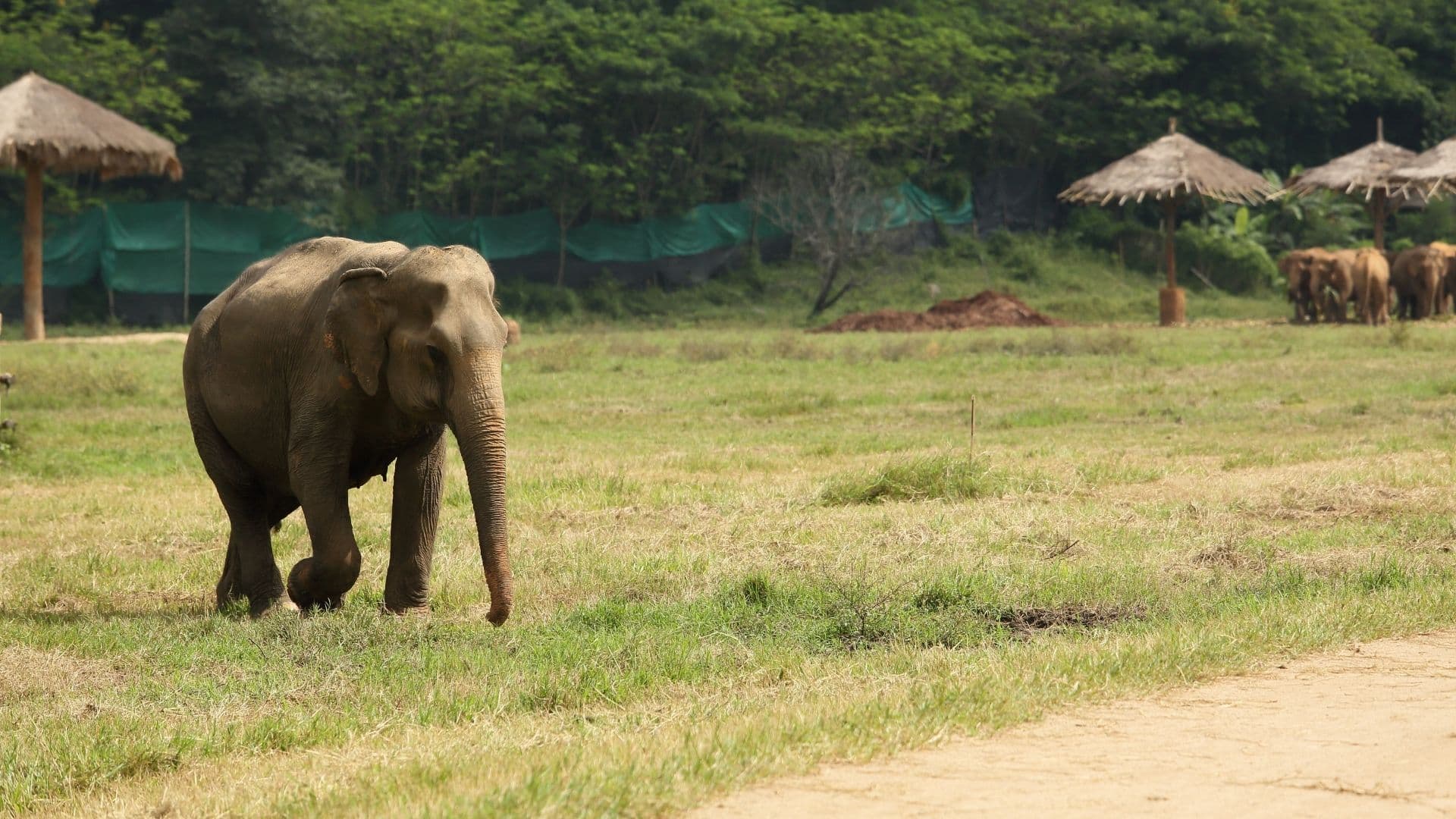
Our partner sanctuary is part of a small group of Elephant Nature Park-labelled refuges, where elephants retired from the industry can live out the rest of their lives without constraint. We only offer what an elephant would naturally accept: feeding, observing, accompanying them in the water.
What really awaits you
Forget the Instagram reels of people riding an elephant at sunset. The day is slower, more natural, more respectful. You spend a lot of time observing (elephants communicate with each other, scratch against trees, eat 200 kg of vegetation per day). You take part in their routines (meals, mud bath, river). You listen to the mahouts, many of whom are former handlers who have retrained.
What to bring
- Clothes that can get dirty (tunic provided but underclothes on you)
- Swimsuit (under the tunic for the river)
- Towel
- Closed shoes or sport sandals
- Mosquito repellent
- THB cash for tips and village crafts
Our tip: avoid the smoky seasons (February–April, agricultural burning in northern Thailand). November, December, January are the best months, clear skies, ideal temperature.
Detailed programme
8h00
Hotel pick-up
Drive to the northern hills (1h30 scenic route).
9h45
Arrival at the sanctuary
Briefing, traditional tunic fitting, herd introduction.
10h30
Elephant meal preparation
You cut bananas, sugarcane, fruits. Learning the portions.
11h15
Meal and observation
You hand-feed the elephants and watch them interact.
12h30
Human lunch
Lunch on the terrace, chat with the mahouts.
14h00
Mud bath
You help the elephants roll in the mud (natural sunscreen).
15h00
River bathing
Cleaning in the river, the highlight of the day.
16h00
Closing tea
Traditional Lanna drink, souvenir photos, goodbye to the herd.
17h00
Return to Chiang Mai
Hotel drop-off.
Included / Not included
Included
- Chiang Mai Hotel Pick-up (Downtown, Nimman, Old City)
- Local English-speaking guide (French-speaking optional)
- Donation to the sanctuary (included in the price)
- Protective outfit (mahout tunic)
- Organic-vegetarian lunch (rice, curry, fruit)
- Water, coffee, tea all day
- Activity insurance
Not included
- Mahout tips (recommended 100-200 THB)
- Alcoholic drinks
- Handcrafted souvenirs from the village
Before you go
Good to know
Prone to seasickness?
Take a tablet ~30 min before departure, sit mid-boat, keep your eyes on the horizon and avoid heading out on an empty stomach.
Beat the crowds
Iconic spots like Maya Bay are far calmer early in the day. Our morning departures get you there before the midday ferry rush.
National park fees
Some sites sit inside a national park, so an entrance fee may apply. Check the “Not included” list above so there are no surprises.
Sun & reef care
The tropical sun is strong, bring a hat, sunglasses and plenty of water. Reef-safe sunscreen is required in Thai marine parks.
What to pack
Swimwear under your clothes, a towel, a dry bag for your phone, and a change of clothes for the trip back.