







February sits on a hinge in Chiang Mai. The cool, dry season is still holding, the days are bright and the mornings are fresh. But it is also the month when the burning season usually begins in the north, and the air can start to change.

Our team lives on Koh Phi Phi, not in Chiang Mai. We plan trips there for our guests and work with local guides we book directly. This is our honest read on February: what is great, what can go wrong, and how to build a plan that still works if the sky turns grey.
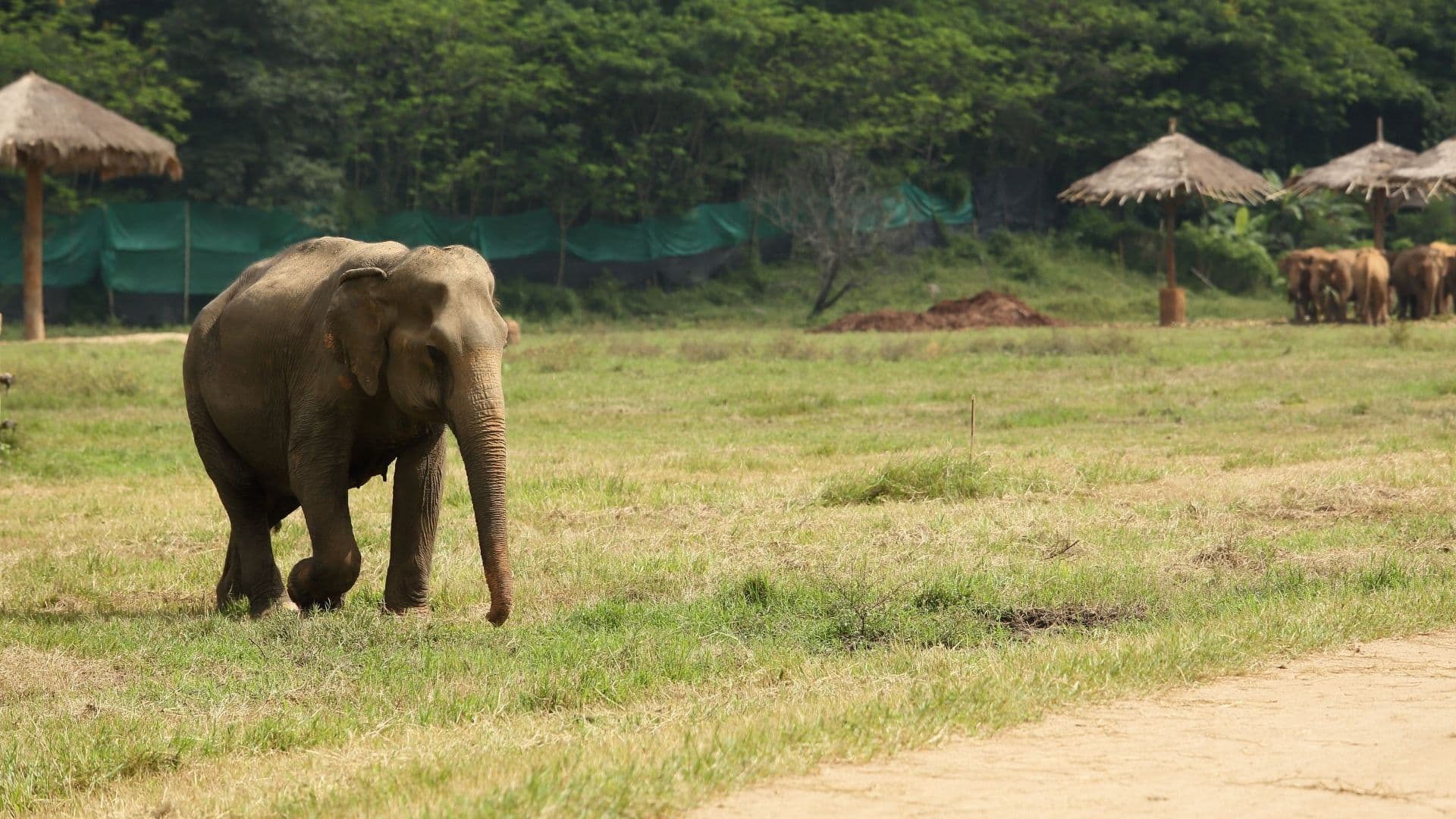
Is February a good time for Chiang Mai? Our short answer
Yes, for most travellers. February is dry and generally pleasant. You get warm afternoons, cool mornings and very little rain to plan around.
The honest caveat is haze. Agricultural burning in the north runs roughly from February to April. It tends to build progressively, so the start of February is usually clearer than the end.

If your dates are flexible, aim for the first half of the month. If you are locked into late February, come anyway, but plan more city and indoor days and treat mountain views as a bonus, not a promise.
What the weather feels like in February
February is the tail end of the cool season. Mornings can feel properly fresh, especially before sunrise and up in the mountains. Afternoons warm up and feel like summer.
Pack a warm layer. You will want it for early starts, for the drive up Doi Suthep and for anything on Doi Inthanon, the highest mountain in Thailand.
The real heat comes later: March to May is the hot season. So February is a gentle middle ground. If you want the coolest, clearest version of the cool season, read our Chiang Mai in January guide before you choose.
The haze: what it is and why February is a turning point
Every year, farmers across northern Thailand and neighbouring areas burn fields and undergrowth. Smoke drifts into the valley where Chiang Mai sits, and the air can become hazy and smoky.
It does not switch on overnight. In a typical year it creeps in. Some days look almost clear, others feel milky, and the mountains around the city fade from view.
We will not give you a forecast or a number, because it changes every year and every day. What we can say: the risk is real from February, it is generally lower early in the month, and you should check it rather than assume it.
Who should think twice about late February
Haze matters more for some people than others. Be careful if any of these apply to you:
- You have asthma, a heart condition or another breathing problem.
- You are travelling with babies, young children or elderly relatives.
- Your whole trip is built around trekking, mountain biking or big viewpoints.
- You are pregnant and want to limit exposure.
For these travellers, early February or January is the safer bet. If late February is your only option, talk to your doctor before you go, and keep the itinerary light on outdoor effort.

How to check air quality, and when
Make it a morning habit. Before you leave for any outdoor trip, open a reputable air quality app or website and look at the reading for Chiang Mai.
Check again the evening before a big nature day. That is the moment to decide whether to keep the plan or swap it for something closer to town.
A few simple rules we give our guests:
- Look out the window too. If you cannot see the mountain behind the city, the views will not be worth the drive.
- On bad days, cut back on hard exercise outdoors.
- If you are sensitive, bring well-fitting masks from home rather than relying on finding the right kind once you arrive.
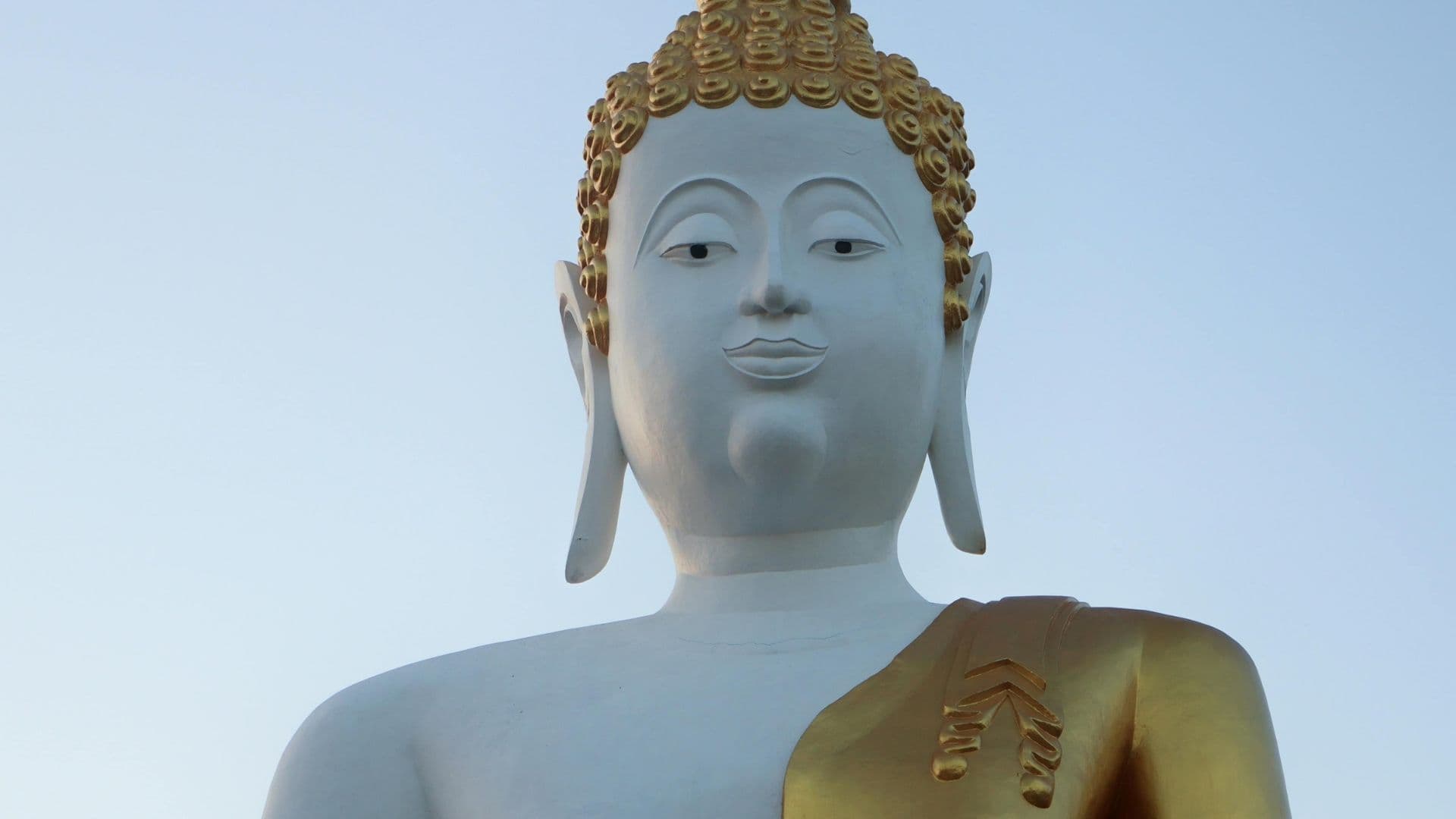
Haze-friendlier things to do
The good news: Chiang Mai has plenty to do that does not depend on a clear horizon.
- Temples in the Old City. The Old City is a square inside a moat and the remains of its walls, full of temples. Our Old City temples tour combines temples with a museum, so part of the day is indoors.
- Cooking classes. Chopping, pounding and eating, mostly under a roof. Choose between the Northern Thai cooking class and the classic Thai cooking class, depending on whether you want regional dishes or the well-known classics.
- Gentle kayaking. Paddling is calm, gentle effort. The Ping River kayak and the Sri Lanna lake kayak are good easy picks. You are still outside, so check the air first.
Markets, cafés and evening walks fill the gaps nicely. Our things to do in Chiang Mai list has more ideas, sorted by what you can do alone and what is worth booking.
Nature days: keep them flexible
Doi Inthanon, Doi Suthep, hikes and bike rides are the activities haze affects most. Views are the first thing it steals, and breathing hard on a smoky day is not fun.
Our advice is simple. Put your mountain or trekking day early in your trip, not on your last morning. That way, if the air is poor, you still have days left to move it.
Because our Chiang Mai tours can be booked online until 18:00 Bangkok time the day before, you do not need to lock everything in weeks ahead. Check the air in the evening, then book. For the full picture on the big mountain, see our Doi Inthanon guide.
A sample February plan that survives a hazy day
Here is how we would shape a short stay:
- Day one: settle in, walk the Old City, evening market.
- Day two: your nature day, if the air looks good. If not, swap it for a cooking class.
- Day three: temples with a guide, then a slow afternoon.
- Day four: kayak, or the nature day you postponed.
The trick is that every outdoor day has an indoor twin you can swap in.
Our verdict
February is a good month for Chiang Mai, with an asterisk. Early February is usually a lovely, dry, comfortable time to visit. Late February can be just as good, or noticeably hazy, depending on the year and the day.
Come with a warm layer, a flexible plan and the habit of checking the air each morning. Do that, and February works for most people.
If clean mountain air is the whole point of your trip, or you have breathing issues, go earlier in the season instead.