

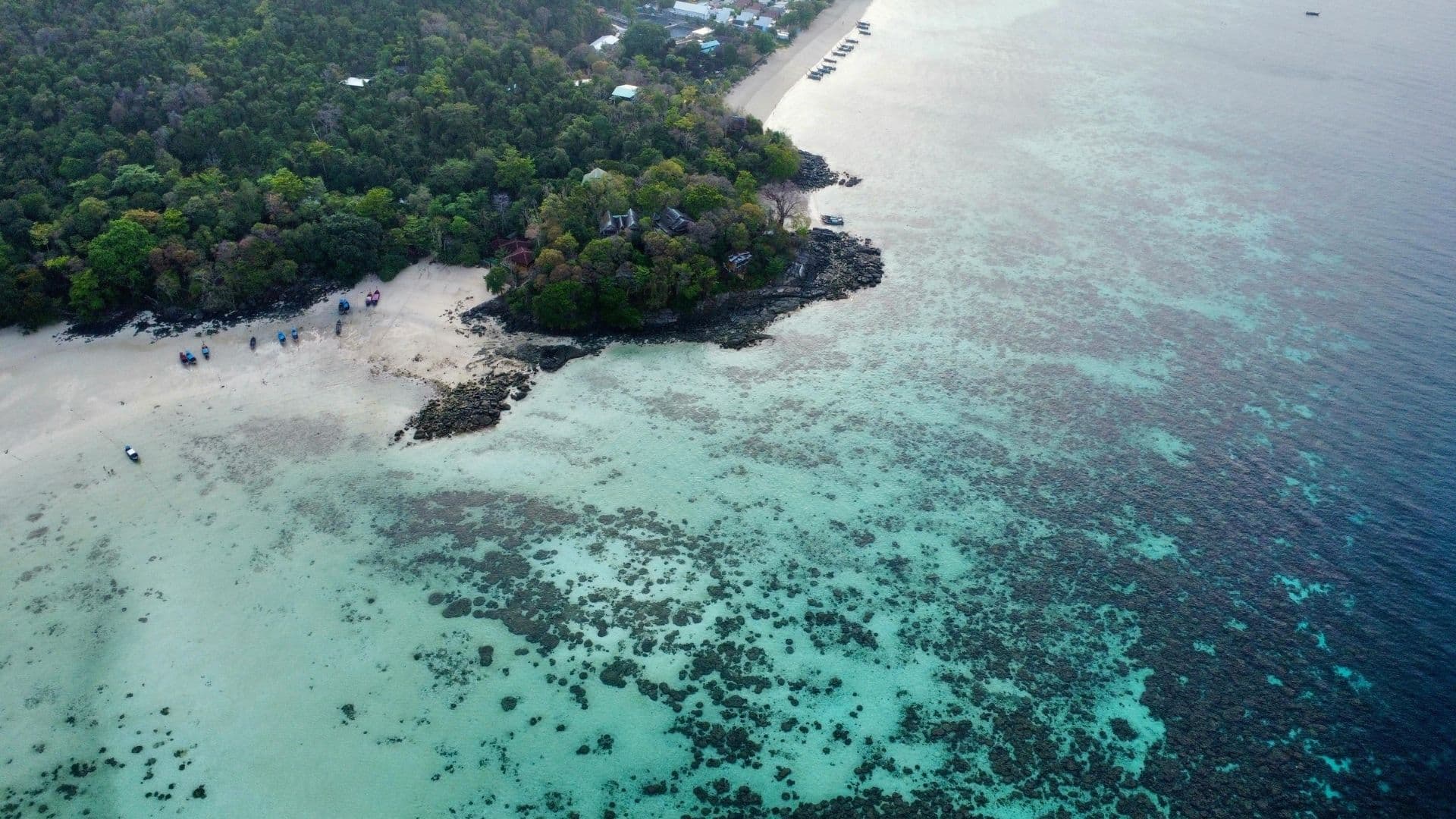

Most lists of Phuket beaches give you a long string of names and no opinion. That doesn't help when you are standing in your hotel lobby deciding where to spend the day. So here is the shortlist we actually give our guests: ranked, grouped by coast, and honest about who each beach is not for.

Our team lives on Koh Phi Phi, not Phuket. We plan Phuket trips and work with local guides we book directly, so we hear what works and what disappoints. Phuket is Thailand's largest island, and the beach you pick shapes your whole day. Choose your coast first, then your beach.
The best beaches in Phuket, our honest ranking
If you only have a few beach days, this is our order for a typical first trip, best first:
- Kata: the best all-rounder. Soft sand, gentle swimming in high season, a lively village behind it that never gets wild.
- Nai Harn: the prettiest bay in the south. A calmer crowd, a slow pace and a good sunset.
- Karon: long, wide and less crowded than it looks. Great for walking. Less great for small kids when the waves pick up.
- Bang Tao and Surin: the north-west, for space and a quieter, more polished feel.
- Nai Yang and Mai Khao: the wild, empty end near the airport. Beautiful, with very little going on.
- Patong: last for a beach day, first for nightlife.
The east coast is missing on purpose. It has its charm, but it is not a swimming coast. We explain why below.


Pick your coast first: how Phuket is laid out
Almost all the good swimming beaches sit on the west coast, facing the Andaman Sea and the sunset. That same coast takes the full force of the monsoon swell. Keep both facts in mind.
The central west (Patong, Karon, Kata) is busy and easy, with plenty of food and shops. The south (Nai Harn, Rawai) feels more residential and relaxed. The north (Bang Tao, Surin, Nai Yang, Mai Khao) is the quieter side near the airport, with long beaches and fewer people.
The east coast faces Phang Nga Bay. The water is calmer but shallow and often muddy, and it is where many island boats leave from. For a full plan by base, see our Phuket 3 day itinerary.
Patong, Kata and Karon: the central west coast
Patong is the busiest beach and the nightlife centre of Phuket. The sand is crowded, the water is busy with jet skis and the evenings belong to Bangla Road. Come for the party. If you want a peaceful swim, Patong is not for you.
Karon is a long, open beach just south. It feels spacious even in high season. The sand squeaks underfoot and sunsets are wide. The shore drops off more than at Kata, and the surf can be strong. Parents of small children should watch the flags closely here.
Kata is our favourite all-rounder. The bay is sheltered enough for easy swimming from roughly November to April, there is shade at the ends, and the village has good food without the chaos of Patong. Kata Noi, its smaller neighbour over the headland, is quieter still and lovely for couples.
A hidden option: Freedom Beach, a small cove south of Patong reached by long-tail or by a steep path. Pretty and quiet, but not easy with kids or anyone unsteady on their feet.

The south: Nai Harn, Rawai and the small coves
Nai Harn is the bay we send people to when they say they want the real postcard. Green hills, a lake behind the beach and a relaxed, mostly local and long-stay crowd. Swimming is lovely in high season. In the monsoon it can be one of the roughest beaches on the island.
Ya Nui is a small cove near the southern tip, with rocks and a little island offshore. On a calm day it is one of the few spots in Phuket where you can snorkel straight from the beach. Keep expectations modest: you will see fish, not a reef wall.
Rawai is not a swimming beach. It is a boat beach, full of long-tails heading out to nearby islands, with seafood along the road. Go for the atmosphere and the boats, not for a swim.
For sunset, Promthep Cape is the classic viewpoint at the southern tip. It gets very crowded. Our tip: watch the sunset from the sand at Nai Harn instead and skip the car park battle.
The north: Bang Tao, Surin, Nai Yang and Mai Khao
Bang Tao is a very long beach with room for everyone. The southern part is livelier, the northern part quiet. Good for families who want space and long walks. Not for anyone who wants a village buzz right on the sand.
Surin is smaller and more upmarket, with a pretty curve of sand and clear water in high season. It gets a steep shore break when the swell arrives, so it is less ideal for weak swimmers outside the dry months.
Nai Yang sits inside a national park near the airport, with tall trees for shade and a reef offshore. In high season it is one of the calmest, most family-friendly beaches in Phuket. Planes come in low nearby, which kids usually love.
Mai Khao is the wild one: long, empty and beautiful. It is also exposed and drops off quickly. We love it for a walk at sunset. We do not recommend it for swimming with children, and never in the monsoon.

The east coast: quiet, but not for swimming
The east side of Phuket faces Phang Nga Bay and its limestone islands. The views are gorgeous, the water is calmer, and you will find mangroves, fishing villages and the piers where many island boats leave.
The honest catch: the beaches here are shallow, and at low tide the sea pulls far back over mud and rocks. It is not where you go to swim or lie on white sand.
Go east for the boats. Phang Nga Bay trips like our James Bond Island by sea canoe start on this side, and that is the best way to enjoy it.
Monsoon on the west coast: the red flag rule
From May to October the southwest monsoon hits the Andaman coast. Rain usually comes as short squalls, not all-day downpours. The bigger issue is the sea: the west coast beaches get big waves and strong rip currents.
A red flag on the beach means no swimming. Not a short dip, not just to the knees. The rips on beaches like Karon, Kata, Surin, Nai Harn and Mai Khao can pull a strong adult out fast. If you see a red flag, enjoy the sand and stay out of the water.
If you get caught in a current, don't fight it head-on. Stay calm, float, swim parallel to the shore, then come back in. Swim near lifeguard posts where there are any, and never swim alone or after drinking.
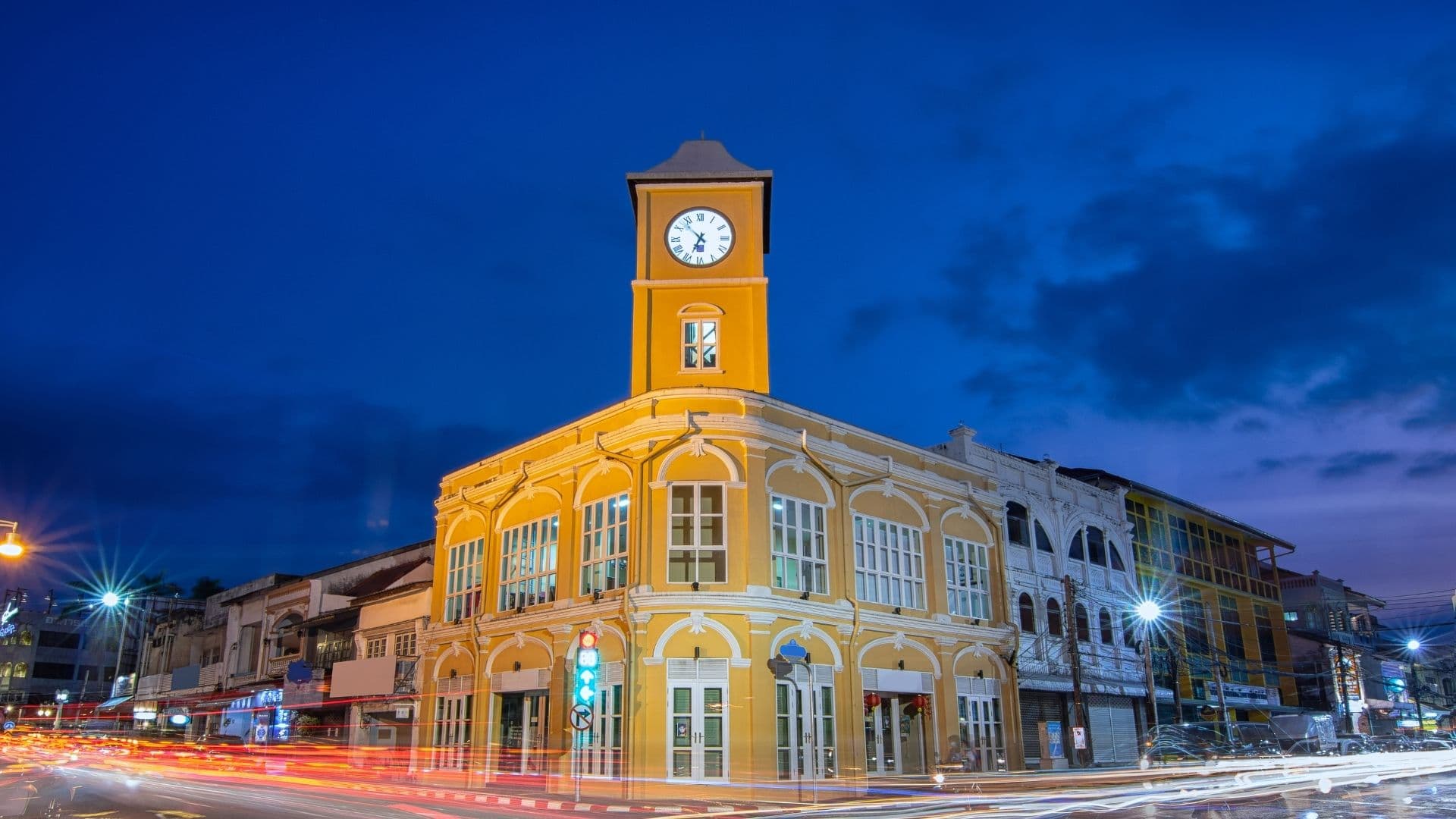
On rough days, switch plans: Old Phuket Town and its Sino-Portuguese shophouses, a market, a cooking class. Boat trips can be cancelled on those days too. Our guide on whether tours get cancelled in the monsoon explains how we handle it.
Best beach by vibe: our quick picks
- Party: Patong, without competition. Stay elsewhere if you want to sleep.
- Families with young kids: Kata and Nai Yang in high season. Kata Noi for a quieter version.
- Couples and slow days: Nai Harn, Kata Noi, Surin.
- Space and long walks: Bang Tao, Karon, Mai Khao.
- Calm snorkel from the beach: Ya Nui on a flat day, and the rocky ends of Kata. Honestly, beach snorkeling in Phuket is modest.
- Sunset: any west coast beach works. Our pick is Nai Harn or Karon over the crowded cape.
If you are travelling with children, also read our notes on calm water and life jackets in Phi Phi for non-swimmers.
When you want clearer water: go offshore
Here is the honest truth from our team, who spend our days on boats around Koh Phi Phi: the clearest water near Phuket is on the islands, not on Phuket.
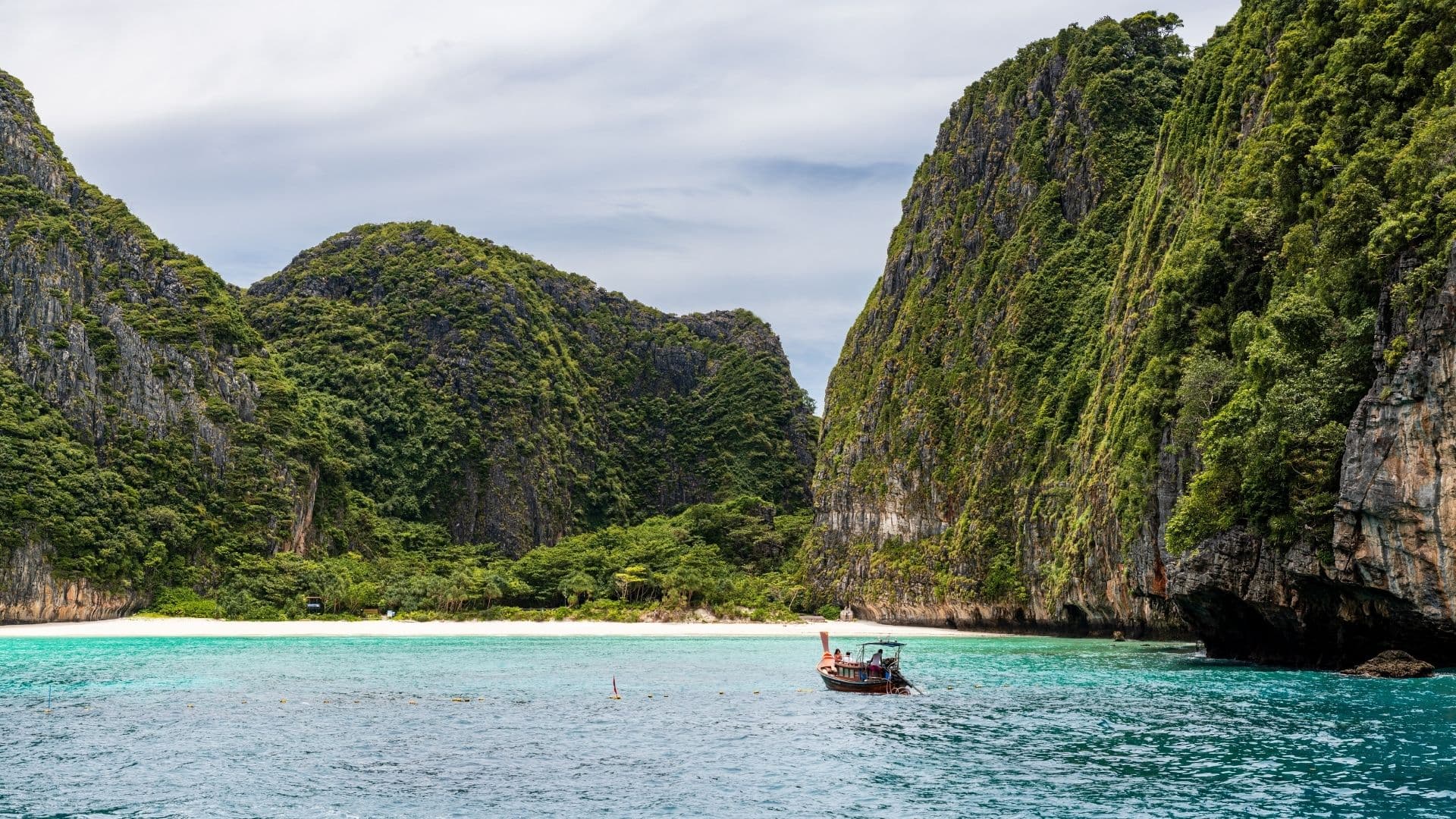
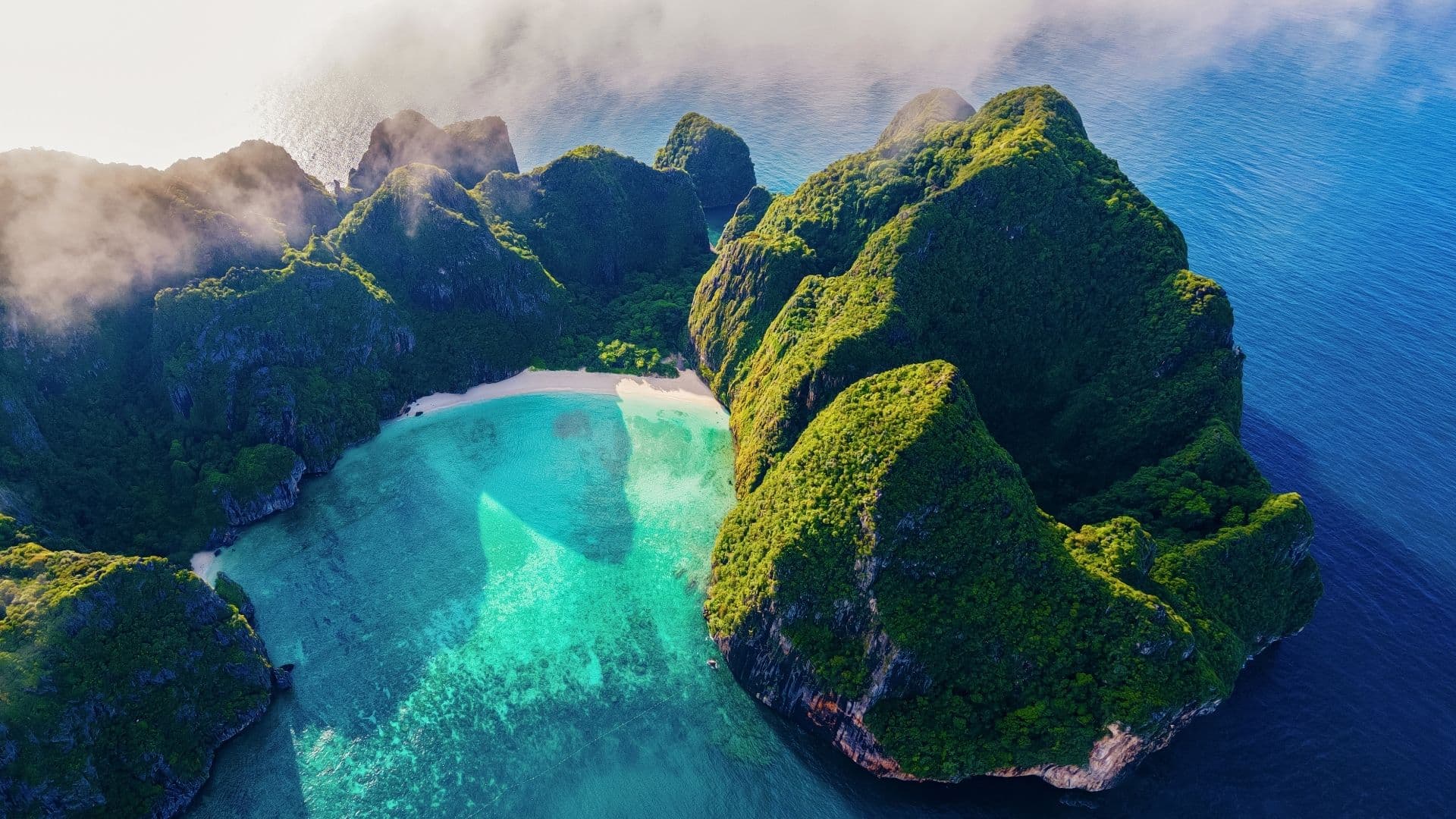
For an easy family day, Coral and Racha islands give you white sand and clear water close to the island. Our Coral Island or Racha comparison helps you choose. For the big postcard, a Phi Phi speedboat day is the classic, and we know those waters well because they are our home.
Plan beach days and boat days together. The calmest sea is from November to April, with February to April the driest. Browse all our Phuket excursions for live prices and details.