Non-swimmers often ask us if a Phi Phi tour is still worth it. It is. Our team lives on the island, and we take non-swimmers out on our boats all the time.
This guide is the honest version. How life jackets work on our boats, how to snorkel with a vest, what Maya Bay allows, which spots feel calmer, and who should think twice before booking.
Can non-swimmers do a Phi Phi tour? Yes, with a few habits
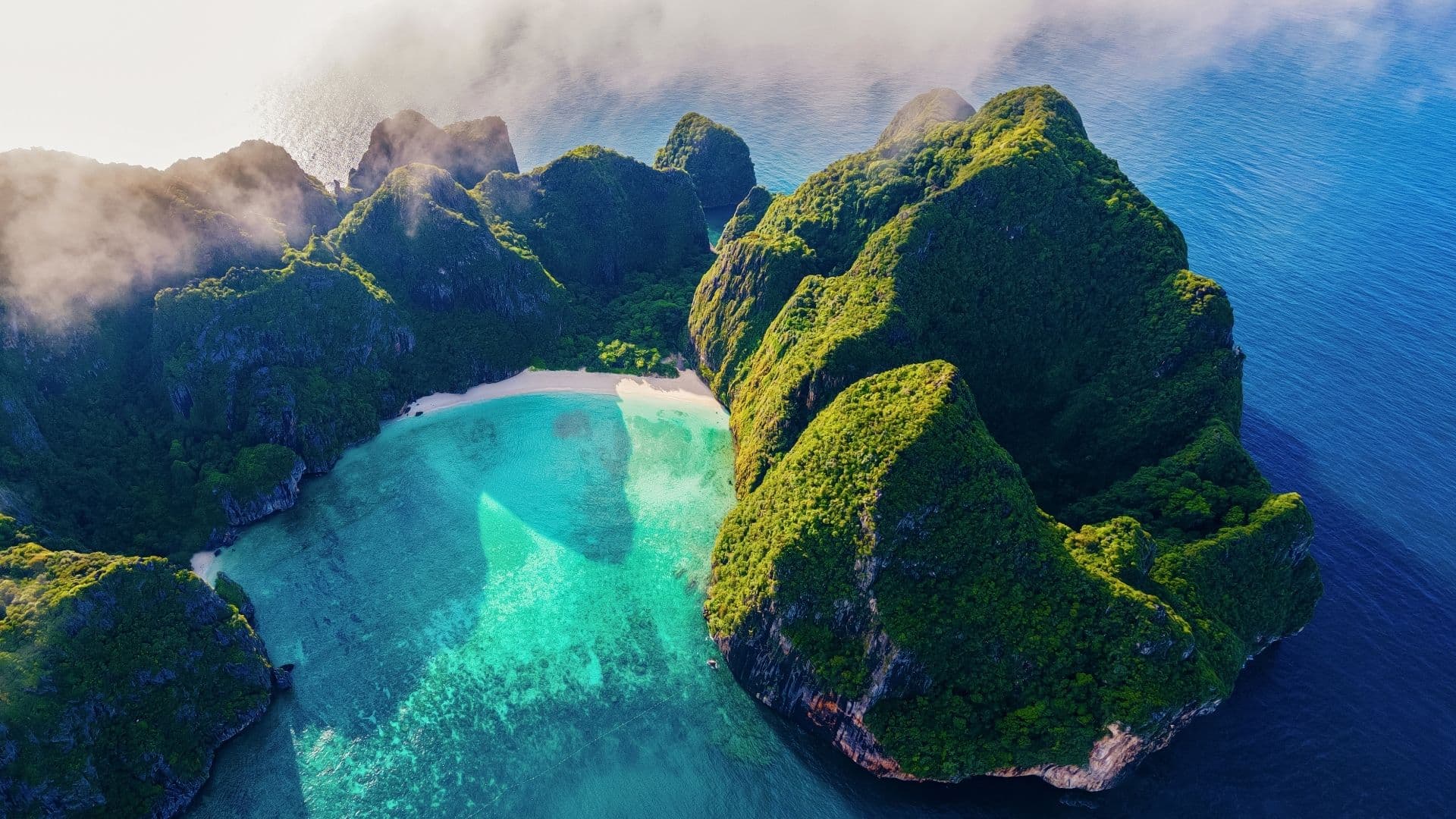
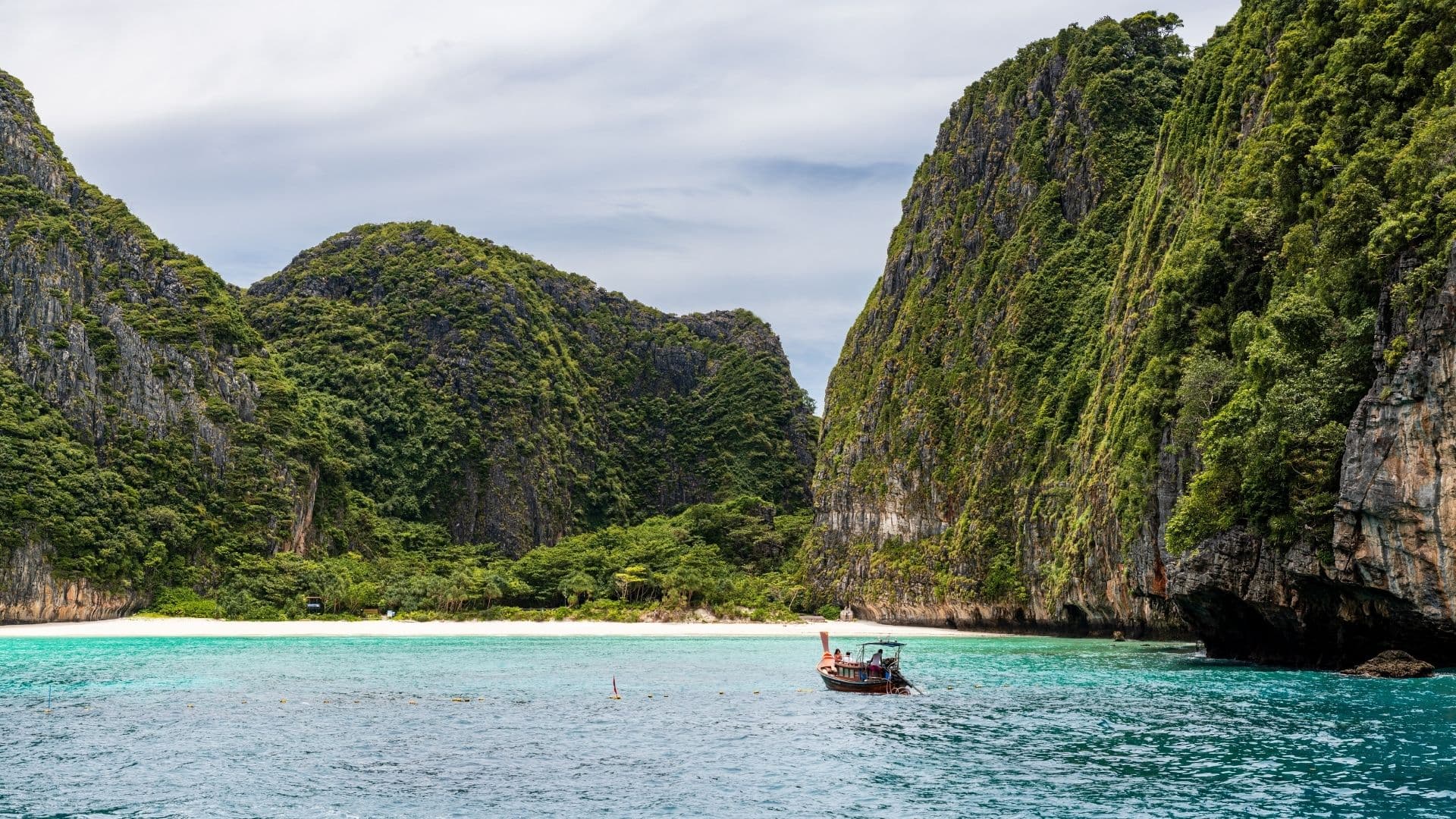
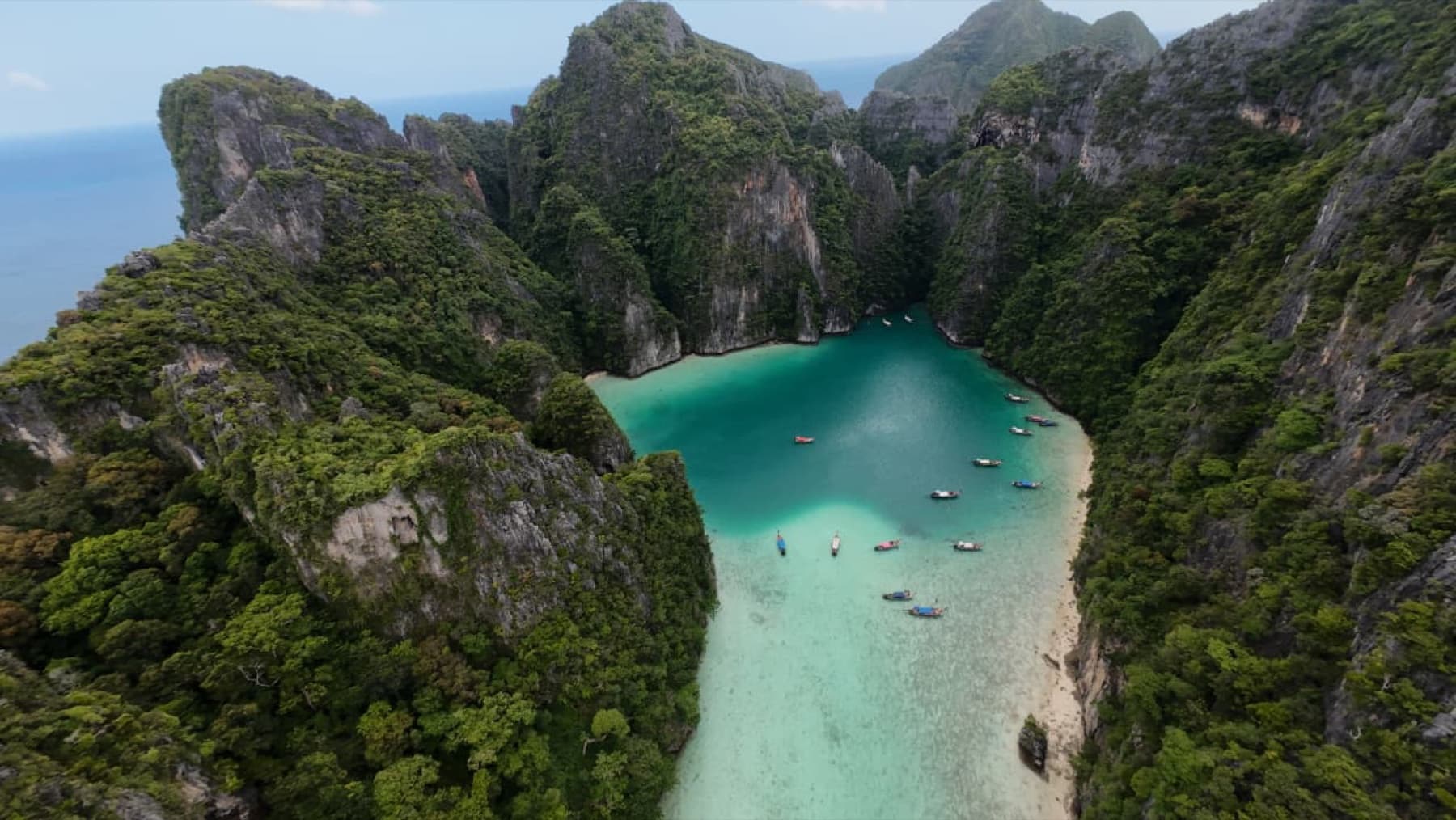
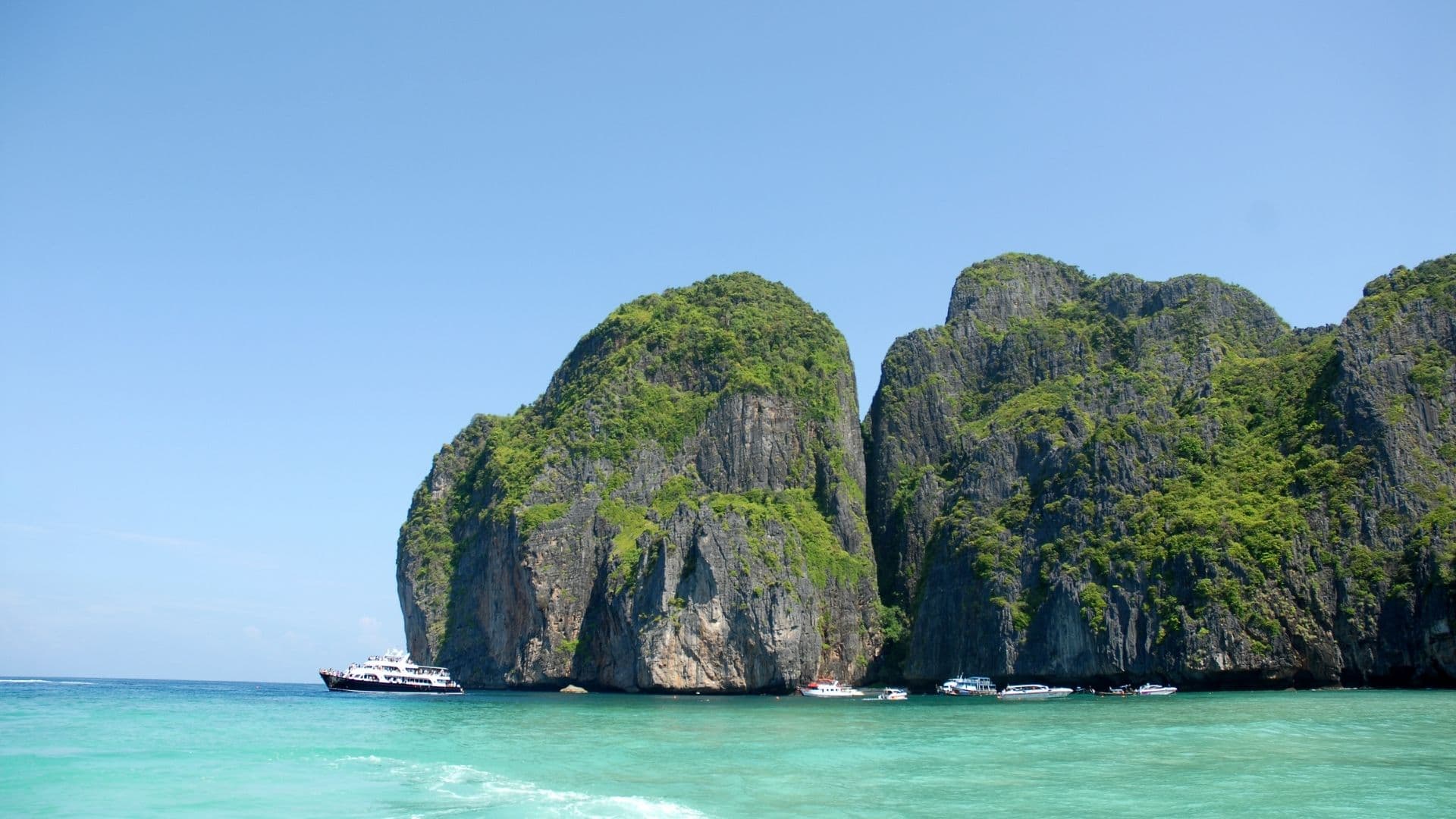
A Phi Phi boat tour is mostly about what you see: limestone cliffs, turquoise water, quiet coves and beaches. You don't need to swim to enjoy any of that.
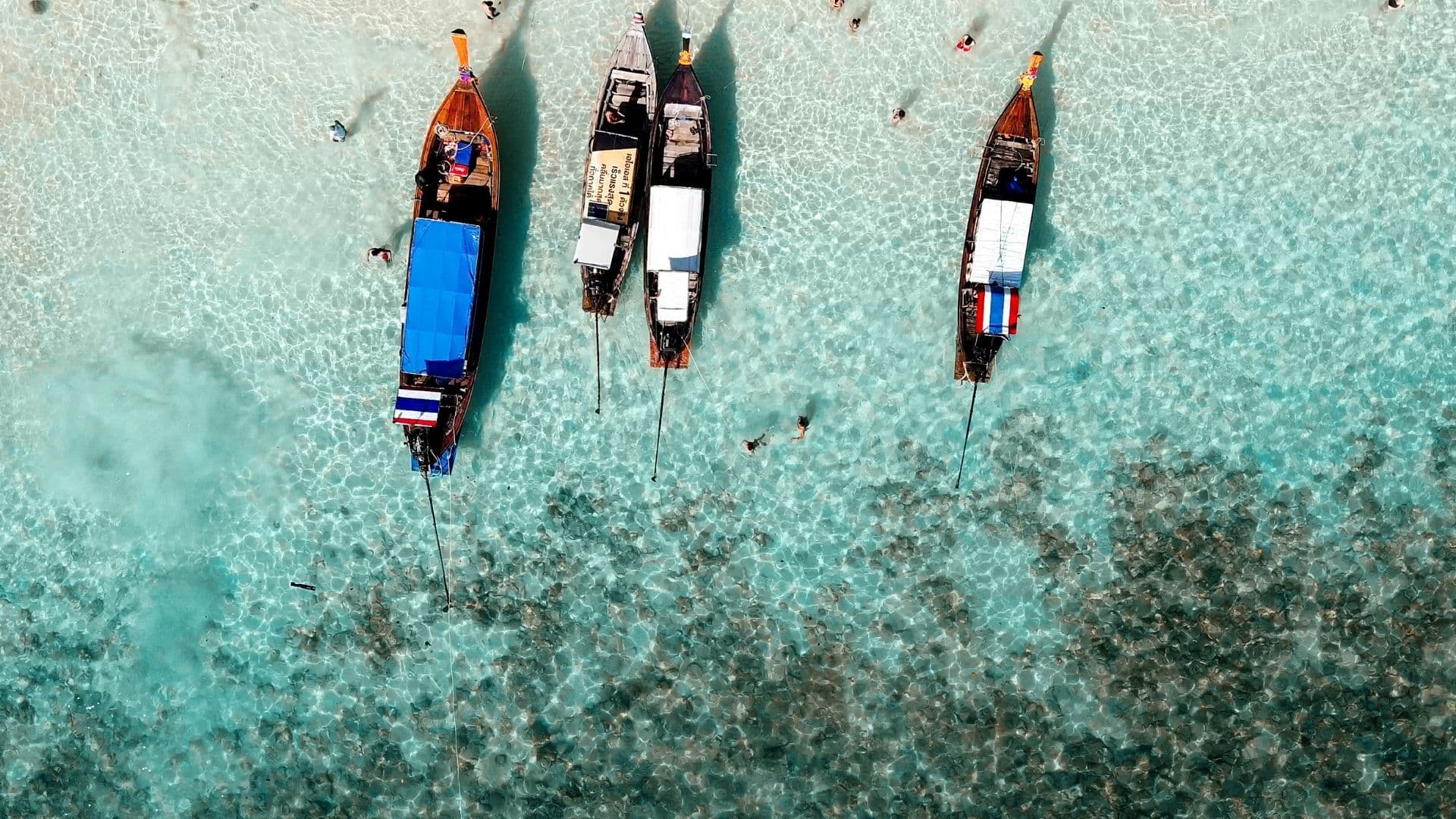
When there is a water stop, you have options. Wear a life jacket and float. Snorkel with a vest close to the boat. Or stay on board and watch. No one on our boats will push you in.
The trick is simple: tell the crew at the start that you can't swim. Then they know to keep an eye on you, and you can relax.
Life jackets on our boats: how to wear one properly
Ask the crew about life jackets before the first water stop, not when everyone is already jumping in, and check the tour page for what each trip provides.
A life jacket only works if it fits. Some tips from our crew:
- Buckle every strap and pull it snug. It should not ride up over your chin when you lift your arms.
- Ask the crew to check the fit. They do this every day.
- In the water, lean back and let the jacket hold you. Fighting it tires you out.
- Keep it on for the whole time you are in the water, even if you feel confident.
If you have a child with you, the same rules apply. Our Koh Phi Phi family guide covers more on travelling with kids.
Snorkeling with a vest: yes, it works
You can snorkel without swimming. Many of our guests do. The vest keeps you floating face down, and you just breathe through the snorkel and look at the fish.
Practise before the tour if you can. A shallow beach is the best place: Loh Dalum gets very shallow at low tide, so you can try the mask while standing. Get used to breathing through your mouth before you are in deeper water.
On the tour, stay near the boat. Keep the ladder in sight and go back as soon as you feel tired or cold. Water on the Andaman coast is 27 to 30 °C all year, so the cold is rarely the problem: tiredness and nerves are.
If you panic, roll onto your back and lift your arm. The crew will come. Our snorkeling guide explains the spots in more detail.

Maya Bay for non-swimmers
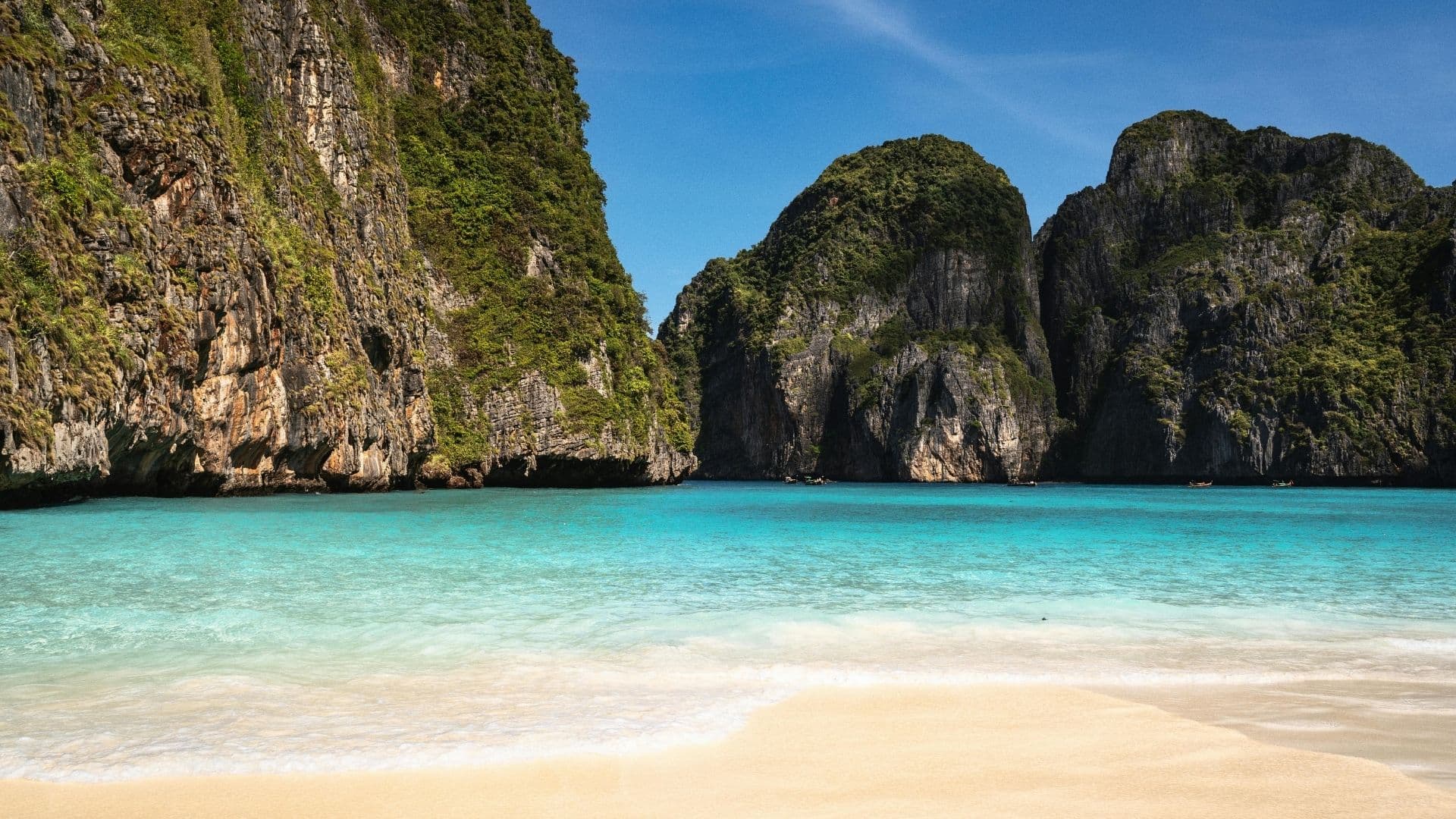
Good news here: Maya Bay is one of the easiest stops for a non-swimmer. Boats do not land on the beach. They dock at Loh Samah Bay on the other side, and you walk in on a boardwalk. No wading, no jumping off the boat.
Swimming is allowed, but only inside a buoyed zone, and without mask or fins. For a non-swimmer this is a gentle setup: you can paddle at the edge, sit in the shallows or just stay on the sand.
Maya Bay is closed every year from 1 August to 30 September for reef recovery and reopens on 1 October. The national park fee is 400 THB per adult and 200 THB per child aged 4 to 11, paid in cash on arrival. Whether it is included depends on the tour, so check the tour page.
If you want fewer people around you, our Morning Maya sunrise trip reaches Maya Bay before the day-tripper boats from Phuket and Krabi arrive.
Calmer places to get in the water
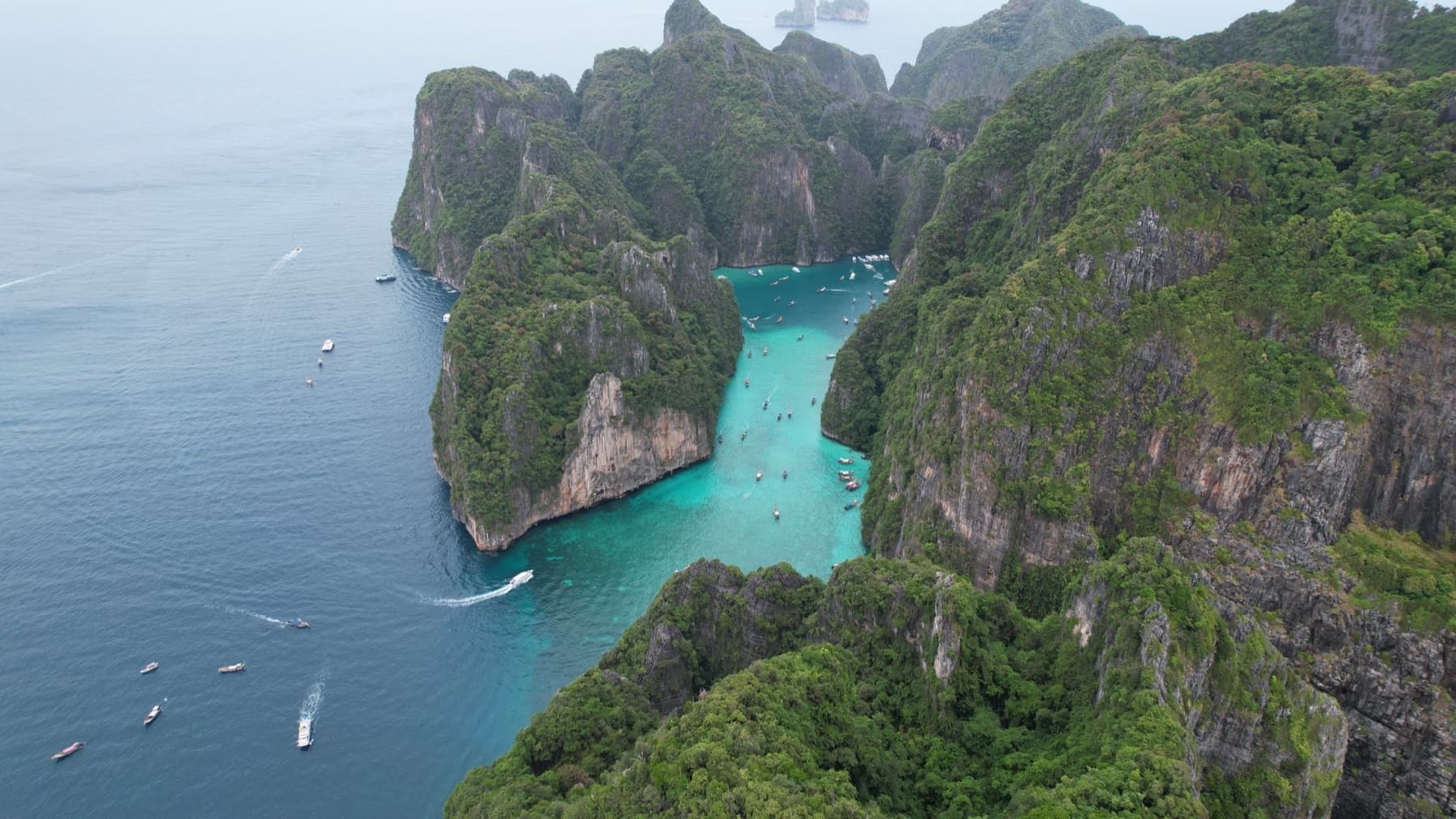
For real snorkeling, the spots are Loh Samah Bay and Pileh Lagoon, not Maya Bay. Pileh Lagoon is surrounded by tall cliffs, which is why it feels so enclosed. It is still open water under the boat, so keep your vest on. Read our Pileh Lagoon guide before you go.
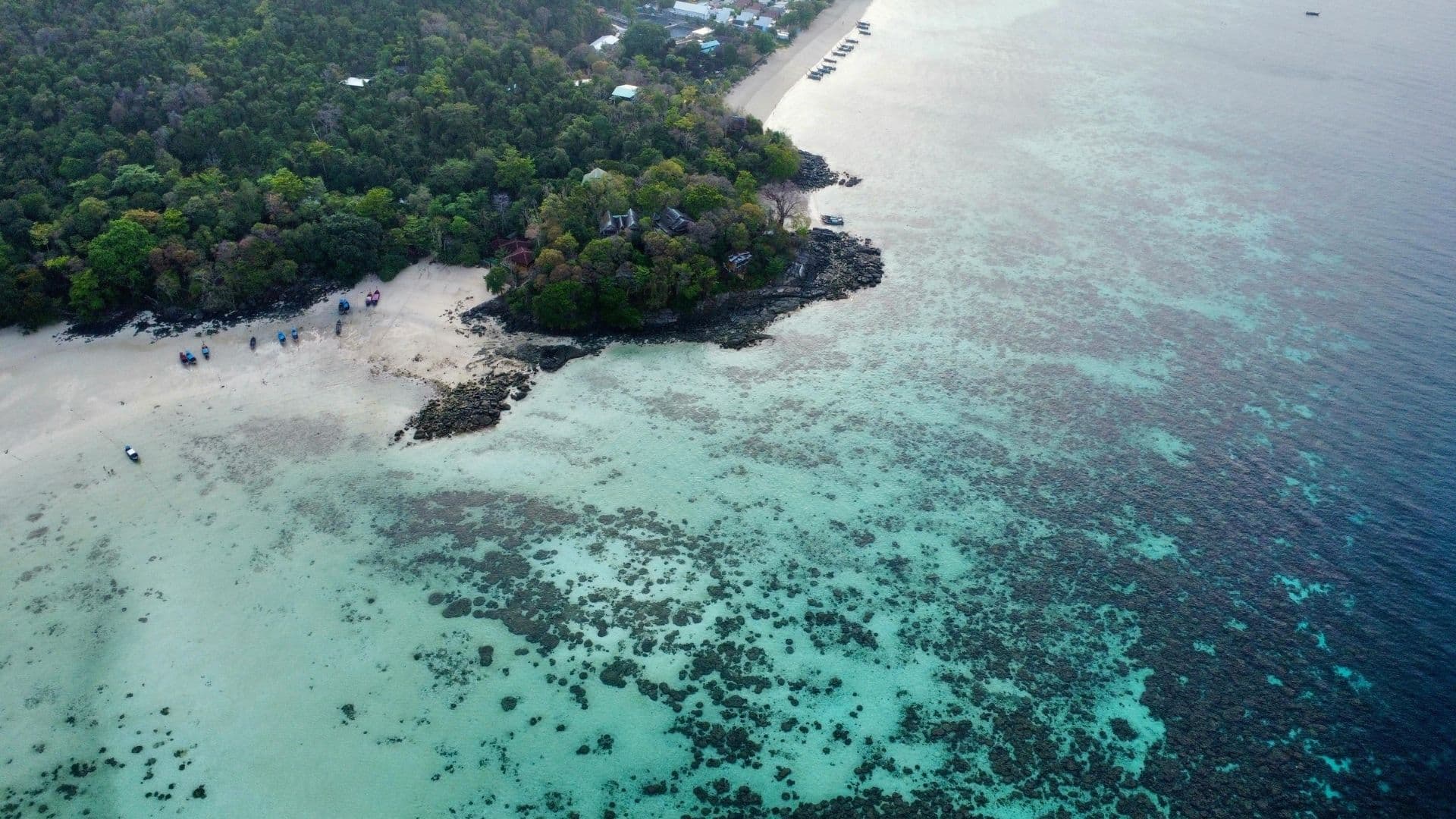
Beach stops are the easiest for non-swimmers. You walk in from the sand at your own pace and stop where you can still stand.
A few honest points:
- Water at a deep-water stop is deep, even if it looks clear and close.
- Conditions change with wind and tide, even on the same day.
- If a spot feels too much, stay on the boat. That is a normal choice, not a failure.
Which tour suits a non-swimmer best
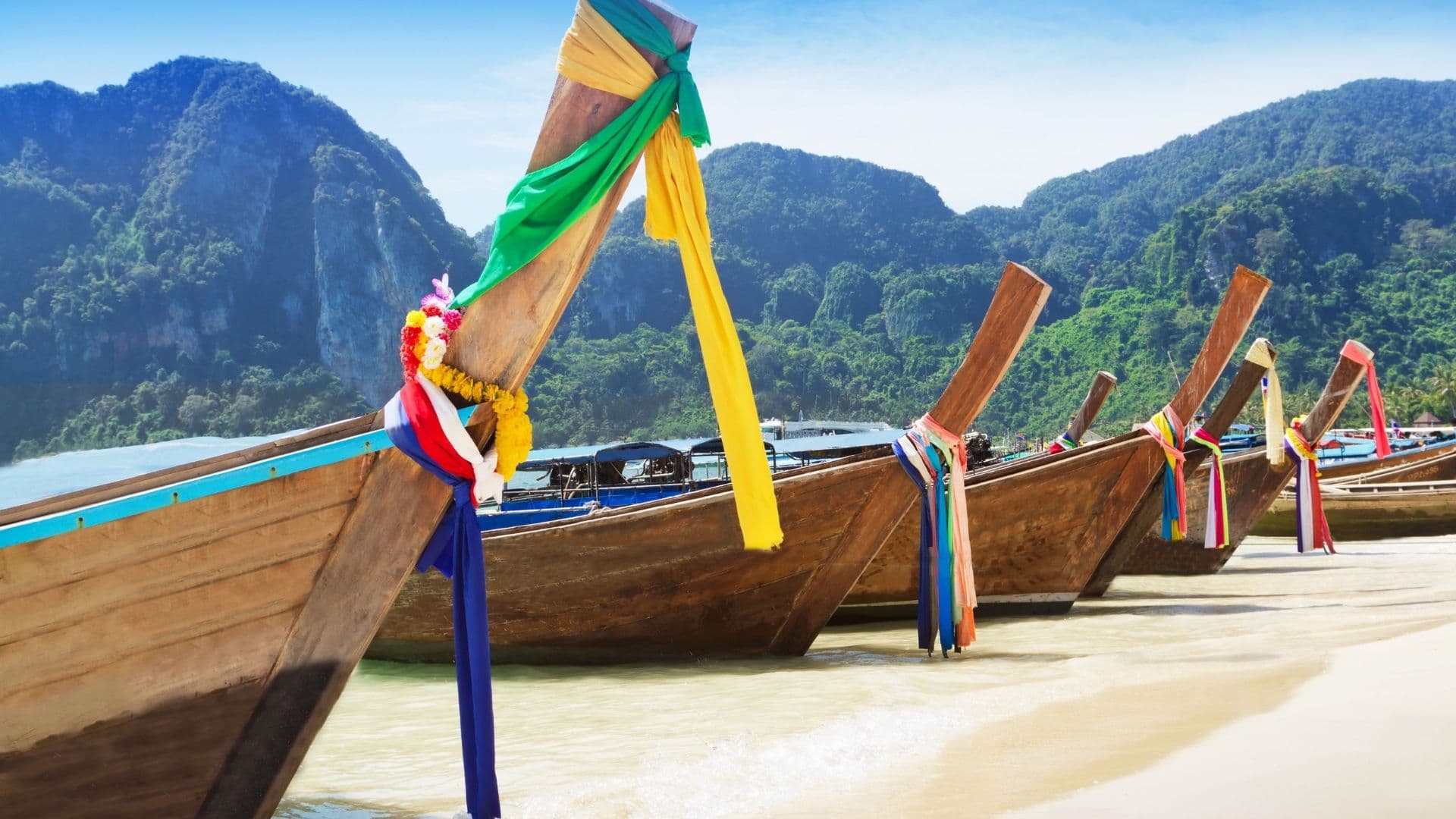
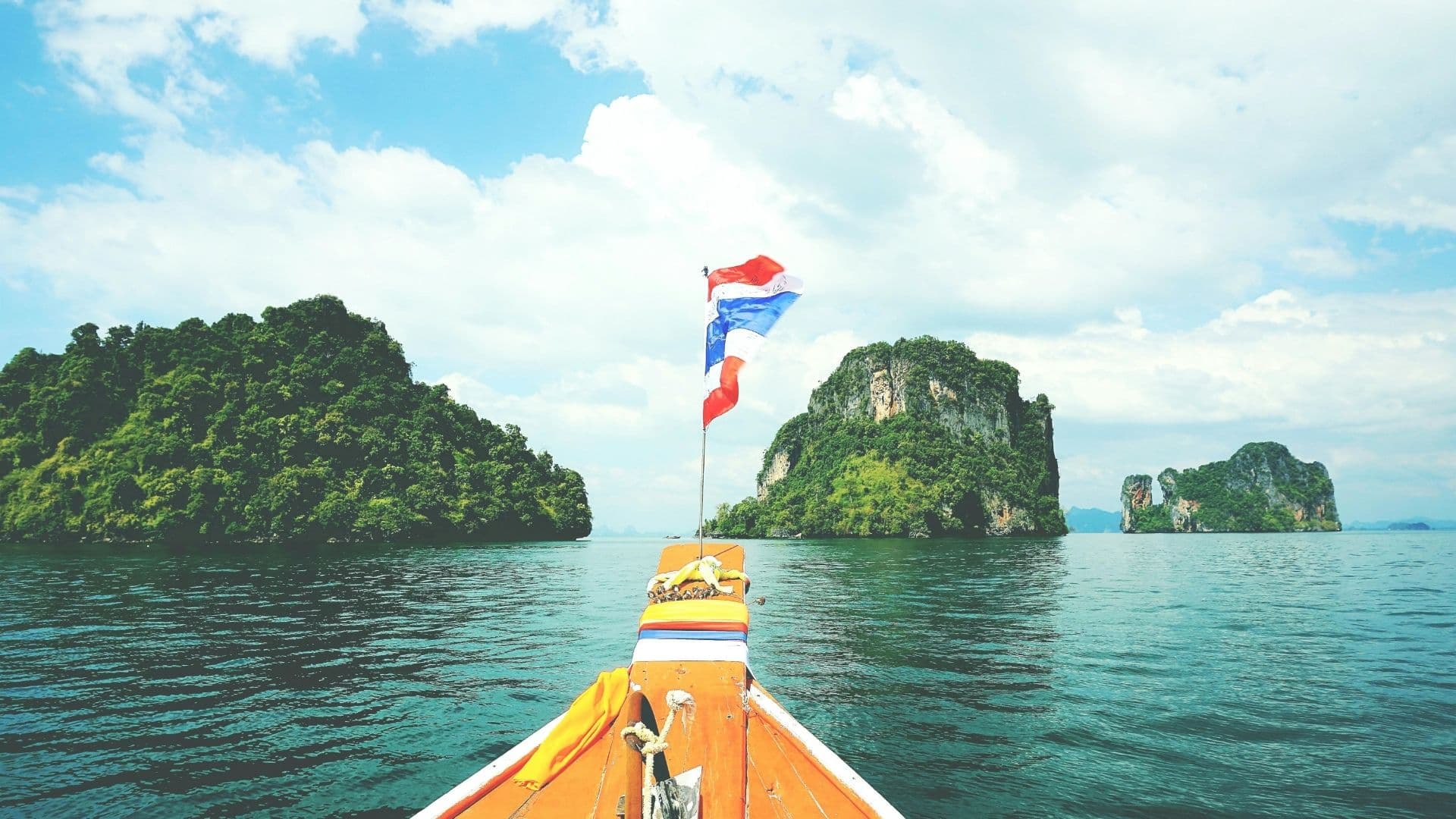
A private boat is the most comfortable choice if you are nervous. On our private long-tail boat, you tell the captain what you want: more beach time, less deep water, a longer stop where you feel good. Nobody waits for you and you wait for no one.
A private speedboat gives you the same freedom with a faster, bumpier ride. Our guide on long-tail or speedboat explains the difference honestly.
On a shared tour like our Magic Day speedboat tour, the stops follow a set plan for the group. It works well for non-swimmers who are happy to float with a vest or stay on board at some stops.
The live price and duration are on each tour card. Tell us when you book that you can't swim, and we will brief the crew.
Choose the calm season
This matters more than any tip above. High season runs from November to April: calm sea, clear water. February to April is the driest.
From May to October, the southwest monsoon brings rain, usually as short squalls, not all-day rain. But some days the sea is rough, and boat tours can be cancelled. Rough water is hard for everyone, and much harder when you can't swim.
If we cancel a tour because of weather, you get a full refund or a free change of date. Our month-by-month guide helps you pick the right time.
Who should think twice
A boat day is not for everyone. Be honest with yourself before you book.
- If deep water makes you panic, even with a life jacket, plan a tour where you mostly stay on board and enjoy the views.
- If you get seasick, a speedboat on a choppy day will be hard. Calm season and a slower boat help.
- The long-tail crossing from Railay to Phi Phi is open sea. We never recommend it for families with young children or seniors.
- Some tours or activities have their own requirements, such as diving. Read the tour page and ask us before you book.
Phi Phi without getting wet
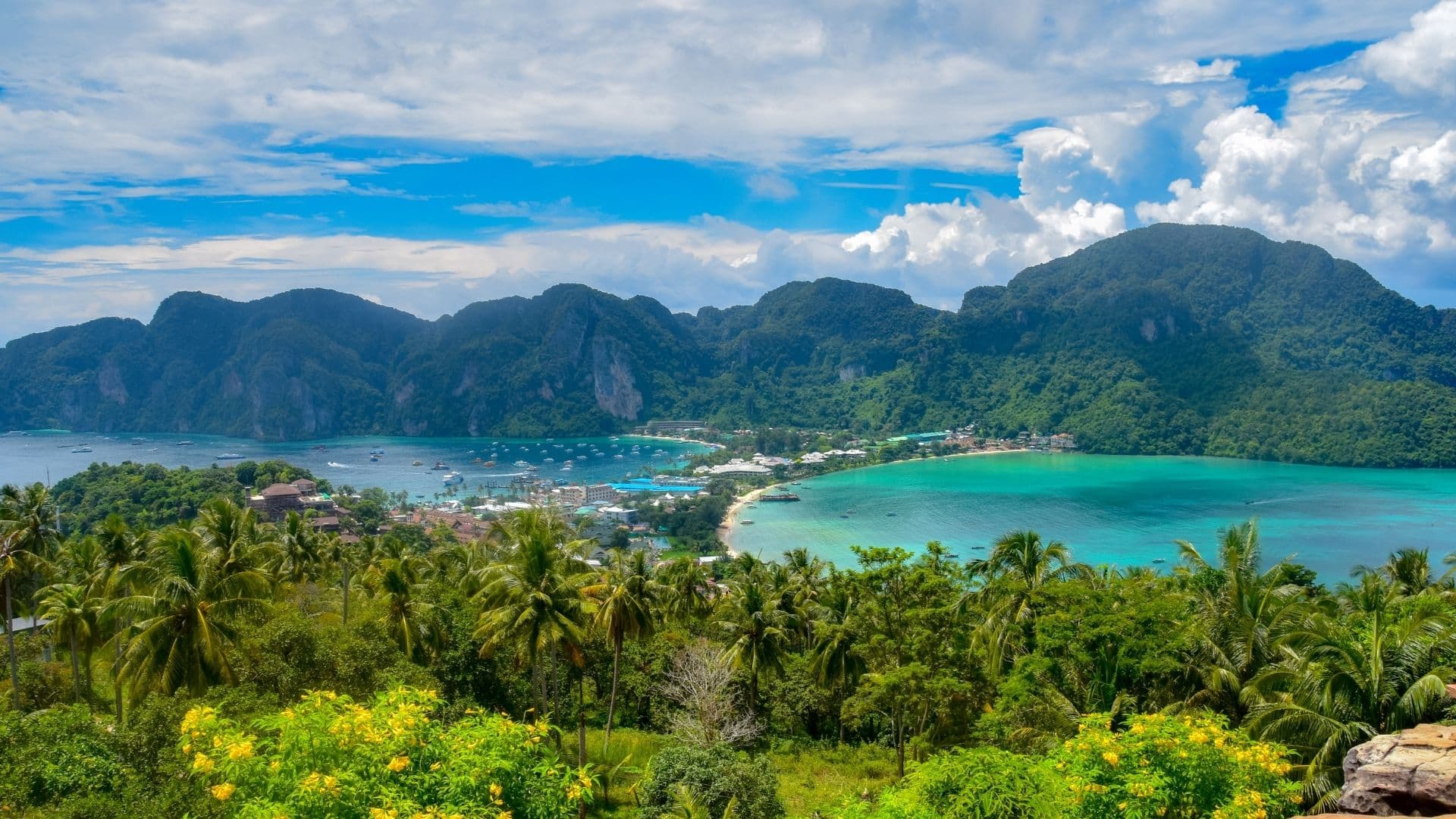
Not every great moment here is in the water. The walk up to the Phi Phi Viewpoint is a steep climb, but the view over the twin bays of Tonsai and Loh Dalum is one of the best on the island.
You can also walk along the beaches, watch the sunset from the sand at Loh Dalum, or sit in the shade at Long Beach. If you are on the island on a dark night near the new moon, ask us about bioluminescent plankton: you can see it all year.
Your trip to Phi Phi does not depend on swimming. Pick the right season, wear your vest, tell the crew, and enjoy the island the way you like.