

Our team lives on Koh Phi Phi, not in Bangkok. But almost every traveller we meet on the island has come through the capital first, and we plan Bangkok trips with local guides we book directly. So we hear the same packing stories again and again: the shorts that got someone turned away at a temple, the heavy jeans that never dried, the half-empty suitcase of toiletries carried halfway round the world for nothing.

This list is short on purpose. Bangkok asks you to deal with the heat, the temple dress code and sudden rain. Pack for those, bring your documents and medicines, and buy almost everything else when you land.


The short answer: your Bangkok packing list
If you only read one section, read this one. This is what we tell our own guests before they fly in.
- Light, breathable clothes in cotton or linen, loose rather than tight.
- One temple outfit that covers shoulders and knees: long light trousers or a long skirt, plus a T-shirt with sleeves.
- A thin layer (light shirt, cardigan or scarf) for cold aircon in malls, trains and buses.
- A small rain shell or foldable umbrella, essential from June to October.
- Comfortable walking shoes that you can slip on and off easily.
- A universal plug adapter and a small power bank.
- Your prescription medicines in their original packaging.
- Passport, a copy of it, and your bank cards.
- Reef-safe sunscreen, only if you continue to the islands.
That is genuinely it. Everything else is optional or cheaper on site.

Dressing for the heat
Bangkok is hot and humid for most of the year. Even in the cool, dry stretch roughly from November to February, the middle of the day feels warm when you are walking between temples. From March to May it is properly hot.
Pick fabrics that breathe and dry fast. Cotton and linen work well. Thick denim is the classic mistake: it is heavy, sticky and takes ages to dry after a storm or a hand wash in the sink.
Bring a hat or cap and sunglasses. A refillable water bottle is useful, but drinking water is easy to buy everywhere, so do not overthink it.
For shoes, think comfort over style. You will walk more than you expect, on uneven pavements, up temple steps and along river piers. Shoes you can take off quickly also help, because you will often remove them before entering prayer halls.

The temple dress code: shoulders and knees
This is the one rule that can actually ruin a morning. The Grand Palace, Wat Pho and Wat Arun require covered shoulders and knees. It applies to men and women alike.
The easiest solution is to wear your temple outfit on temple days and carry nothing extra. Loose long trousers or a long skirt, and a T-shirt with sleeves. Tank tops and short shorts will not pass, and we would not count on borrowing something at the gate.
We also advise avoiding see-through fabrics and very tight clothing. It is a question of respect as much as rules, and modest clothes simply make the visit more relaxed.
If you are joining our Grand Palace and temples tour, dress for it from the start of the day. A light scarf in your bag covers bare shoulders in seconds if you change plans and pass a temple unexpectedly.
A light layer for the aircon
It sounds odd on a list for a hot city, but people get cold in Bangkok. Malls, the BTS Skytrain, the MRT metro, cinemas, long-distance buses and some restaurants run the aircon very strong.
You do not need a jumper. A thin long-sleeved shirt, a light cardigan or a large scarf is enough. It folds small and also doubles as temple cover.
This matters most if you take a night bus or a night train onward, or an early flight from Suvarnabhumi or Don Mueang. Travellers with small children or anyone who feels the cold easily should keep that layer in their day bag, not in the suitcase.
Sudden rain: what to bring from June to October
Bangkok's rainy season runs roughly from June to October. The rain usually comes as short afternoon storms, not all-day grey drizzle. Streets can flood quickly for a while, then the sun comes back.
A small packable rain shell or a foldable umbrella is enough. A heavy raincoat is too hot to wear. Many travellers just wait out the storm in a café or a mall, which is honestly the most comfortable option.
Bring a small waterproof pouch or a zip bag for your phone and passport. Sandals that cope with wet streets are better than canvas shoes on stormy days.
Outside the rainy season you can usually leave the shell at home. If you are not sure what to expect for your dates, plan your days loosely: our three-day Bangkok plan keeps indoor options close to outdoor ones for exactly this reason.
Power, phone and documents
Thailand uses a mix of socket types, and they do not always match what you have at home. A universal travel adapter solves it. Check the small print on your chargers to make sure they accept the local voltage: most phone and laptop chargers do, but some older hair tools do not.
A small power bank is worth the space. Between maps, ride apps and photos, phones drain fast in the heat.
For documents, keep your passport safe and carry a photo or paper copy separately. Bring the bank cards you will use, and let your bank know you are travelling.
Bring any prescription medicines you need in their original packaging, with enough for the whole trip. Basic pharmacy items are easy to find, but your exact medicine may not be.
Going on to the islands: what to add
Many people fly or bus from Bangkok down to the Andaman coast. If that is your plan, add a few things, and read our Bangkok to Koh Phi Phi transport guide before you book.
- Reef-safe sunscreen. Our team sees the reefs around Phi Phi every day, and we ask every guest to use a reef-safe formula. Look for it before you leave if you can.
- Swimwear and a rash guard. The sea is 27 to 30 °C all year, so you will not need a wetsuit for snorkelling.
- A light dry bag for boat days.
- Sandals you can wet. On Koh Phi Phi there are no cars, and you will walk on sand and wet piers.
Pack light for the islands too. Speedboats have a luggage allowance of 10 kg per person, and dragging a huge suitcase along a pier is nobody's idea of a holiday. Our transfer page shows the routes we organise.
What to skip: cheap and easy to buy in Bangkok
This is where you save weight. Bangkok has convenience stores on nearly every corner, plus pharmacies, markets and malls.
- Toiletries. Shampoo, shower gel, toothpaste, deodorant: all easy to find. Bring travel sizes for the first night only.
- Mosquito repellent. Widely sold, and local versions are made for local conditions.
- Flip-flops and light T-shirts. Markets are full of them.
- Beach towels. Not needed in the city at all.
- Snacks and drinks. Street food is part of the trip. Our street food guide explains how to start.
- A local SIM. Easier to sort once you arrive than to plan from home.
- Too many outfits. Laundry services are easy to find in most areas, so a small rotation of clothes covers a longer trip.
Leave space in your bag. Most travellers buy something at a market, and you will want room for it on the way home.
Small extras for families and specific trips
Travelling with children? Add a sun hat for each child, their own light layer for the aircon, and a few familiar snacks for long journeys. Our family guide to Bangkok goes into pacing and heat breaks.
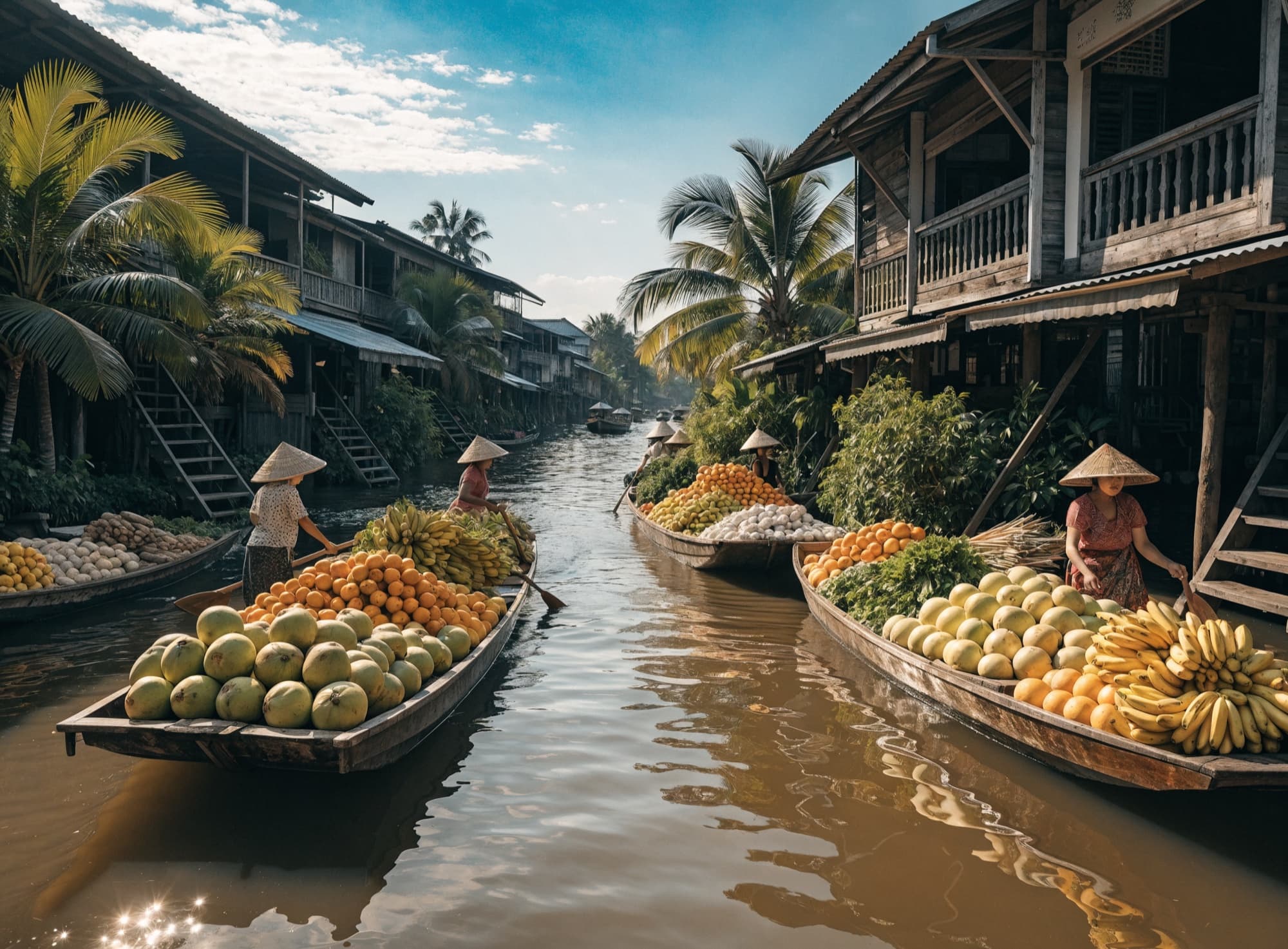
Planning day trips such as Ayutthaya, the floating markets or Kanchanaburi? Bring your temple outfit, a hat and a light day bag. These are long days outdoors with sacred sites on the way.
Visiting during Songkran, from 13 to 15 April? Expect to get soaked in the street. A waterproof phone pouch and clothes you do not mind drenching are the only real extras.
For the bigger picture of what to see once you are packed, start with our honest list of things to do in Bangkok.