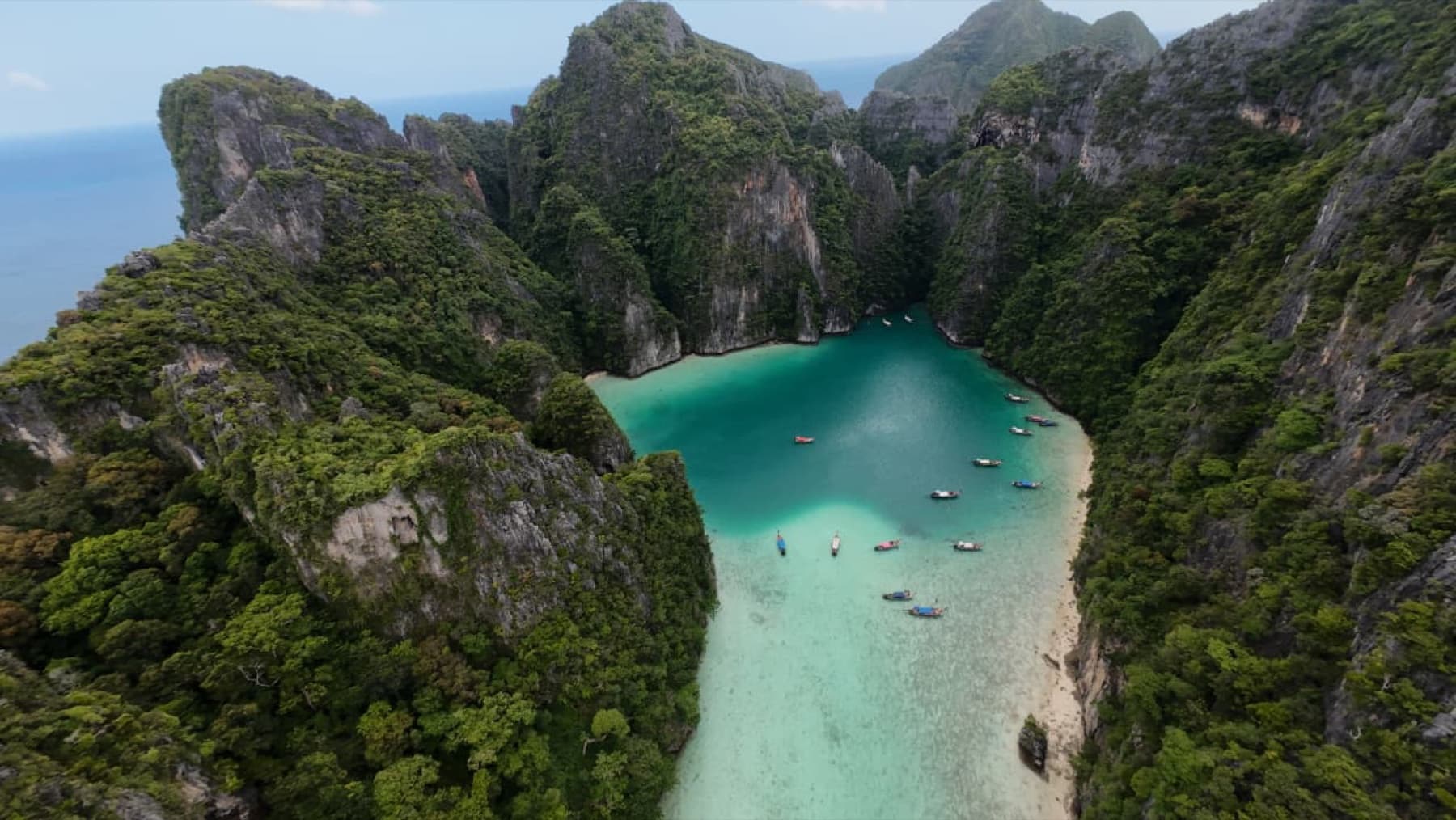
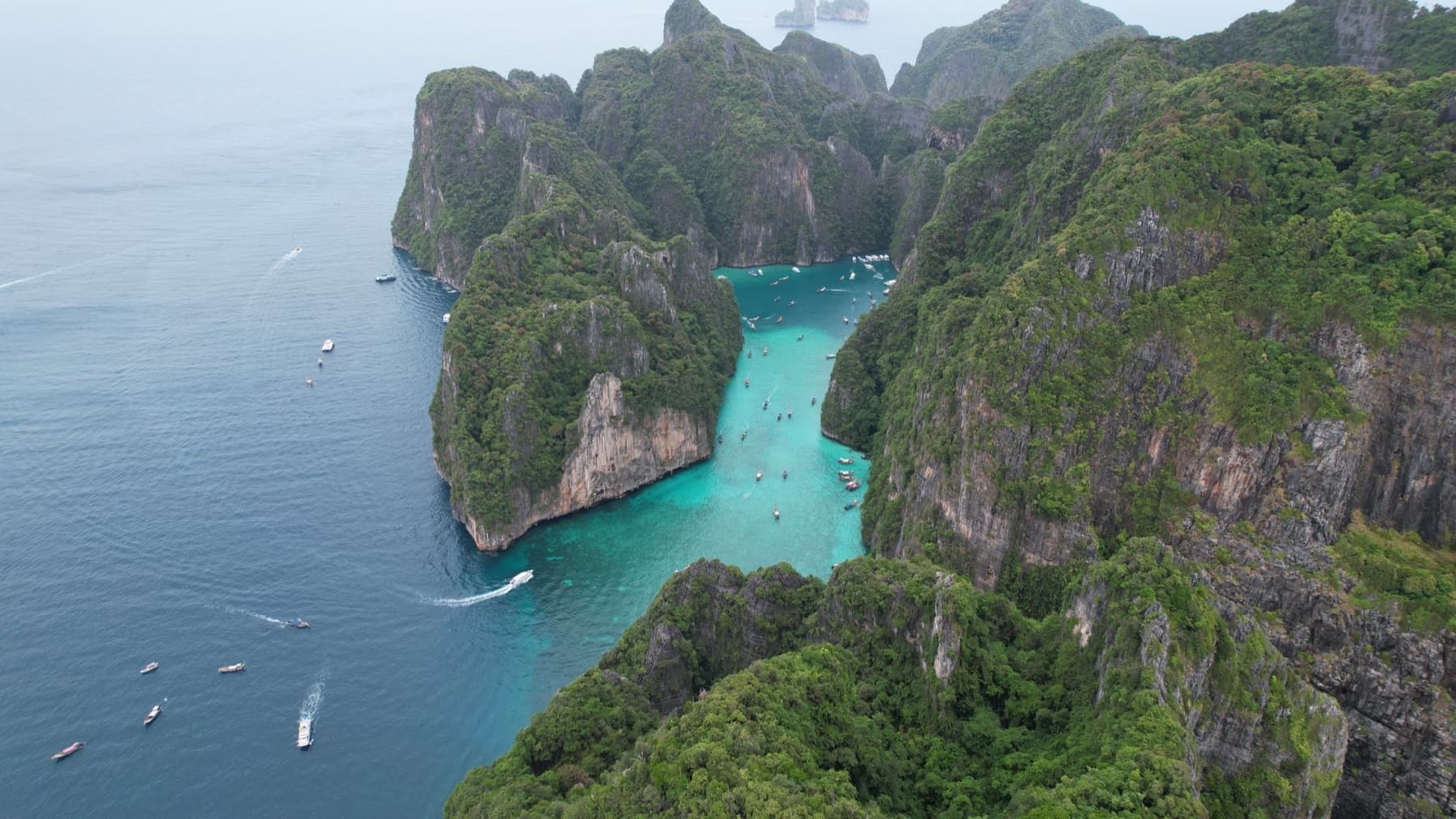
Every season, families write to us with the same question. Can my mother, my father, or I myself with a bad knee really enjoy Koh Phi Phi? It is a fair question. This island has no cars, sandy lanes, steps almost everywhere and boats you sometimes board straight from the beach.
Our team lives in Tonsai village and we plan trips for older travellers all year. The honest answer: yes for many people, no for some. The difference comes down to a handful of choices. Here they are.
Does Koh Phi Phi work for seniors?
Yes, if you can walk on uneven ground for a while and manage some steps with a hand to hold. Many travellers in their later years have a wonderful stay here. They come for the views, the warm sea and the slow evenings, not for the parties.
It works less well for wheelchair users and for anyone who cannot climb steps at all. There are no cars, no taxis and no adapted transport on the island. Paths are sand, concrete and boardwalk, often narrow, sometimes steep.
The key is three choices: the steady boat, the right area to sleep and a gentle way to see the islands. Get those right and Phi Phi becomes much easier.
Getting here: take the big ferry
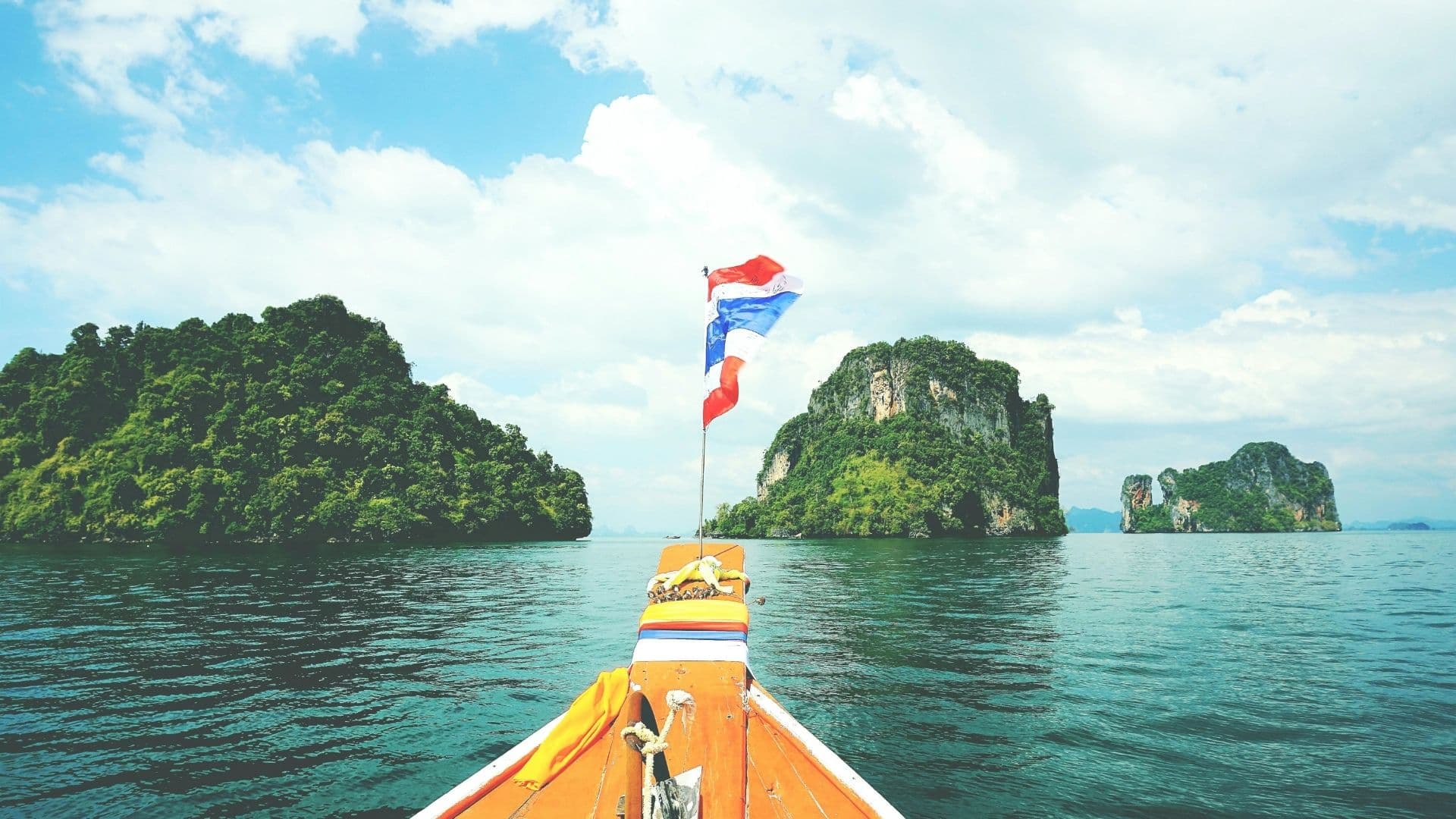
Koh Phi Phi has no airport. Every arrival is by boat. From Phuket the ferry takes about 2 hours, from Krabi about 1.5 to 2 hours. Speedboats are faster, about 1 hour, but they bounce more when there is any swell.
For older travellers we almost always recommend the big ferry. It is steadier, it has seats out of the sun, and you can stand up and stretch if your back gets stiff. Speedboats also limit luggage to 10 kg per person, which is tight with medication and proper shoes.
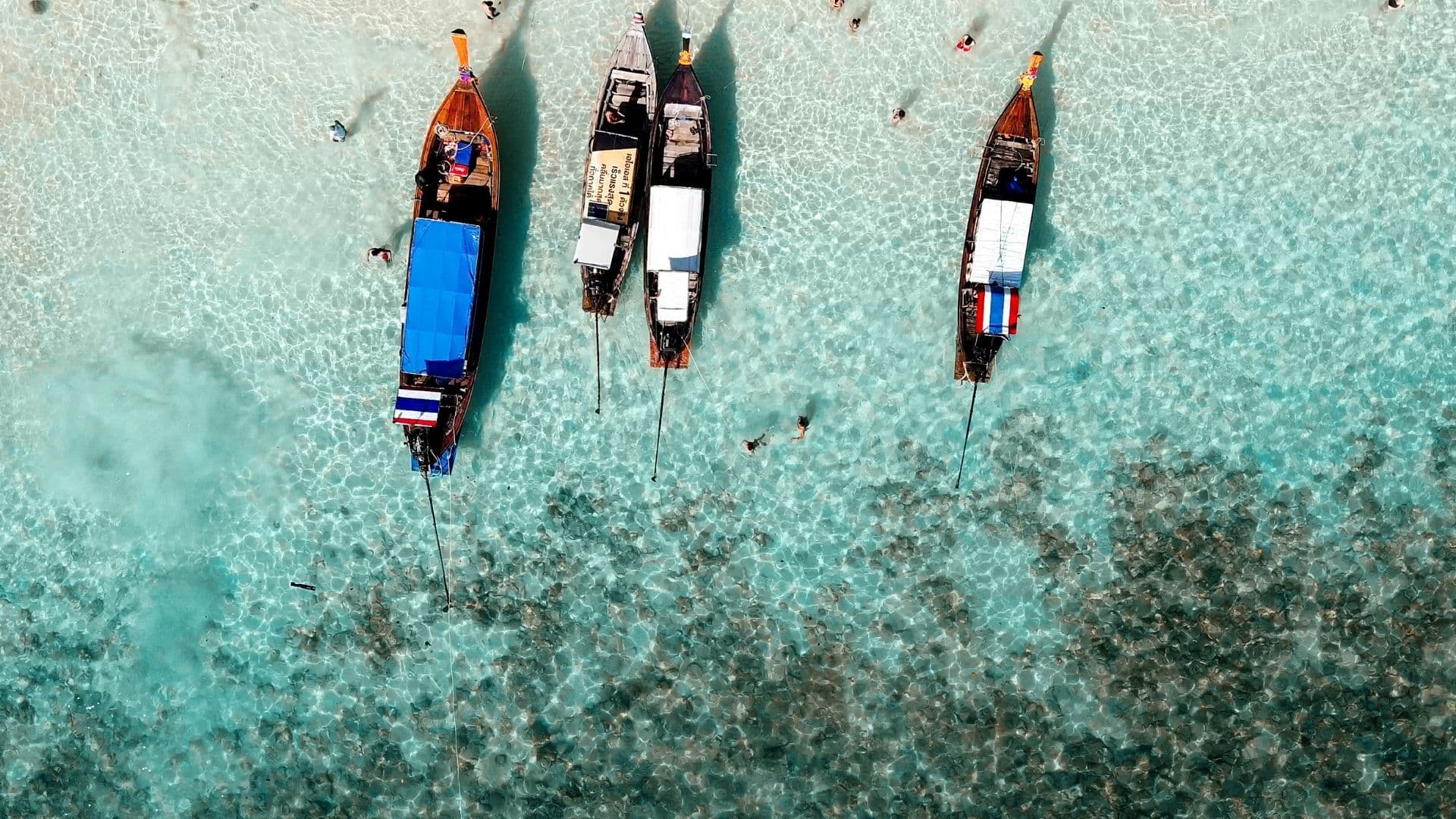
One firm rule: never take a long-tail across from Railay to Phi Phi. It is open sea in a small open boat. We do not recommend it for seniors, full stop. All the regular routes are on our transfer page, and our Phuket to Phi Phi guide explains each option.
Plan a relaxed departure day too. Our sources give the last boats back to Phuket as the ferry at 15:30 and the speedboat at 16:00. Schedules change with the season, so check the transfer page before you book a flight.
Arriving at Tonsai pier: steps, tides and bags
Ferries dock at the pier in Tonsai village. Getting off usually means a gangway or some steps, and the height changes with the tide. The crew help passengers down, so do not be shy about asking for an arm.
The pier gets busy when several boats arrive together. Let the crowd go first. Waiting a few minutes makes the walk along the pier much calmer.
No taxis wait at the end of the pier. Bags are carried or pushed on handcarts through the lanes. Ask your hotel before you arrive whether someone can meet you and take the luggage. If you stay on another beach, you will need a boat transfer, which brings us to boarding.
Getting around an island with no cars
Tonsai and Loh Dalum sit on a flat strip of land between two bays. This is the easiest part of the island to walk. Lanes are narrow and shared with bicycles and handcarts, and some are sand rather than concrete, but there are no big hills.
Beyond the village, things change fast. The paths to the viewpoint, to Long Beach and to the quieter bays climb steeply over the hills, with rough steps and roots. These are real hikes, not strolls.
Shoes matter more than you think. Bring closed walking sandals with a good grip. Flip-flops on wet sand and wet steps are a common cause of slips.

Where to stay if walking is hard
Choose a place on flat ground close to the pier in Tonsai. Ask the hotel directly how many steps lead to your room and whether a ground floor room is possible. Many places are built on slopes, and a lovely sea view can mean a long staircase several times a day.
Long Beach and Laem Tong are quieter and beautiful, but you reach them by boat and some resorts climb a hillside. They work well for someone who wants to stay put and enjoy the beach. They suit less someone who wants to walk into the village for dinner every night.
Some lanes in Tonsai are loud at night. Look at the edges of the village, away from the bars on the Loh Dalum side. Our area guide compares each base in detail.
Boats on the water: what boarding really looks like
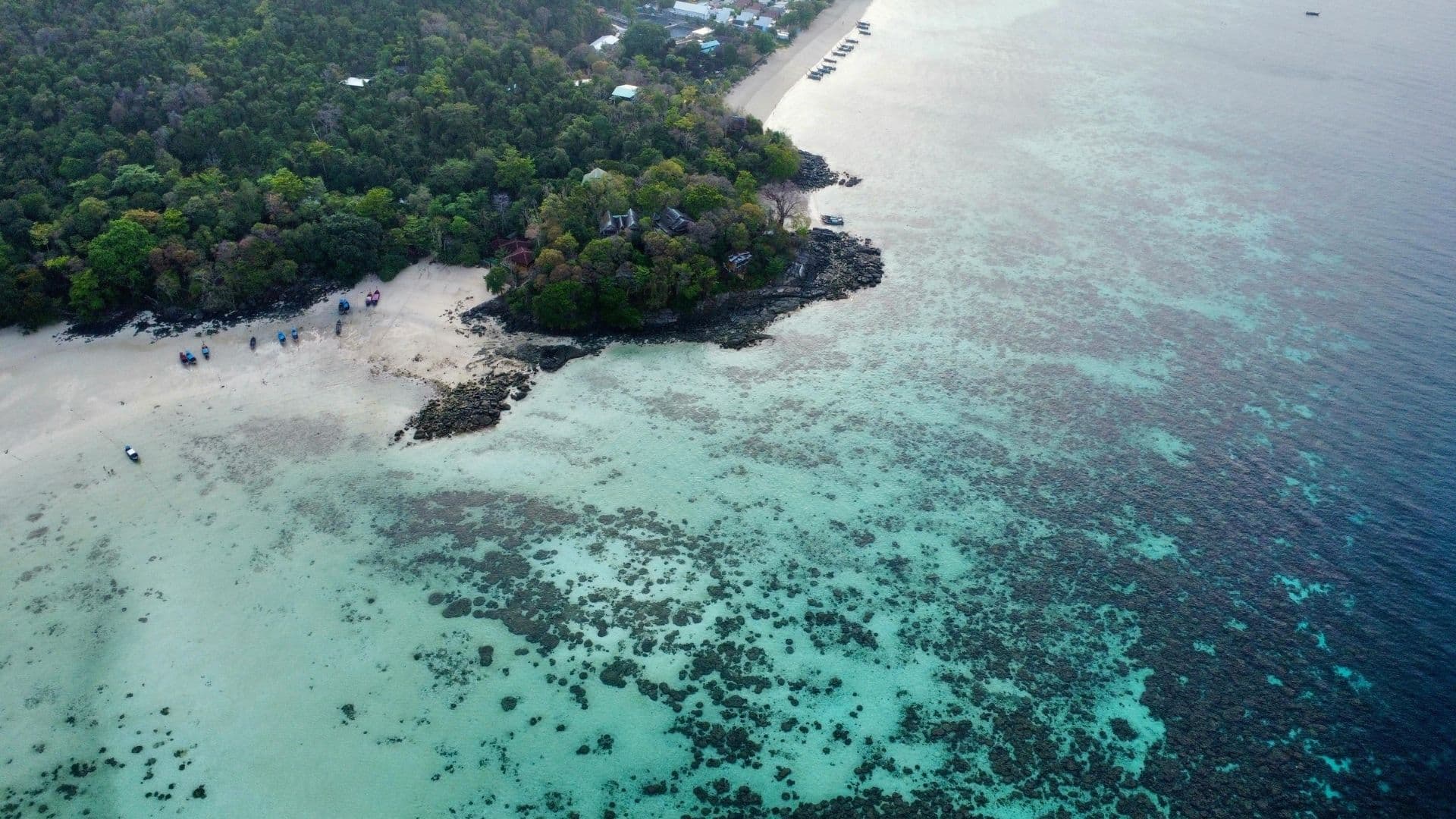
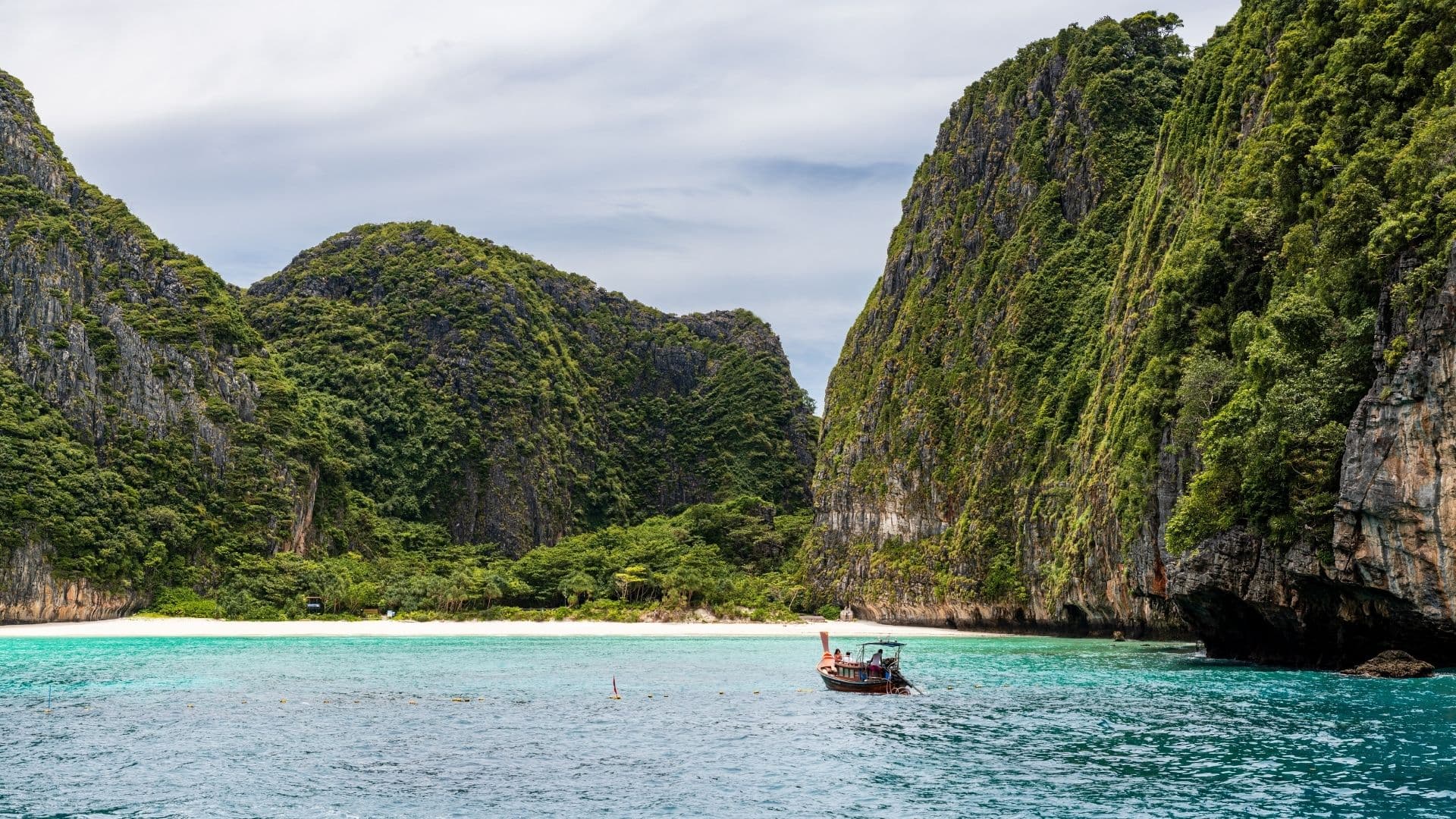
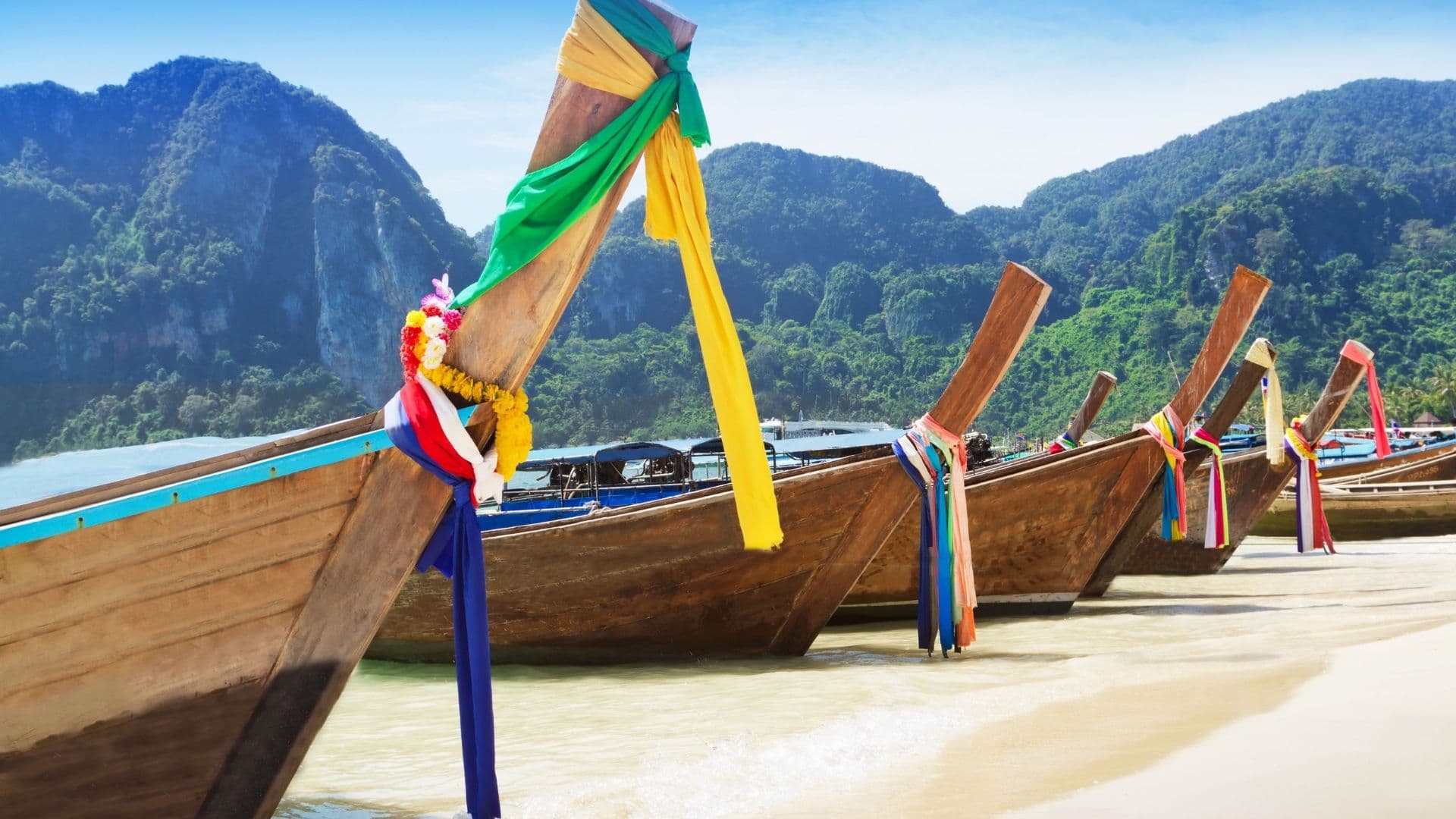
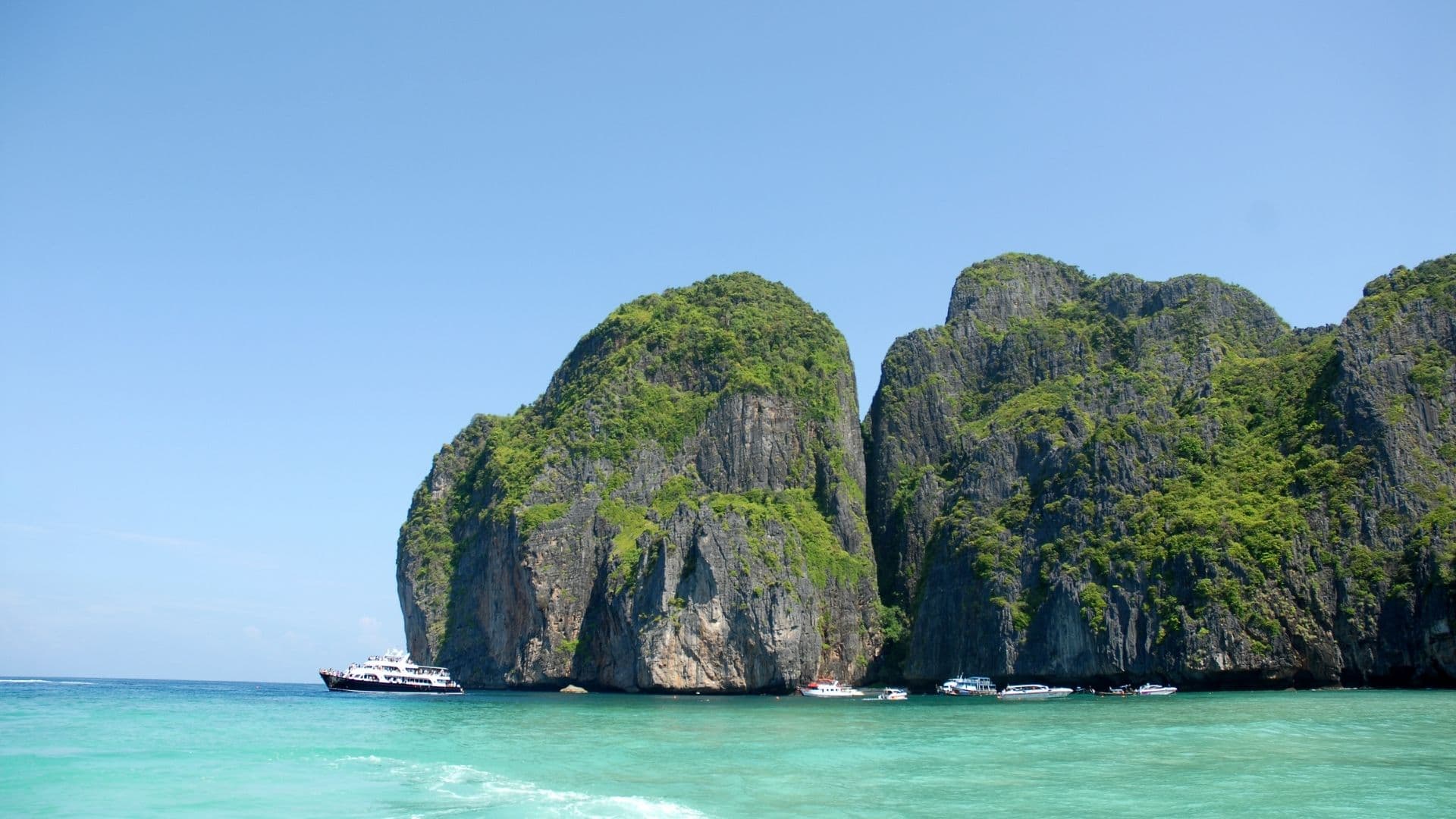
This is the part most people underestimate. Long-tail boats often load from the beach. You wade into shallow water, sometimes up to the knees, then climb over the side or up a small ladder at the bow. The crew help, but you need some balance and a little strength in the legs.
Speedboats usually load from a pier or a floating platform, though they can also stop at a beach. They are fast and they bump on choppy days. Sit towards the back, where the ride is softer, never right at the front.
Shared tours move at the group's pace, with quick stops. If someone in your party needs extra time to get on and off, a private boat changes everything. On our private long-tail or private speedboat, the captain waits, skips the stops you do not want and heads back early if you are tired.
Maya Bay and the classic sights, honestly
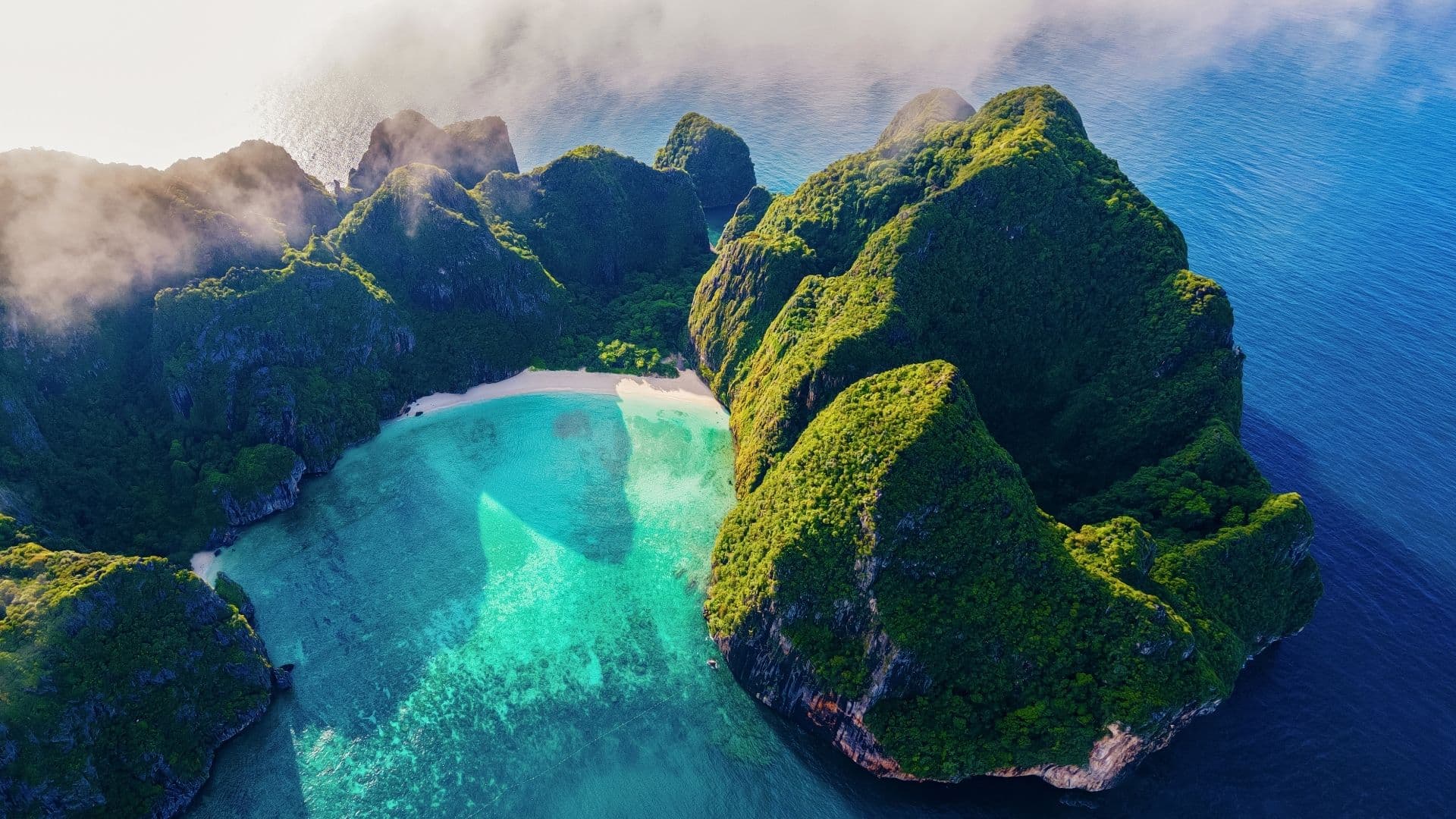
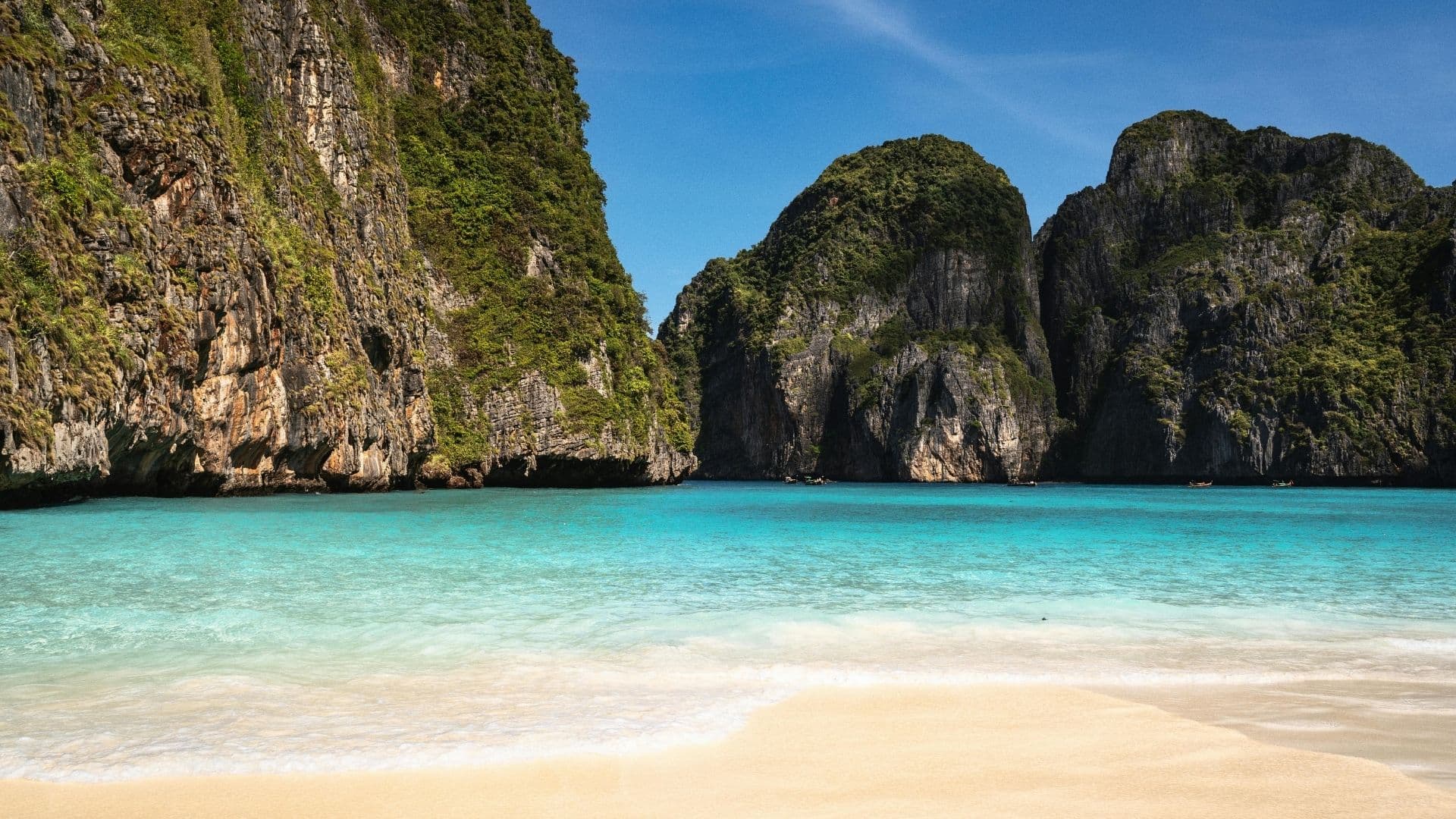
Boats do not land on Maya Bay beach. They dock at Loh Samah Bay on the other side, and visitors walk in on a boardwalk. Most people who can walk short distances manage it well, but stepping from the boat onto the dock needs care.
The national park fee is 400 THB per adult and 200 THB per child aged 4 to 11, paid in cash on arrival. Whether it is included depends on the tour, so check the tour page. Maya Bay closes every year from 1 August to 30 September and reopens on 1 October.
Swimming at Maya Bay is allowed only inside a buoyed zone, without mask or fins. Pileh Lagoon is a favourite with our older guests: the boat floats among the cliffs and you can simply watch if you prefer not to swim. Climbing back aboard from the water means a ladder, so judge that honestly.
Our Morning Maya sunrise trip reaches Maya Bay before the day-tripper boats from Phuket and Krabi arrive. Fewer people on the boardwalk means more space and less jostling, which matters if you walk slowly.
The viewpoint: who should skip it
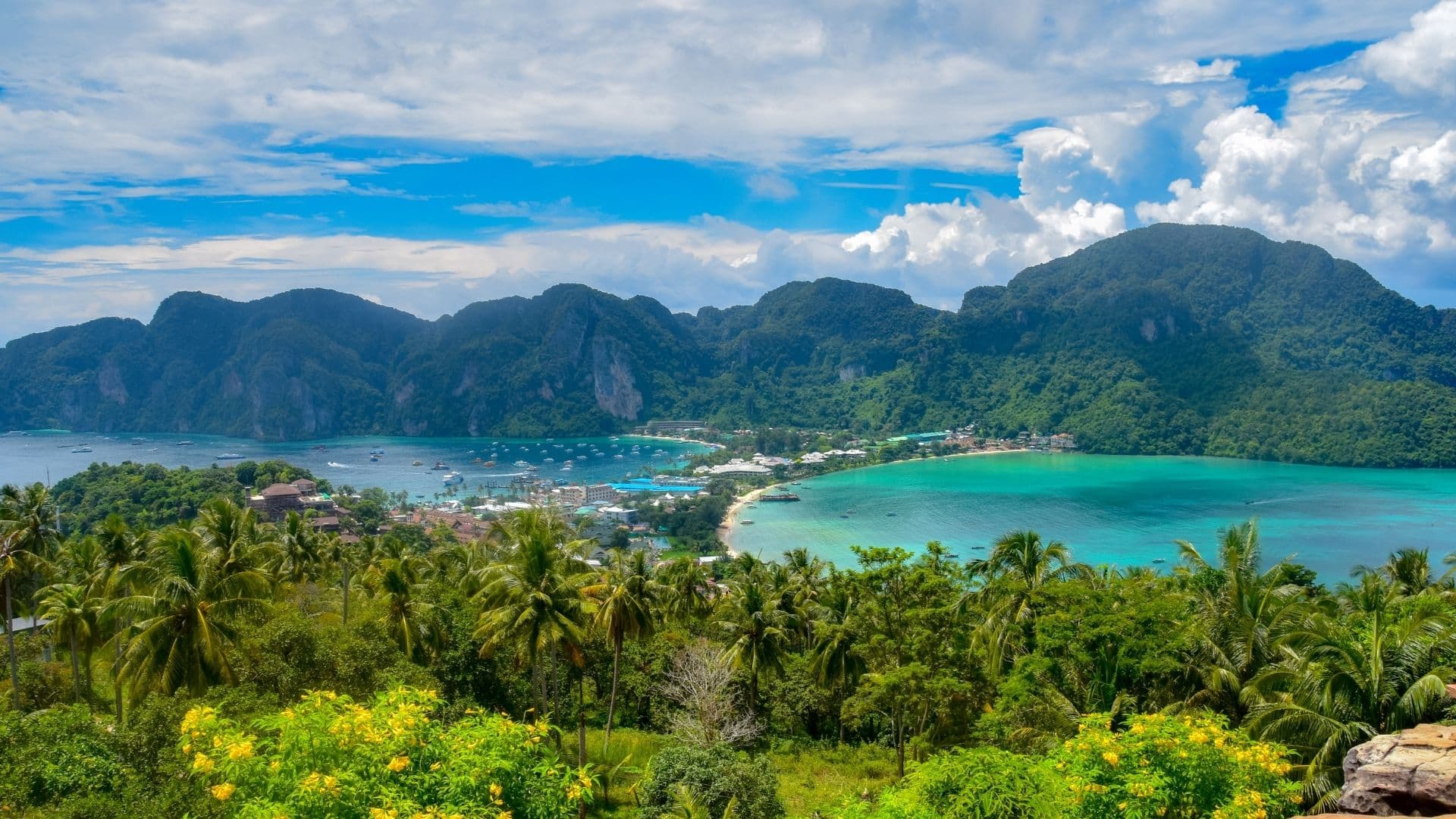
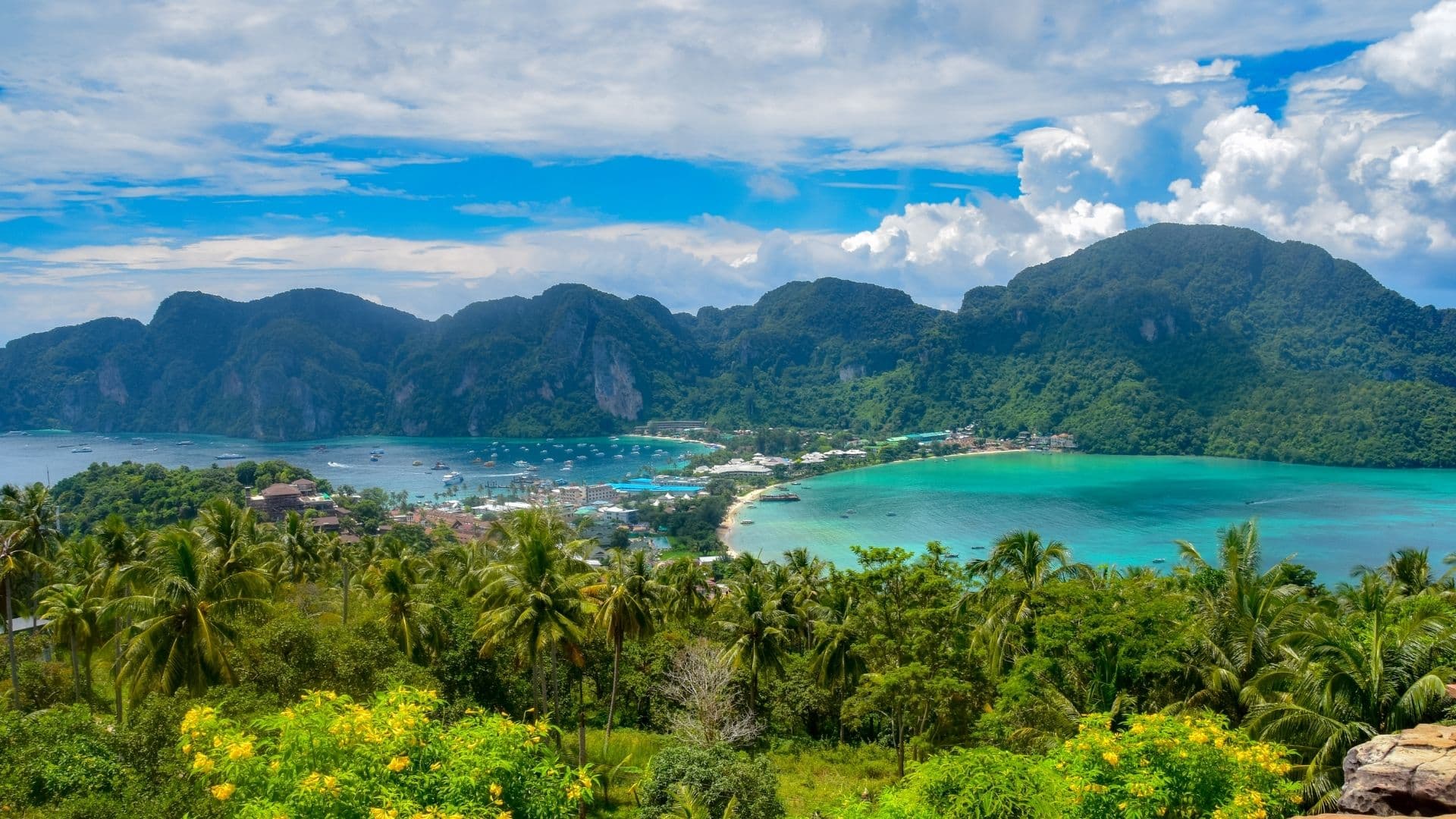
The viewpoint above Tonsai is the island's famous photo. It is also a steep climb up many steps, in the heat. For anyone with heart, knee or breathing problems, we honestly say: skip it, or go only as far as feels comfortable.
If you want to try, go early morning when it is cooler, carry water and stop often. Our viewpoint guide describes the route so you can judge for yourself.
A good alternative: see the same limestone cliffs from the water, sitting down, on a slow private boat.
Season, heat and health
November to April is high season, with calm sea and clear water. February to April is the driest. Calm water makes every boat trip and every beach boarding easier, so this is the period we recommend for older travellers.
May to October is the southwest monsoon. Rain usually comes as short squalls, but some days the sea is rough and boat tours are cancelled. If we cancel for weather, you get a 100% refund or a free change of date, as explained in our cancellation and weather policy.
Sea water is 27 to 30 °C all year, lovely for a gentle swim. The air is hot and humid, so plan outings for the morning and late afternoon and rest in the middle of the day. Bring all your regular medication from home, plus a spare supply. For anything serious, care means a boat to the mainland, so good travel insurance is essential.