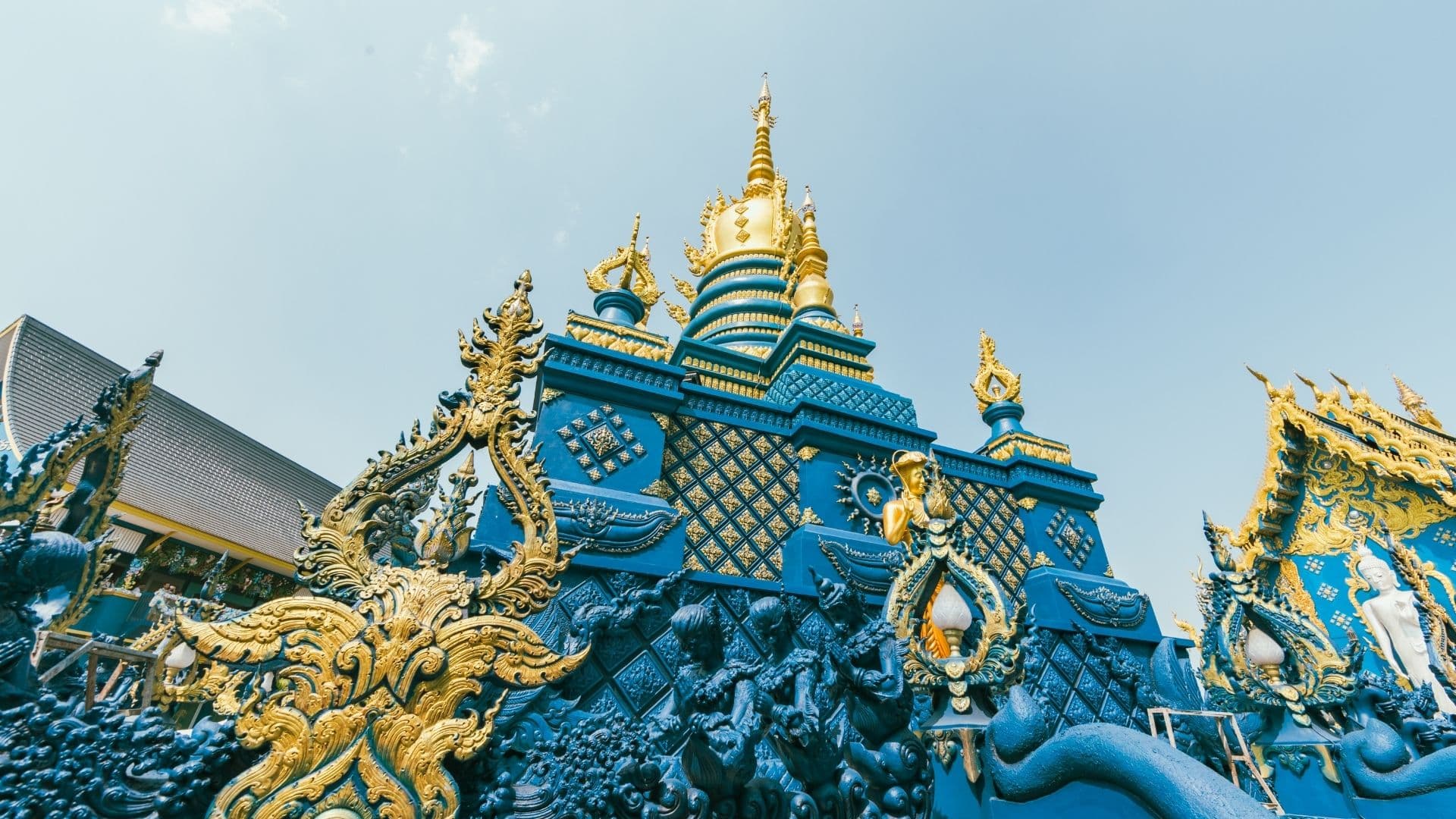







Chiang Mai's Old City is a square ringed by a moat and what is left of its brick walls. Inside, temples sit on almost every other street. That is the charm, and also the trap: travellers grab a long list, zigzag across the square in the heat and remember nothing but sore feet.
Our team lives on Koh Phi Phi, not in Chiang Mai. We plan trips there and work with local guides we book directly. This guide is the walking logic we give our own guests: group the temples by area, go at the right time of day, and only pay for a guide, a samlor or the tram when it adds something real.
Which Old City temples to see, and in what order
Think in clusters, not in a checklist. The Old City is compact enough to walk, but the temples worth your time fall into a few natural groups.
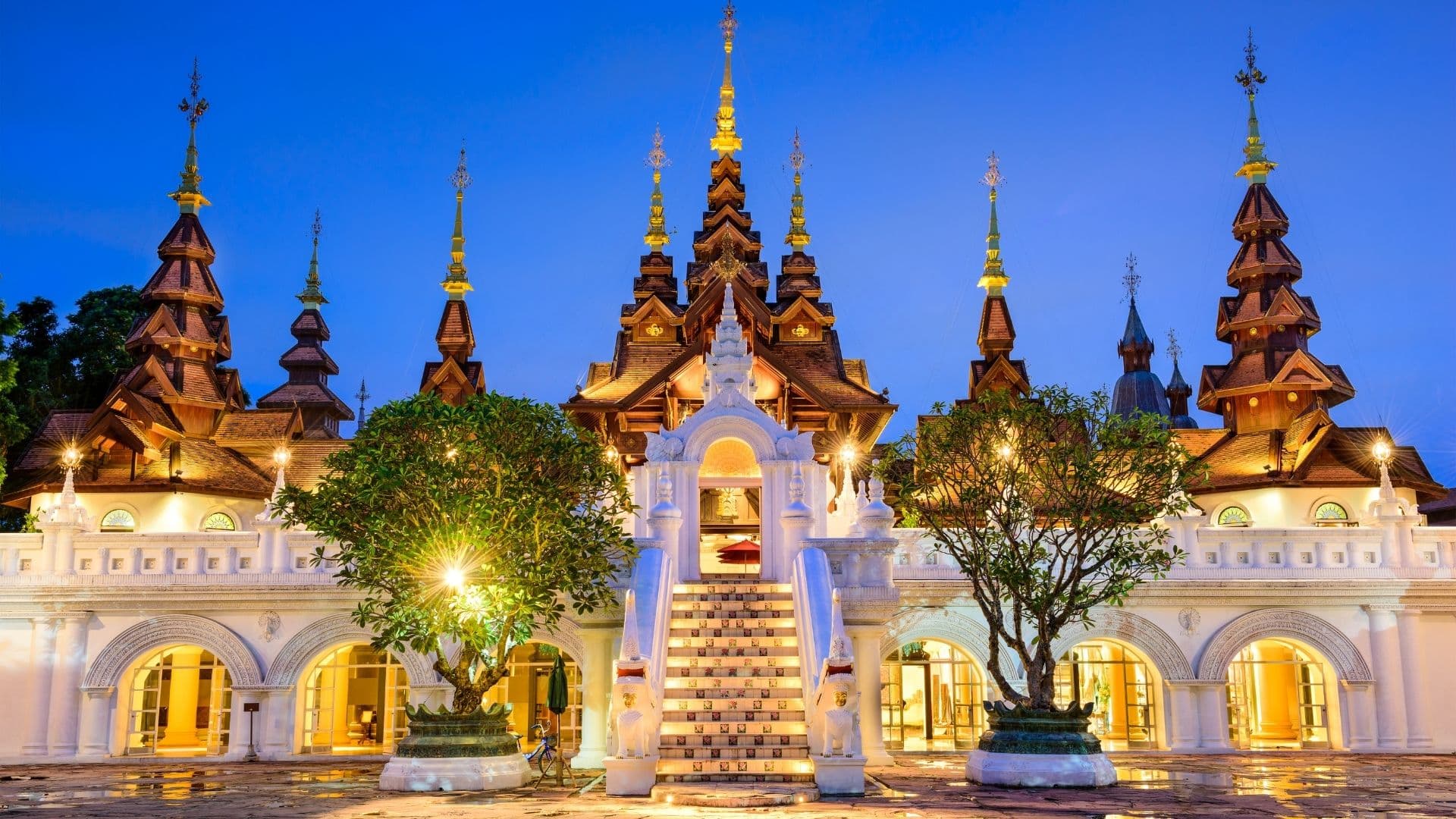
- The centre: Wat Chedi Luang, with its huge ruined chedi, and Wat Phan Tao, the dark wooden hall right next door.
- The west end: Wat Phra Singh, at the top of the main road that crosses the square from Tha Phae Gate.
- The northeast corner: Wat Chiang Man, often described as the oldest temple in the city, in a quieter residential grid.
Our simple order: centre first, then walk west to Wat Phra Singh. Keep the northeast corner for another morning or a slow afternoon. That covers the essentials without crossing the square back and forth.
Read the square first: moat, walls and gates
Before any temple, get the shape in your head. The moat runs all the way around the Old City. Brick wall remains and rebuilt gates stand at the corners and in the middle of the sides.
Tha Phae Gate on the east side is the easiest landmark. It faces the newer part of town toward the river and Warorot market. From there, the main road runs straight west into the heart of the square.

The corner bastions are worth a short detour if you like ruins. They are rough, real and free to look at from the street. Locals jog and sit along the moat in the cooler part of the day, which makes a good walk on its own.
The centre cluster: Wat Chedi Luang and Wat Phan Tao
This is the one stop most visitors should not skip. The great chedi of Wat Chedi Luang is partly ruined, and that broken shape is what makes it so striking. Walk all the way around it before you take photos.
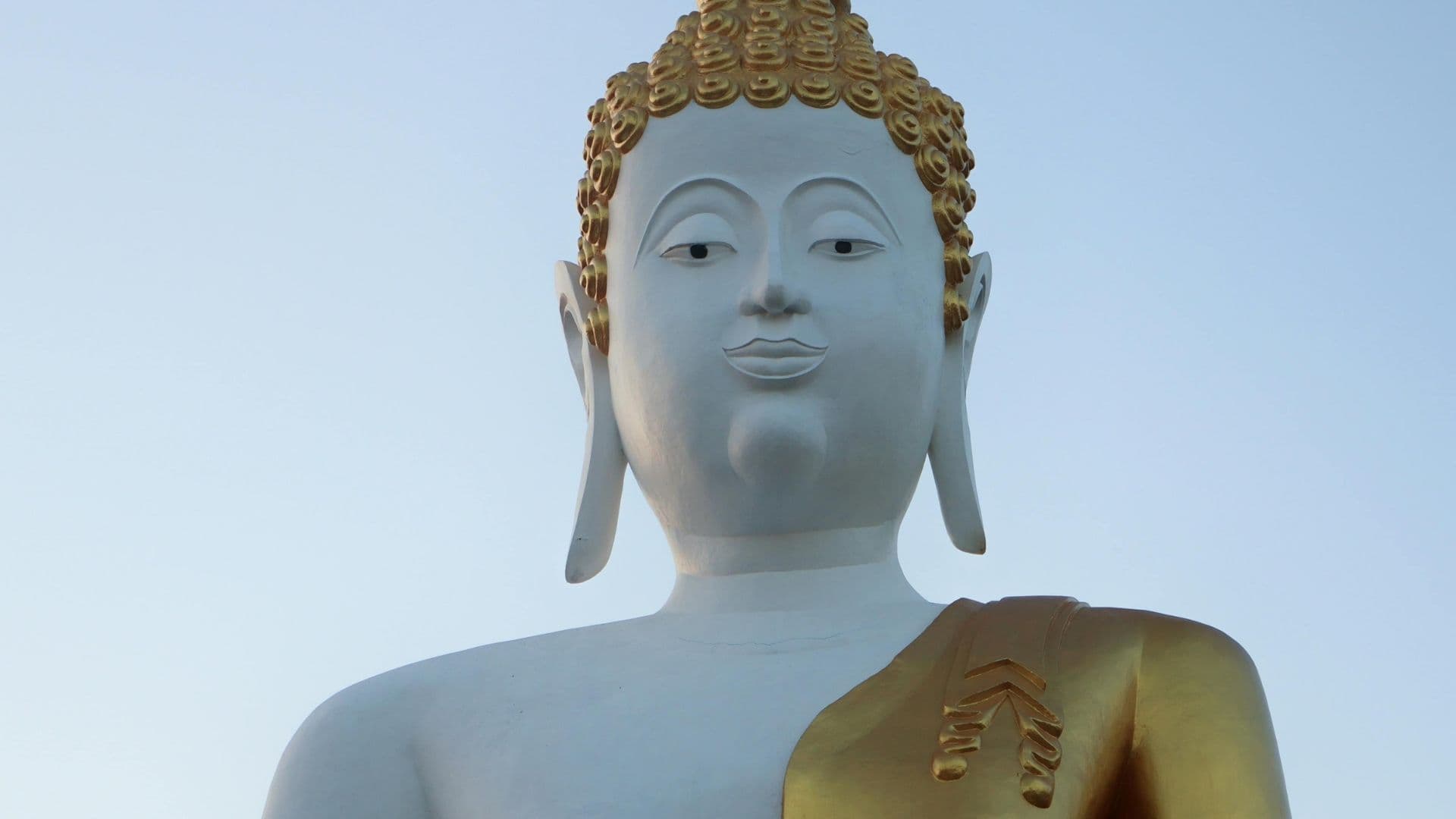
Wat Phan Tao is right beside it and easy to miss. Its old teak hall feels very different from the gold and glitter elsewhere. Step in quietly, let your eyes adjust to the dark wood, and look at the carving above the entrance.
It gets busy here. If you want calm, come early, see these two first, then move on before the tour groups build up.
The west end: Wat Phra Singh and the lanes around it
From the centre, walk west along the main road and you reach Wat Phra Singh. It is one of the most important temples in the city and houses a revered Buddha image. Expect a working temple with monks, students and Thai families, not a museum.
The side lanes between the centre and the west end are part of the pleasure. Small temples, guesthouses and courtyards pop up without warning. Walk slowly and step into any temple gate that looks open and welcoming.
This same road becomes a walking street on its market night. If your dates line up, you can see the temples by day and come back for food and crafts after dark: our night market and walking street guide explains which one to pick.

The northeast corner: Wat Chiang Man and quieter streets
Wat Chiang Man sits in the northeast part of the square, away from the busiest roads. It is smaller and calmer, and that is exactly why we like it. Look for the elephant figures around the base of its chedi.
The streets around it are residential, with cafés and small shops rather than big crowds. This corner suits a second, slower visit, ideally on a different day from the centre and west.
If you only have one morning in the Old City, it is fine to skip this corner. If you have more time, it is where the city feels most lived in.
When to go: time of day and season
Go early morning. The light is soft, the air is cooler and the temples feel like places of worship rather than photo stops. By the middle of the day, the heat makes walking hard work, especially in the hot season from March to May.
From roughly November to February, the cool season, mornings can be fresh: a light layer helps. From roughly February to April, the air is often hazy and smoky from agricultural burning. Check air quality before a long walking day, and keep it short if the air is bad.
In the rainy season, roughly June to October, carry a small umbrella and plan temple time around the showers. A temple hall is a pleasant place to wait out the rain.
If you want to see the temples at their most spiritual, the dawn alms giving to monks shows a side of the city you will not catch later in the day.
Temple courtesy that costs nothing
These temples are active religious places. A few simple habits go a long way, and locals notice.
- Dress covered: shoulders and knees covered is a good general courtesy. A light scarf or sarong in your bag solves most situations.
- Shoes off: you will usually see shoes left outside a hall. Do the same.
- Feet and heads: sit with your feet tucked away from Buddha images and people. Do not touch anyone's head.
- Monks: be polite and give them space. Women should avoid touching a monk or handing things to him directly.
- Signs first: each temple can have its own rules. If a sign or a person asks you to do something, follow it.
Keep your voice low and ask before photographing people. That is it. Nobody expects perfection, only respect.
Walk alone, book a guide, a samlor or the tram?
Walk alone if you enjoy wandering, read a little history beforehand and do not mind the heat. The Old City is easy to navigate and the clusters above keep it simple.
Book a guide if you want the stories behind what you see. Without context, one gold chedi starts to look like the next. Our Old City temples tour adds the stories and Lanna history behind what you see, so the temples finally make sense.
Take a samlor if walking is hard for you, or if you want a gentle, old-fashioned way to move between the Old City and the market area. Our Chiang Mai by samlor experience rolls you toward Warorot market at an easy pace.
Ride the electric tram if you prefer a relaxed evening. The Old City by electric tram is a good fit for families, seniors, or anyone who walked the temples in the morning and wants to see the square lit up without more steps. Check each tour card for live details.
Who this plan is not for, and how to fit it into your trip
A full walking day is not for everyone. It is not ideal for young children in the heat, travellers with limited mobility, or anyone visiting on a heavy haze day. For those, split the Old City into short sessions, or let a samlor or the tram do the moving. Our Chiang Mai with kids guide has more ideas for families.
The mountain temple above the city is a separate trip and a different day. Do not try to squeeze it into an Old City morning.
For most visitors, one unhurried morning covers the centre and west, and a second short visit covers the northeast. See how it fits into a wider plan in our Chiang Mai 3 day itinerary.