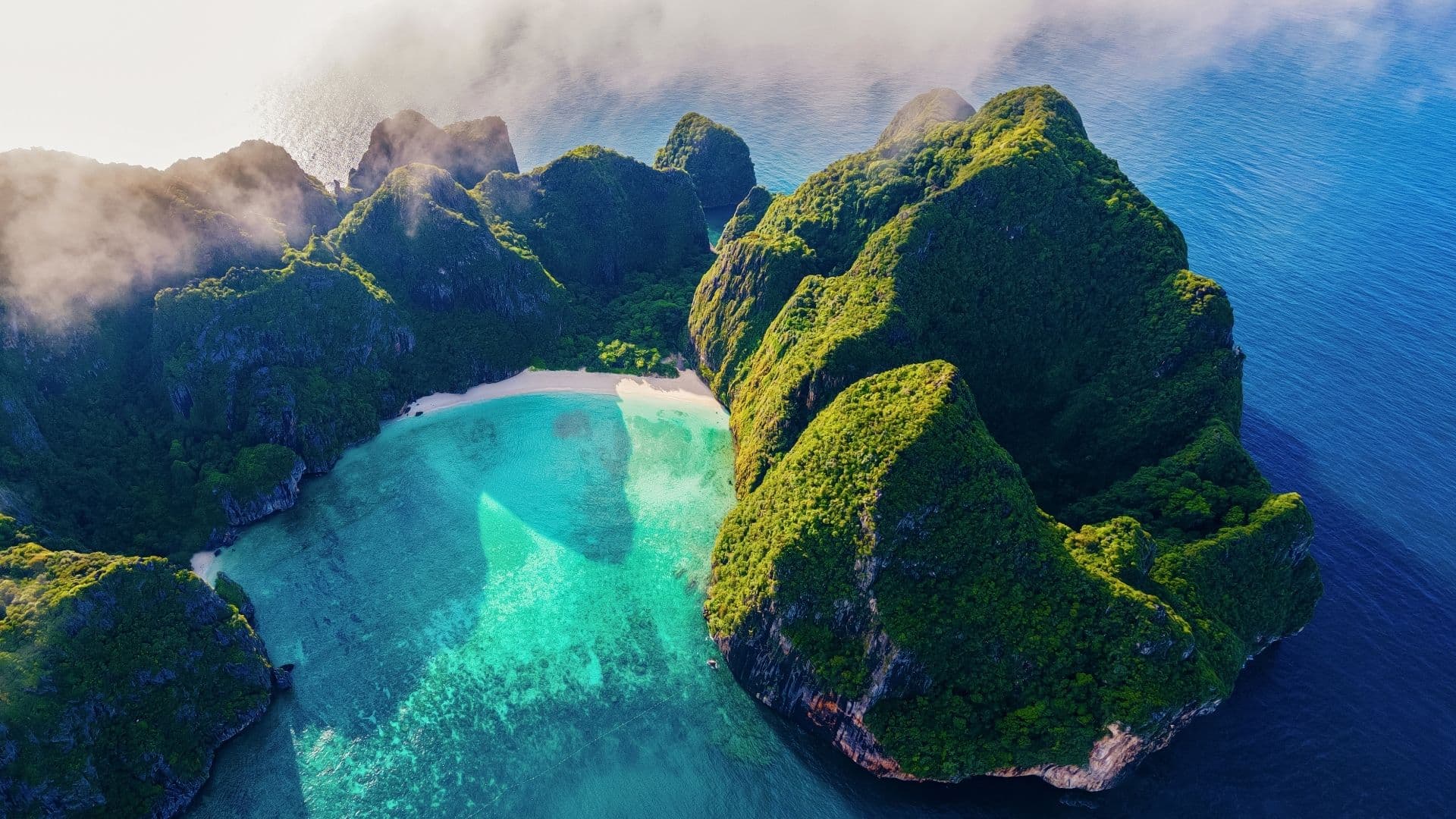

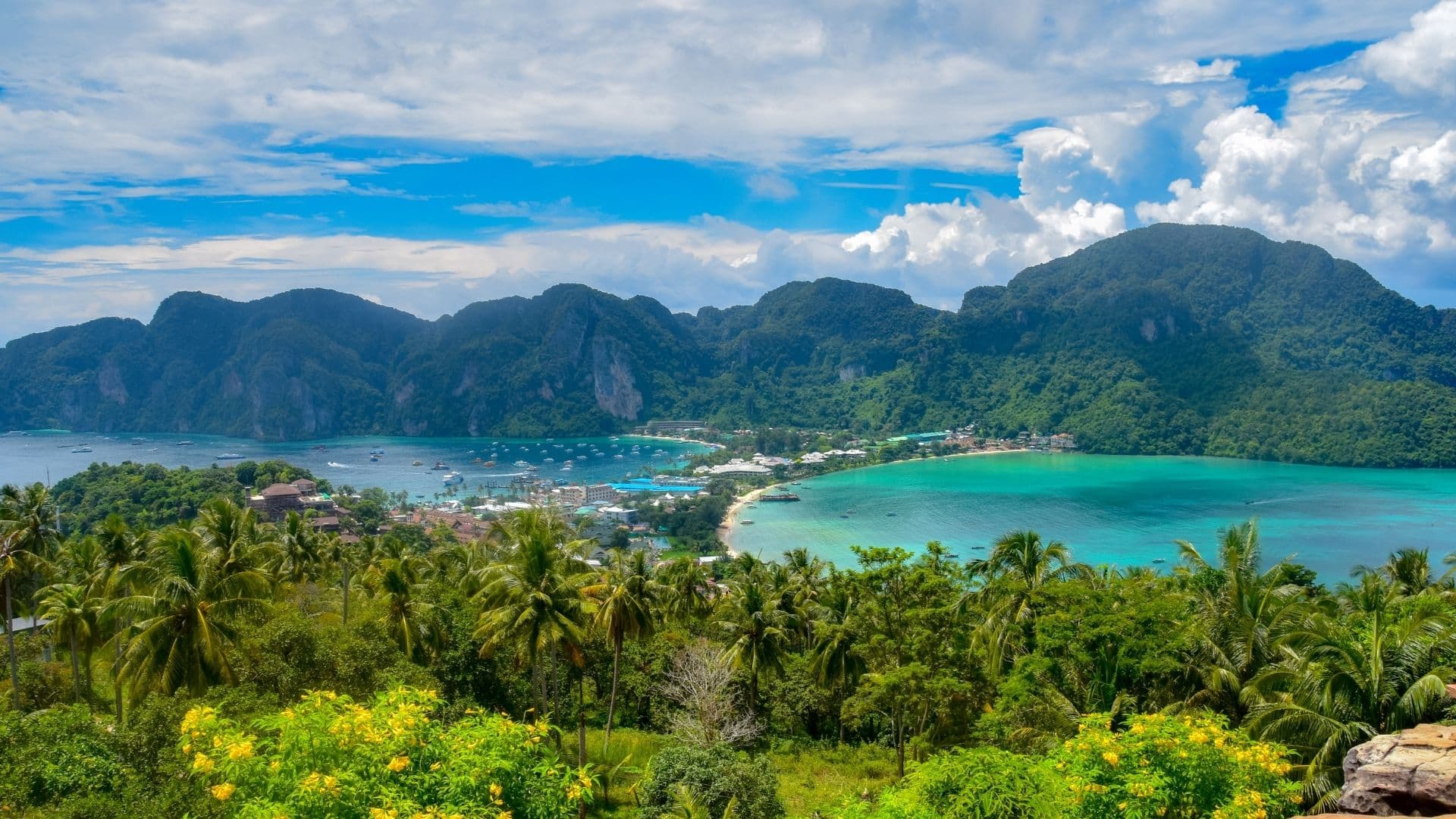
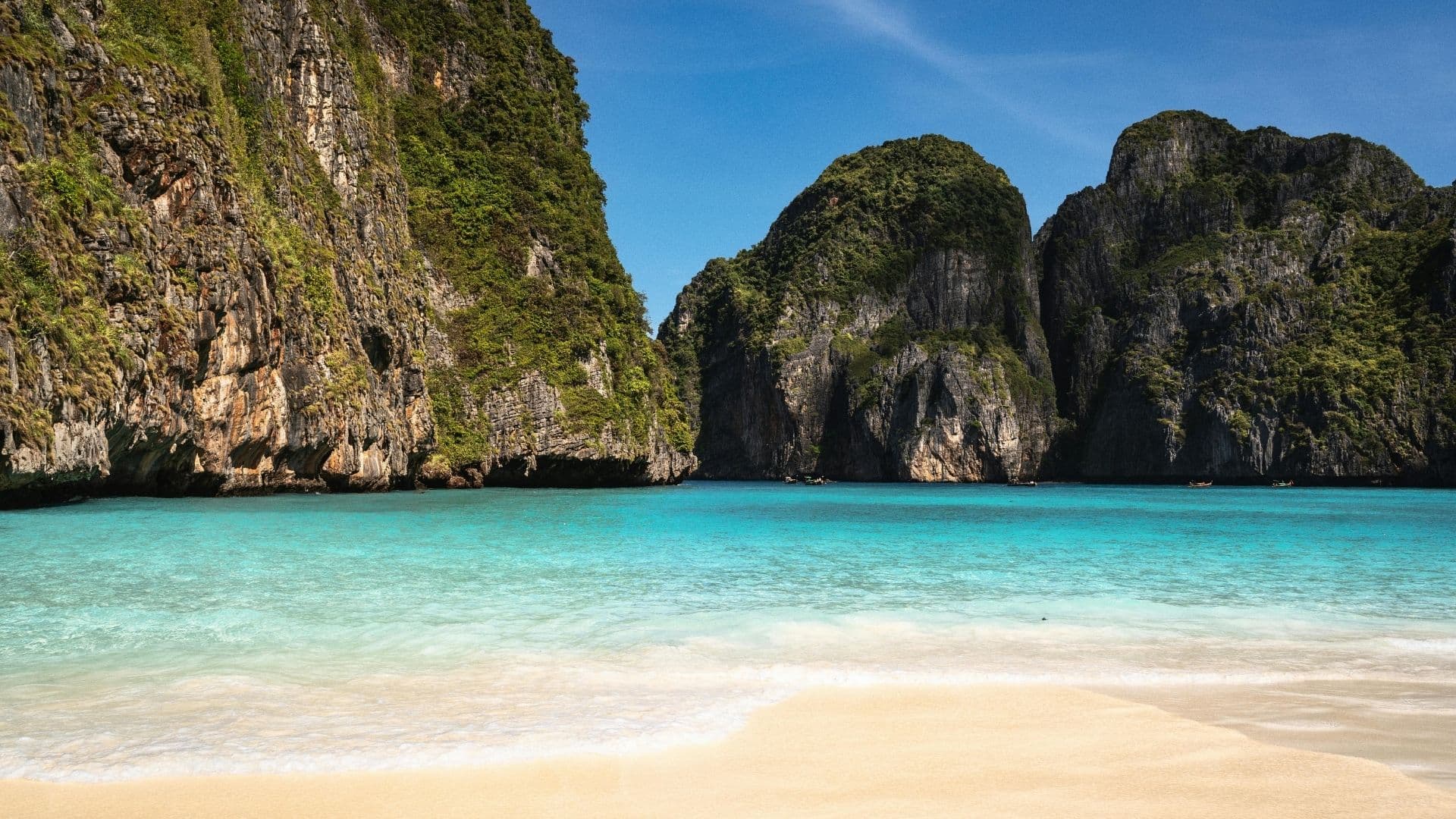
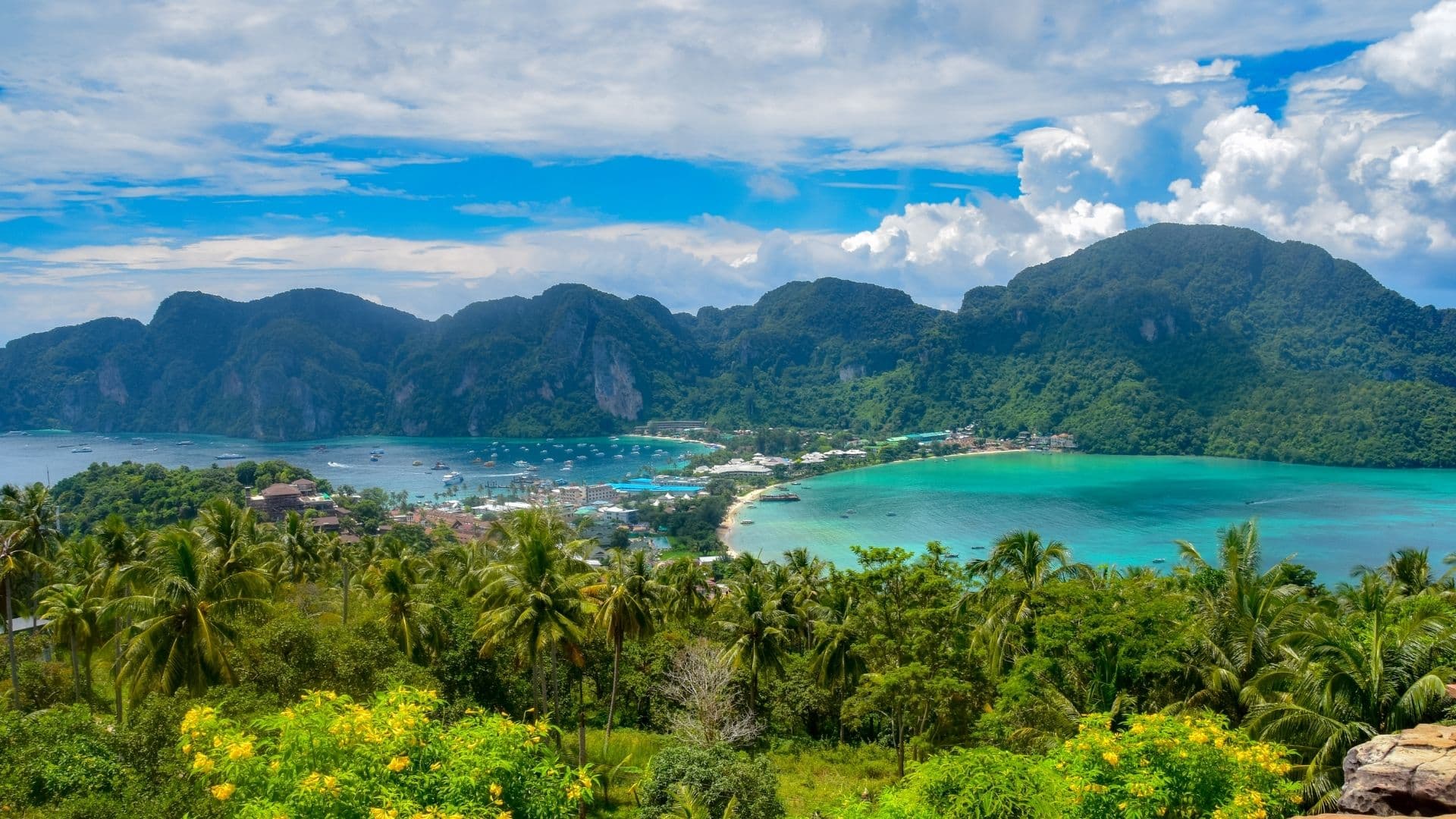
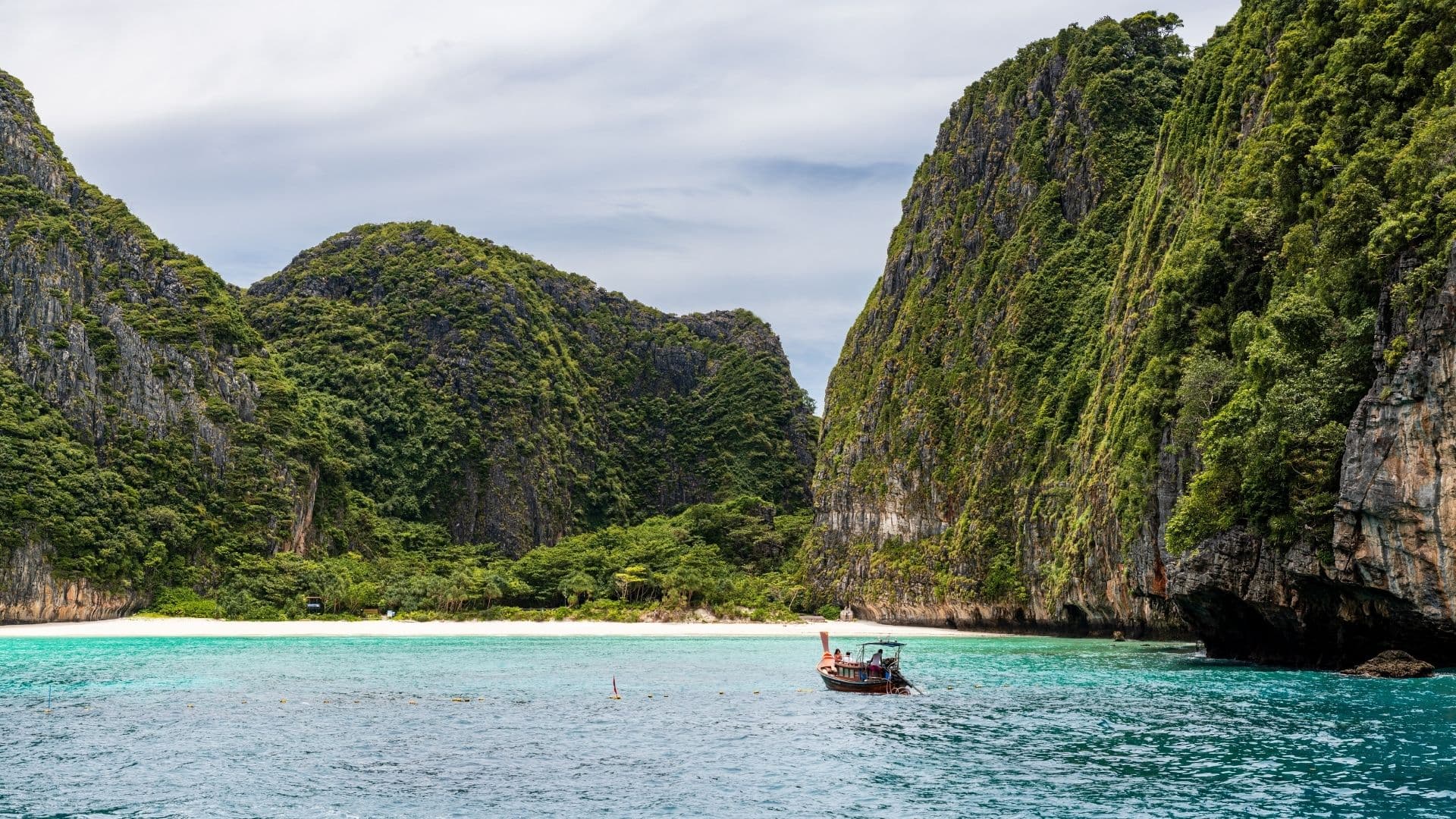
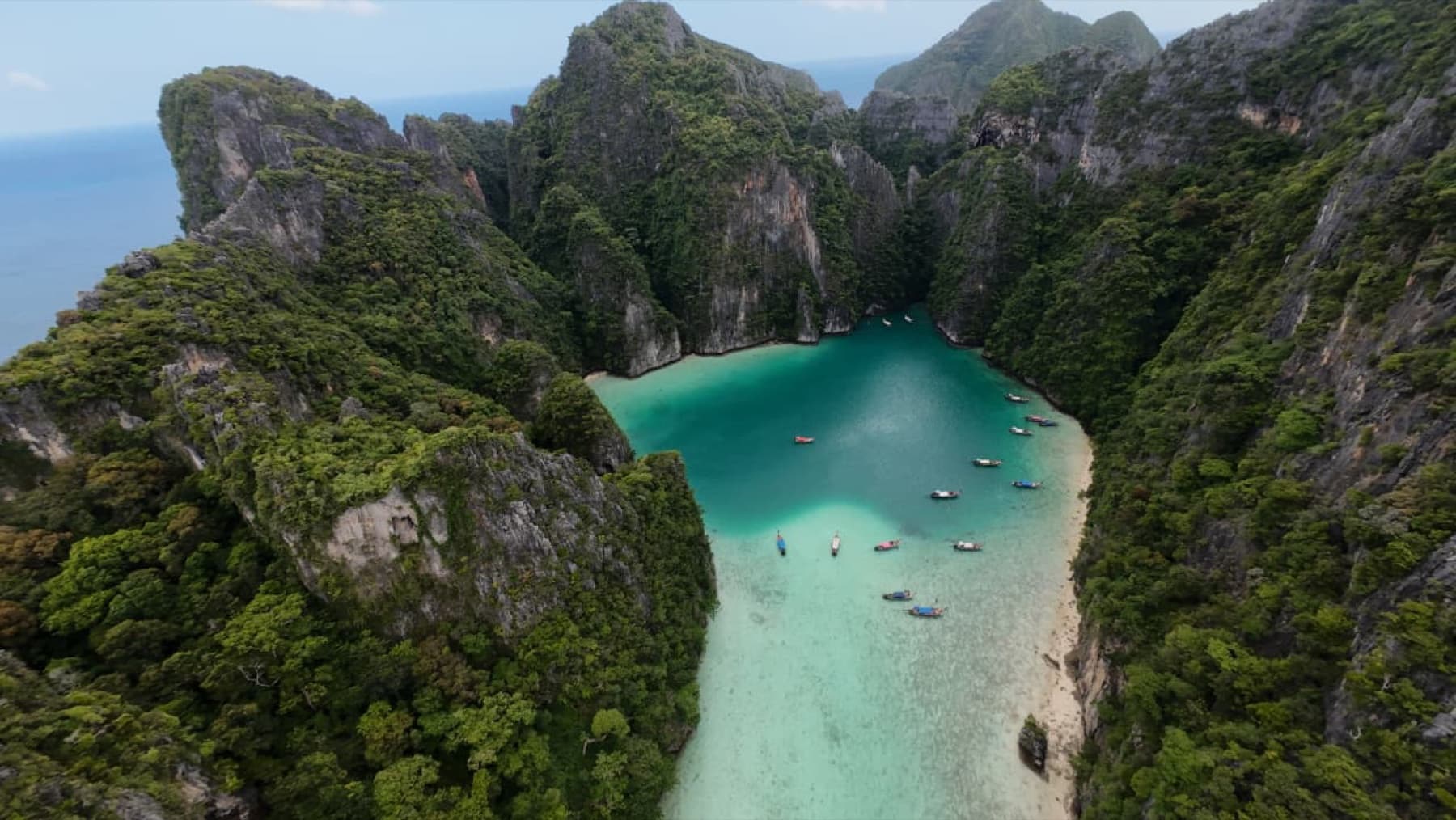
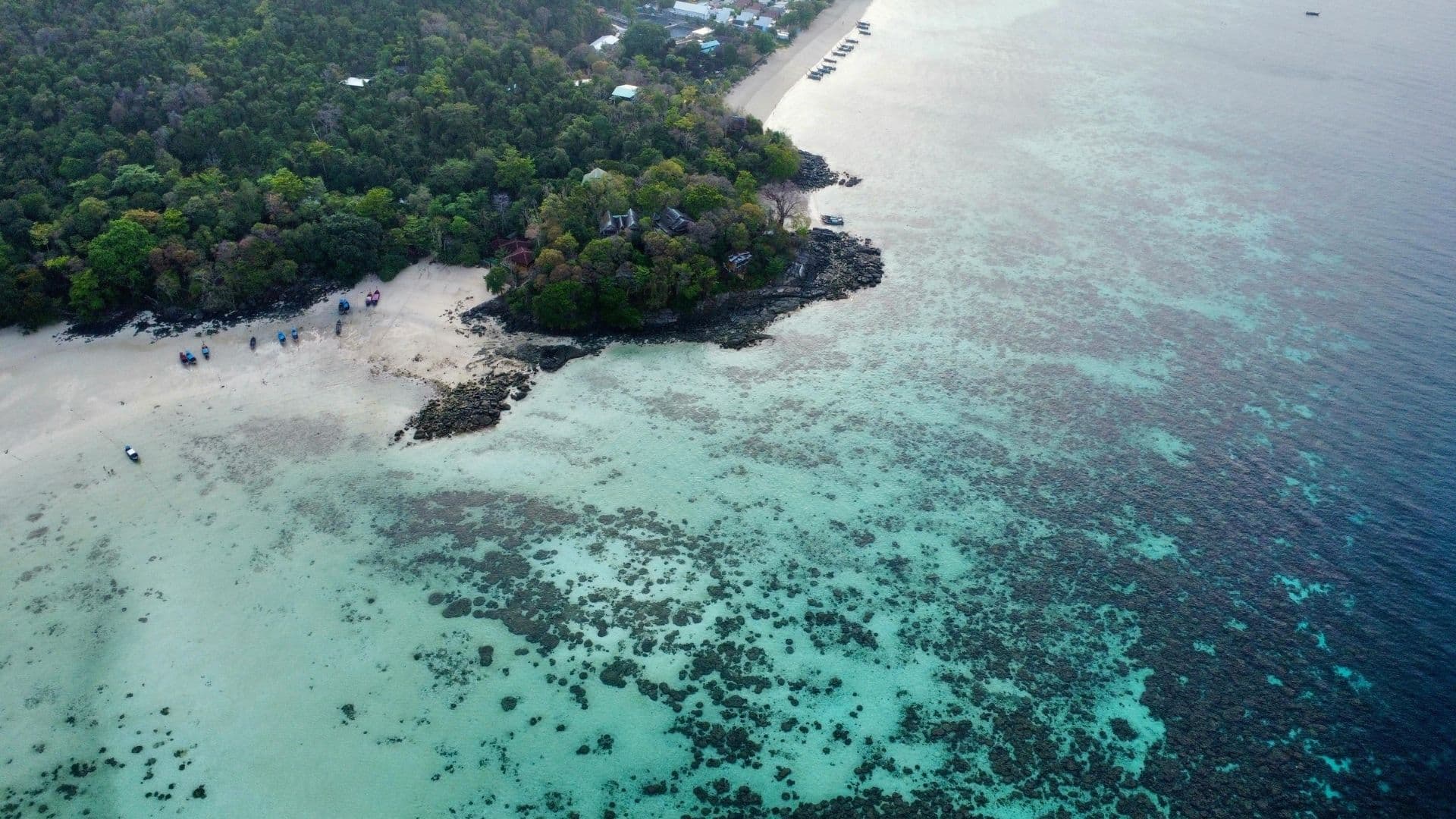
Long Beach, or Hat Yao in Thai, is the long stretch of sand that curves along the south coast of Koh Phi Phi Don. It sits just around the headland from Tonsai village, but the feel is completely different. No roads, no scooter horns, no bar strip. Just sand, a shallow reef and a clear view south toward Phi Phi Leh.
Our team on the island sends travellers to Long Beach every week, some for a full stay, some for a half day of snorkeling. This guide covers what the beach really looks like, how to get there from Tonsai, when it shines, and when you might prefer to stay closer to the pier.
Long Beach Koh Phi Phi in short
Long Beach is the quiet southern beach of Koh Phi Phi Don. The sand is softer and whiter than at Tonsai, the water is shallow and calm most of the high season, and there is live coral close to shore. You can snorkel straight off the beach. Across the channel you see the cliffs of Phi Phi Leh, the island that holds Maya Bay.
It is still on the same island as Tonsai, so going back for dinner or catching a boat tour is simple. Our honest read: Long Beach works best as a chill day trip from Tonsai, or as a split stay with a night or two in the village and a night or two on the quiet side.
Where Hat Yao sits on Koh Phi Phi Don
Picture the shape of Phi Phi Don as a dumbbell: two rocky headlands joined by a thin strip of flat land. Tonsai pier and the village are on the north side of that strip. Loh Dalum is on the opposite side. Long Beach is further south, past the headland and the small coves that come after Tonsai.
It faces south, straight at Phi Phi Leh. The water in front of the beach is part of the channel between the two islands, and that is where the fringing reef lives.
How to get to Long Beach from Tonsai
There are two ways, each with real trade-offs.
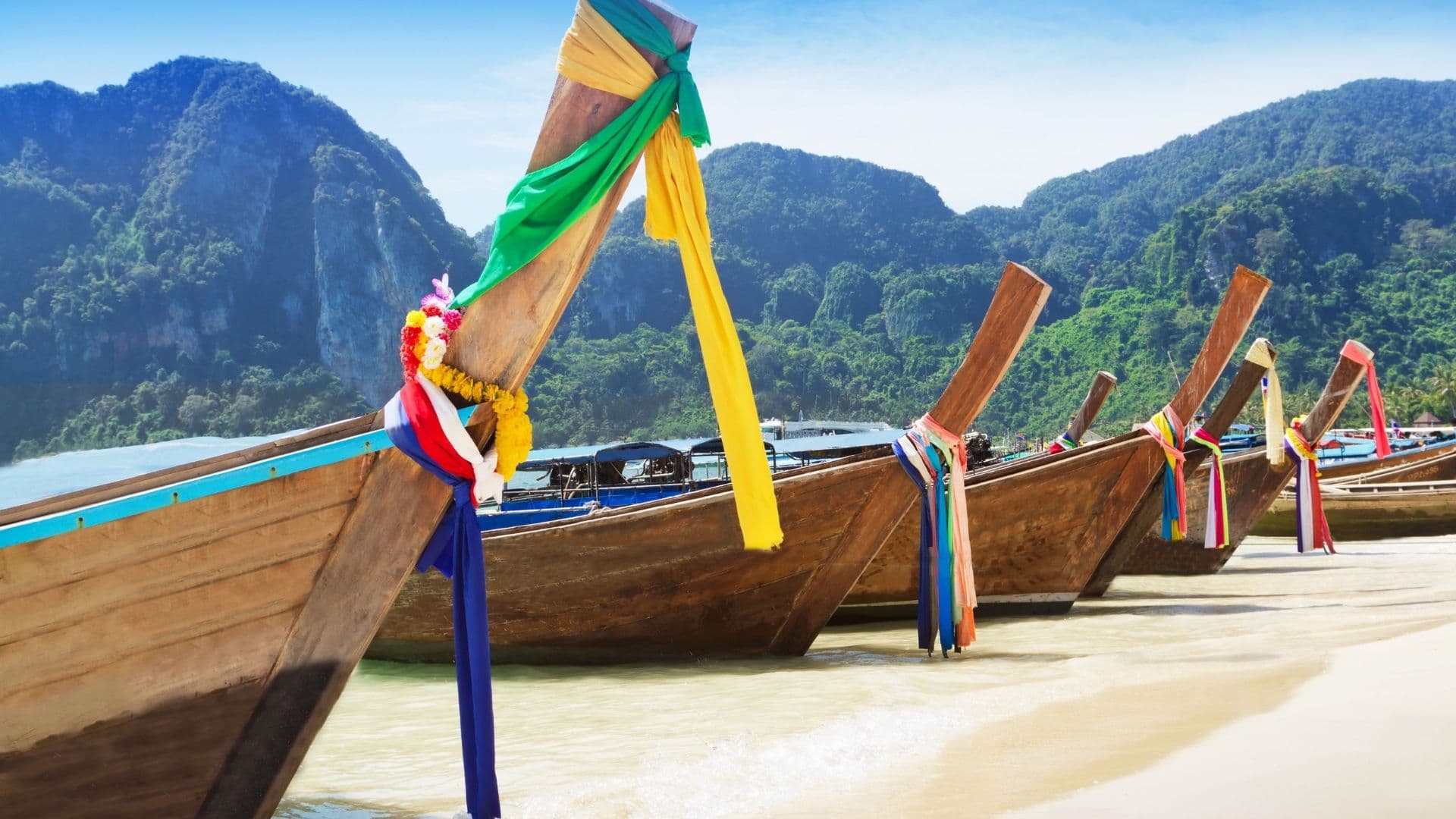
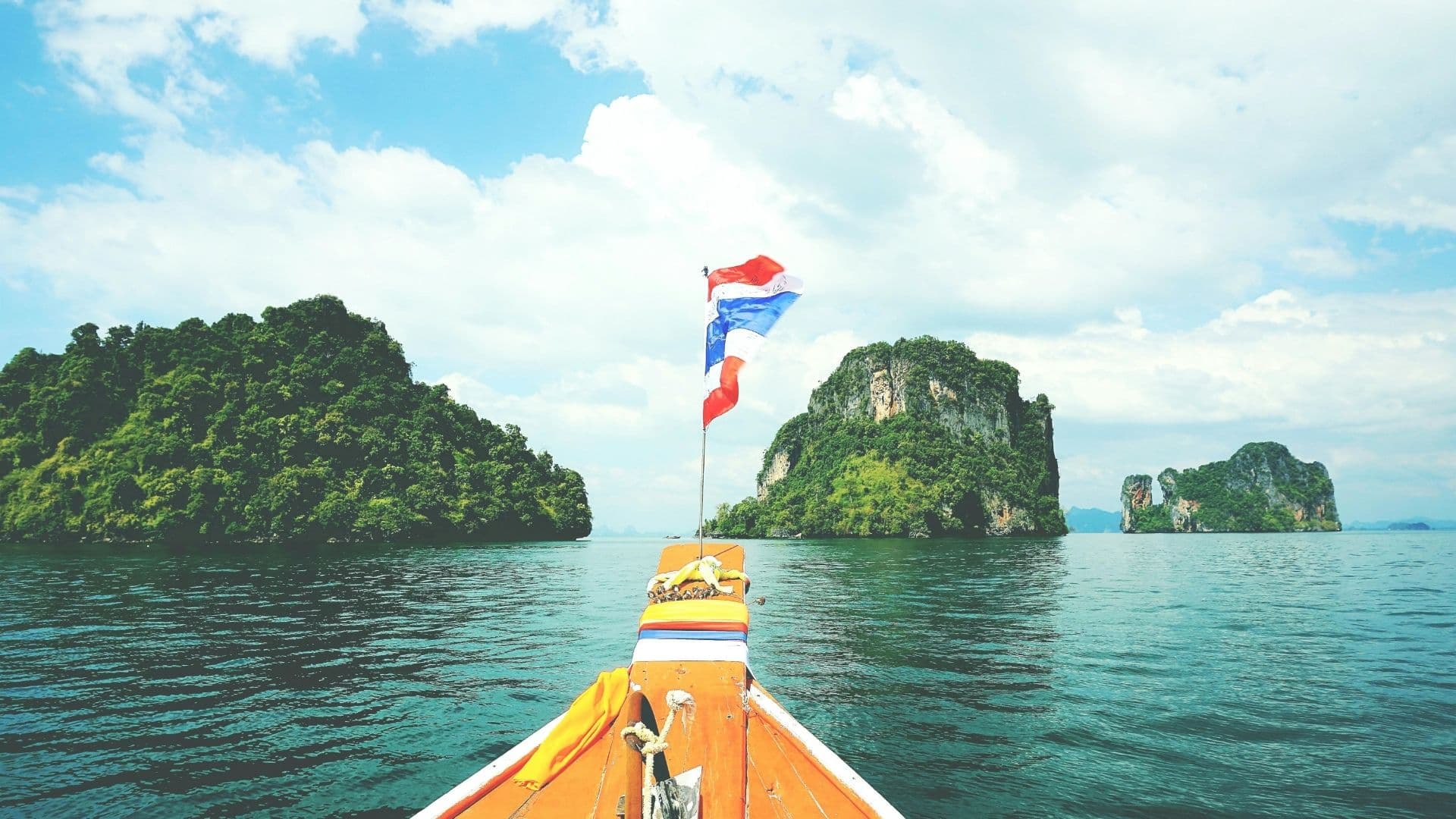
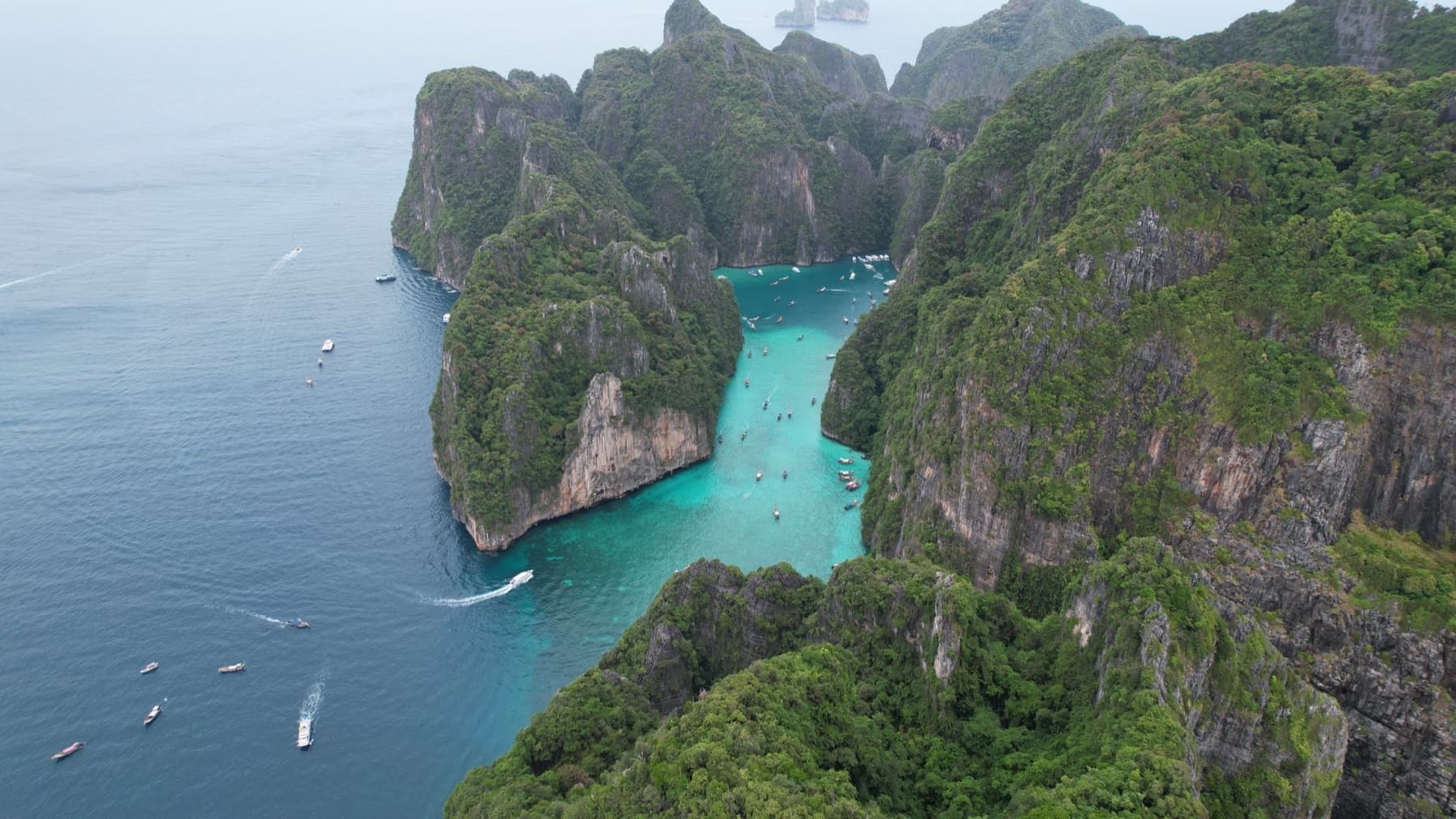
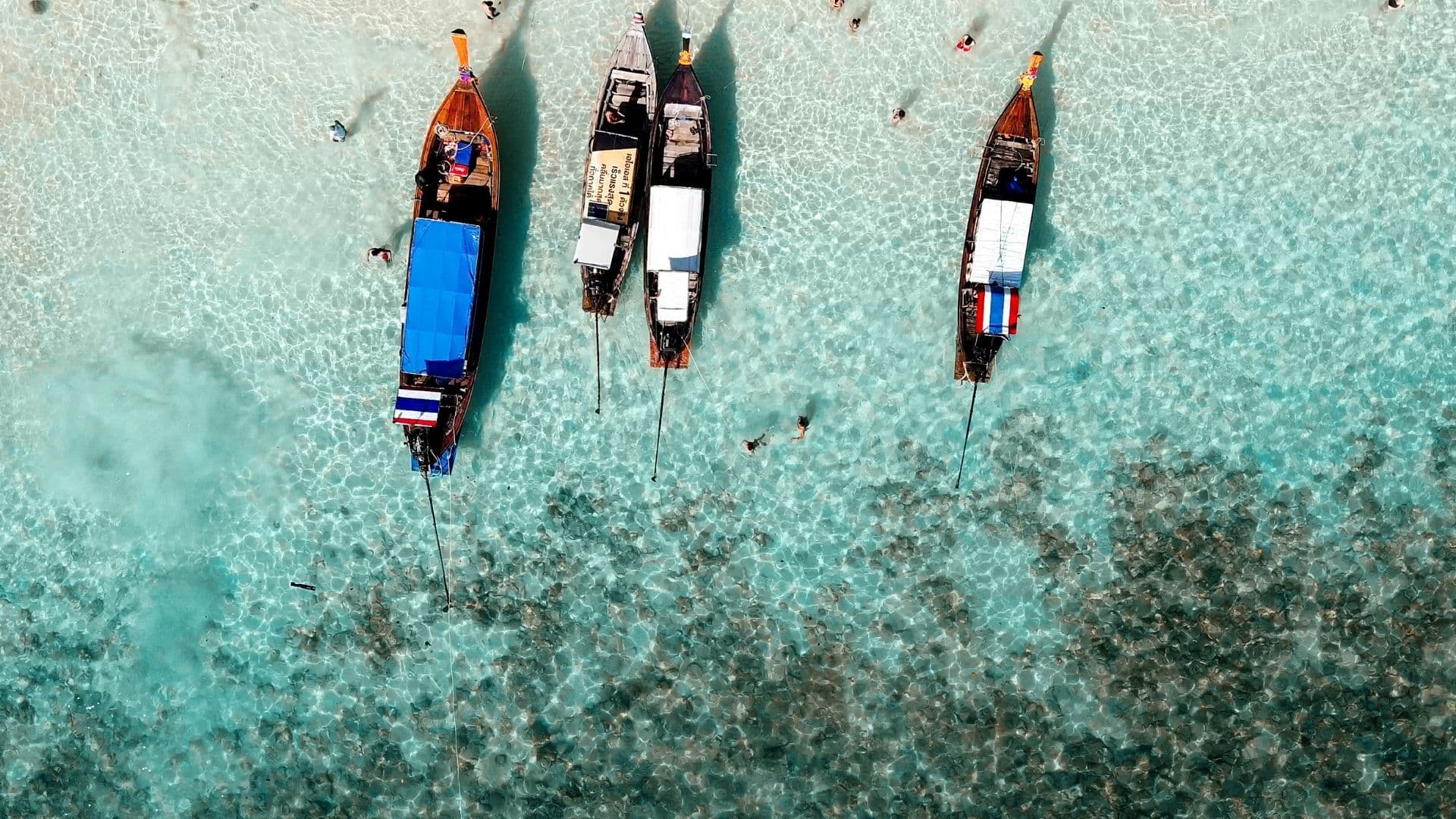
Long-tail taxi from Tonsai pier. This is the easy choice with luggage, with children or after dark. Long-tails run on demand throughout the day from the long-tail beach next to the pier. Ask for Long Beach, agree on the price before you step in, and bring small notes. For a private crossing at your own pace, our private long-tail is the comfortable option.
Walking the coast at low tide. A path links Tonsai to Long Beach along the shore and over a couple of small headlands. It is pretty, with little coves and patches of shade. It is not flat, parts are rocky, and at high tide some sections disappear into the water. Bring real shoes, not flip-flops. We would not recommend it with a suitcase or with small children.
For the route in detail, see our Long Beach walking page.
Snorkeling right off the beach
This is the real reason to come. The fringing reef starts close to shore and runs along most of the beach. Mask on, you see parrotfish, butterfly fish, sergeant majors, the occasional baby reef shark cruising in deeper water. The denser coral tends to be toward the far end of the beach.
Go at mid to high tide. At very low tide the coral is too close to the surface, you risk scraping it (and yourself). Early morning is the clearest, before boats stir up the sand.
If snorkeling is a priority on your trip, pair the house reef at Long Beach with a boat trip to the sites around Phi Phi Leh and Bamboo Island. Our snorkeling guide ranks the best spots around the islands.
The view across to Phi Phi Leh
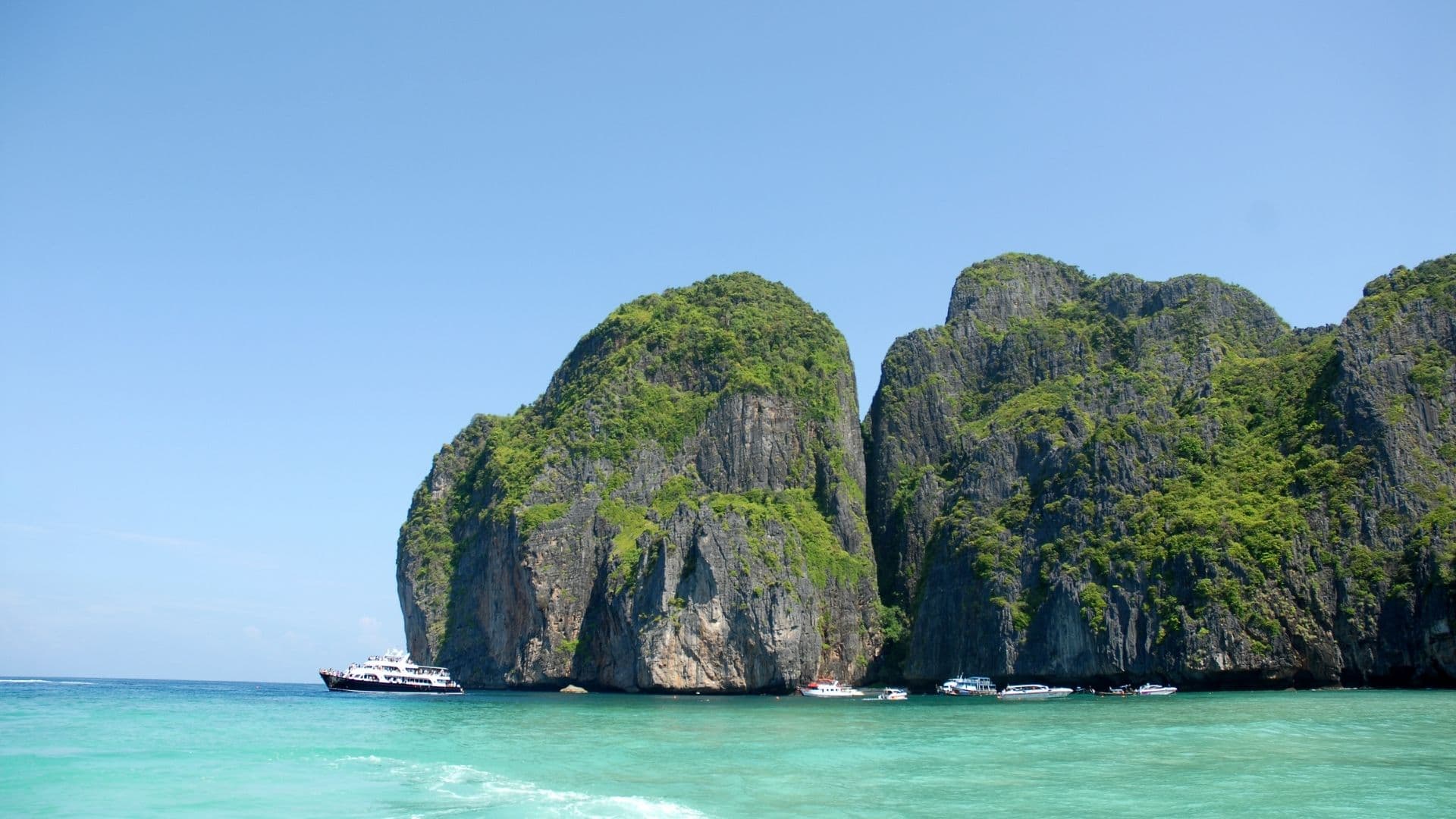
Long Beach looks south at the cliffs of Phi Phi Leh. It is close enough that you can watch boats moving along the shore of Leh during the day, and far enough that the cliffs stand clean against the sky.
Sunset light paints the limestone orange. On a clear evening this is one of the quieter, prettier spots on the whole island, because the crowds are two headlands away in Tonsai.
You cannot walk or swim to Maya Bay from here, but you can see the island that holds it. For context on what is across the water, read our Maya Bay guide.
When Long Beach shines (and when it doesn't)
High season, roughly November to April. Calm sea, clear water, snorkeling at its best. February to April is the driest stretch. December is beautiful but crowded.
May to October, the southwest monsoon. Long Beach faces south, straight into the monsoon swell. The water can turn cloudy and the swim choppy. Rain usually comes as short squalls, not all-day grey, but some days the beach loses its magic.
Time of day. Mornings are calm and quiet. The beach gets strong sun through the afternoon because it faces south. Late afternoon into sunset is the sweet spot for the view across to Leh.
For a month-by-month read, see our Phi Phi by month calendar.
Who Long Beach is for (and who it isn't)
Good for:
- Couples who want quiet sand and a sunset over the water.
- Snorkelers who want a house reef off the beach.
- Travellers who find Tonsai too busy at night.
- A split stay: a couple of nights on the quiet side, a couple near the village.
Less good for:
- A first night on the island with a lot of luggage: Tonsai is simpler.
- Night-owl travellers who want a bar strip after dinner.
- People who do not like short boat rides after dark.
For the full comparison, our where to stay guide covers Tonsai, Long Beach and Laem Tong side by side.
Doing Long Beach as a day trip from Tonsai
If you are staying in Tonsai, a half day at Long Beach is easy. Go in the morning when the water is clearest: take a long-tail taxi, bring a mask (or rent one at the beach), swim, read, swim again, eat lunch on the sand, come back by boat.
Bring baht in small notes for the long-tail and for food. Bring reef-safe sunscreen. Bring a dry bag. There are no ATMs along the beach.
If you want to combine Long Beach with a proper island loop, our Morning Maya sunrise trip reaches Maya Bay before the day boats from Phuket arrive, and the Magic Day speedboat covers more of the islands in one go.
Practical tips from our team on the island
- There are places to sleep and a few small places to eat along Long Beach. We do not name them here: walk the beach and see what is open.
- Carry enough cash for the day. Card payment is patchy away from the village.
- Mobile signal is usually fine on the open beach, weaker inside the small coves.
- Rubbish bins are scarce. Bring a small bag and carry your waste back to Tonsai.
- Swim shoes help over the reef. The coral is closer to the surface than it looks.
- After dark, take a long-tail back to Tonsai rather than the coastal path. It is cheap, safer and fast.