March is when Bangkok turns from pleasantly warm to properly hot. The cool, dry months are behind you and the hot season is starting. We will not pretend otherwise: you will sweat, and the middle of the day is hard work.
Our team lives on Koh Phi Phi, not in Bangkok. We plan Bangkok trips for our guests all year and work with local guides we book directly. This is what we tell people who ask us whether March still works. The short answer is yes, if you change the shape of your day.
Is Bangkok in March worth it?
Yes, for most travellers, with one condition: you plan around the heat. March opens the hot season, which runs roughly from March to May. The cool season, roughly November to February, is over.
What you keep: the rainy season, roughly June to October, is still ahead. The temples, the river, the markets and the food are all there, and the city runs as normal.
What you lose: comfort in the middle of the day. Walking long distances between sights at lunchtime is a mistake we see often in March plans.
If you read only one line, read this: temples early, indoors at midday, river in the late afternoon, street life after dark.
What the heat really feels like
We give no thermometer readings here. They never tell the full story. What matters is how it feels: a strong sun, heavy air, and pavements and courtyards that hold the heat.
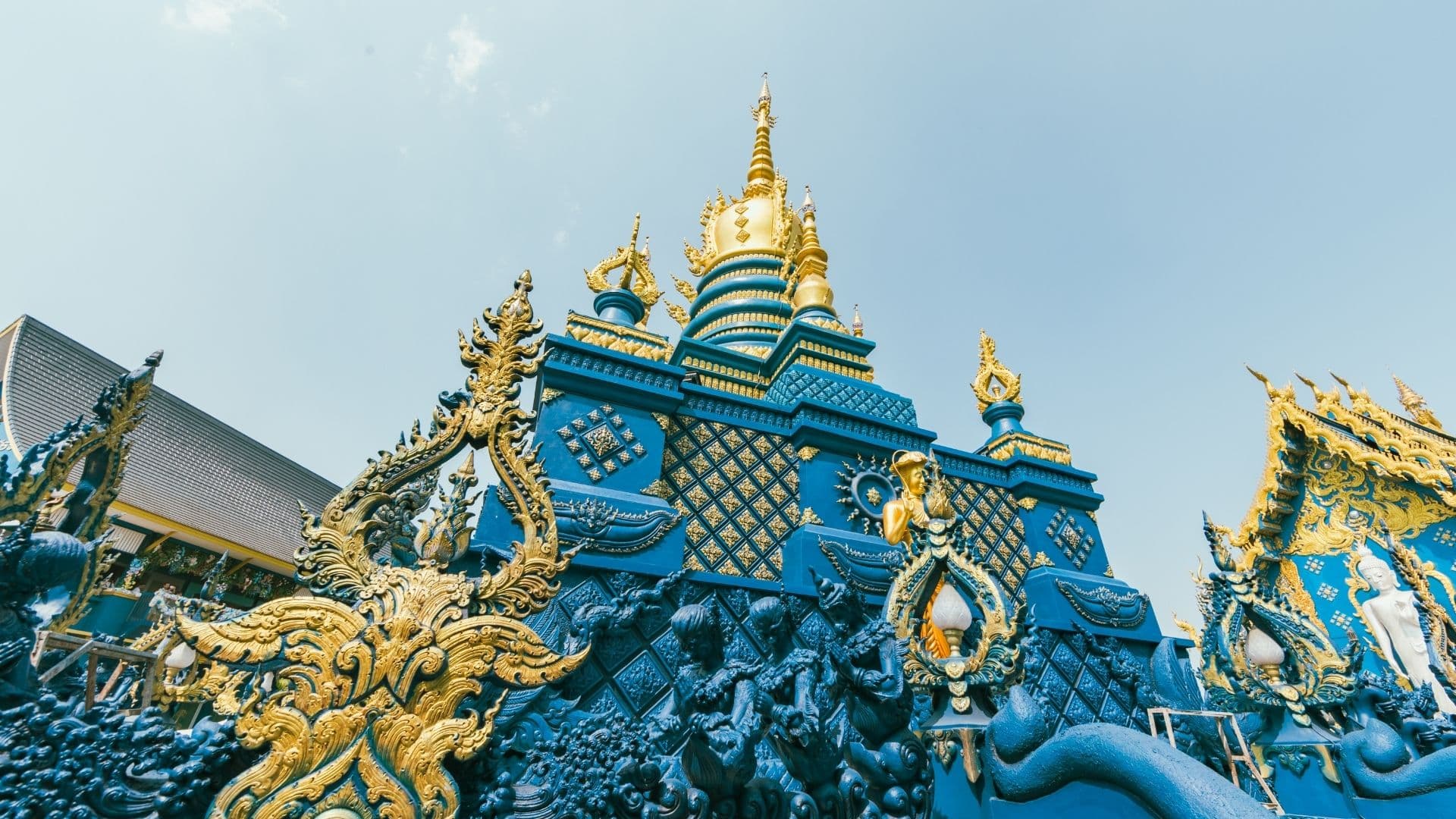
The big temple complexes are the hardest part. They are beautiful, and they are also wide open stone courtyards with little shade.
Evenings bring relief, not cool. You will still be warm after dark, but the sun is gone and walking becomes pleasant again.
Who March is NOT for: travellers who feel ill in strong heat, people with a health condition that heat makes worse, and anyone who is only happy in a mild climate. For you, the cool season is the better choice.
How to structure a March day
This is the rhythm we build into every March plan:
- Early morning: the big temples, while the light is soft and the courtyards are still bearable.
- Late morning to mid afternoon: indoors. Air-conditioned shopping areas, museums, a long lunch, a massage or your hotel room.
- Late afternoon: the river. A boat gives you moving air and a view without walking.
- Evening: markets, street food and night tours.
This is not lazy travel. It is simply the rhythm the heat asks for, and it means you still have energy at night.
If you would rather have someone shape the day for you, our quiet Bangkok private tour is the one we suggest to travellers who want the main sights at a calmer pace, with a local guide we book directly. Live prices are on the tour card.
Temples first, and early
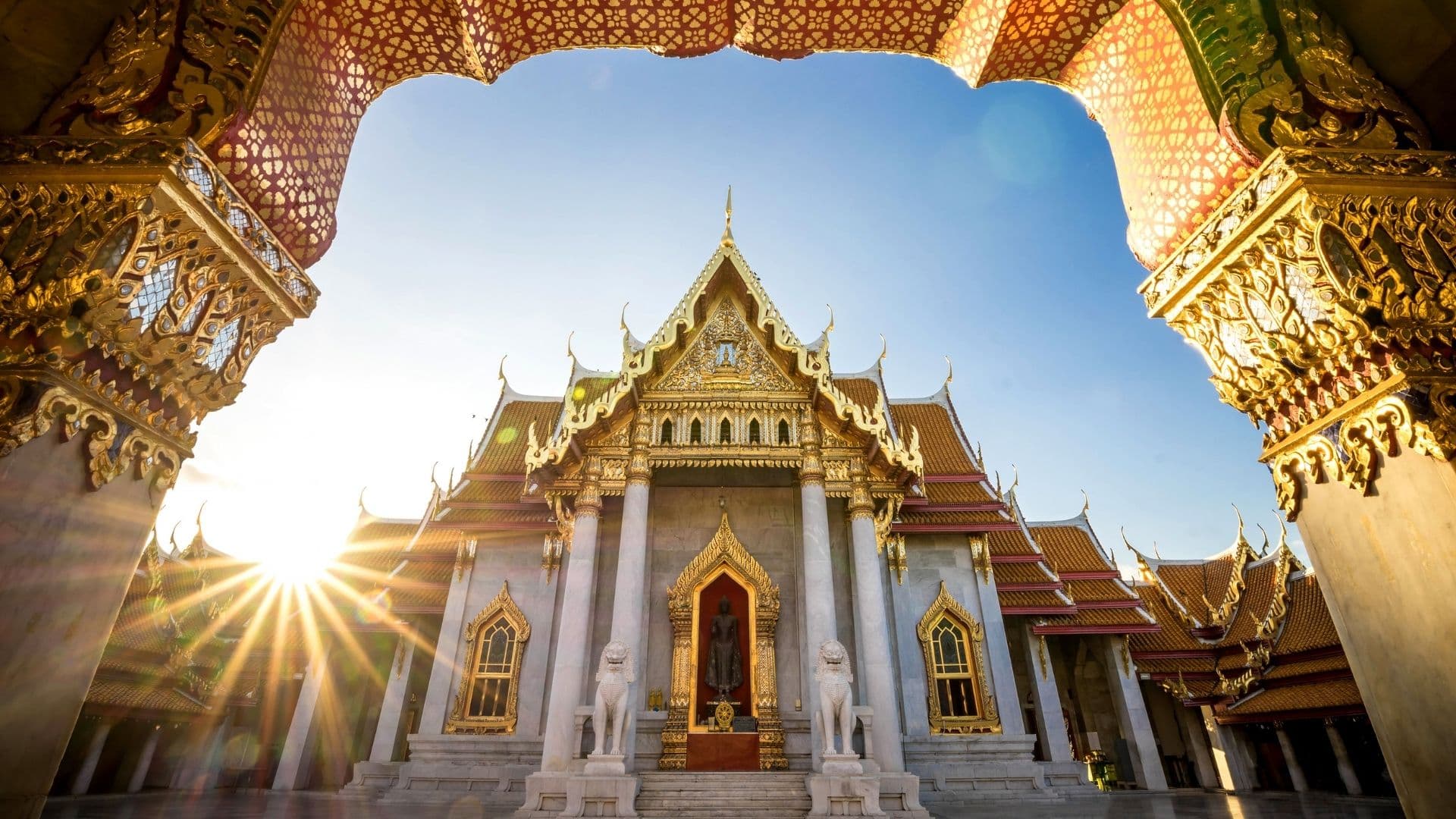
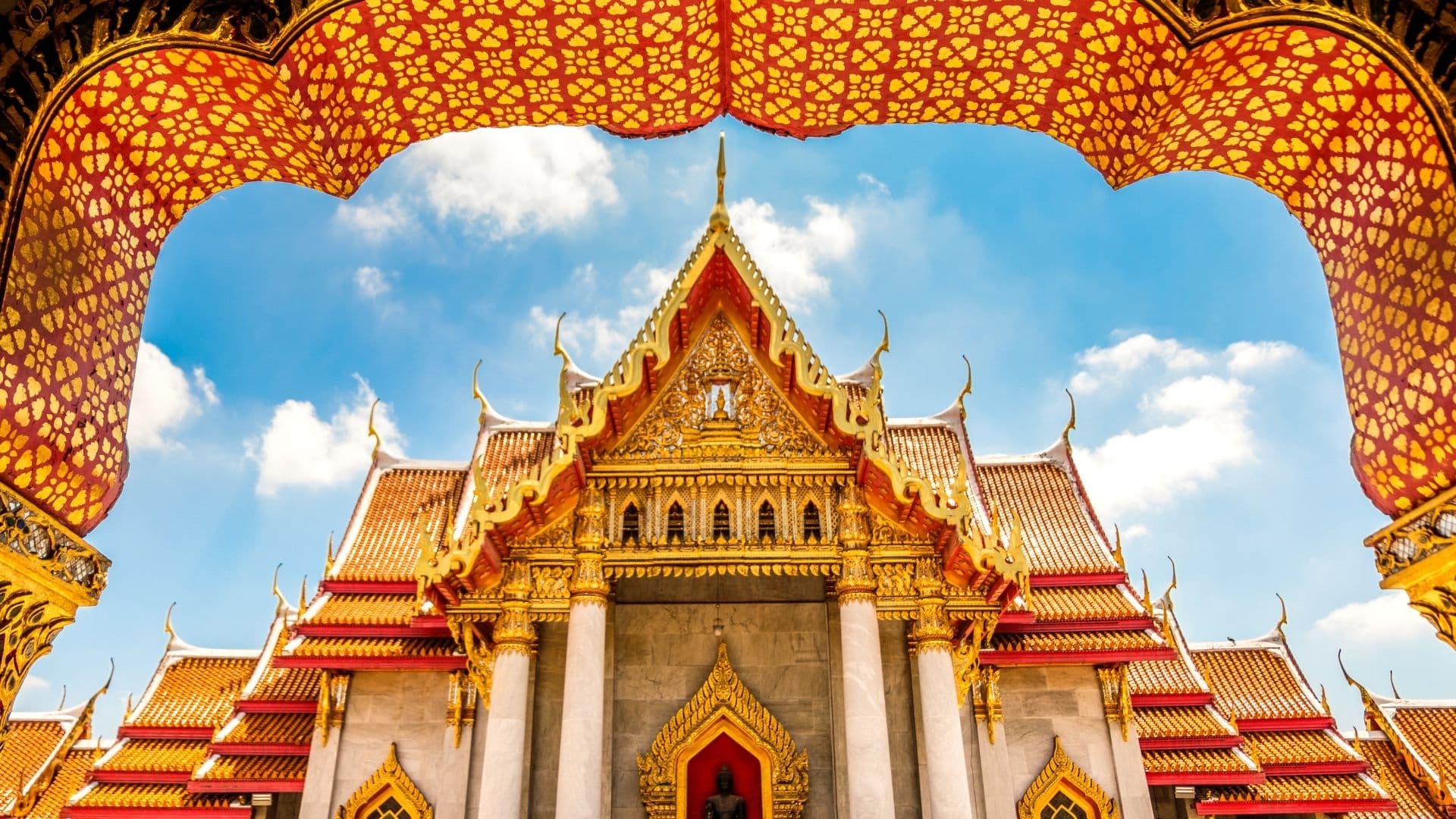
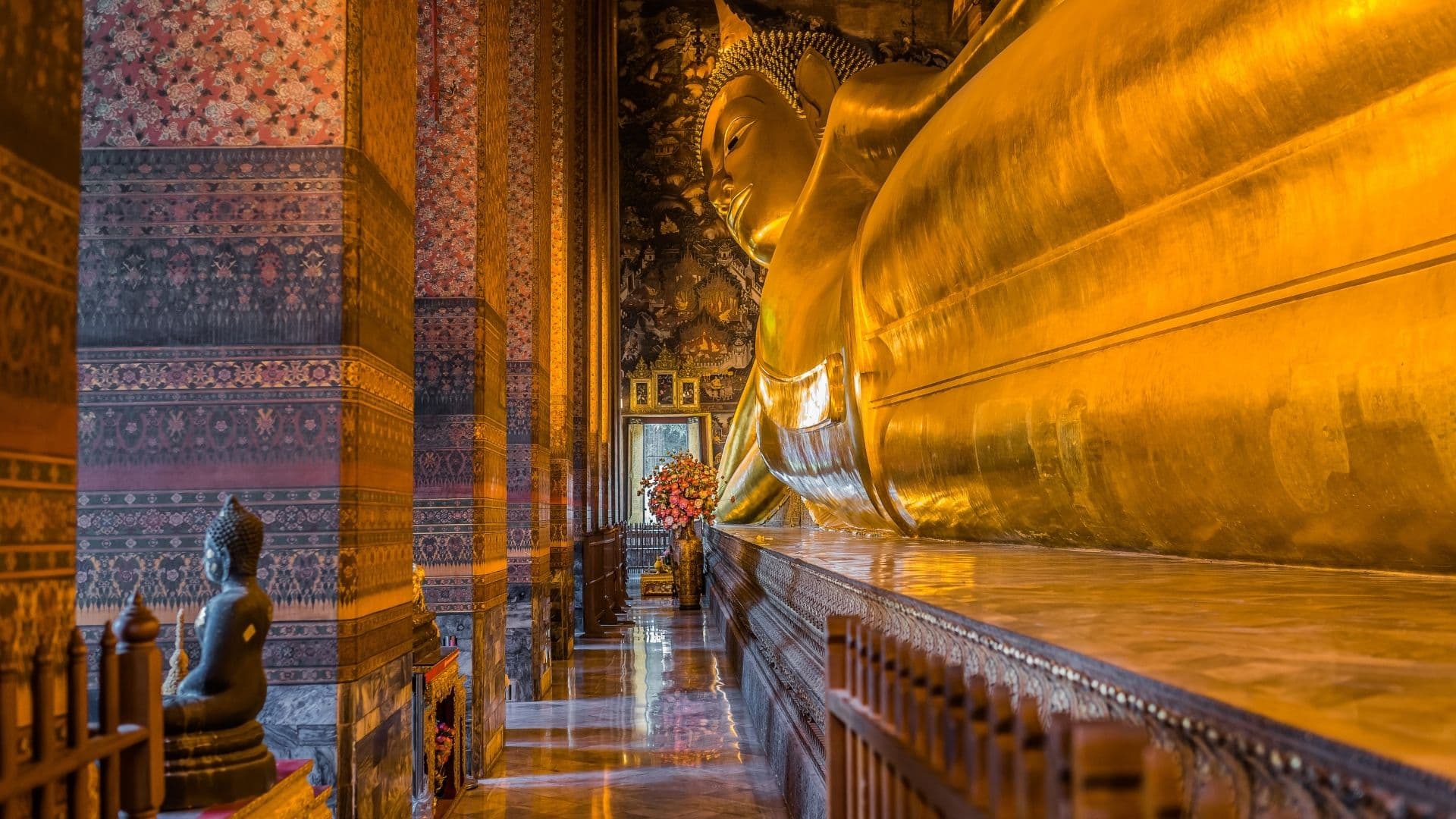
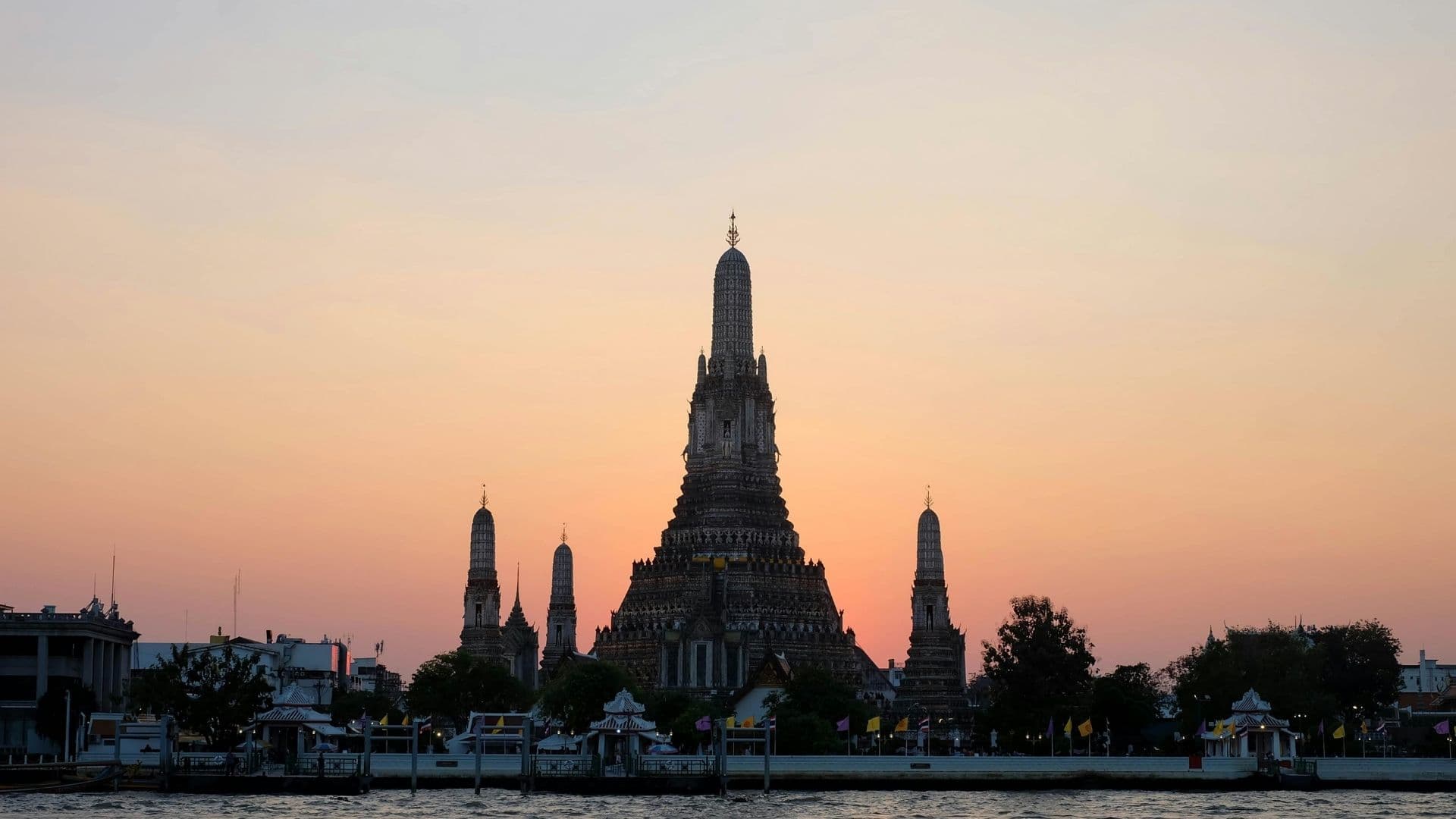
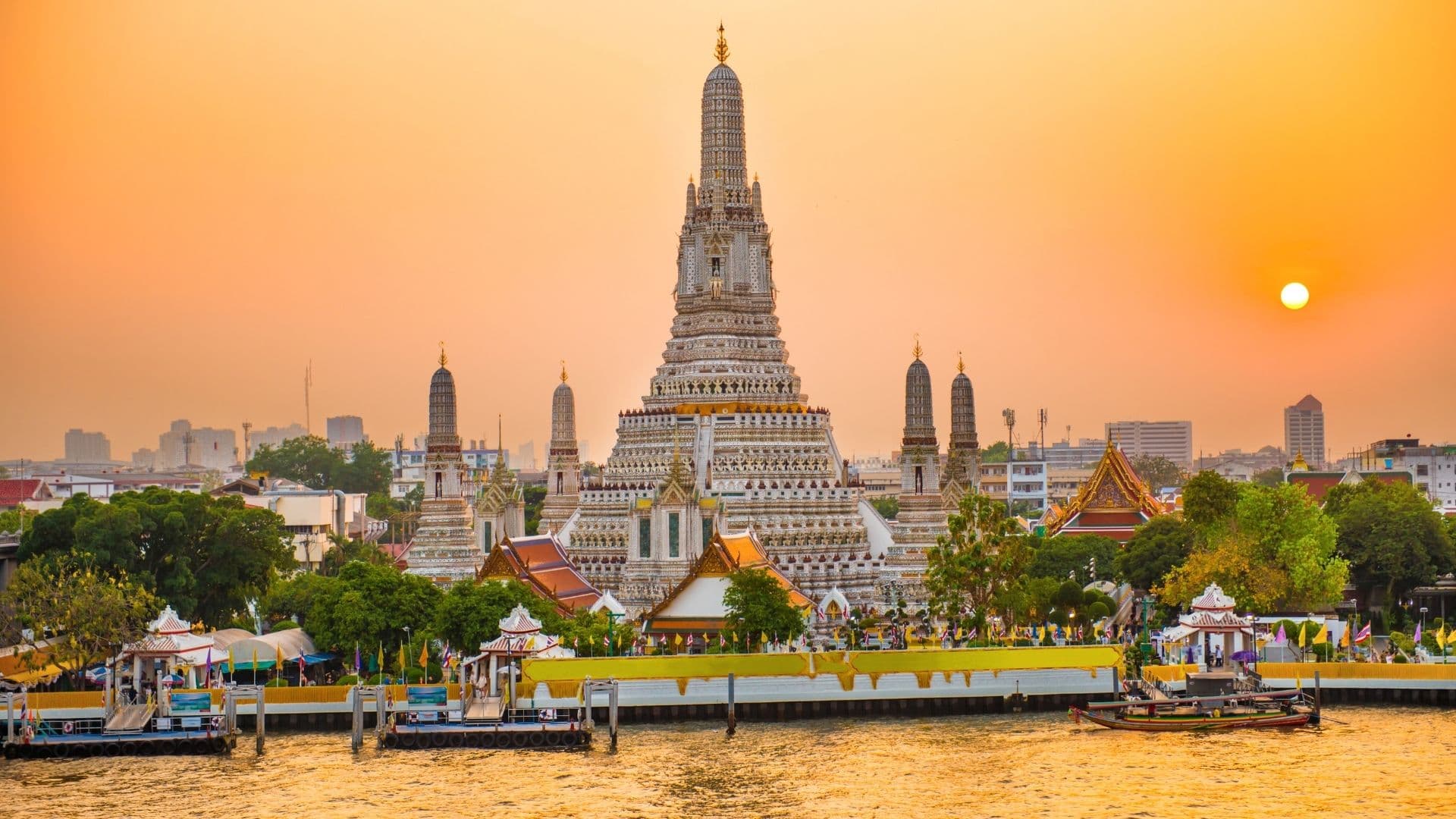
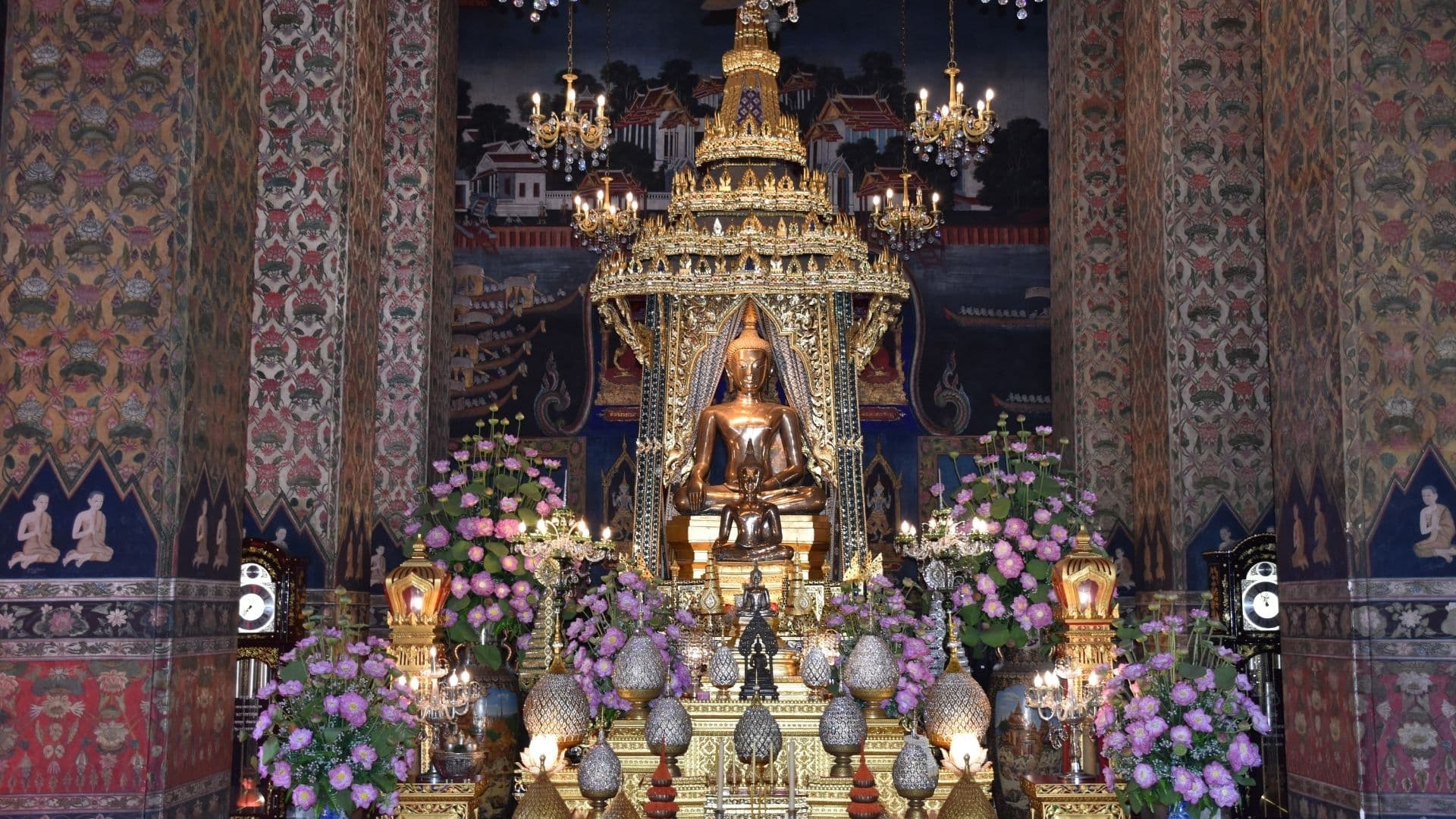
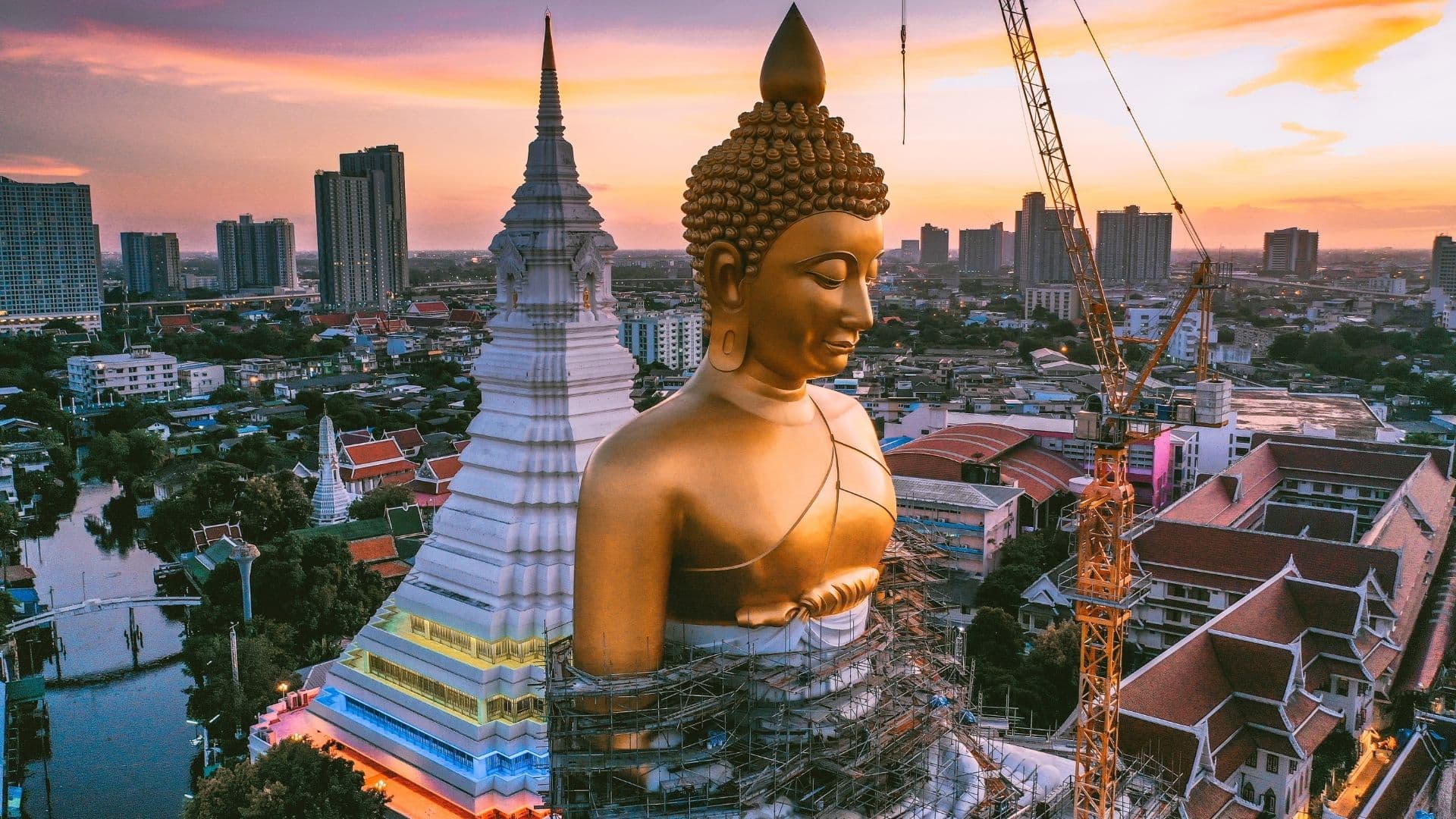
The Grand Palace, Wat Pho and Wat Arun are the classic trio for a first visit. Go as early as you can manage. We do not list opening hours: check them before you go.
The dress code still applies in the heat: shoulders and knees covered. Light, loose, breathable clothes that cover you are far more comfortable than shorts plus a borrowed wrap. Our temple dress code guide explains what passes at the gate.
Do not try to see everything in one morning. Pick one or two sites, then stop before the heat peaks.
Watch for the classic scam: a friendly stranger tells you the Grand Palace is closed today and offers to take you somewhere else. Walk to the gate yourself and check.
Prefer a guide to handle the logistics? Our Grand Palace and temples tour covers the classic temples. Bangkok tours can be booked online until 18:00 Bangkok time the day before.
The midday break: rest without guilt
From late morning, get out of the sun. Anything with a roof and air conditioning is your friend.
- Use the BTS Skytrain or the MRT metro instead of walking between areas.
- Spend the hottest hours in the big air-conditioned shopping areas along the Skytrain lines. Their food courts make an easy lunch.
- Go back to your room for a shower and a sleep. It is the secret to good evenings.
- Book a Thai massage. It is a gentle way to spend the hottest stretch.
Metered taxis also help at midday. Make sure the meter is running when you set off.
Drink water all day, more than you think you need. A hat, sunscreen and a refillable bottle are not optional in March.
Late afternoon on the Chao Phraya
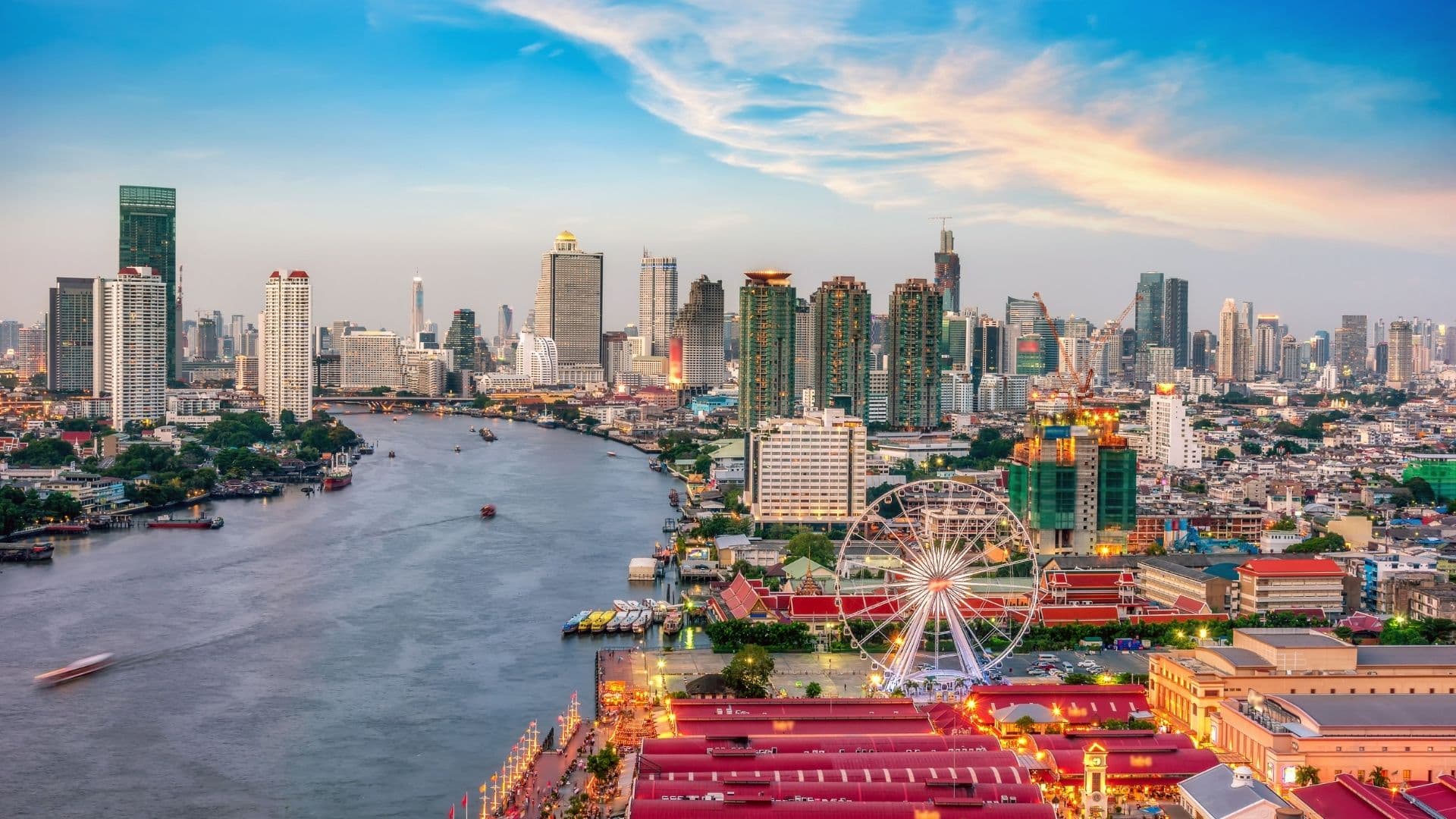
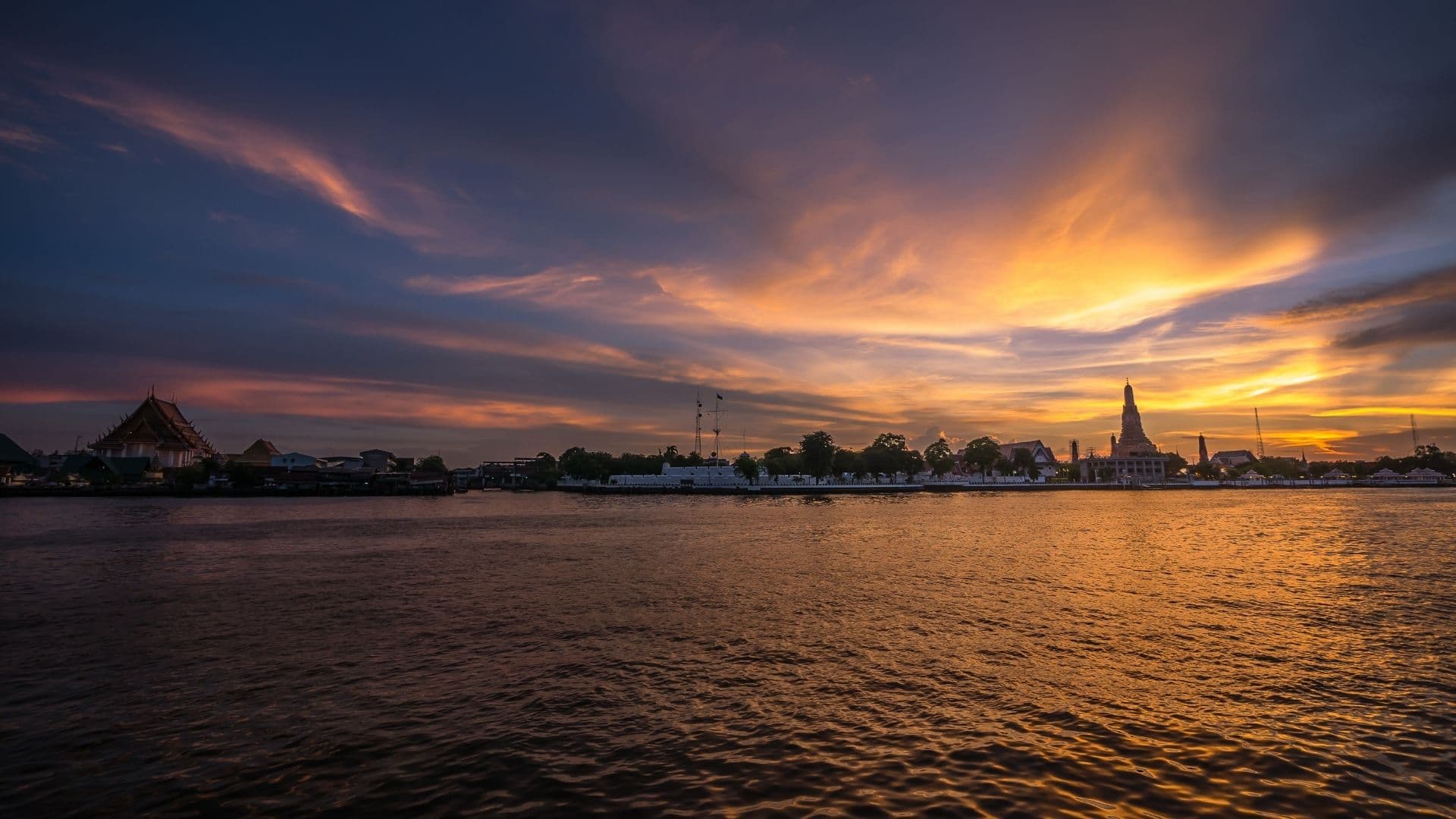
The river is the best heat strategy Bangkok has. On a boat you sit, the air moves, and the city slides past.
The public Chao Phraya river boats are a practical way to move between riverside sights without walking in the sun. Our Chao Phraya river guide explains the boats and the piers.
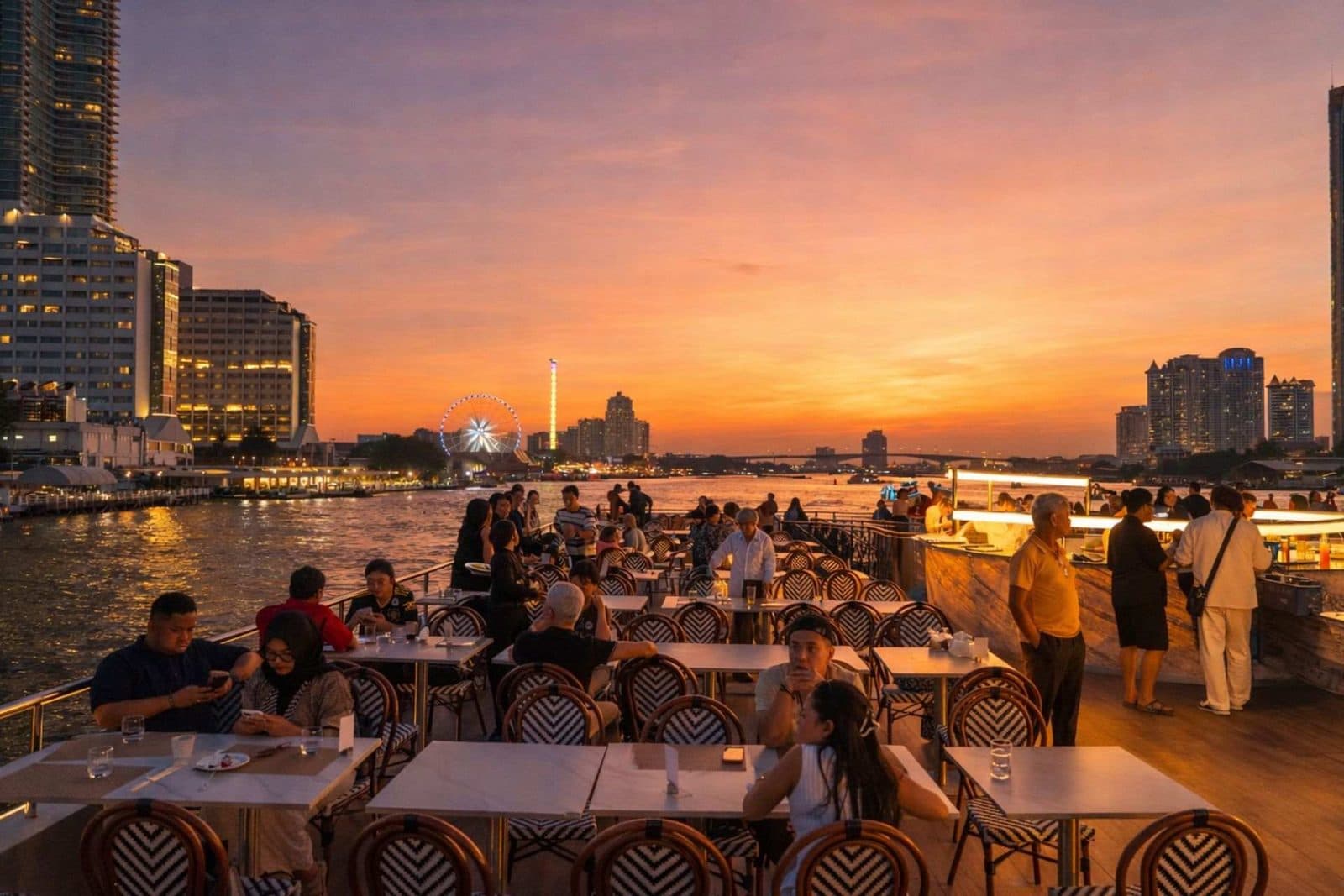
As the sun drops, the light on the temples along the banks is lovely. Our sunset river cruise is the easy way to enjoy it without working out piers and connections. The tour card shows the live price.
Evenings: when Bangkok comes back to life
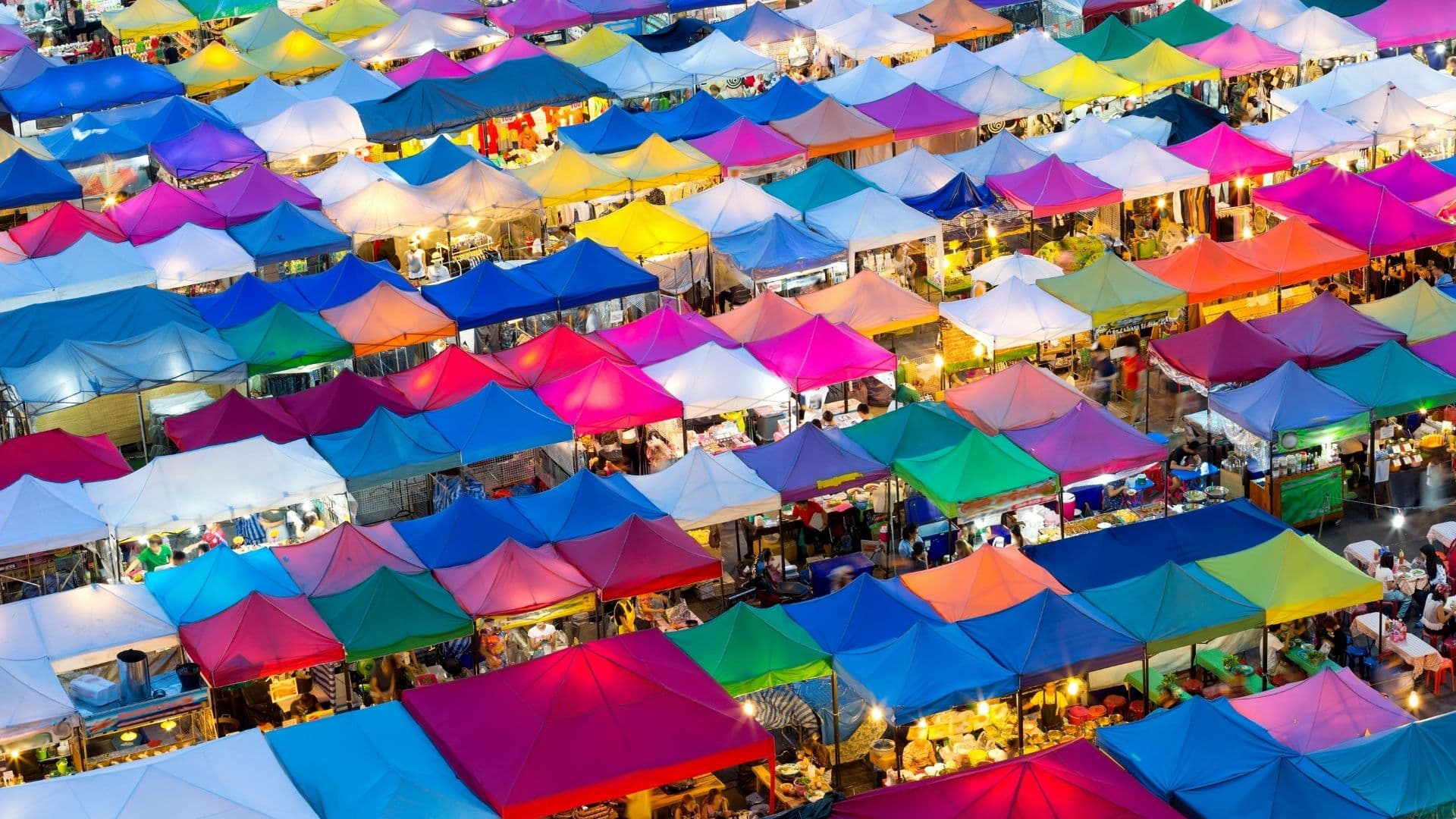
After dark the heat eases and Bangkok does what it does best: markets, street food, lit temples and busy neighbourhoods like Chinatown.
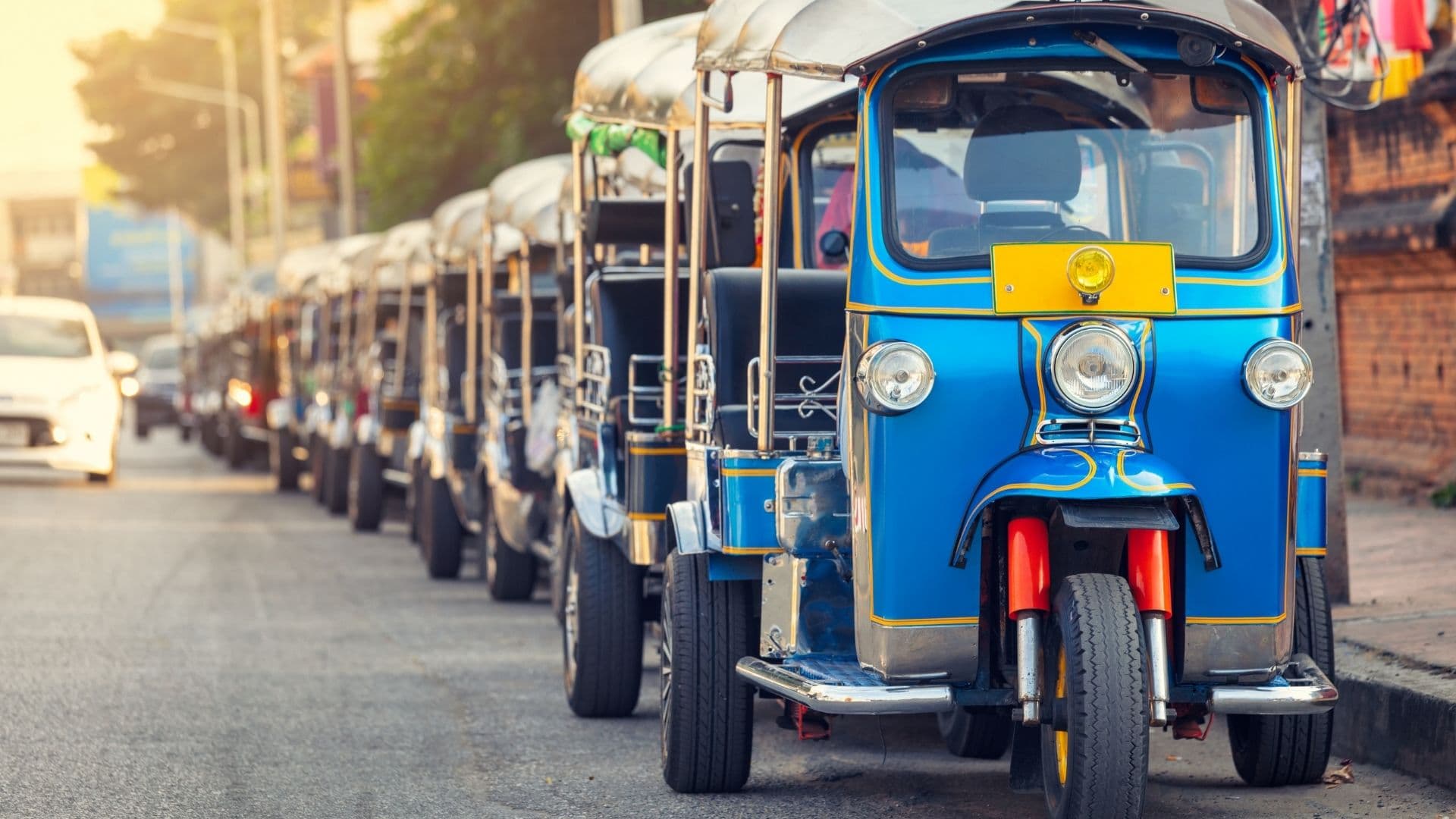
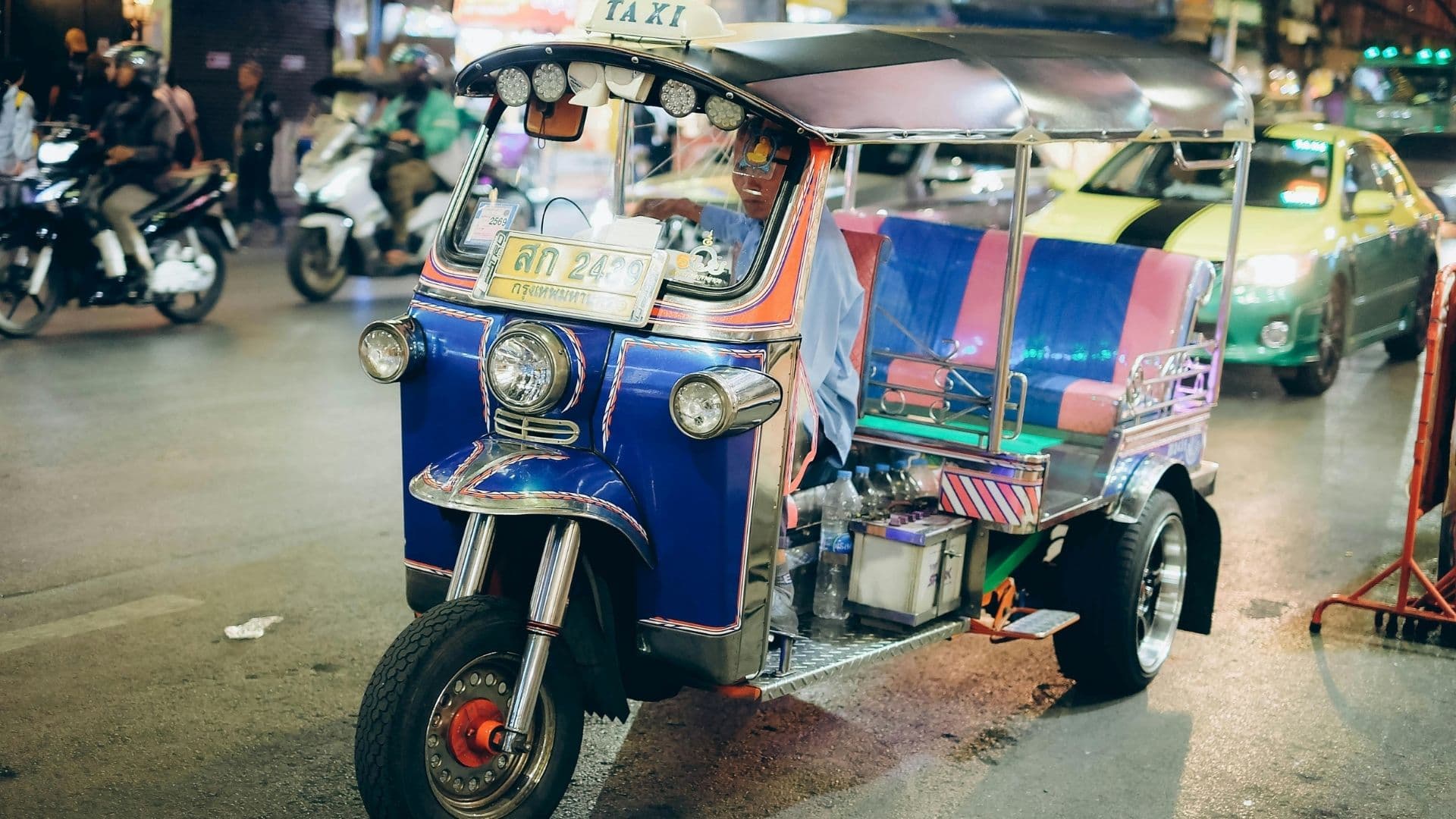
Our Bangkok by night tuk-tuk tour is the evening we suggest most in March. The ride itself creates a breeze, you see a lot without walking it, and a local guide shows you the city after dark.
Taking ordinary tuk-tuks on your own? Agree on the price before you get in.
Eat where it is busy and keep drinking water. Who evenings are NOT for: travellers who want an early night every night. In March the good hours are early and late, so a rest after lunch is what makes the evenings possible.
Who should think twice, and how to adjust
Some travellers need a gentler plan in March.
- Families with young children: shorter mornings, long rests at the hotel, and evening outings close to where you stay.
- Seniors and heat-sensitive travellers: a private tour with a vehicle between stops saves a lot of walking in the sun.
- Day trippers: Ayutthaya, the floating markets, the railway market and Kanchanaburi are largely outdoors. Leave early and plan shade breaks.
If the heat is a real worry for your group, be honest about it. Fewer sights done well beats a long list done exhausted.
Escaping the heat: islands, the north and next month
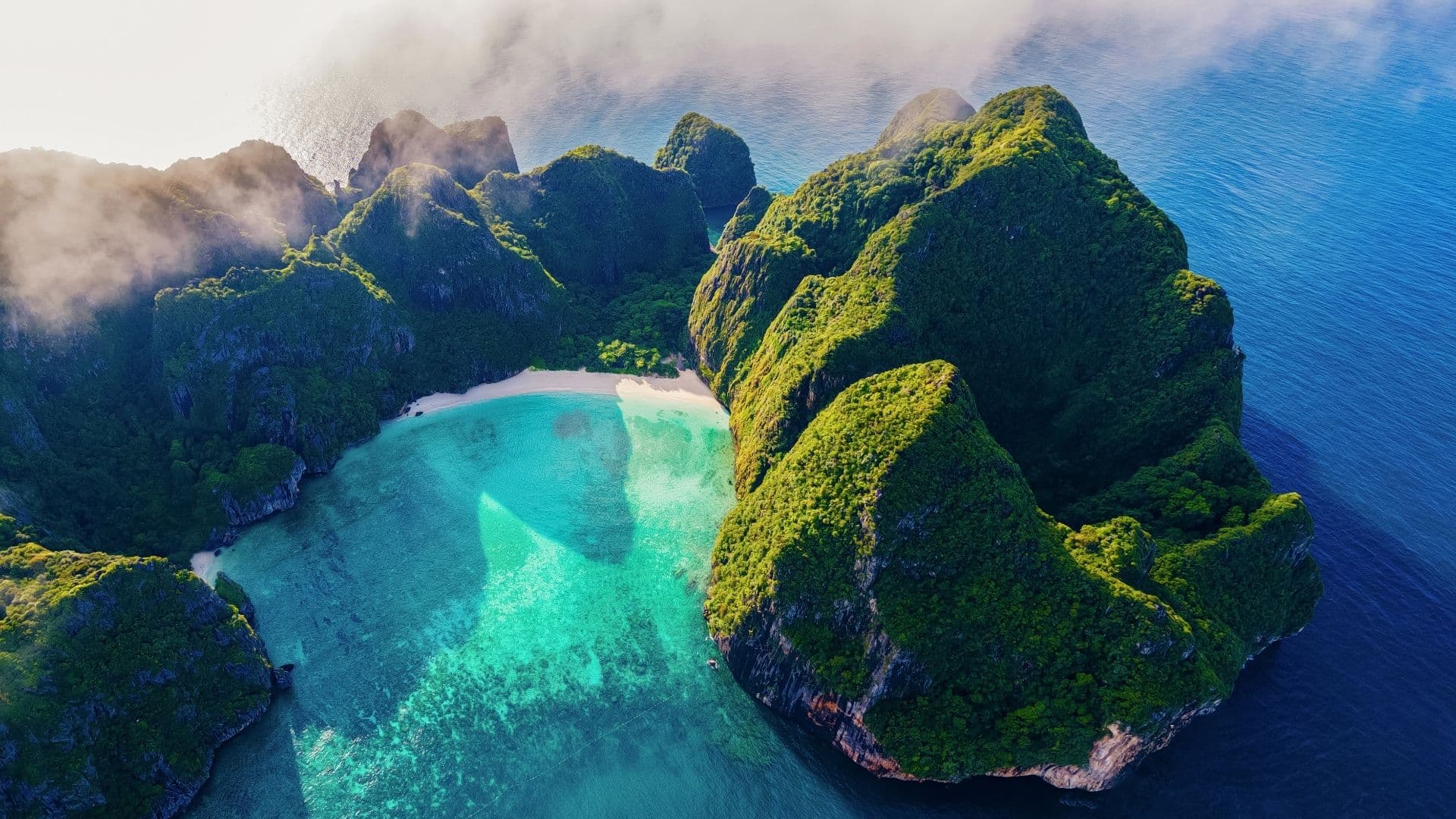
Many travellers pair Bangkok with the coast. On the Andaman side, February to April is the driest part of the high season, with calm sea and clear water. That is our home, and it is a lovely time on the islands. They are hot too, but the sea is right there. Our Andaman Sea islands guide helps you pick one.
Chiang Mai is not a cool escape in March. It is hot season there too, and from roughly February to April the air is often hazy and smoky because of agricultural burning. Check air quality before you book, especially with asthma or young children. Our Chiang Mai planning guide covers the smoke question.
Songkran, the Thai New Year water festival, is next month, from 13 to 15 April. It is not part of a March trip.