Phi Phi Paradise TravelPhi Phi Paradise Travel
清迈旅游与一日游

五片版图,同一份匠心

清迈旅游与一日游

寺庙、大象保护区、兰纳文化

探索清迈寺庙、道德大象保护区和古老的兰纳遗产。预订正直可靠的旅游——无动物表演或骑象。

本页面目前为法语版本。翻译版本正在准备中 — 我们的管家很乐意用您的语言为您服务。

About Chiang Mai

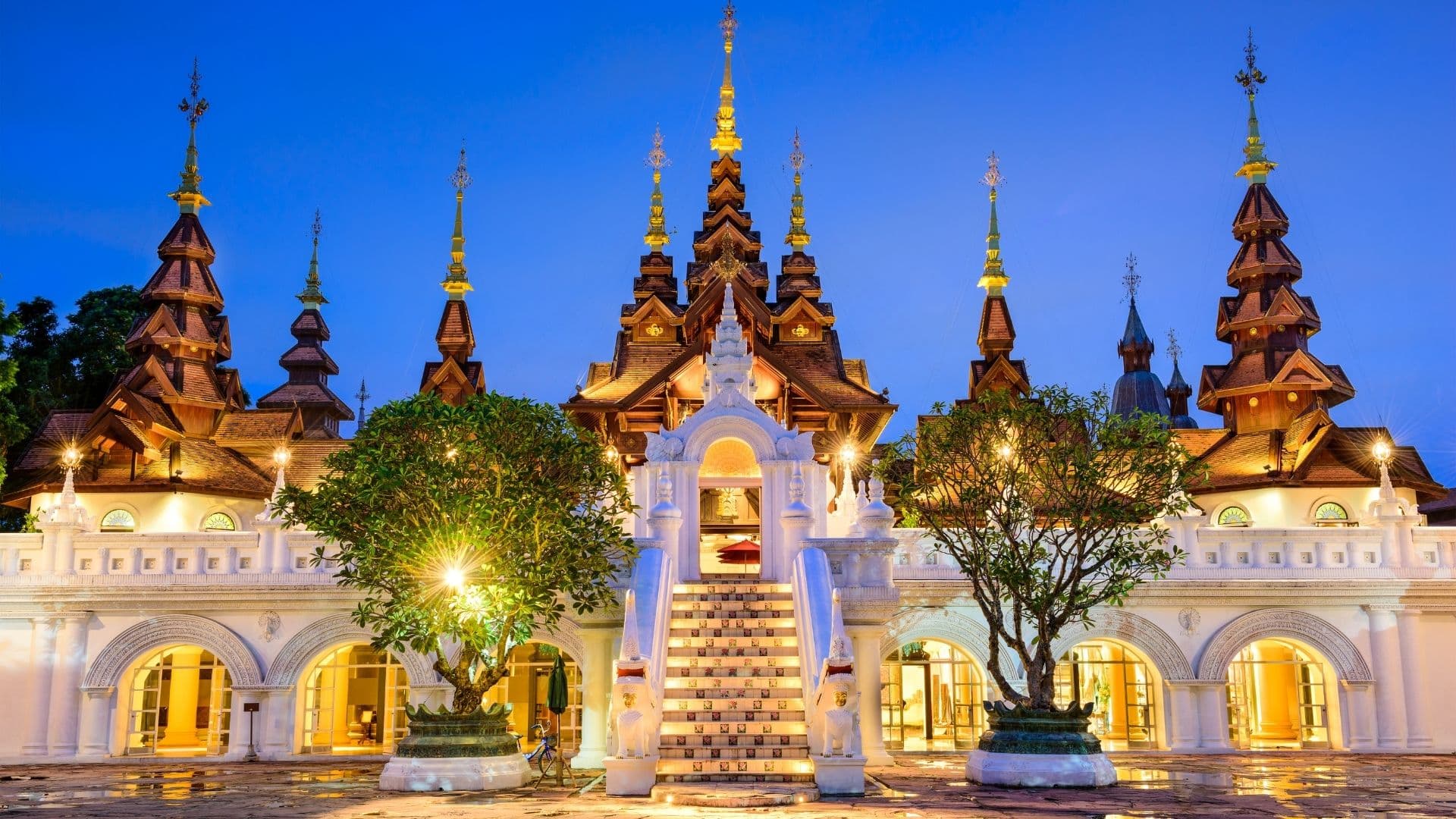
Chiang Mai is Thailand's cultural heart—home to over 300 Buddhist temples, lush mountain landscapes, and the ancient Lanna Kingdom's living heritage. Unlike coastal beach towns, Chiang Mai offers immersive experiences in northern Thai culture: monks, markets, mountain villages, and yes, elephants. We're honest here: ethical elephant tourism means no riding, no performances, just respectful sanctuary visits where these remarkable animals live naturally. Chiang Mai rewards slower travel. Spend time in the Old City's quiet alleyways, watch artisans craft silk and ceramics, climb misty temple steps at dawn, and join local cooks in their kitchens. The city welcomes roughly 2 million visitors yearly, yet pockets of authentic Lanna life remain if you know where to look. That's what we help you find.

When to visit Chiang Mai

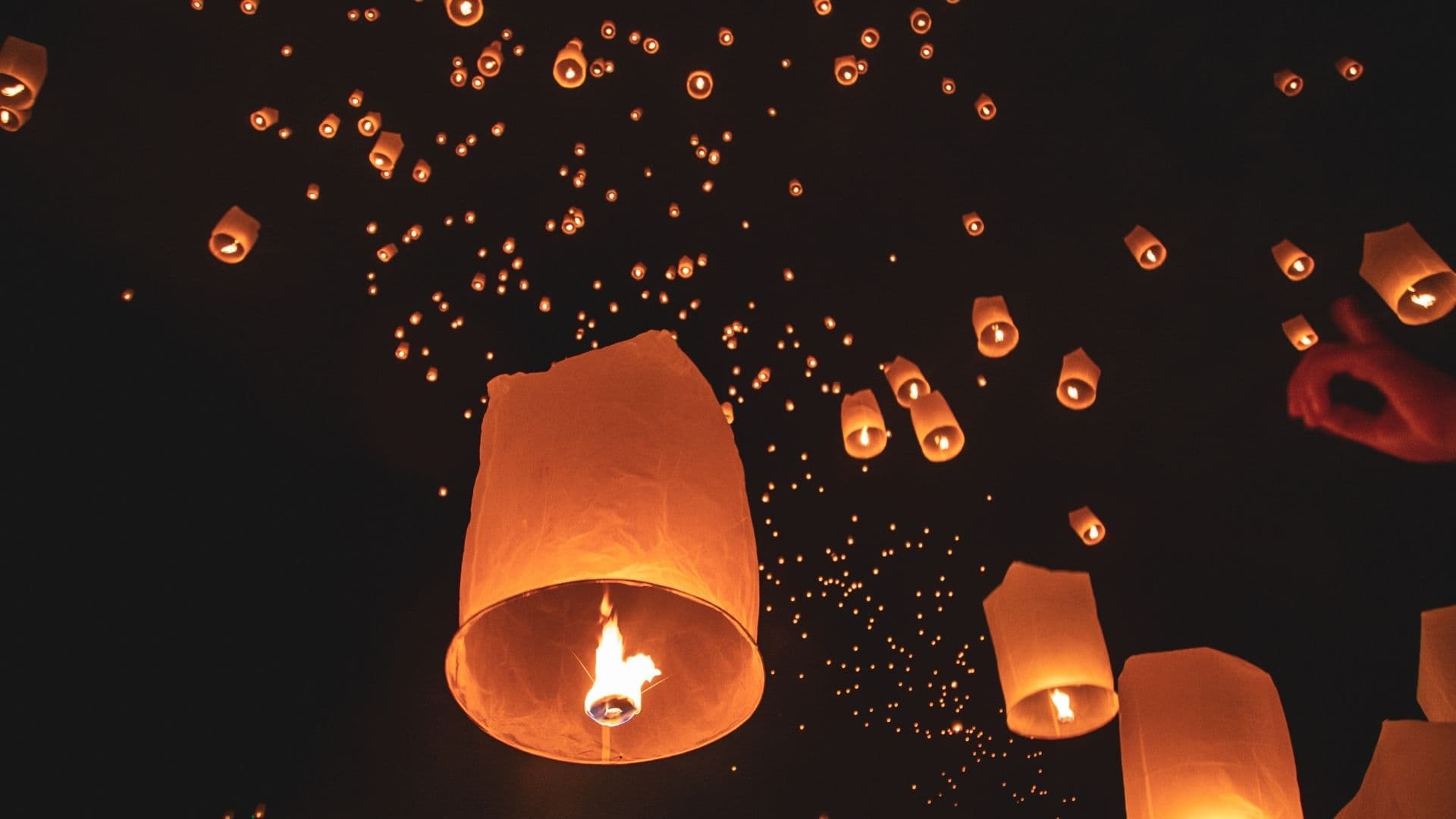
Chiang Mai's cool season (November–February) is ideal: 15–25°C, clear skies, perfect for trekking and temple visits. November brings Yi Peng festival—thousands of illuminated lanterns released into the night sky, one of the world's most photographed festivals. However, avoid February through early April (burning season): agricultural fires cause severe air quality issues (PM2.5 spikes to hazardous levels), triggering respiratory problems and poor visibility. If burning season travel is unavoidable, consider indoor activities and check air quality forecasts daily.

Top tours & experiences in Chiang Mai

From ethical elephant sanctuaries to mountaintop temples and hands-on cooking classes, Chiang Mai's experiences connect you to Lanna culture and northern Thai life.

  • Ethical Elephant Sanctuary Visit

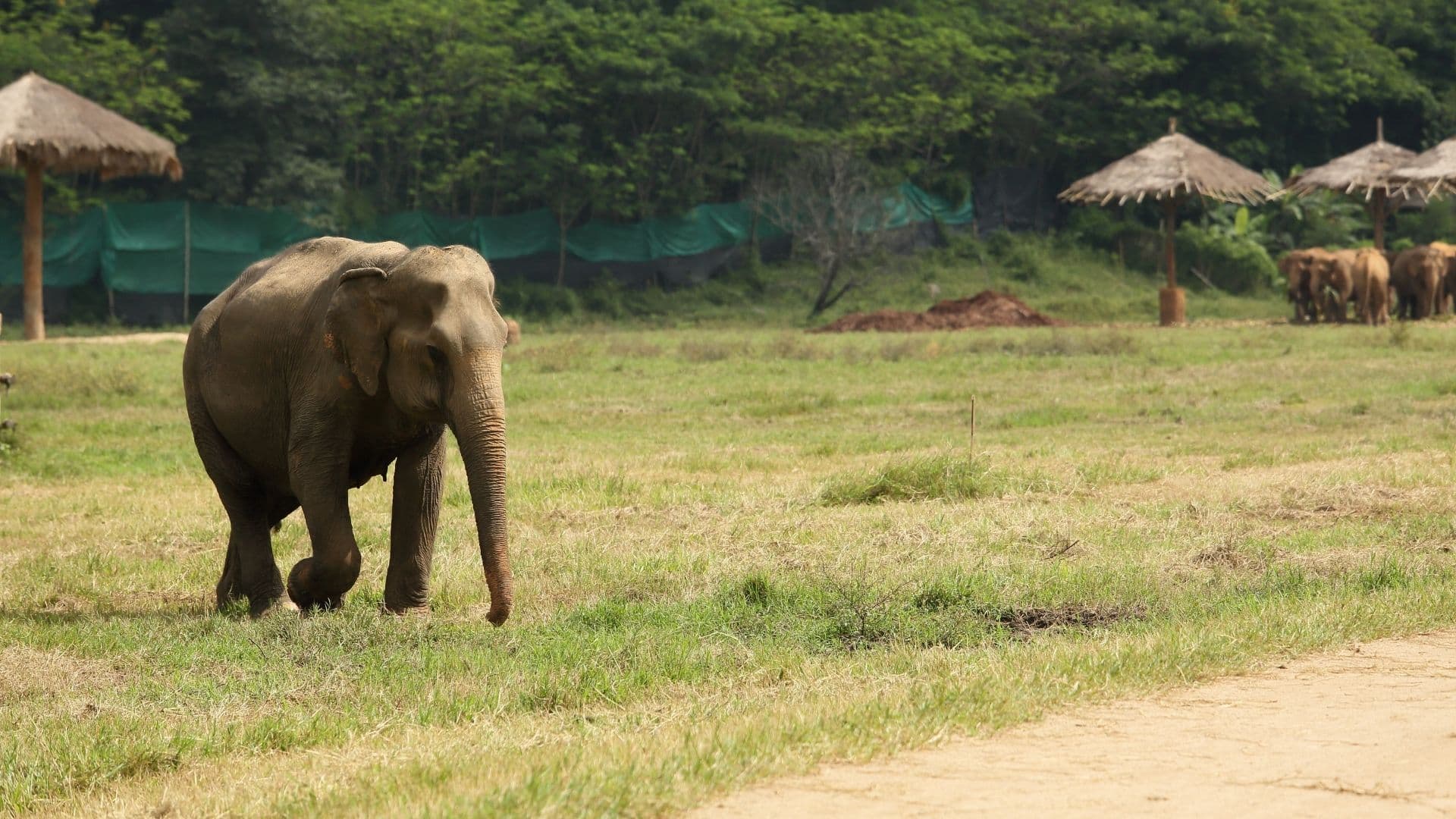
    Spend a day with rescued elephants at accredited sanctuaries—no riding, no performances. Watch these intelligent giants bathe in streams, forage naturally, and interact respectfully with guides trained in animal behavior. Many sanctuaries employ local families and reinvest profits into elephant welfare and veterinary care. A profound, conscience-clear experience.

  • Doi Suthep Temple & Golden Triangle Trek

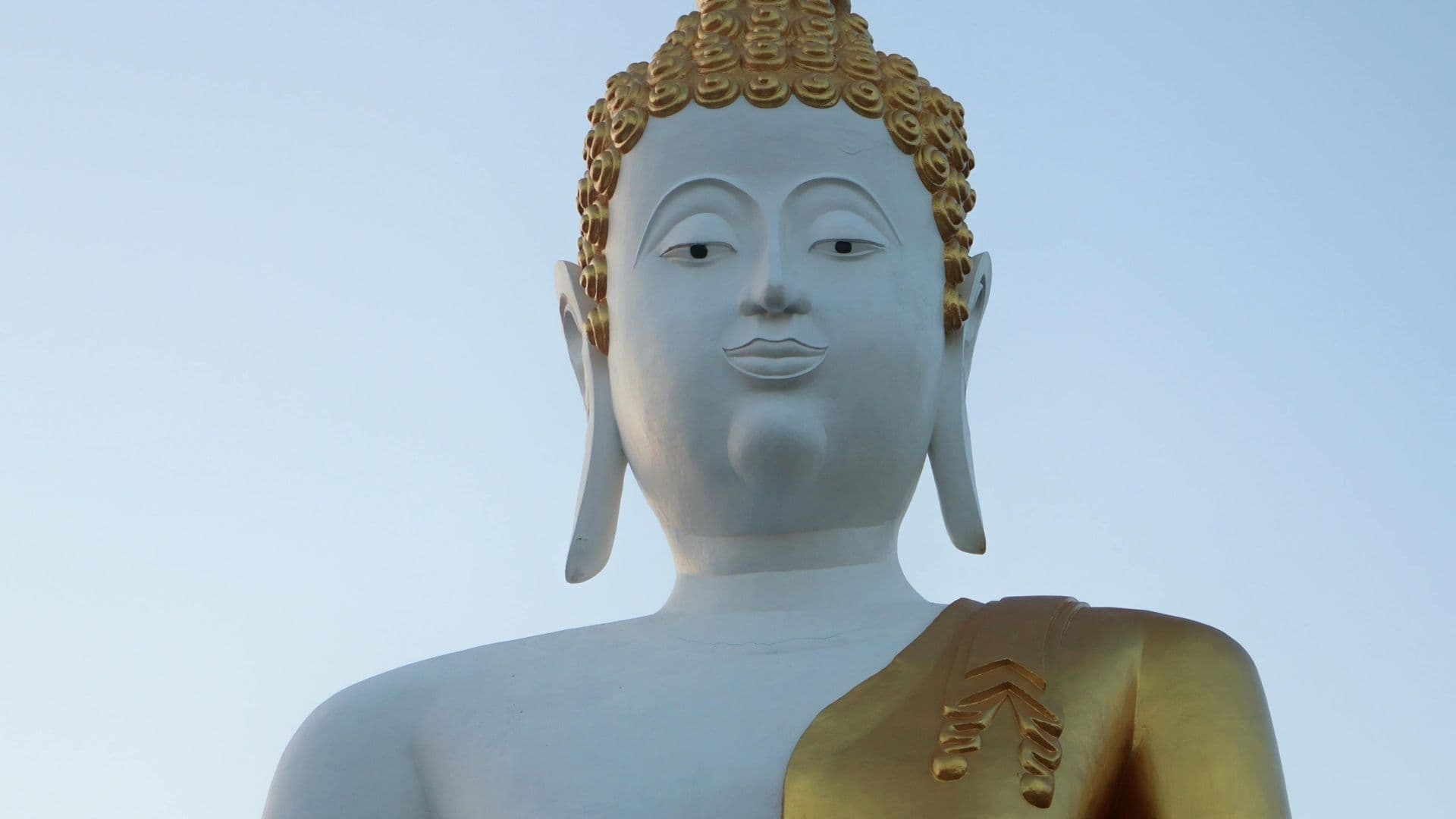
    Hike or drive to Doi Suthep, a golden-spired temple perched 1,601m above the city. Entry is ~50 THB. The panoramic views and spiritual atmosphere reward early mornings. Pair with visits to nearby temples and tribal villages in the mountains, or explore the cultural Golden Triangle region where Thailand, Laos, and Myanmar converge.

  • Old City Walking Tour & Markets

    Explore Chiang Mai's heart: narrow lanes lined with 500-year-old temples, local markets bursting with fresh produce and handicrafts, street food stalls, and hidden cafés. Join a guide to decode temple architecture and history, or wander solo to discover family-run shops selling traditional textiles, woodcarvings, and Lanna antiques.

  • Lanna Cooking Class

    Join a local chef in their kitchen or market-side classroom to learn authentic northern Thai dishes: khao soi (curry noodles), nam prik ong (tomato-chili paste), sticky rice. Visit local markets for fresh herbs, cook using traditional techniques, then enjoy your creations family-style with rice whiskey and stories about Lanna food culture.

  • Hill Tribe Trekking & Village Visits

    Trek through forested mountains to hill tribe villages (Karen, Hmong, Lisu peoples) where artisans weave textiles and grow tea and coffee. Stay overnight in homestays, learn daily routines, taste home-cooked meals, and purchase crafts directly from makers. Ethical trekking prioritizes community benefit over tourist spectacle.

How to get to Chiang Mai

Chiang Mai International Airport (CNX) receives direct flights from Bangkok (1.5 hrs), Phuket, and Chiang Rai. Alternatively, overnight trains from Bangkok's Hualamphong Station (10–12 hrs) offer an atmospheric journey through Thai countryside. Buses link Chiang Mai to most northern cities. Once in the city, songthaews (shared red taxis), tuk-tuks, scooter rentals, and guided tours provide local transport. Many travellers base themselves in Chiang Mai for 5–10 days to justify the journey and experience the pace of Lanna life.

Where to stay in Chiang Mai

The Old City (Nimmanhaemin Road area) clusters temples, markets, and budget to mid-range guesthouses within walking distance. Nimman neighborhood (west side) appeals to younger travelers: hip cafés, coworking spaces, and boutique hotels. The Riverside area along the Ping River offers quieter, mid-range options and local dining. High-season (Nov–Feb) books early; low-season rates drop 30–50%. Luxury hotels and resort spas cater to all budgets, but Chiang Mai's charm lies in family-run hostels and boutique guesthouses where staff share insider tips.

Chiang Mai tours — frequently asked questions

Is it ethical to visit elephant sanctuaries in Chiang Mai?
Yes, if you choose sanctuaries that prohibit riding, performances, and unnecessary human contact. Look for TIES (Tourism and Transport Association) accreditation, veterinary staff on-site, and reviews from reputable organizations. Many sanctuaries rescue abused elephants and fund anti-poaching efforts. Our guides vet every sanctuary we recommend.
When is Yi Peng festival and how do I book?
Yi Peng (Loy Krathong festival) occurs in November, with the main ceremony around the full moon. Thousands of lanterns light the sky at dusk—genuinely awe-inspiring. Tours book months ahead; avoid overcrowded commercial events by staying in the Old City and joining locals at smaller neighborhood releases. Some years air pollution affects visibility.
What's the burning season and should I avoid Chiang Mai then?
February through early April, agricultural fires blanket northern Thailand. PM2.5 pollution spikes to hazardous levels (200+ AQI), causing respiratory issues, poor visibility, and flight delays. If you must travel then, monitor air quality daily (ThailandAirQuality.com), wear N95 masks outdoors, and plan indoor activities: cooking classes, museums, spas. November–January is ideal.
How much does a Chiang Mai cooking class cost?
Half-day classes range 800–1,500 THB (~$22–42 USD); full-day immersive experiences cost 1,500–3,000 THB. Prices vary by school reputation, group size, and market visit inclusion. Market visits and ingredient sourcing are part of the experience. Book through your guesthouse or online—no significant price premium.
Is it safe to trek with hill tribe villages?
Yes, with responsible operators. Choose tours that prioritize cultural respect and fair compensation to villages. Avoid 'elephant riding + hill tribe' combo tours (often exploitative). Trek during cool season (Nov–Feb) for comfort and safety. Bring sturdy boots, rain gear, and insect repellent. Most treks are moderate; inform guides of fitness level.
How do I get to Doi Suthep temple from the city center?
Doi Suthep is 14km northwest of the city. Options: hire a tuk-tuk (200–400 THB round-trip with wait time), join a guided tour, or rent a scooter. The winding mountain road takes 30–45 minutes by vehicle. Entry is ~50 THB. Go early (6–8am) to avoid crowds and heat, and allow 2–3 hours total for the visit and temple exploration.

行程 · 清迈旅游与一日游

清迈泰菜烹饪课——农场市场游
清迈泰菜烹饪课——农场市场游
850 THB

清迈泰菜烹饪课——农场市场游

在清迈农场学习正宗泰菜。参观本地市场、有机农场游,后与泰厨烹饪5-8道菜。含素食和纯素选项、食谱电子书。

6h家庭 · 情侣 · 单独 · 团体
水灯节清迈——11月15-16
水灯节清迈——11月15-16
4 600 THB
🇬🇧 EN

水灯节清迈——11月15-16

泰国最标志性灯节。在清迈夜空发射数千盏灯笼。4个票级、兰纳晚餐、佛教诵经、每人2盏灯笼+水灯。

7h家庭 · 情侣 · 单独 · 团体
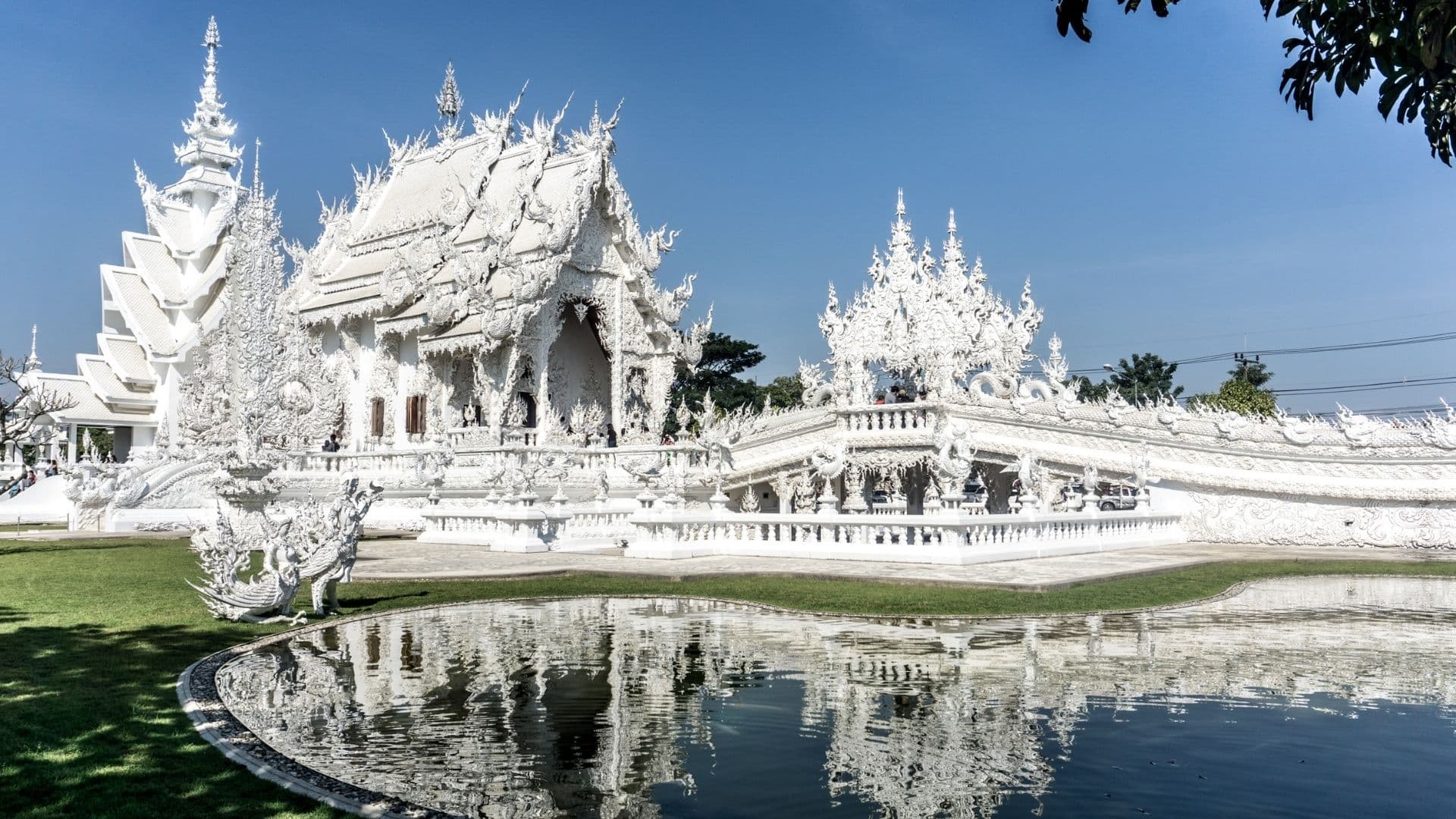
白庙蓝庙清莱一日游
白庙蓝庙清莱一日游
1 900 THB
🇬🇧 EN

白庙蓝庙清莱一日游

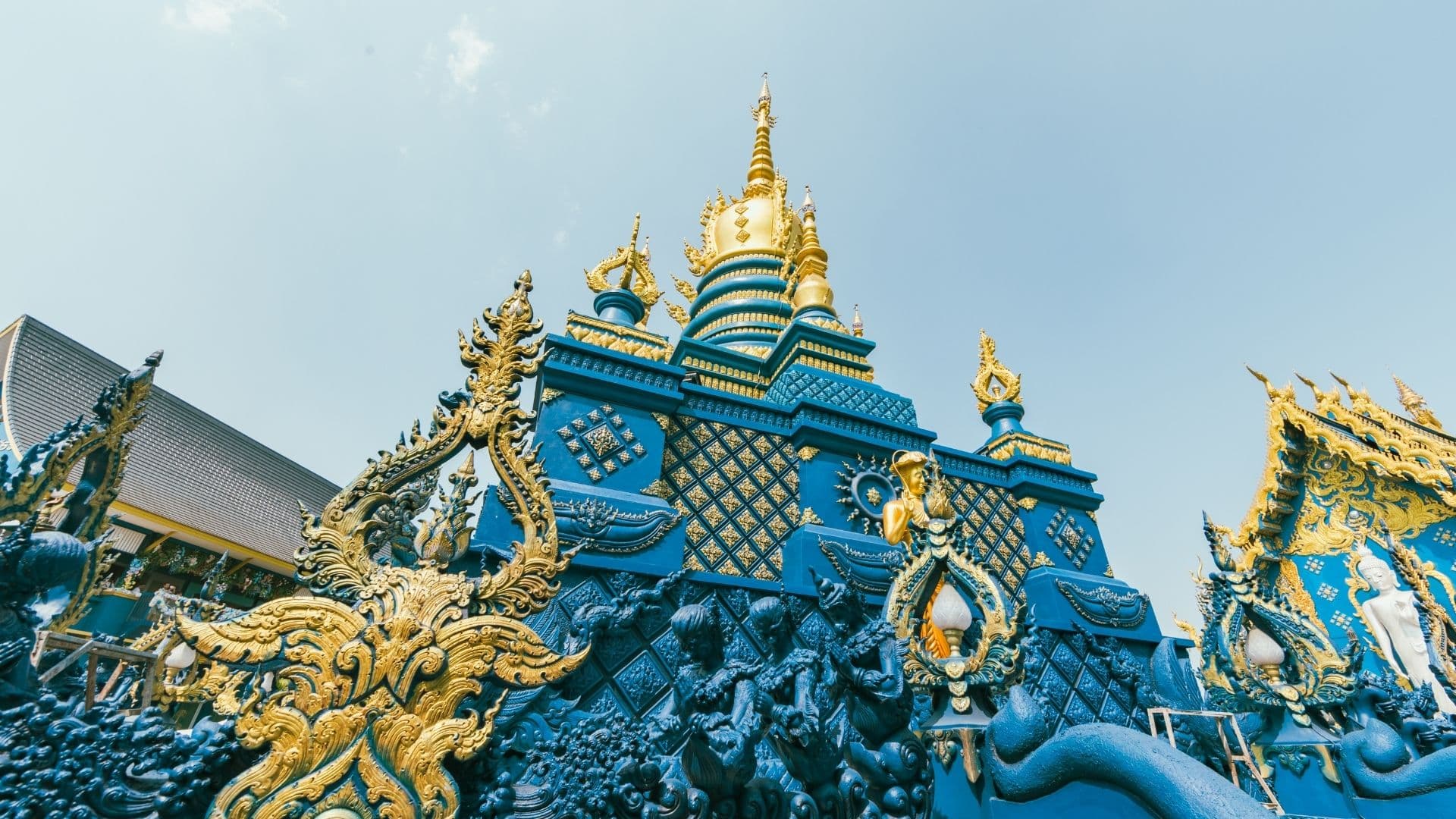
从清迈全天清莱。参观龙昆寺白庙、龙色寺蓝庙、雕塑花园。空调货车、英文导游、含午餐。

13h家庭 · 情侣 · 单独 · 团体
嘟嘟车夜游与泰拳清迈
嘟嘟车夜游与泰拳清迈
2 500 THB
🇬🇧 EN

嘟嘟车夜游与泰拳清迈

傍晚嘟嘟车游:洛摩利寺、长卜街美食市场、传统甜点、后看泰拳实时比赛。英文导游、含餐和票。

5h情侣 · 单独 · 团体
清迈道德大象保护区——全天
清迈道德大象保护区——全天
2 800 THB

清迈道德大象保护区——全天

清迈附近道德大象保护区全天沉浸式体验。自然观察大象、准备食物、泥浴和河游。零骑乘、训练或表演。

9h家庭 · 情侣 · 单独 · 团体