
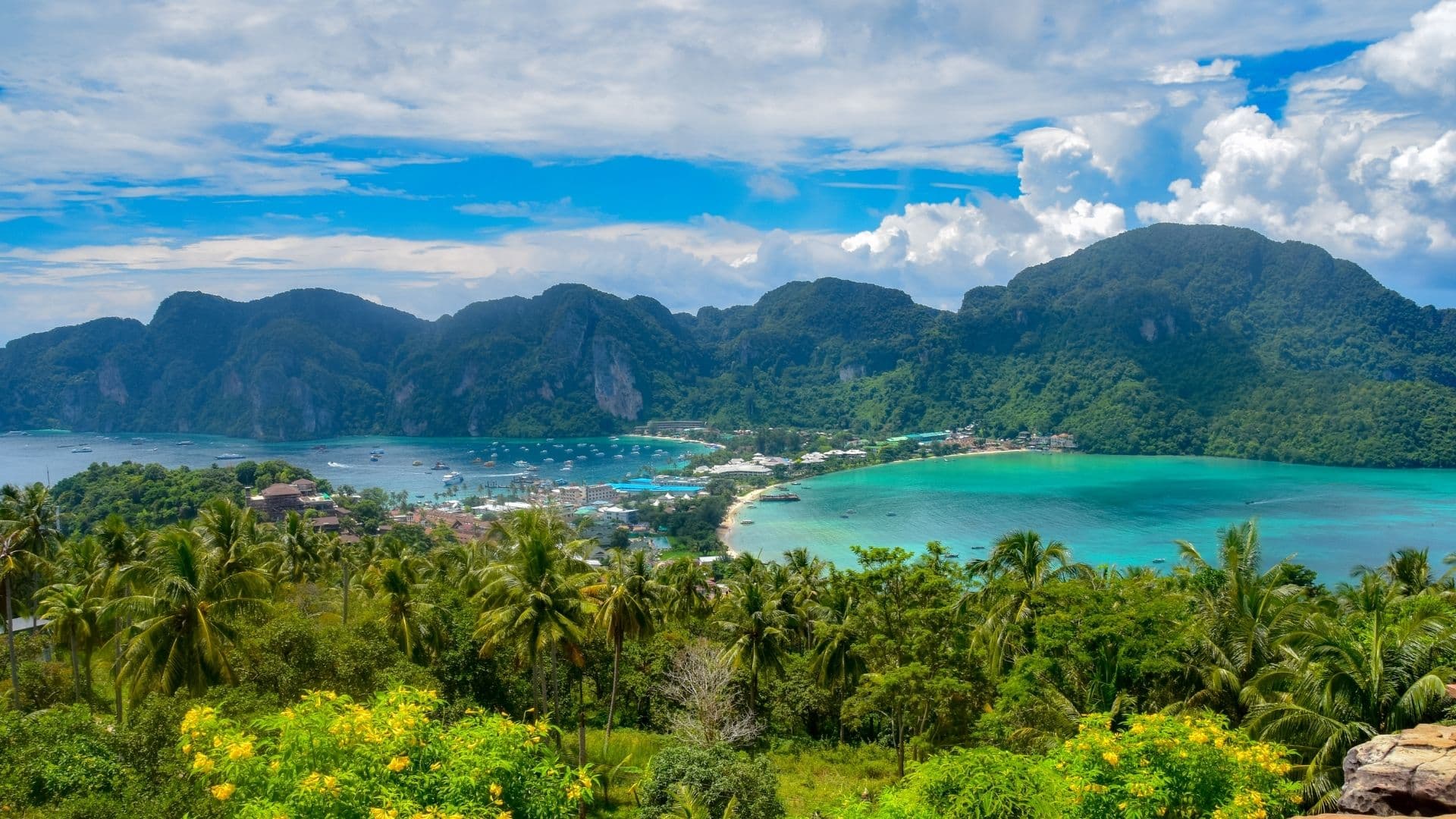
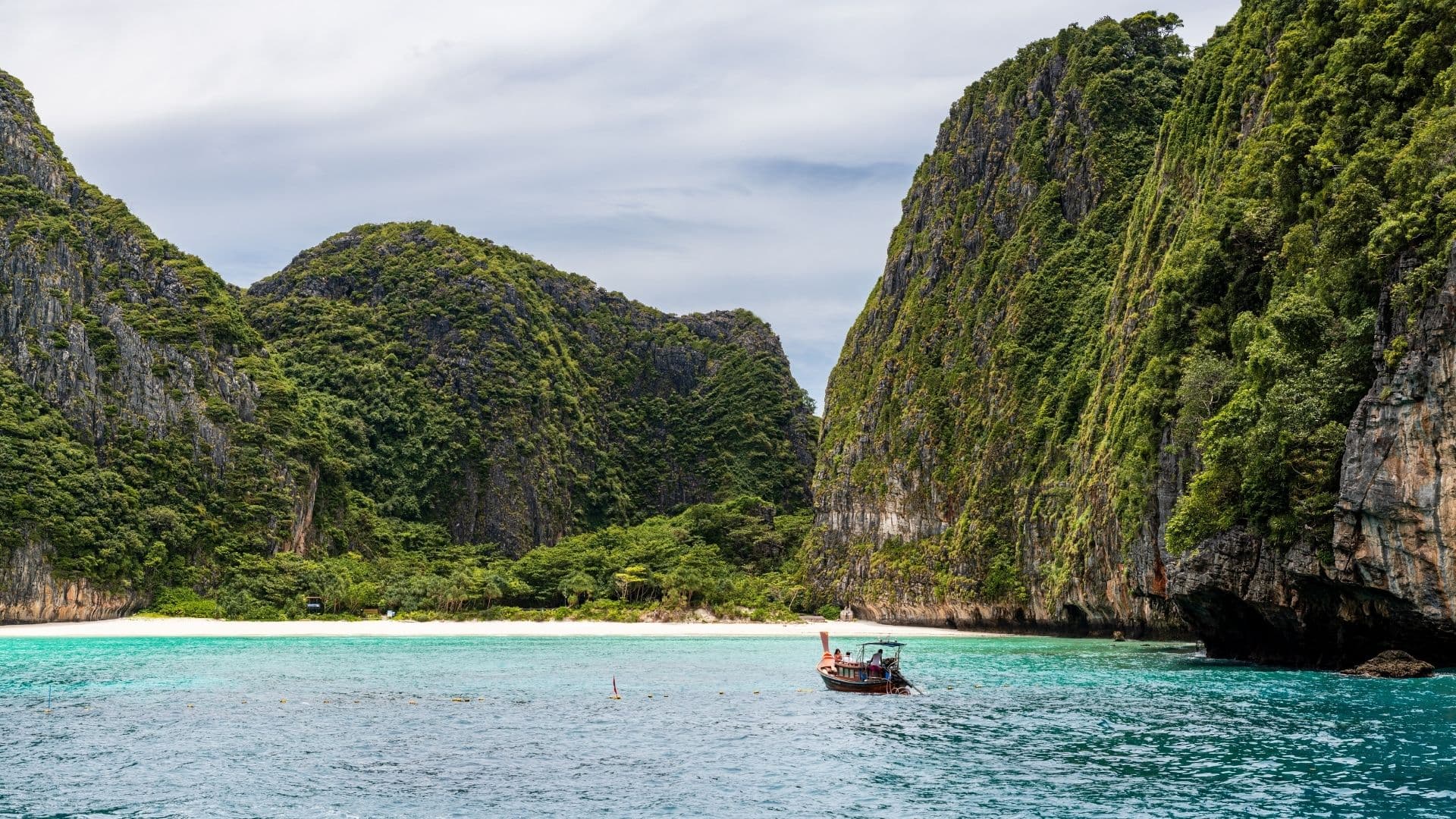
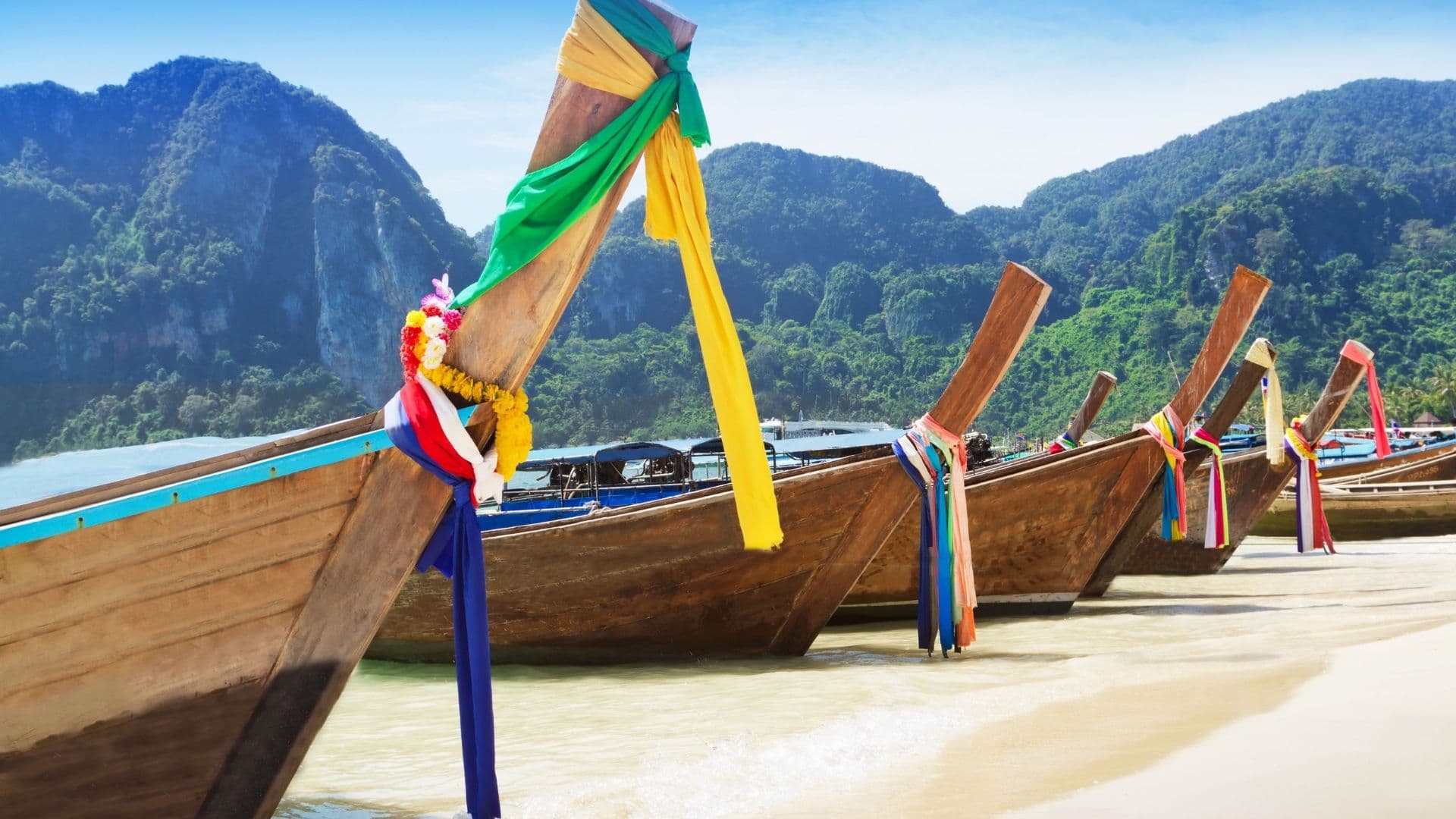
Your phone shows a grey cloud with raindrops on every single day of your holiday. Guests send us that screenshot all the time, often the night before they arrive. Take a breath. On the Andaman coast, that little icon rarely means what you think it means.
Our team on the island lives with this forecast every day. Below is how our boat crews in Tonsai actually read the weather, what really decides whether a boat leaves the pier, and what happens to your booking if the sea says no.
Will a week of rain icons ruin your Phi Phi trip?
Almost never. From May to October the southwest monsoon brings rain, but it usually comes as short squalls, not all-day rain. A dark wall of cloud rolls in over the sea, it pours hard, then the sun comes back and the lanes of Tonsai steam dry.
Most forecasts show a rain icon if rain is likely at any point in the day. One squall is enough. So a whole week of rain icons can still mean a week of mostly bright hours, beach time and boat trips.
From November to April it is high season: calm sea and clear water, with February to April the driest stretch. A rain icon in those months usually means even less.
The real question is not 'will it rain?'. It is 'will the sea be calm enough?'. That is what the rest of this guide is about.
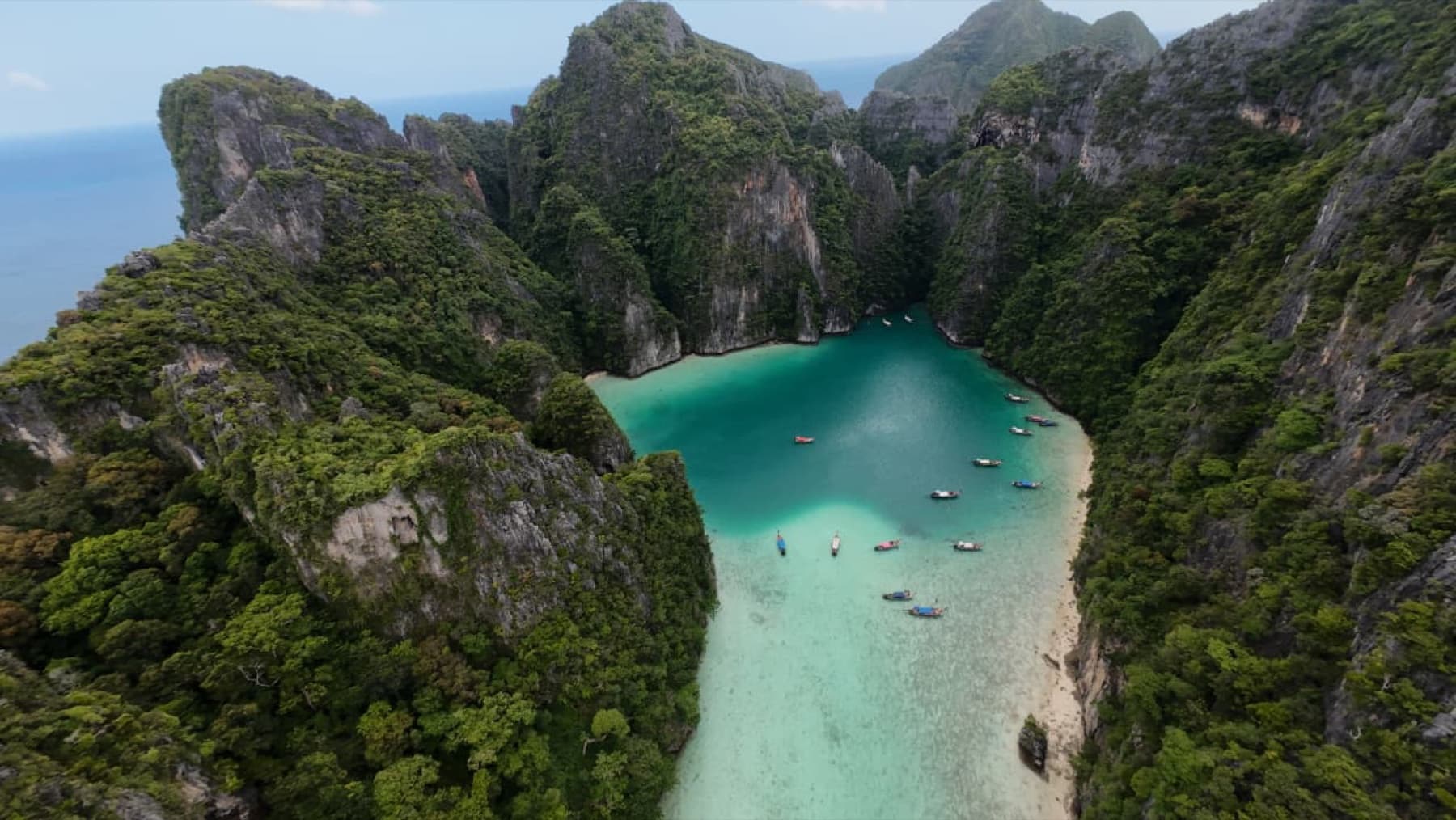
Why the rain icon tells you so little
A daily icon squeezes a whole day into one picture. A short downpour at lunch and a grey, wet day from dawn to dusk can get exactly the same symbol.
The rain percentage is also easy to misread. It tells you the chance that rain falls at some point, not how long it lasts or how hard it is.
Forecasts also cover a wide patch of sea and coast. A storm sitting over the mainland can show up on your Phi Phi forecast even when the island stays dry.
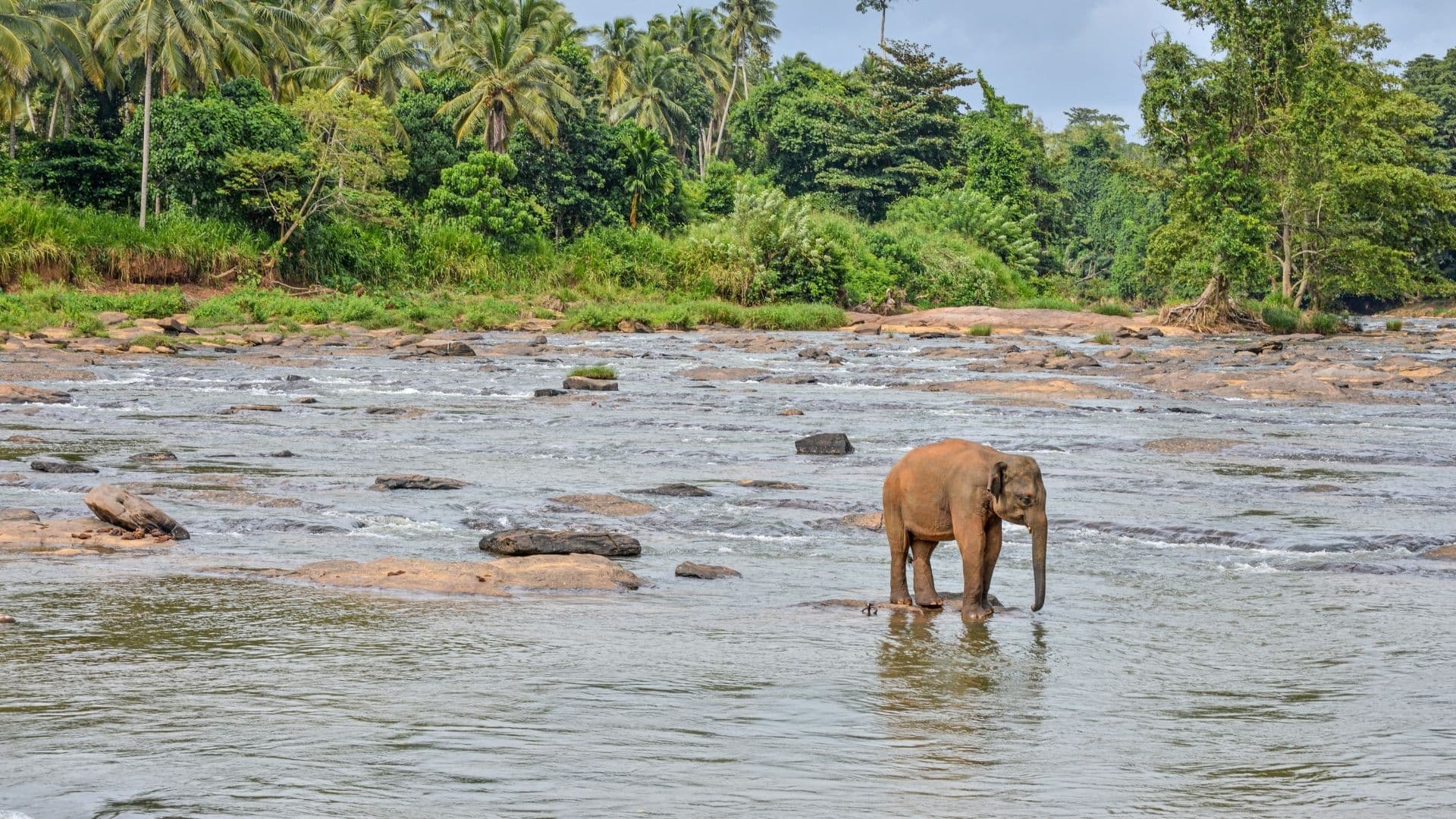
And rain itself does not stop a boat. The sea is warm all year, 27 to 30 °C, so a squall while you snorkel is just warm water from above as well as below.
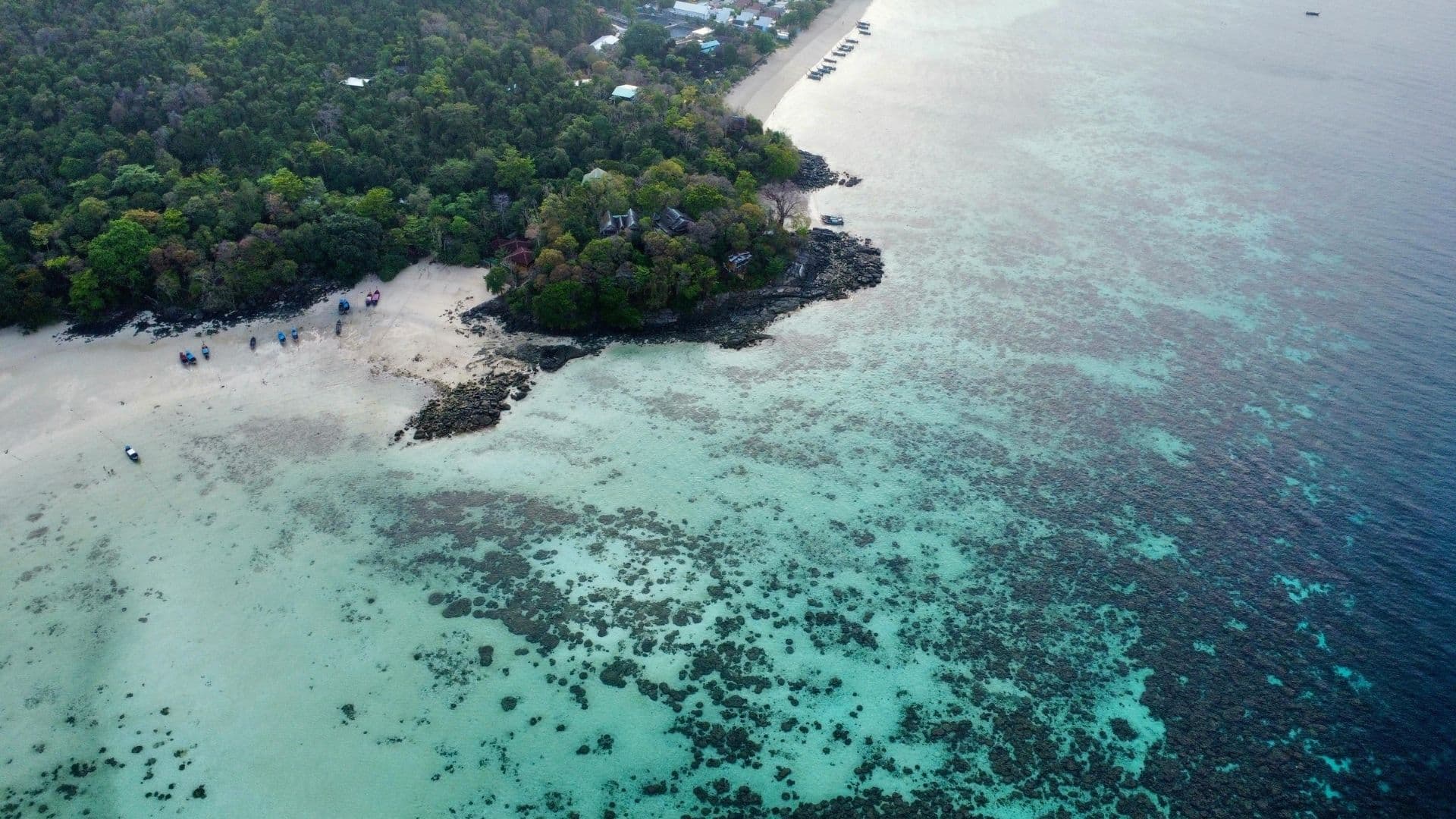
What our boat crews look at instead
When our captains check the weather, the rain icon is almost the last thing they look at. This is what matters to them:
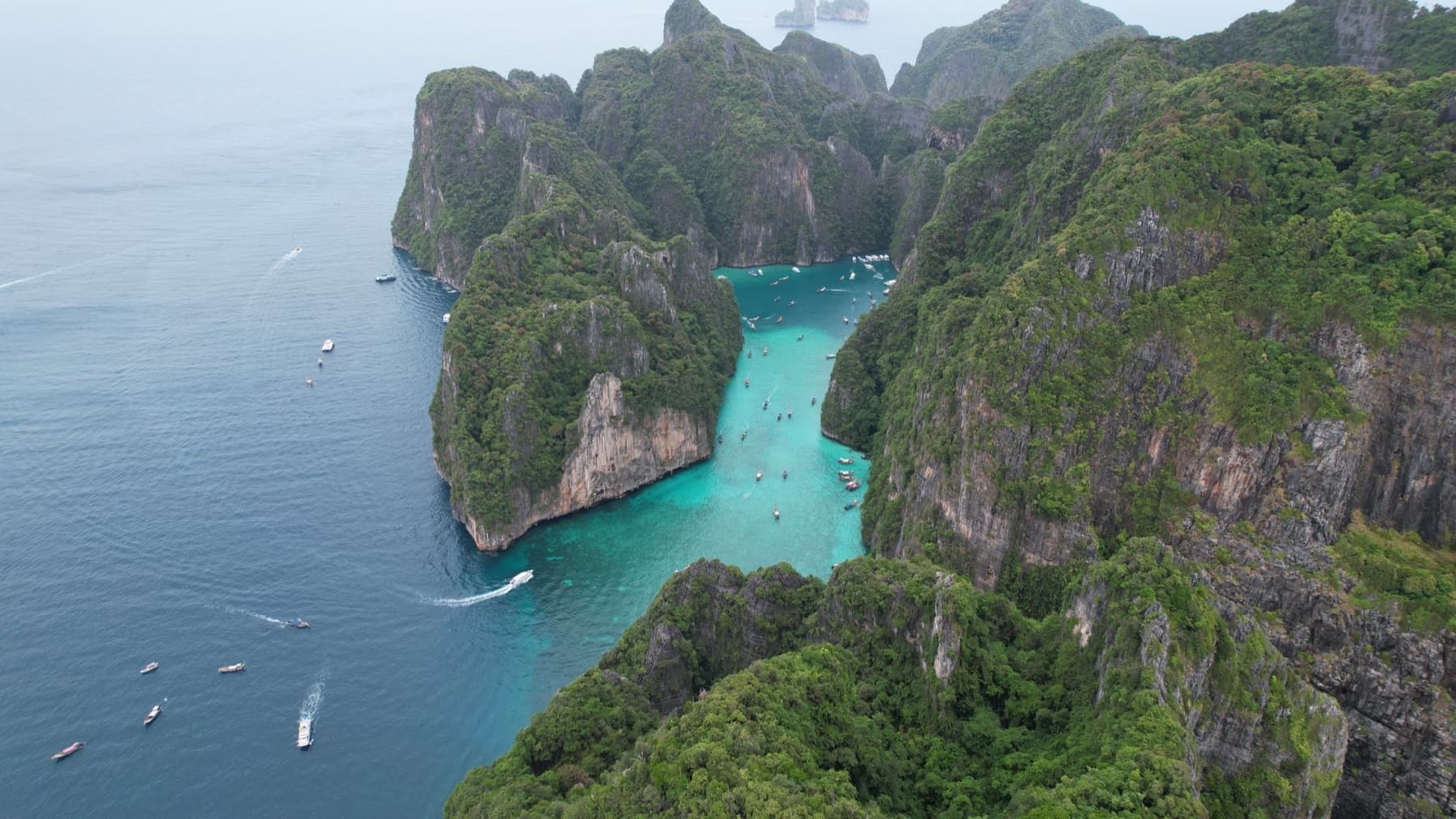
- Wind strength. A light breeze is fine. A strong wind that keeps blowing for a long time builds the sea up.
- Wind trend. Is it dropping or building through the day? A falling wind is good news.
- Wind direction. During the monsoon the wind comes from the southwest. Open, exposed sides of the islands feel it most, while bays tucked behind the cliffs can stay much calmer.
- Waves and swell. Choppy water close to shore is one thing. A long, heavy swell rolling in from the open sea is what makes crossings rough.
- Thunderstorms. Lightning is a reason to wait, even when the sea looks flat.
- The sky and sea at dawn. No forecast beats looking at the water from the pier.
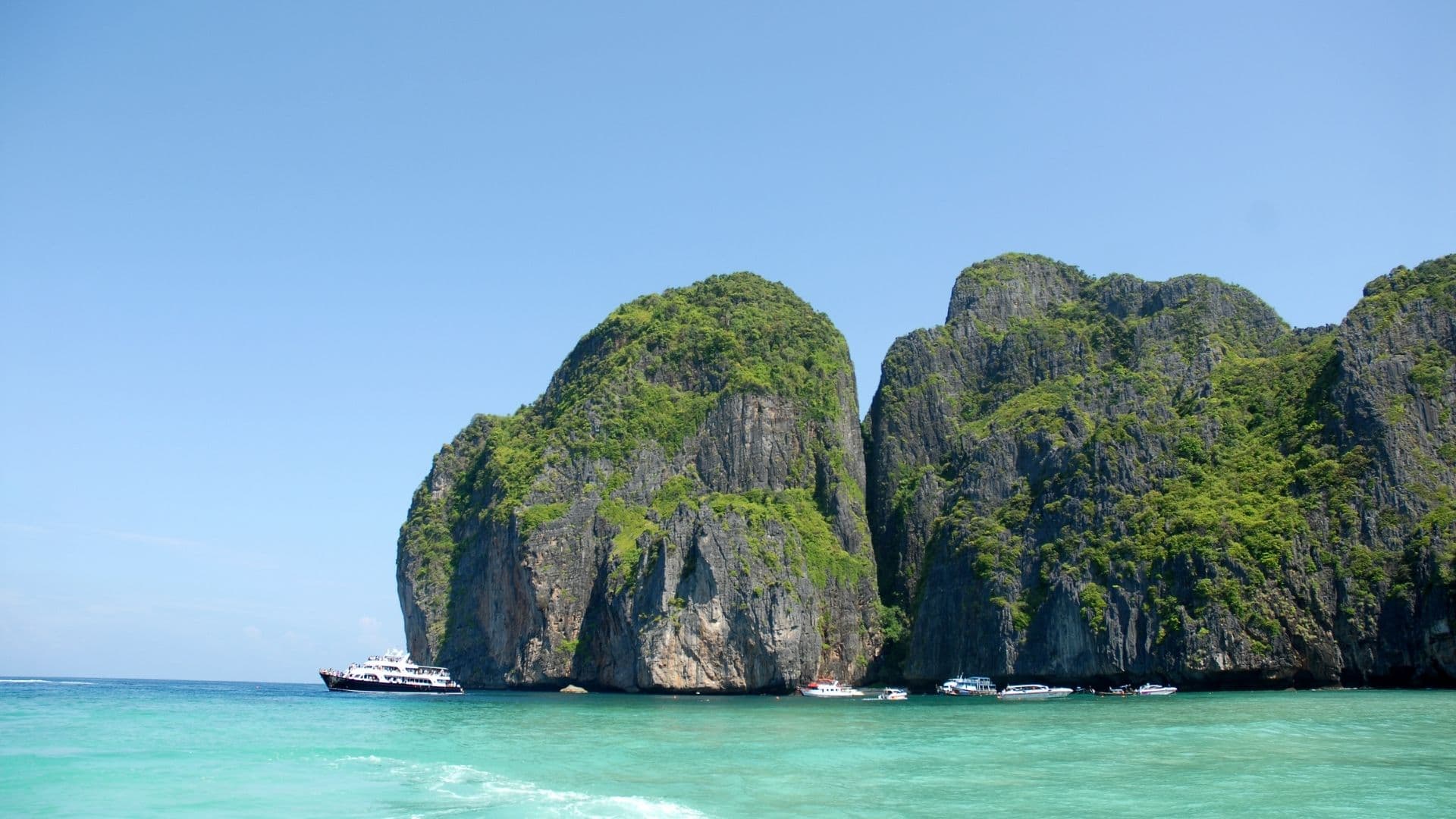
How to read your forecast in a few minutes
You do not need a special tool. Use whatever forecast you already have, but read it differently.
- Switch to the hourly view. Count how many hours actually show rain. Often it is a short block, not the whole day.
- Look at the rain amount, not just the icon. Light rain spread over the day and a heavy squall look the same as a daily symbol.
- Open the wind section. This tells you far more about your boat trip than the cloud picture.
- Check waves if your forecast shows them. Many forecasts have a marine or surf view. Lower and calmer is what you want.
- Treat anything several days out as a rough guess. Tomorrow's forecast is useful. Next week's is a mood.
If the hourly view shows short bursts of rain, a light or falling wind and a modest sea, our crews would call that a normal working day.

Captains decide in the morning, not a week ahead
We do not cancel a trip because of a forecast seen days before. Conditions on the Andaman Sea change quickly, and a week of rain icons often turns into a week of good boat days.
Our captains look at the sea early in the morning, check the latest wind and waves, and talk with the other crews on the island. Then they decide. If the trip cannot run safely, we contact you directly.
Safety always wins over the schedule. A rough crossing is not fun for anyone, and we would rather move your trip than spend the day with seasick guests. Our honest answer on how often this happens is in do Phi Phi tours get cancelled in monsoon season.
If the weather cancels your tour
When we cancel a tour because of the weather, you choose: a 100% refund or a free change of date. No argument, no small print.
One honest distinction. If the trip runs and you choose not to come, check our cancellation policy page to see what applies.
All the details are on our cancellation, refund and weather policy page. Read it before you book so you know exactly where you stand.
How to plan your stay when the forecast looks wet
A little planning makes the monsoon months easy.
- Put your main boat trip early in your stay. If the weather moves it, you still have days left to reschedule.
- Book the evening before. Tours from Koh Phi Phi can be booked online until 20:00 the day before. Check the latest wind and hourly forecast after dinner, then decide.
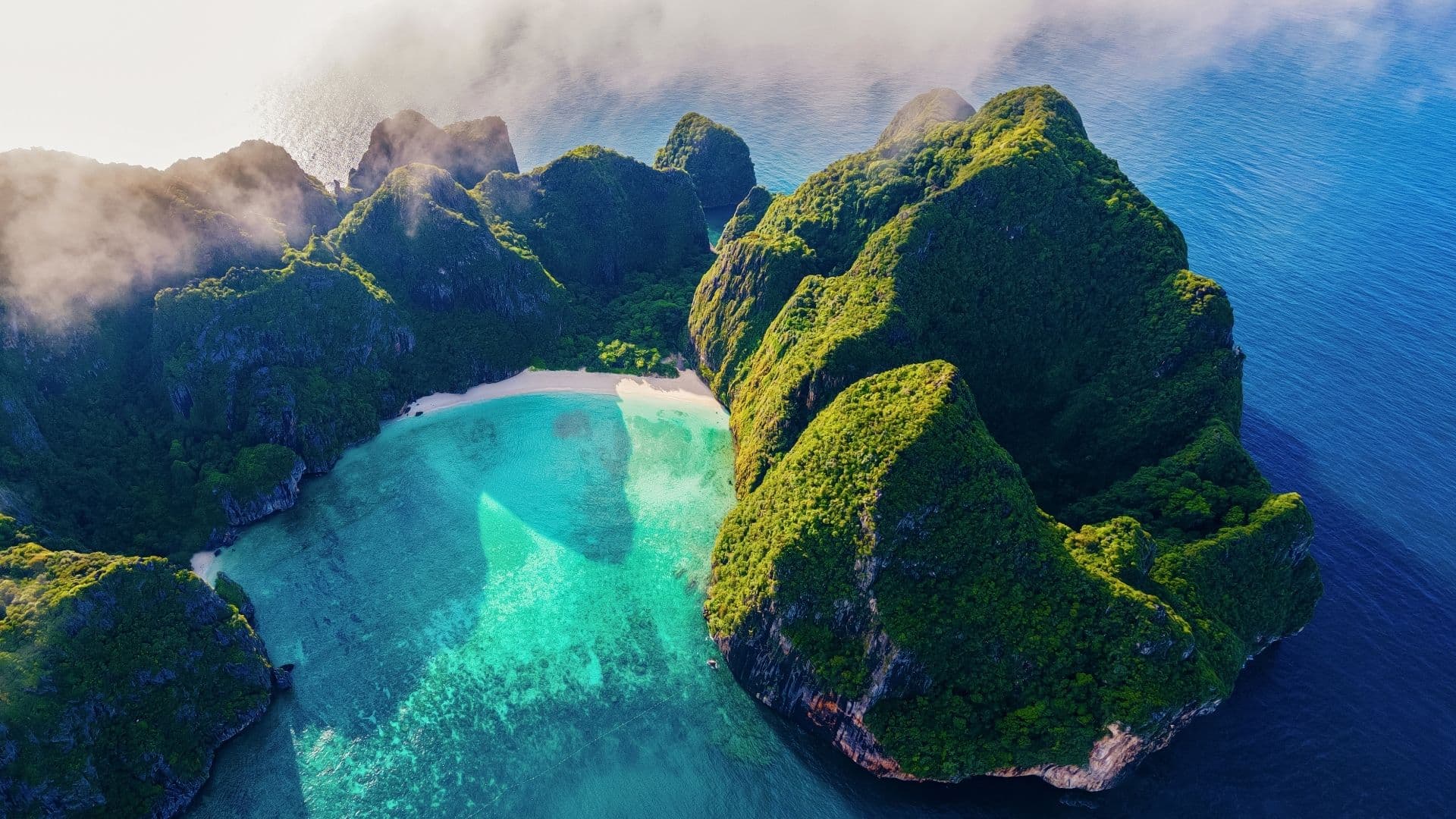
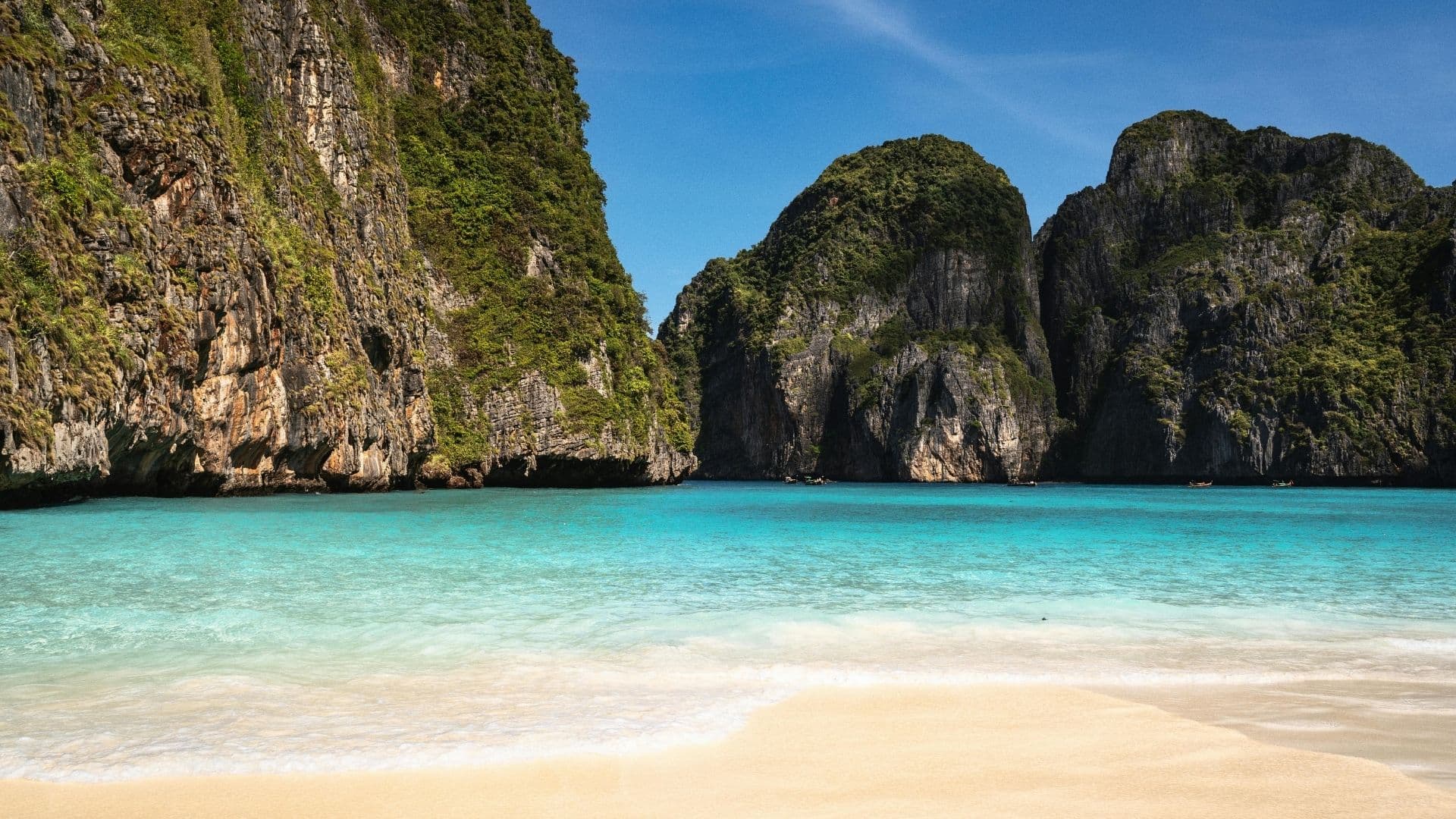
- Go early. Morning Maya reaches Maya Bay at sunrise, before the day-tripper boats from Phuket and Krabi arrive. An early start also gives you more of the day to work with if a squall passes.
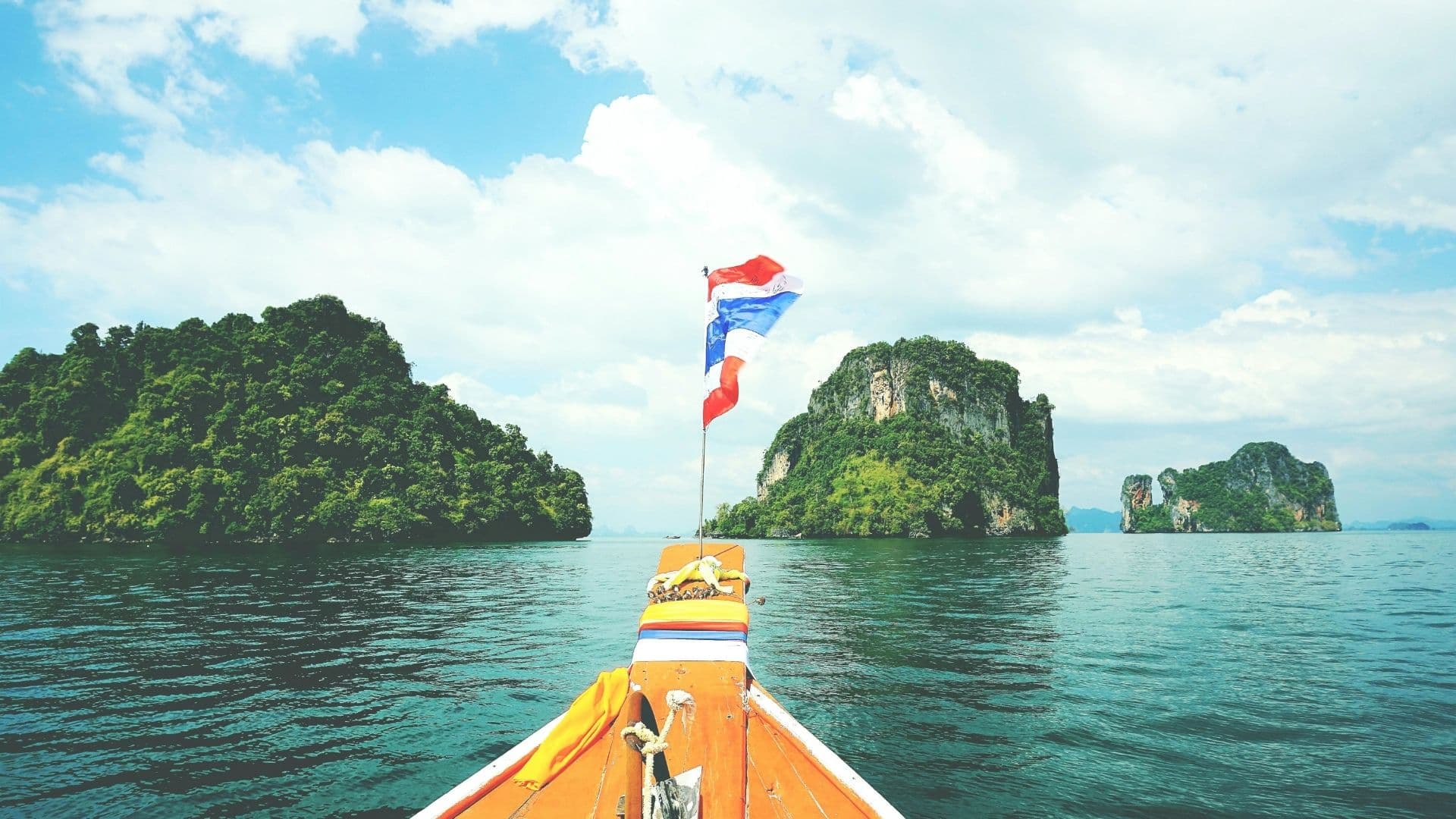
- Go private if you want flexibility. On a private long-tail boat you can talk with your captain about where to go on the day.
- Keep a rainy-hour plan. A slow lunch in Tonsai, a massage, a book on the beach in Loh Dalum. Squalls pass.
On travel days, do not plan your boat off the island too tightly. Our sources give the last boats back to Phuket as the ferry at 15:30 and the speedboat at 16:00, but schedules change with the season, so always check the transfer page. For a month by month picture, see Koh Phi Phi by month.
Who should take the forecast more seriously
For most travellers, rain icons are not worth losing sleep over. A few people should plan more carefully.
- Travellers with only one boat day. If your whole plan rests on a single day, you have no room to reschedule. Add a spare day if you can.
- People who get seasick. On windy days the sea can be bumpy even when the trip runs. Read long-tail or speedboat to choose the boat that suits you.
- Families with young children and seniors. Never take the open-sea long-tail crossing from Railay to Phi Phi. Choose a proper ferry or speedboat and give yourself spare time.
- Maya Bay fans in late summer. Maya Bay is closed every year from 1 August to 30 September for reef recovery, whatever the forecast says. It reopens on 1 October.
Travelling as a couple in the rainy months? Our monsoon honeymoon guide has a plan A and a plan B.