


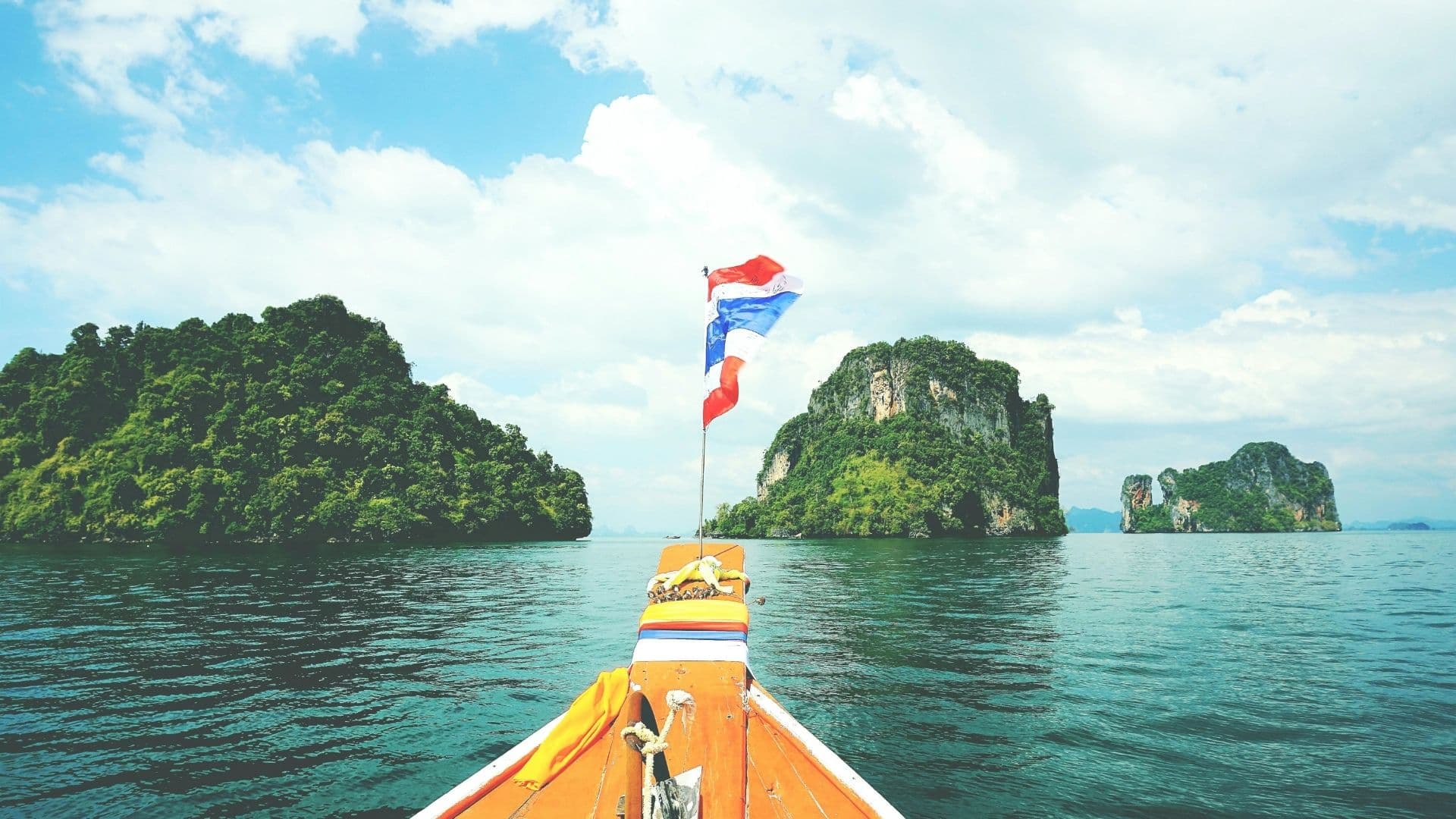

Our team lives on Koh Phi Phi, not in Chiang Mai. But many of our travellers head north before or after the islands, so we plan Chiang Mai trips and work with local guides we book directly. This list comes from that work: what people loved, what they wished they had skipped, and what they should have booked earlier.
We split it simply. Some things you can do alone with good shoes and a map. Others are easier, safer or just much better with a guide and a driver. We are also honest about the smoky season and the temple dress code, because both catch people out every year.

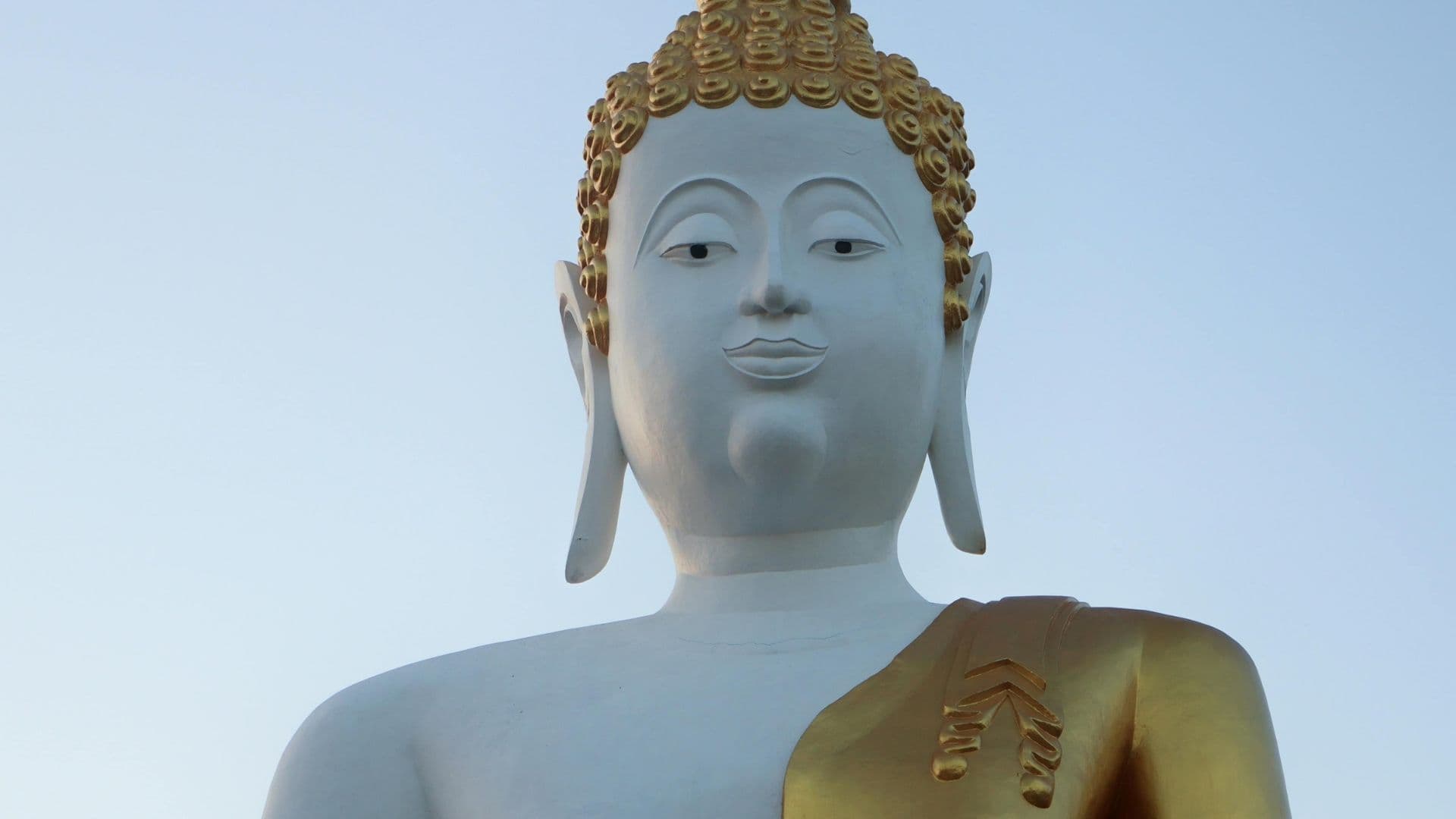
The best things to do in Chiang Mai, in short
If you only want the shortlist, here it is.
- Do it yourself: Old City temples on foot, the moat and old walls, the market areas, a ride up to Doi Suthep.
- Better with a guide: Doi Inthanon, an elephant visit, treks and the Monk's Trail with a local, kayaking on the Ping River, the dawn alms giving.
- Worth it if you have the time: a Northern Thai cooking class, cycling or mountain biking, an evening samlor or electric tram ride, day trips to Chiang Rai or Lampang.
Chiang Mai is the main city of northern Thailand. It is a short domestic flight from Bangkok, and night trains and buses also run. It feels slower than Bangkok, greener, and much cooler in the right months.
Old City temples and the moat: easy on your own
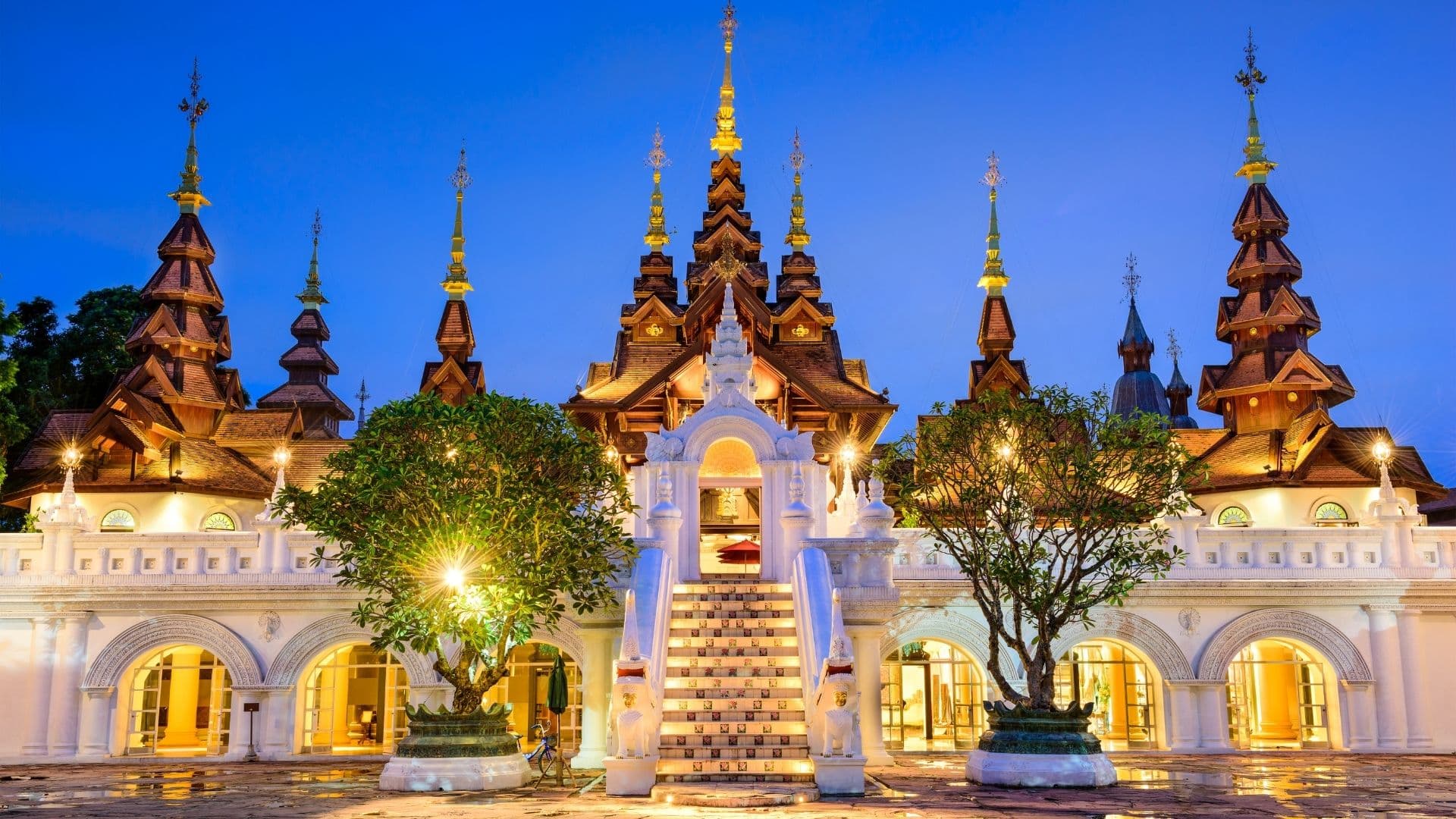
The Old City is a square surrounded by a moat and the remains of its walls. Inside, there are temples on almost every street. It is flat, compact and very walkable, so this is the easiest part of Chiang Mai to do alone.
Start early, when it is cooler and quieter. Walk the moat, step inside whatever temple catches your eye, and sit in the shade when you need to. Big landmark temples and small neighbourhood ones are both worth your time.

If you want the stories behind the buildings, Lanna history and what you are actually looking at, a guide changes the visit. Our Old City temples tour brings the Lanna history behind the buildings to life. It suits first-timers and history lovers. It is not for travellers who prefer to wander with no plan.
Temple dress code: please read this
Cover your shoulders and knees in every temple. This is not optional, and it applies to men and women. A light scarf in your bag solves most problems.
Take your shoes off before entering a temple hall. Do not point your feet at Buddha images or at monks. Women should not touch monks or hand things to them directly.
Speak quietly and ask before photographing people praying. Nobody will shout at you, but you will feel the difference when you get it right.
Doi Suthep and Doi Inthanon: the mountains
Doi Suthep temple stands on the mountain above the city. You can get there on your own by shared red truck or taxi. Expect a long staircase to the temple, and views over the valley on a clear day. Our Doi Suthep and Hmong village tour pairs the temple with a visit to a hill village.
The Monk's Trail is a forest path up the lower slopes, passing a quiet temple on the way. It is a real hike, steep and slippery after rain. It is fine alone if you are fit, but go with a local if you are unsure of the path.
Doi Inthanon is the highest mountain in Thailand, and it is far from the city, so a guide and driver make it much easier. See the Doi Inthanon national park tour for details, and bring a warm layer. It gets cold up there, especially early in the day.
Ethical elephants: ask questions before you book
An elephant visit is high on many lists. It is also where we see the most confusion. Wording like "sanctuary" or "ethical" appears everywhere, and it does not always mean the same thing.
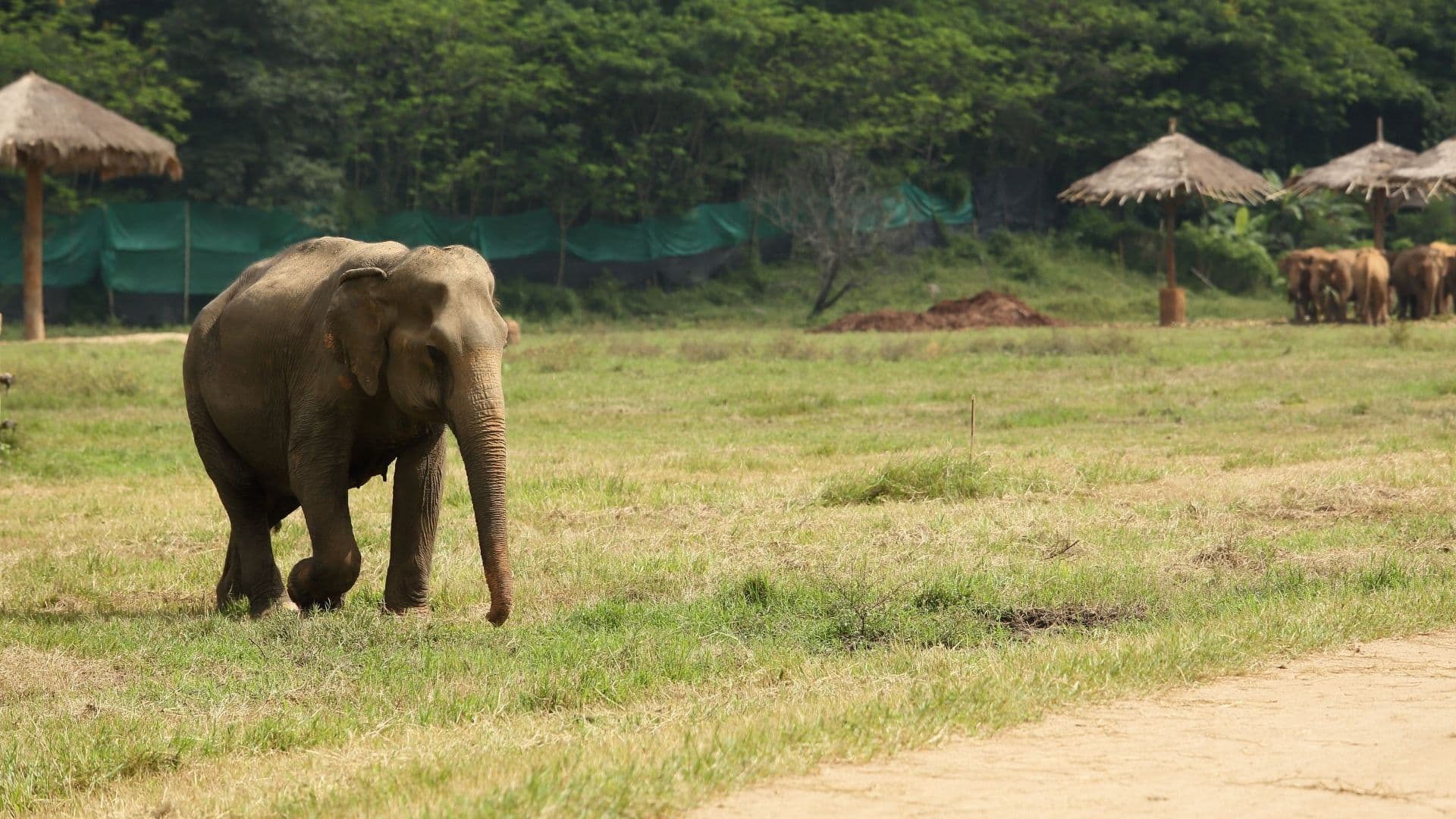
We will not make claims about how any camp treats its animals beyond what the tour page says. Read the elephant sanctuary page carefully: it describes what you actually do with the animals. Wherever you book, ask the same questions. What do visitors do? Are there rides or shows? How close do you get?
This is not for travellers who mainly want a photo on an elephant's back. It is for people who want to watch, learn and spend time around the animals.
Cooking, kayaking and cycling
A cooking class is one of the best rainy-afternoon activities in Chiang Mai. Northern food is different from what you eat in the south: more herbs, less coconut, different curries. Our Northern Thai cooking class focuses on Lanna dishes. Vegetarians should mention it when booking.
Kayaking on the Ping River gives you the valley from the water, away from traffic. Our Ping River kayak trip is a good choice for active travellers. If you are not comfortable in water, ask before booking.
For cyclists, options range from easy countryside rides to a proper mountain bike downhill on Doi Suthep. The downhill is for confident riders only. Families and casual cyclists should pick the easy ride.
Dawn alms giving and evening rides
Early in the morning, monks walk the streets to receive food offerings. Taking part respectfully is a quiet, moving experience. Our dawn alms giving tour helps you do it properly: what to offer, how to stand, how to dress. It is not a photo opportunity, and it is not for late risers.
In the evening, a samlor (cycle rickshaw) ride or an electric tram ride through the Old City is a gentle way to see the temples lit up. Both suit seniors, families with young children and anyone with tired legs after a day of walking.
The market areas around the Old City are easy to explore alone in the evening. Go hungry, carry small change and wander.
Day trips: Chiang Rai and Lampang
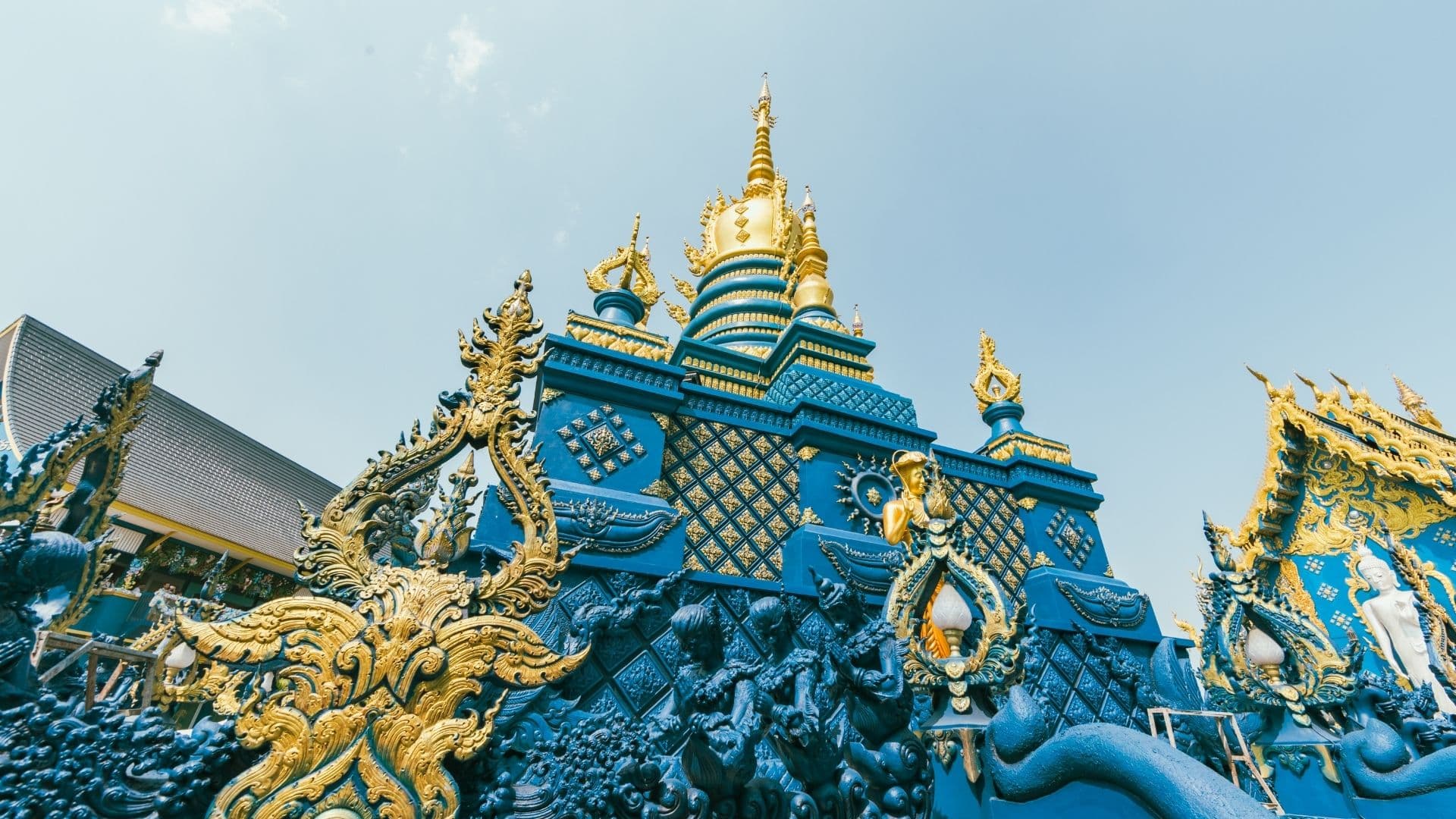
Chiang Rai is known for its striking modern temples, very different from the old Lanna style in Chiang Mai. It is a long road trip, so a driver and guide make it far more relaxing than doing it yourself.
Lampang is quieter, with an old temple and hot springs nearby. It suits travellers who have already done the classics and want something calmer.
If your stay is short, skip these and focus on the city and its mountains. They are best for a longer stay.
When to go: cool season, haze and festivals
The cool season runs roughly November to February. Mornings and the mountains can be genuinely cold, so pack a warm layer. This is the most comfortable time for walking and trekking.
We have to be honest about the haze. From roughly February to April, the air is often hazy and smoky because of agricultural burning. Mountain views can disappear, and outdoor activities feel harder. Check air quality before you go, and think twice if you have asthma or plan a very outdoor trip. March to May is also hot. Rainy season runs roughly June to October.
Yee Peng, the lantern festival, and Loy Krathong take place on the full moon of the 12th Thai lunar month, usually in November. The dates change every year, so check this year's dates and see our Yee Peng lantern festival tour. Book early if you want it.
What to book before you arrive
Book ahead: Doi Inthanon, the elephant visit, the dawn alms giving and anything around Yee Peng. These depend on transport and limited spots.
Decide on the spot: Old City temples, markets, Doi Suthep on your own, cooking classes outside festival periods.
Our tours can be booked online until 18:00 Bangkok time the day before. Live prices and details are always on each tour card, so check there rather than relying on old blog posts.