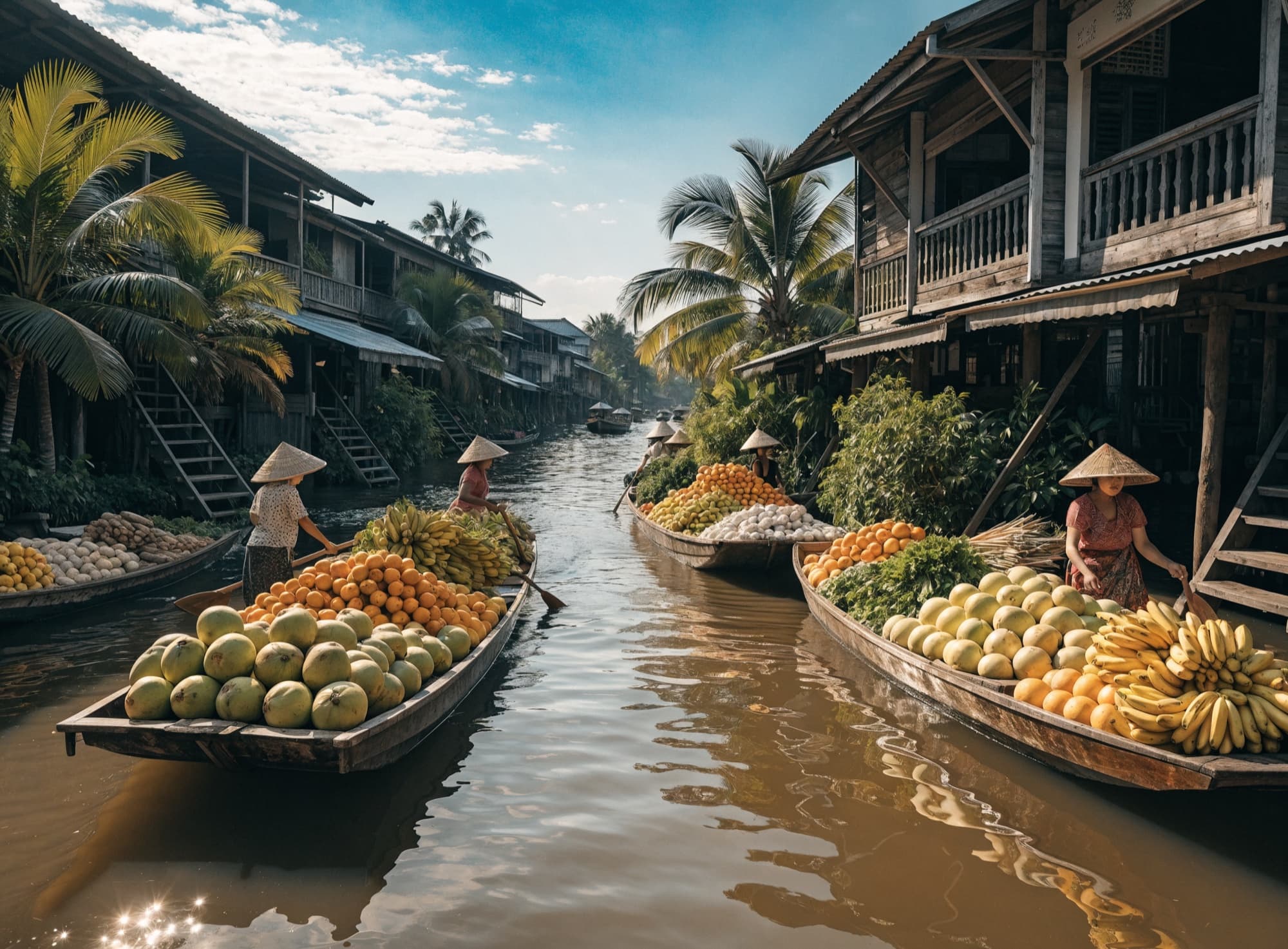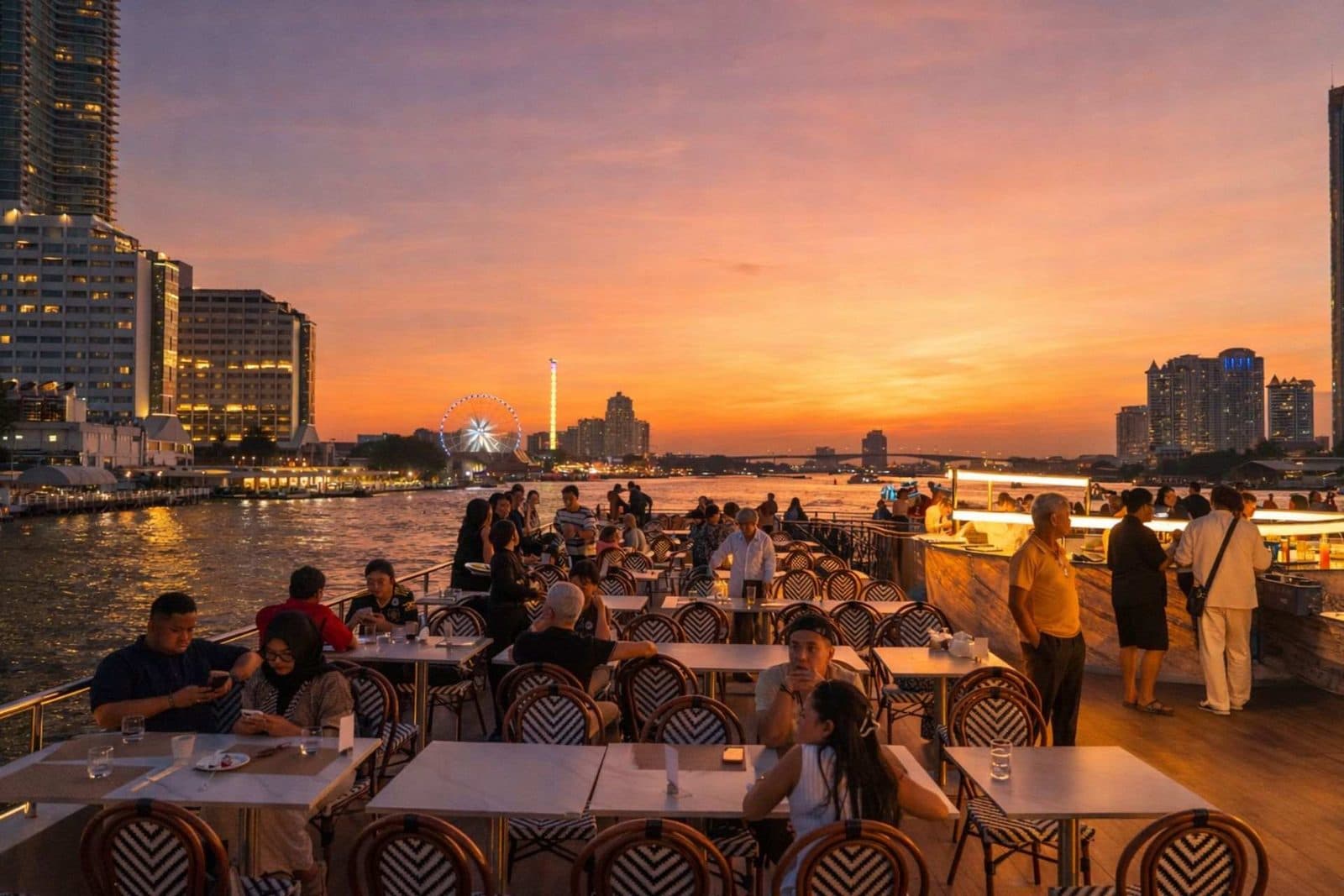


Bangkok street food is one of the real reasons to come to Thailand. Our team on Koh Phi Phi plans a lot of trips that start or end in the capital, and the question we hear most often from first-timers is the same: how do I eat on the street without getting sick, lost, or overwhelmed?

This guide is the answer we give our guests. It names no stalls, only areas and dishes, because the woks that are busy tonight may not be the ones busy next year. Learn how to read a stall and you will eat well anywhere in the city.
Where to start as a first-timer
Two kinds of places are safest and most fun when you are new to the city.
Chinatown by night is the easy answer. The main road fills with woks, charcoal grills, seafood on ice, noodles and sweets as the sun goes down. There is a crowd, there is light, and you can walk and taste your way along the sidewalk.

Local markets and the small side streets around them are the other easy answer. Fresh markets at dawn, office-area lanes at lunch, residential sois in the evening: each has its own rhythm. Stay away from streets built for tourists only. Look for the ones where Thai office workers, students and families are eating.

How to read a stall at a glance
Before you order, pause and look. We teach our guests to check four things.
The crowd. A line of locals is the best review you will ever get. Empty stalls at peak meal time are a warning.
The turnover. Food that is cooked to order in a hot wok in front of you is the safest kind. Pre-cooked dishes sitting in open trays can be fine if they are moving fast, but we skip them if the stall looks quiet.
The water and the ice. Bottled water, bagged ice with a hole in the middle (factory ice) and clean rinse buckets are good signs. Grey water and reused cloths are not.
The cook's hands. Gloves or tongs to handle ready-to-eat food, a separate hand for money: small details, but they tell you everything about how the stall is run.

Classic dishes we tell first-timers to try
You do not need a long list. Start with these and you will eat well everywhere.
Pad kra pao: minced pork or chicken stir-fried with holy basil and chilli, served over rice, usually with a fried egg on top. The default Thai office lunch.
Pad see ew and pad thai: wide rice noodles with dark soy and egg, or thin rice noodles with tamarind, peanuts and lime. Both are cooked to order in a blazing wok.
Khao man gai: poached chicken over rice cooked in the broth, with a ginger and chilli sauce on the side. Comforting, mild, perfect for a first lunch.
Boat noodles, beef or pork: small bowls of dark, deep soup with noodles, herbs and meat. Often sold in a lane dedicated to them.
Som tam: green papaya salad, pounded in a mortar, sour, salty, sweet and fiery. Ask for it mild on your first try.
Grilled skewers and sticky rice: pork or chicken moo ping over charcoal, a bag of sticky rice, and you have the best breakfast in Bangkok.
Mango sticky rice, roti and coconut ice cream: the easy sweet finish.
Spice levels: how to ask
Thai heat is real, and even seasoned eaters ask for less chilli in certain dishes.
For a mild version, say "mai phet" (not spicy). For a little heat, "phet nit noi" (a little spicy). For normal Thai spice, "phet" is already strong for most first-timers.
Som tam, boat noodles and any dish with the word "yam" (spicy salad) tend to burn more than noodles or rice dishes. Order one spicier plate to share, not your whole meal.
You will usually find a small tray of condiments: fish sauce with chilli, sugar, vinegar with chilli and dried chilli flakes. You add them yourself. Taste first, adjust after.
How to order without speaking Thai
Most stalls have one or two dishes they are known for. Point at what someone else is eating and smile. It works.
If there is a menu in English, order the headline dish, not something obscure. If there is no menu, the cook will usually guess what you want from your face.
Say the dish name slowly, then "kha" if you are a woman or "khrap" if you are a man at the end. It sounds small but it changes the whole interaction.
Takeaway is normal, even for soup. The cook will bag everything, add a rubber band, and hand you a spoon. Find a plastic stool, sit down, eat. No one minds.
Chinatown by night, step by step
Chinatown (Yaowarat) is where we send anyone who has one night to taste the city. Go after sunset. The air cools, the woks come out, and the neon signs light up the whole road.
Walk the main avenue first to see the scale. Then duck into the side lanes, which is where the older, quieter stalls hide. Seafood on ice, dim sum, noodle soups, grilled skewers, oyster omelettes and Chinese-Thai sweets all live here within a few blocks.
It gets packed on weekends. A weeknight is calmer and the cooks have more time. For a guided version with a driver who knows the back lanes, see our Bangkok by night in a tuk tuk option.
Markets and side streets to explore
Beyond Chinatown, Bangkok has dozens of micro food scenes. A few our team likes.
Fresh morning markets around the older neighbourhoods near the river and the Old Town. Go early for rice soup, dim sum, pork skewers and coffee.
Office-district lanes at lunch, around the BTS stations in the business areas. Short queues, fast woks, honest prices.
Residential sois in the evening, especially the ones leading off the main roads near Thong Lo, Ari and the canal neighbourhoods. More relaxed, more local.
Hygiene: the honest version
We will not pretend every stall is spotless. Some are. Some are not. The ones we eat at follow a simple pattern.
Food is hot, cooked in front of you, and handed over fast. The oil is clear, not black. Raw ingredients are kept separate from cooked ones. Plates are rinsed in clean water, not grey water. The cook does not handle money and food with the same hand.
Skip anything that has been sitting lukewarm, raw seafood you cannot verify, and tap water. Drink bottled water, use bagged factory ice (the cylinders with a hole), and carry hand gel. Our guests follow these rules and eat well.

Cash, etiquette and small things that matter
Carry small cash. Many stalls now take QR payments, but a lot still do not. Break your big notes at a convenience store before you sit down. We never state prices because they move, but street food is still the cheapest proper meal in the city.
Sit where the cook points you. Share tables with strangers if it is busy: that is normal.
Finish what you order, or take it away in a bag. Leaving a full plate is seen as rude.
Be patient with the queue. The cook is making one dish at a time in a tiny pan, and that is why it tastes the way it does.
When street food is not the answer
Street food is not for every traveller every night.
If you have a very sensitive stomach, start with lunch at a busy covered market rather than a late-night sidewalk, and ease in.
If you have serious allergies, especially peanut or shellfish, tell the cook before you order. Cross-contamination in a shared wok is real. A written allergy card in Thai helps a lot.
If you travel with young children or elderly parents who need quieter seating, a guided tasting in a tuk tuk is often a better first contact than the crowd on Yaowarat. Our team can plan a calmer evening around the river or the Old Town: see our Bangkok destination page and the guided Bangkok things to do guide for context.