



Our team lives on Koh Phi Phi, so we do not call Phuket home. We plan Phuket trips regularly with local guides and dive centres we book directly, and we see the same question from first time divers again and again: should I just try it, or get certified? This guide lays out the honest path, with no jargon.
Phuket is the easiest base for a beginner on the Andaman coast: a big international airport, calm training bays, warm water all year, and in season, boats to world-class sites. Here is how we would plan it, step by step.

Try a dive, take a course, or both? The honest answer
The right option depends on how long you have, and how deep the bug has bitten you.
- You have a half day and are curious: start with a discover scuba session.
- You have a few days: a short entry course gets you a basic certification you can build on later.
- You have more days and want the real certificate: the Open Water is the card most divers carry worldwide.
- You want to reach the best sites in season: an Advanced level opens up the Similan reefs and the deeper sites around Phuket.
If you only have a day in Phuket, do not try to squeeze in a full course. Do the discover scuba, and save the real training for your next trip or for a longer stop on Koh Phi Phi.


Discover scuba, your first breath underwater
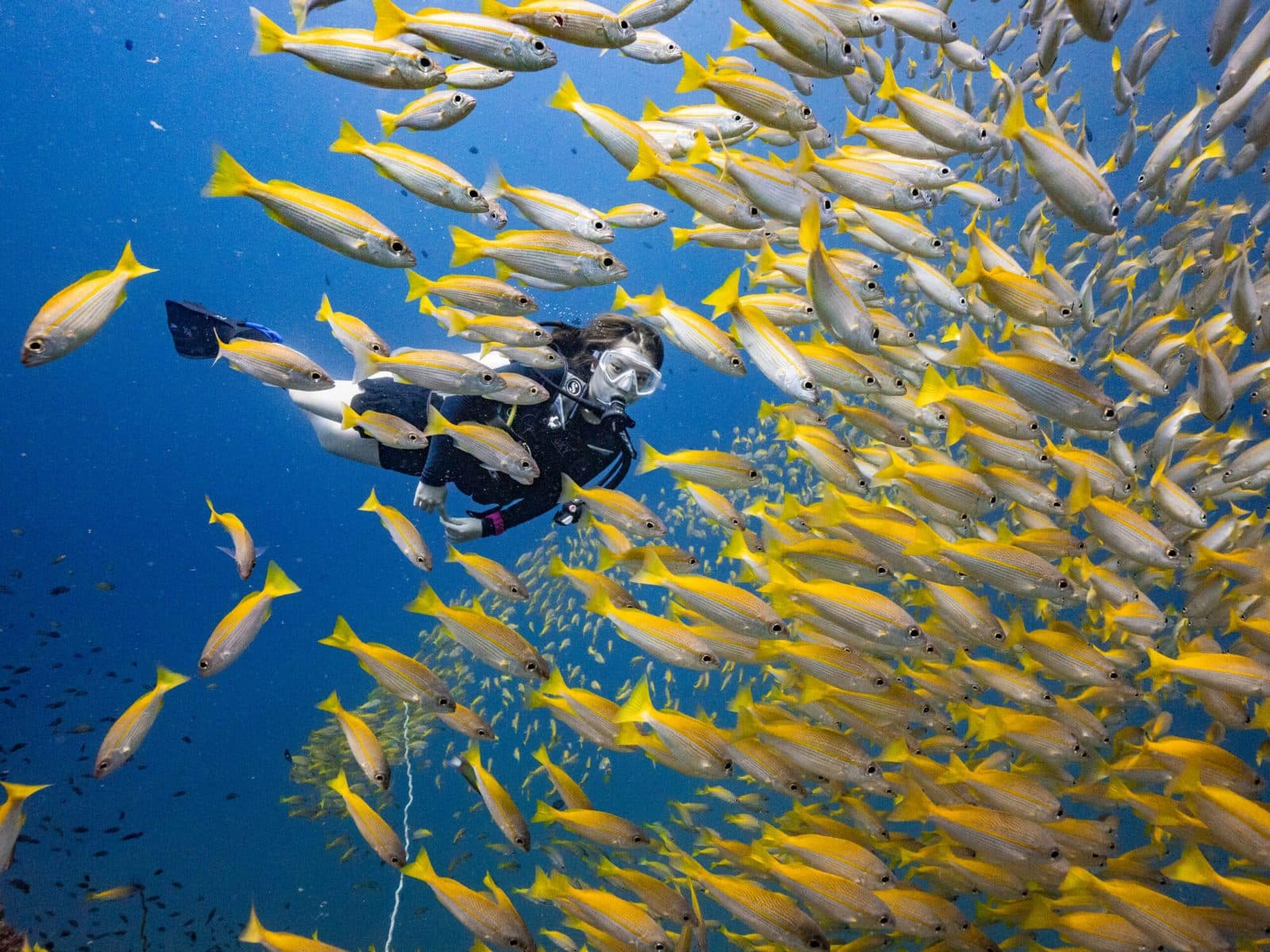
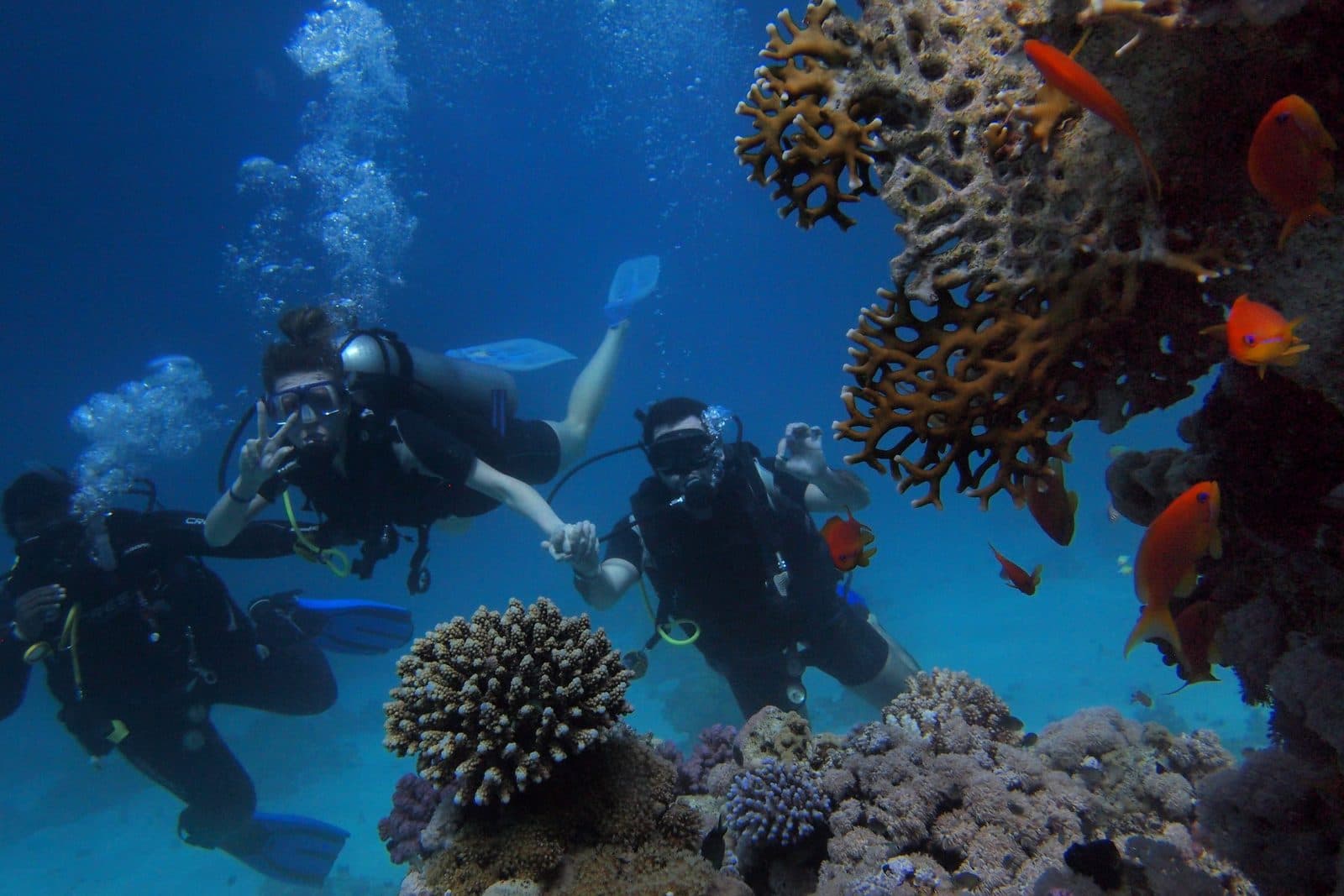
A discover scuba dive is the simplest way to see if diving is for you. An instructor stays with you the whole time, you breathe through a regulator, and the boat takes you to a calm reef in Phuket's sheltered waters.
You do a short briefing on land, practise a few basic skills in shallow water, then dive together. No written exam, no previous experience, no certification at the end. Just the memory and the photos.

Who it is not for: people who panic in water, or who are not comfortable putting their face under. Book the Phuket discover scuba if you want to try in a day. The same experience exists on Koh Phi Phi too: see our beginner diving guide for Phi Phi.
Scuba Diver, the short certification
The Scuba Diver certification is the lighter version of the Open Water. It covers the core theory and the essential skills, and gives you a real card you can keep.
It fits a short holiday. You can still dive after the course, but only with a pro, and only within shallow limits. Later, you can upgrade to the full Open Water without starting over.
Good choice if you have a few days and want a small card to show for it. Not the right choice if you already know you love diving: in that case, go straight to the Open Water.
Open Water, the real card you keep for life
The Open Water Diver is the standard entry certification. It is accepted everywhere in the world, it does not expire, and it lets you dive with a buddy without needing a pro on every dive.
Expect theory, confined water skills in a pool or shallow bay, and real open water dives on Phuket's reefs. It is not a vacation course you breeze through: you study, you practise, you earn it.
If you have a clear block of days and want the real thing, book the Phuket Open Water course. Finish it in Phuket, then go fun diving anywhere else on your trip.
Advanced, going deeper and further
Once you have your Open Water, the Advanced Open Water is the natural next step. You pick a few specialty dives, deep, navigation, drift, wreck or night, and build on the basics.
Why bother? Many of the best sites in the Andaman, including a lot of the Similan and Richelieu Rock dives, sit deeper than an Open Water diver can reach. Advanced lets you see them properly.
Book the Phuket Advanced course, or if you fall for Phi Phi later in your trip, finish it there instead: see our advanced diving guide for Phi Phi.

Nitrox, a small upgrade worth it before the Similan
Nitrox is diving with enriched air, more oxygen than a normal tank. In practice, it means longer bottom times and shorter surface intervals on repeat dives.
The course is mostly theory. No extra open water dives needed, no scary new skills. It is the single most useful specialty before a Similan liveaboard, where you dive several times a day.
If you already know you will do a dive cruise, add Nitrox shortly before the boat leaves.
Already certified? Refresher and fun diving
If it has been a while since your last dive, book a refresher before jumping into fun diving. A short session in a pool and a bay, skills reviewed, breathing back to normal, confidence back.
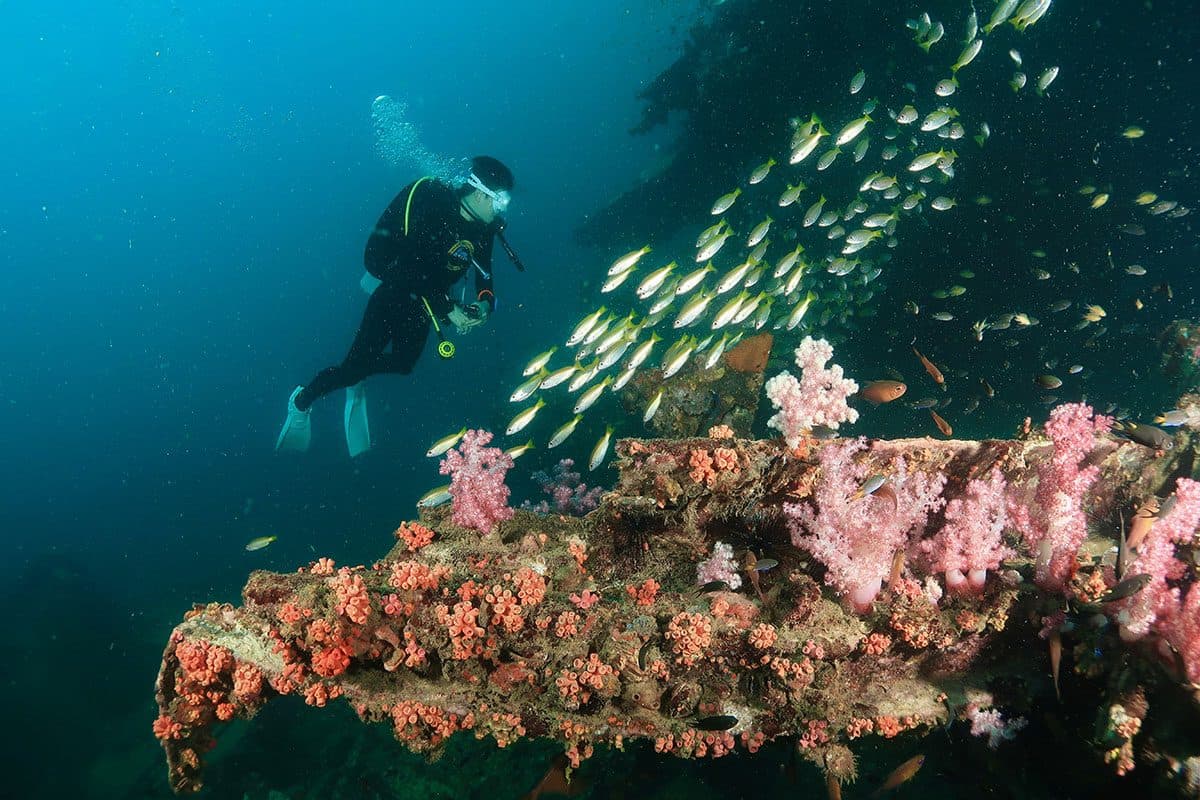
If you are current, go straight to fun diving on Phuket's reefs: Shark Point, Anemone Reef, the King Cruiser wreck, Racha Yai and Racha Noi. Multiple dives in a day is a common rhythm from Phuket.
Be honest with yourself about how rusty you are. A refresher at the start of a trip saves a wasted first dive.
The Similan Islands, the big one
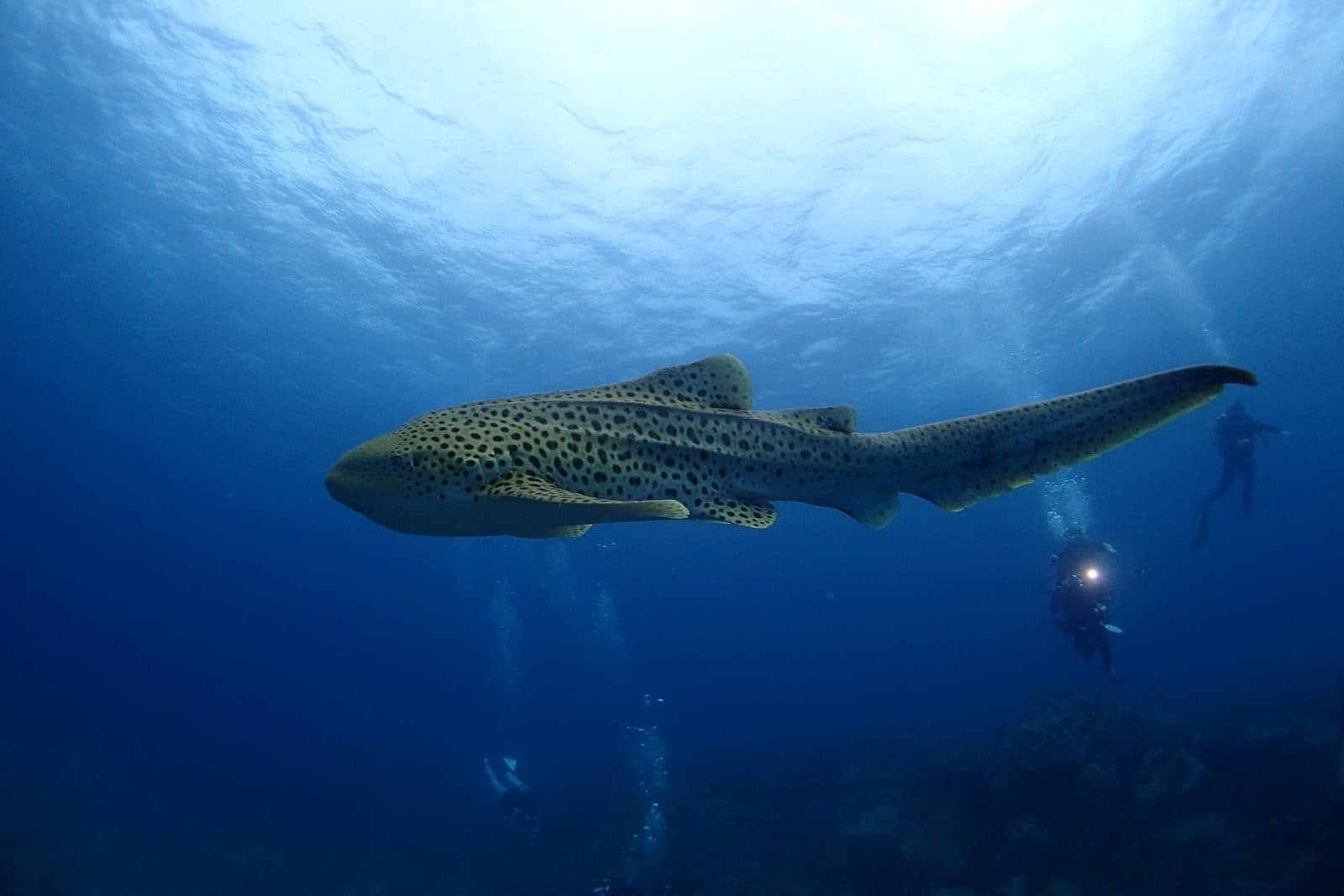
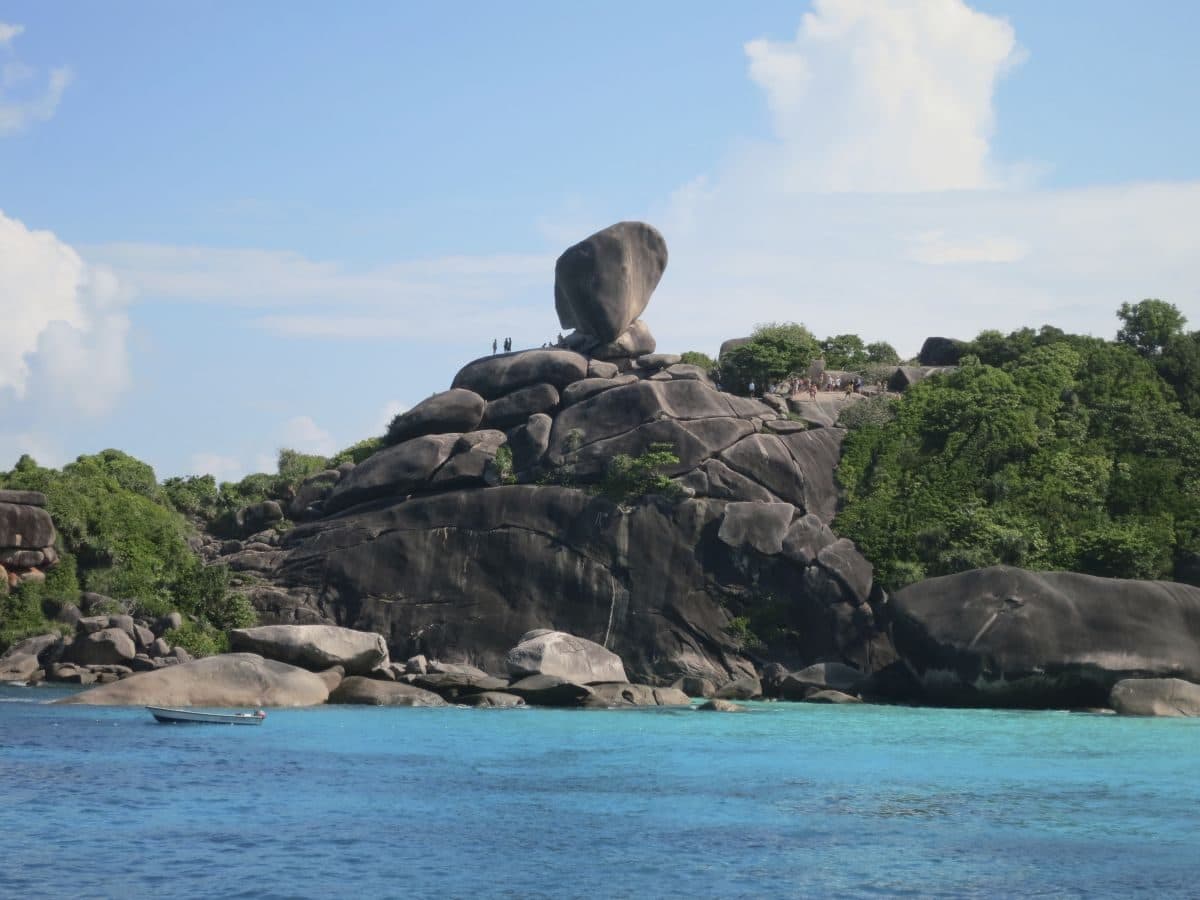
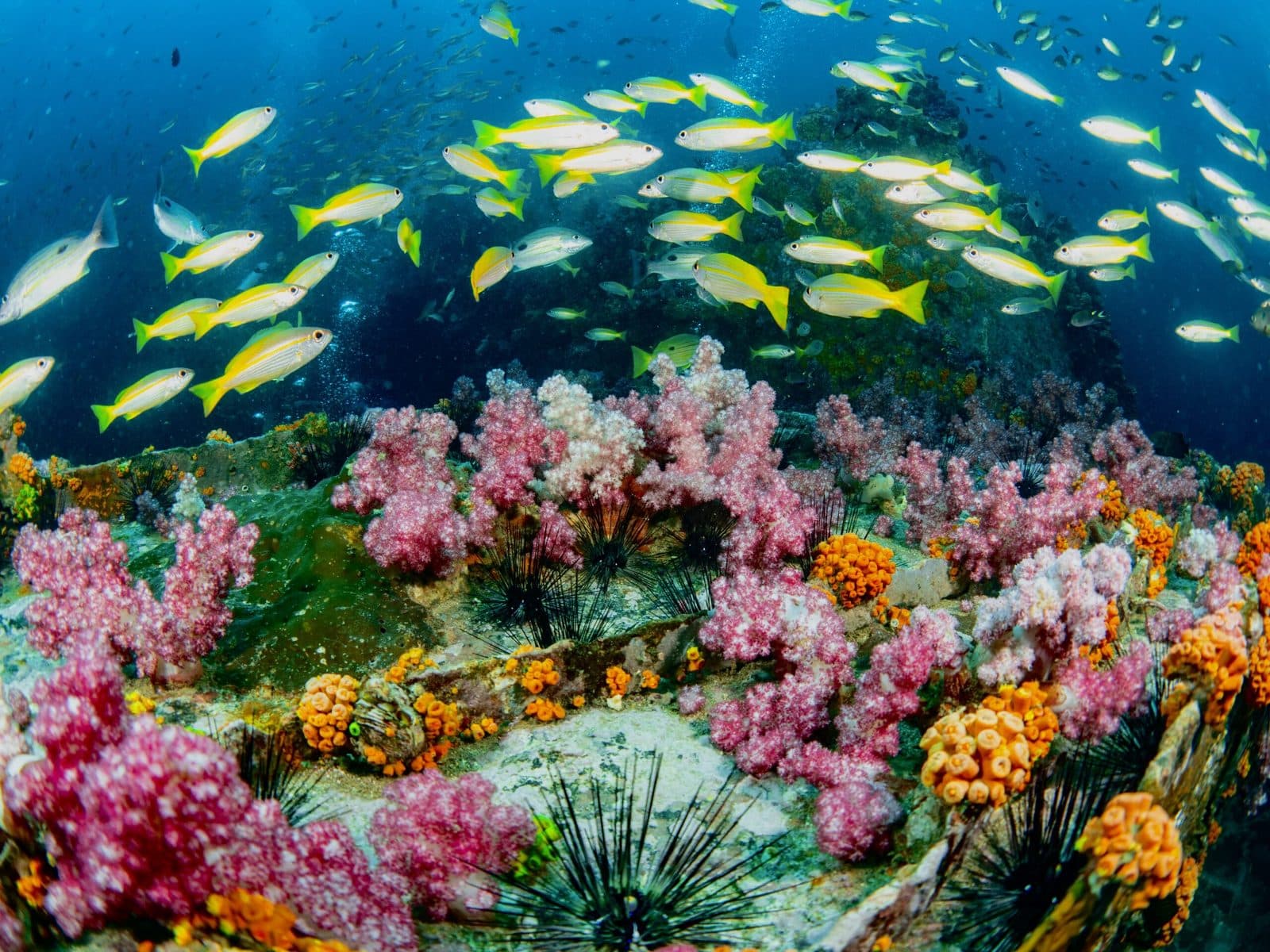
The Similan Islands national park is the reason many divers come to this coast. White sand, granite boulders, deep blue water and healthy reefs, with manta rays and whale sharks if you are lucky.
Rule number one: the park is open only from mid-October to mid-May. Closed the rest of the year. If you are travelling outside that window, the Similans are not an option, no matter what anyone promises you.
Rule number two: a day trip is tiring but doable. A liveaboard is better for serious diving, more dives, less commute, dawn and dusk on site.
- For divers who want the best of it, see the Similan diving cruise.
- For snorkelers and mixed groups: the Similan Islands snorkeling trip is the easier way to see the islands.
Non diving partner on board? The clean fix
A common issue on a short holiday: one of you wants to dive, the other does not. The simplest solution is the snorkeling on a dive boat option.
The non diver stays on the boat, snorkels on the reef while the divers go down, has lunch on board, and you both end up on the same beach at the end of the day.
Book snorkeling on a dive boat for the partner who stays on the surface. Much simpler than taking two separate boats.
Season, water and sea conditions, honestly
The Andaman coast runs on two seasons, and diving follows them.
- November to April is high season: calm sea, clear water, all sites open. February to April is the driest and often the best visibility of the year.
- May to October is the southwest monsoon. Many Phuket sites still run on the sheltered east coast, but boat days can be cancelled when the sea is rough, and the Similan park is closed.
Sea water is 27 to 30 °C all year, so a thin wetsuit is enough. A red flag on a Phuket beach means no swimming, and on those days the outer sites may not be reached. Our rule for first time divers: pick high season if you can, and leave a buffer day in case weather bumps a dive.