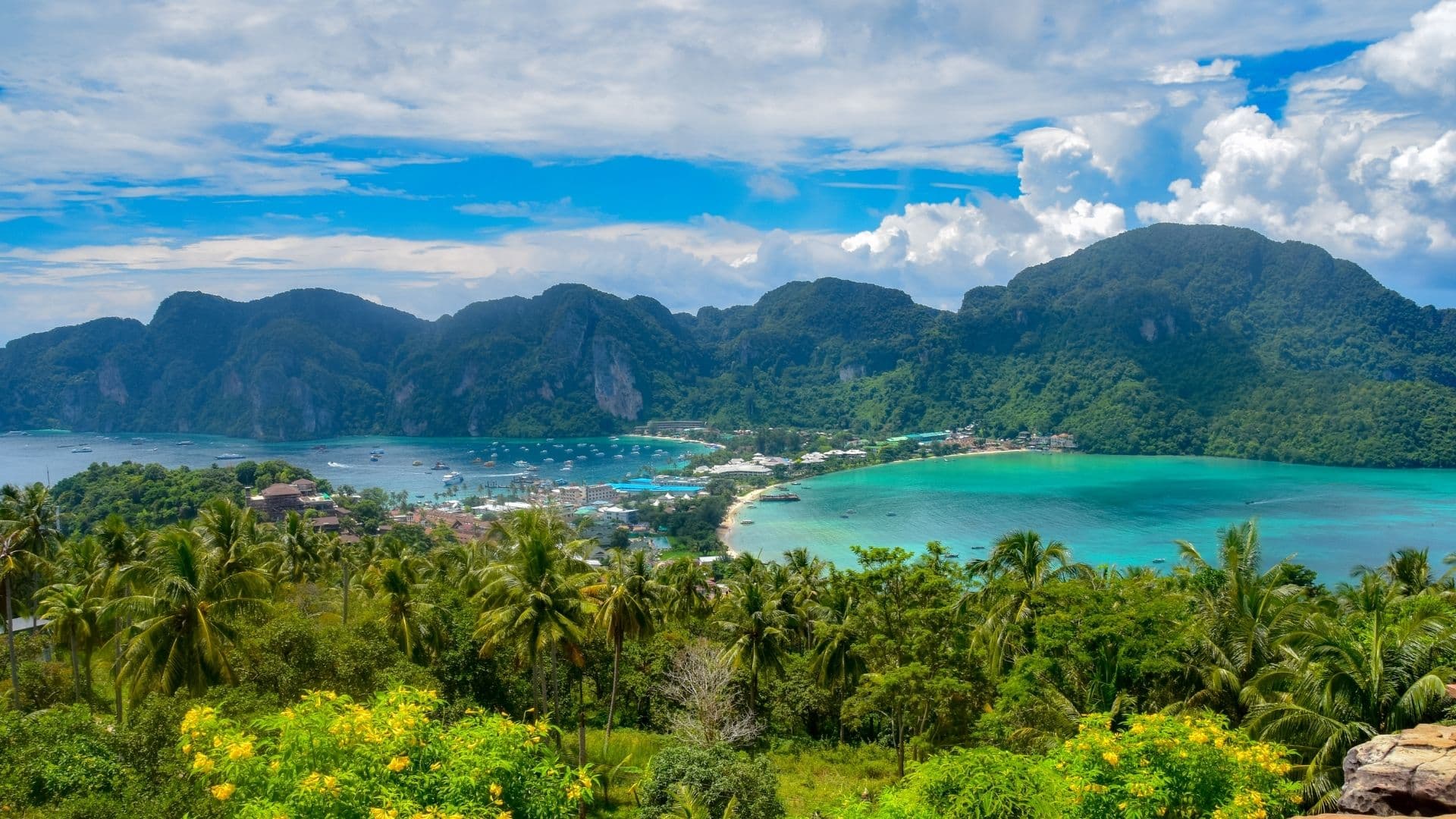
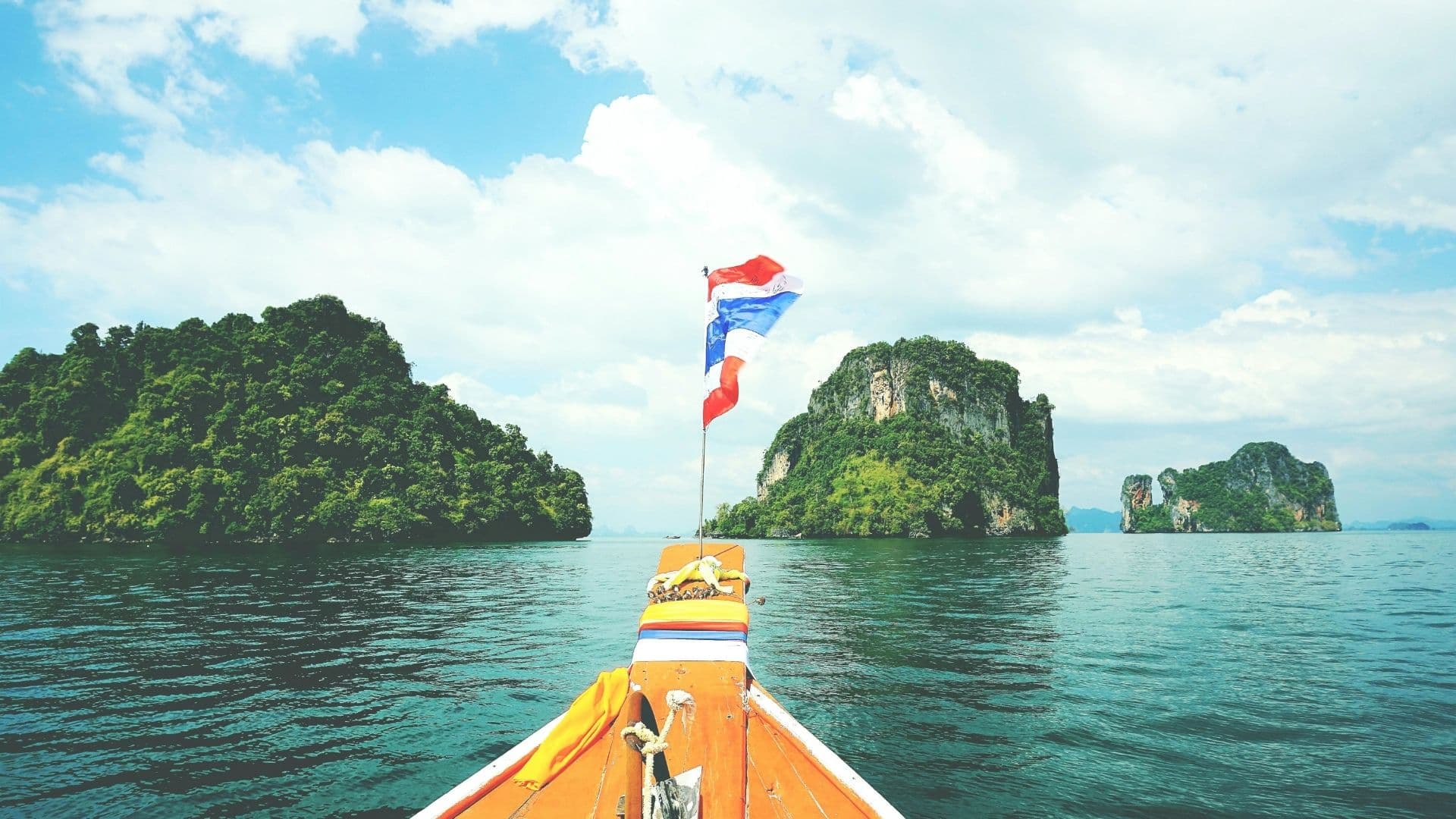
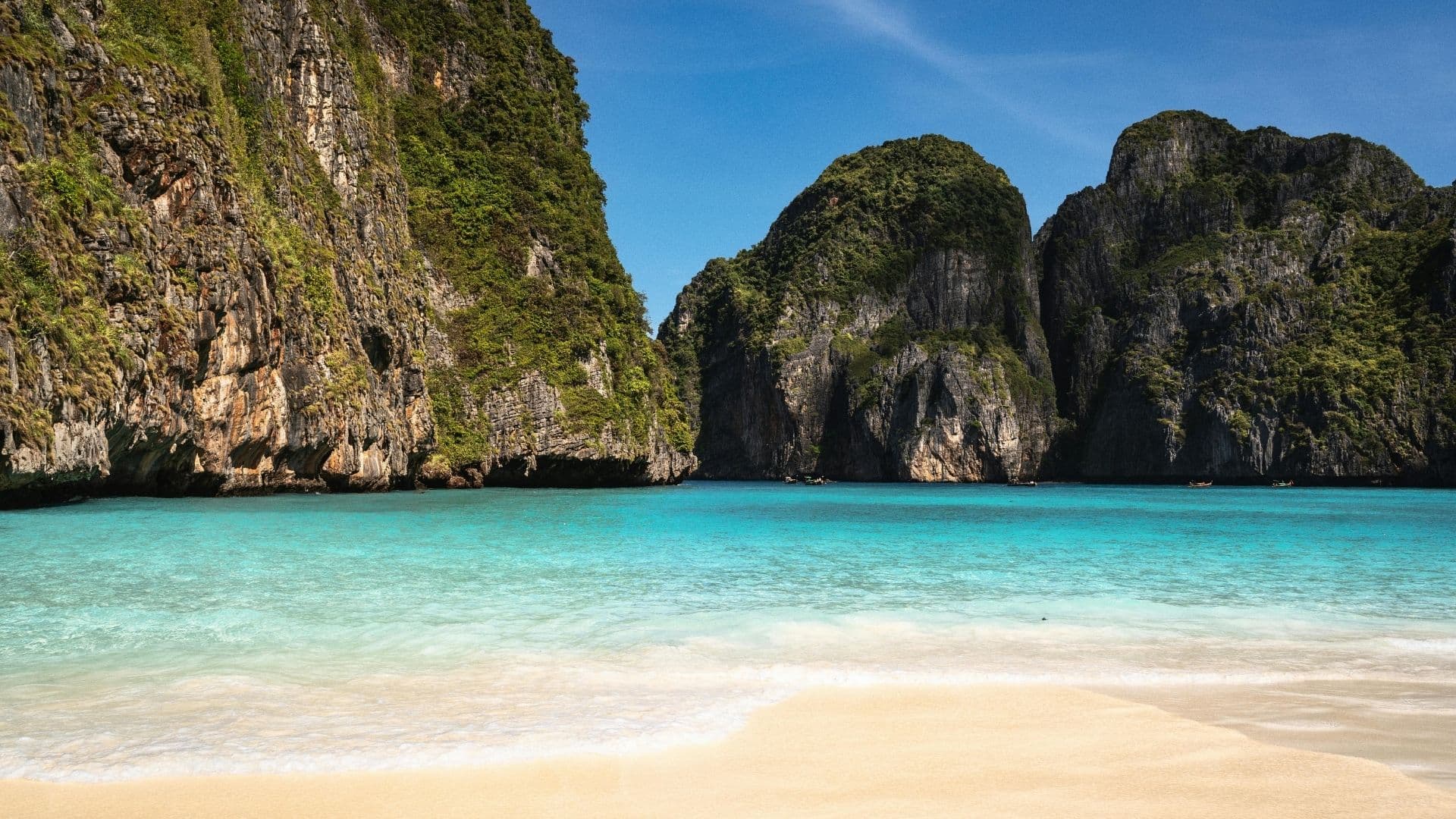
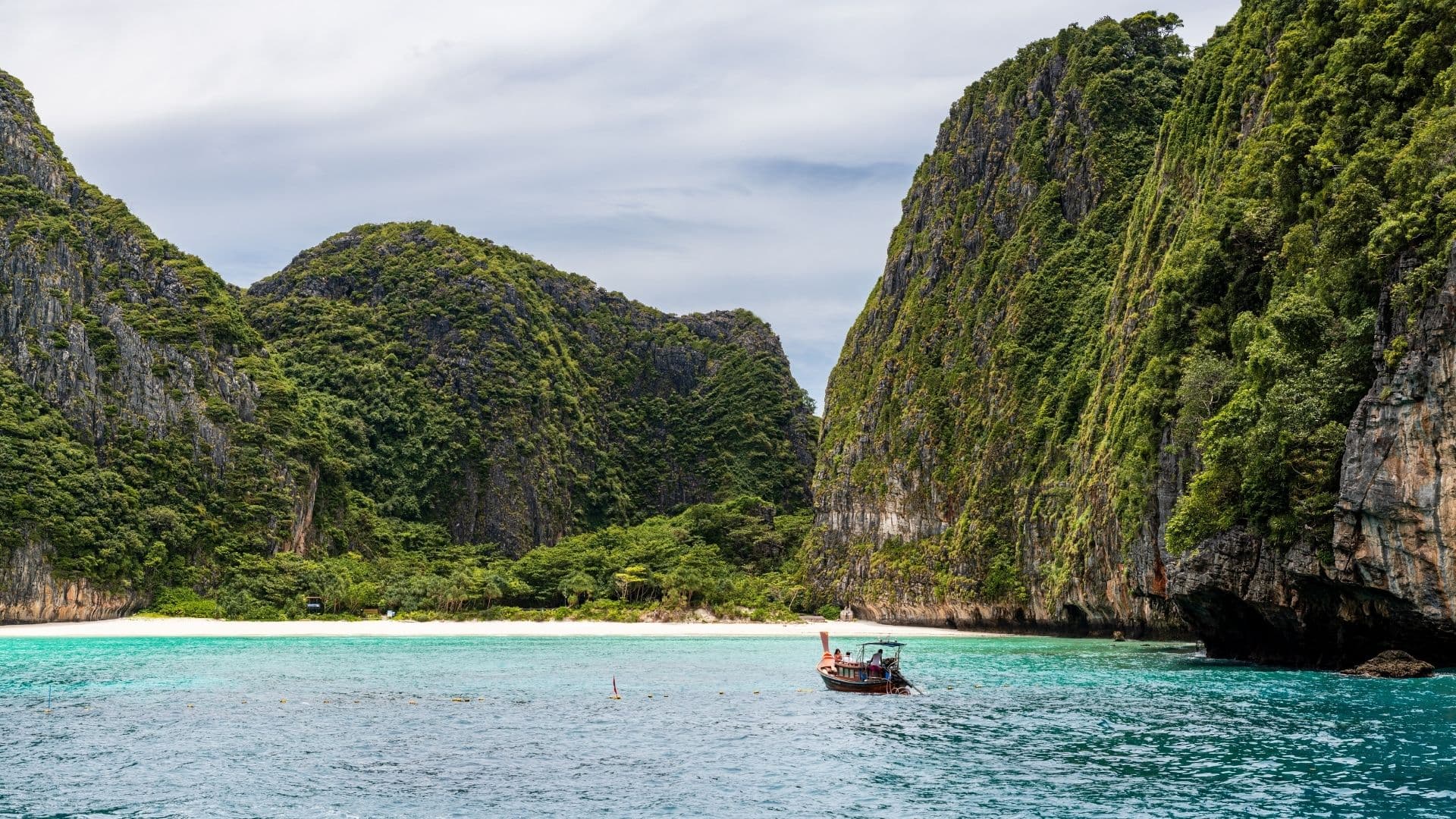
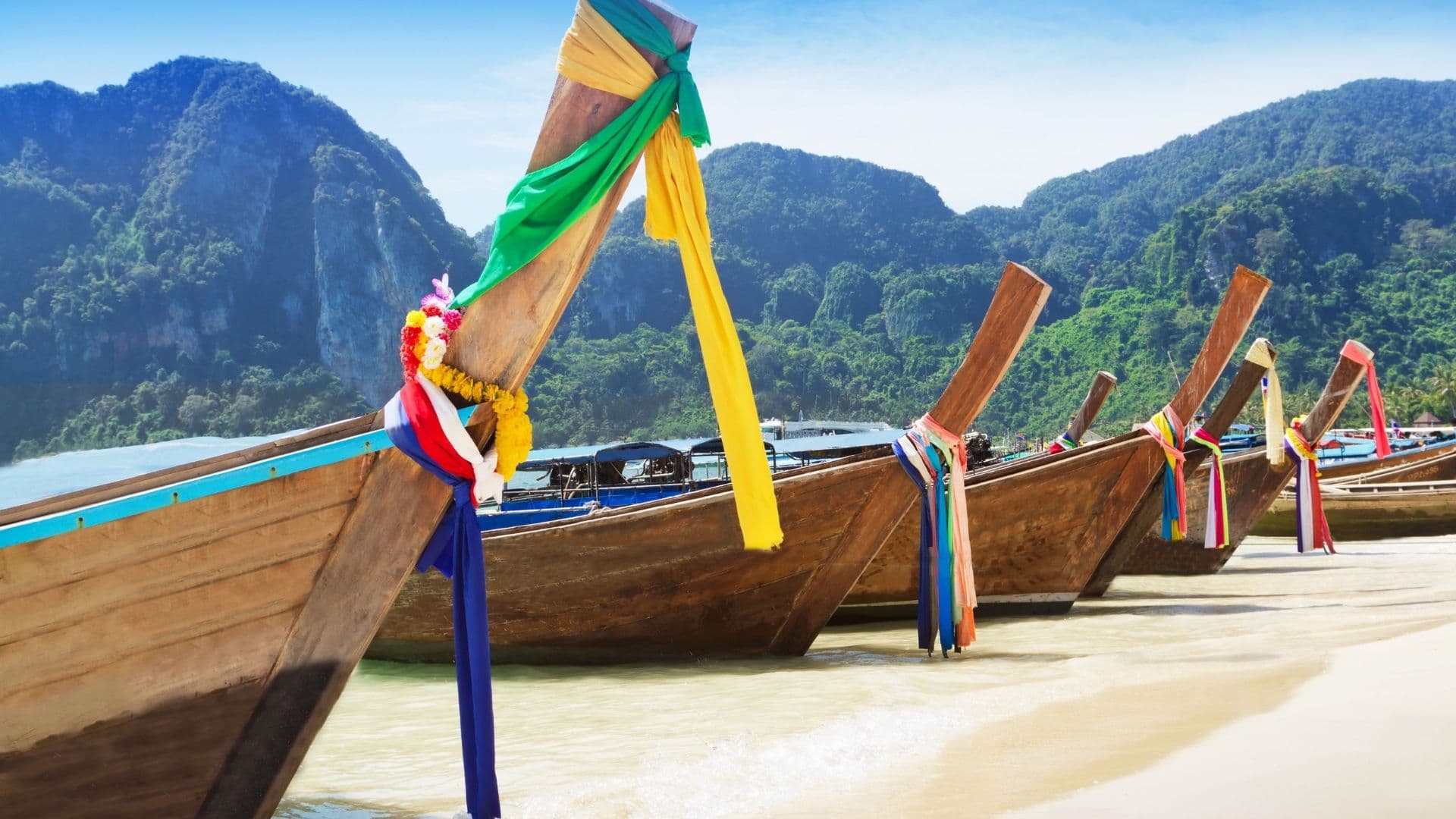
We live in Tonsai village, and we see the island every day: busy mornings at the pier, longtails heading out, the reef under the boats. Koh Phi Phi is beautiful because the sea around it is still alive. It is also small, crowded in high season, and reachable only by boat, so every visitor's choices add up.
This guide is the advice we give our friends when they come to stay. It is not a lecture. These are small, practical habits: how to snorkel without hurting coral, what to put on your skin, why the monkeys should not get your snacks, and what the Maya Bay rules mean on the ground.

Responsible travel on Phi Phi: the short version
If you only remember a few things, make it these:
- Do not touch, kick or stand on coral. Not even for a photo.
- Wear reef-safe sun cream, or better, cover up with a rash guard and a hat.
- Never feed fish or monkeys. Not bread, not fruit, not chips.
- Refill your water bottle instead of buying a new plastic one each time.
- Follow the Maya Bay rules: the annual closure, the buoyed swimming zone, the boardwalk.
- Take your rubbish back from the beach and the boat.
None of this costs you a better holiday. Most of it actually makes your trip calmer and your photos nicer.
Why Maya Bay closes every year
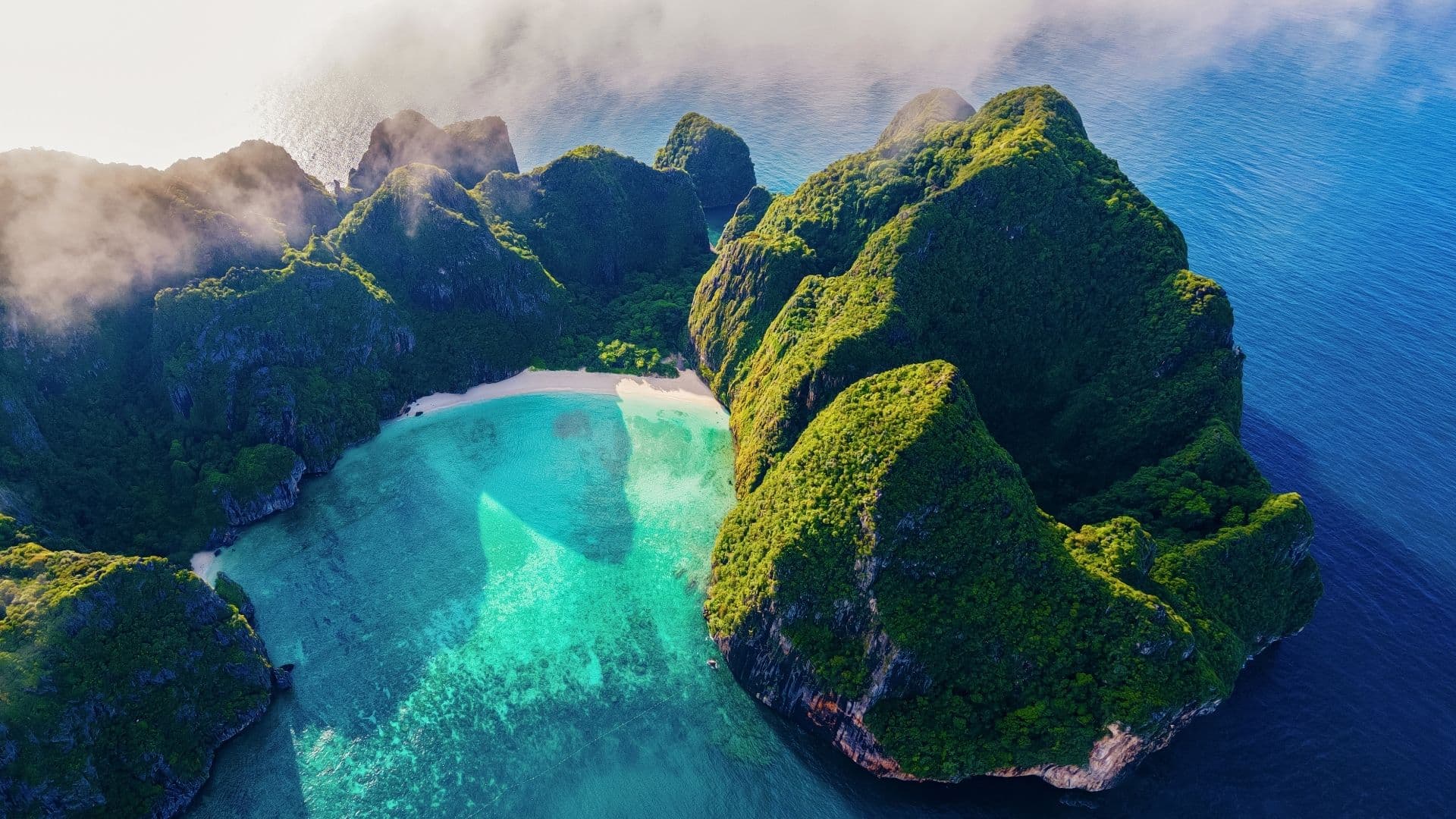
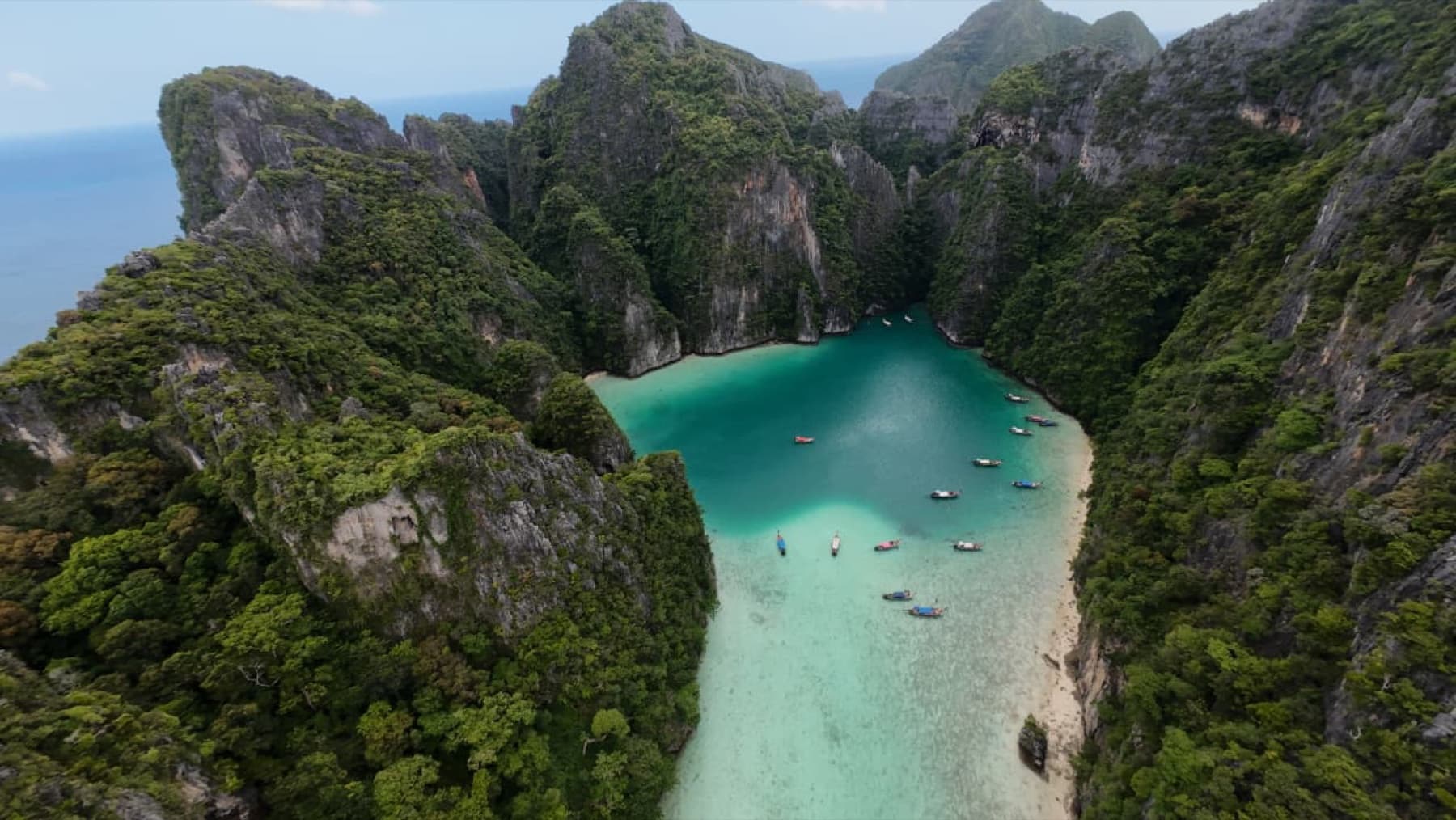
Maya Bay, on Koh Phi Phi Leh, is closed to visitors every year from 1 August to 30 September. The reason is reef recovery: the coral and the marine life need a break from boats, swimmers and noise. It reopens on 1 October.
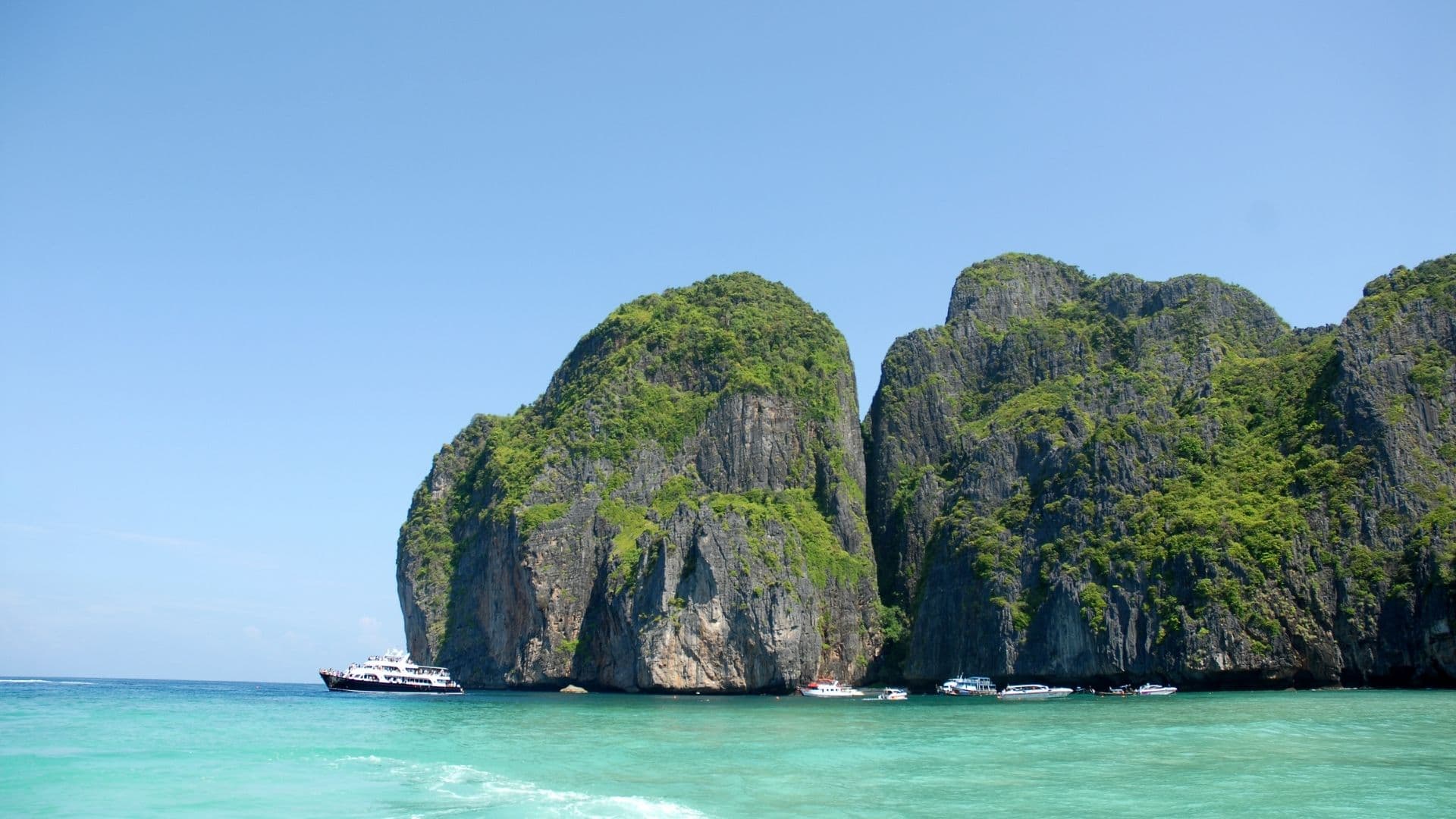
The bay is now managed differently from the old days. Boats no longer land on the beach. They dock at Loh Samah Bay on the other side and you walk in on a boardwalk. There is a cap of 300 visitors at the same time.
Swimming is allowed, but only inside the buoyed zone and without mask or fins. Please stay inside the buoys. They protect the shallow areas where the reef is coming back. If you want real snorkeling, Loh Samah Bay and Pileh Lagoon are the places for it.
The national park fee is 400 THB per adult and 200 THB per child aged 4 to 11, paid in cash on arrival. Whether it is included depends on the tour, so check the tour page. Our Maya Bay page and our Maya Bay rules guide go into more detail.
Coral: look, do not touch
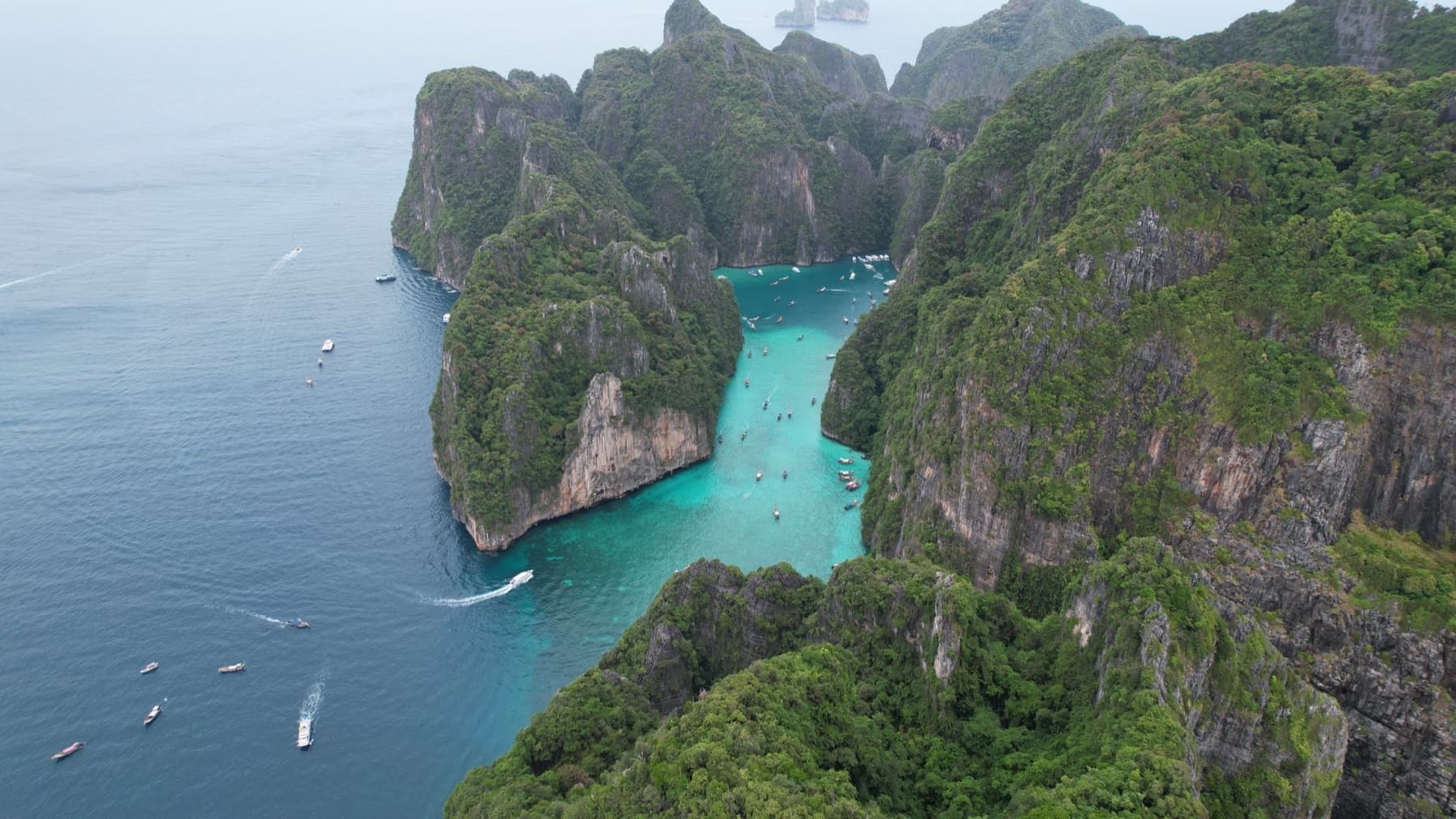
Coral is a living animal. A hand on it, a fin kick or a foot pressed down to rest can break or kill a piece that took a very long time to grow. Sun cream and skin oils on contact do damage too.
What we tell our friends before they get in the water:
- Float, do not stand. If you get tired, turn on your back or hold the boat line, not the reef.
- Watch your fins. Keep your legs up behind you, and stay away from shallow coral where your fins could hit it.
- Wear a life jacket if you are not a confident swimmer. A nervous swimmer looking for something to stand on is the main reason coral gets trampled. There is no shame in a vest. Our guide for non-swimmers explains the calm spots.
- Do not take anything. No shells, no coral pieces, no sea urchins for a selfie.
This is not for people who want to touch and hold marine life. If that is what you are after, Phi Phi is the wrong place to look for it.
Sun cream: what to put on your skin
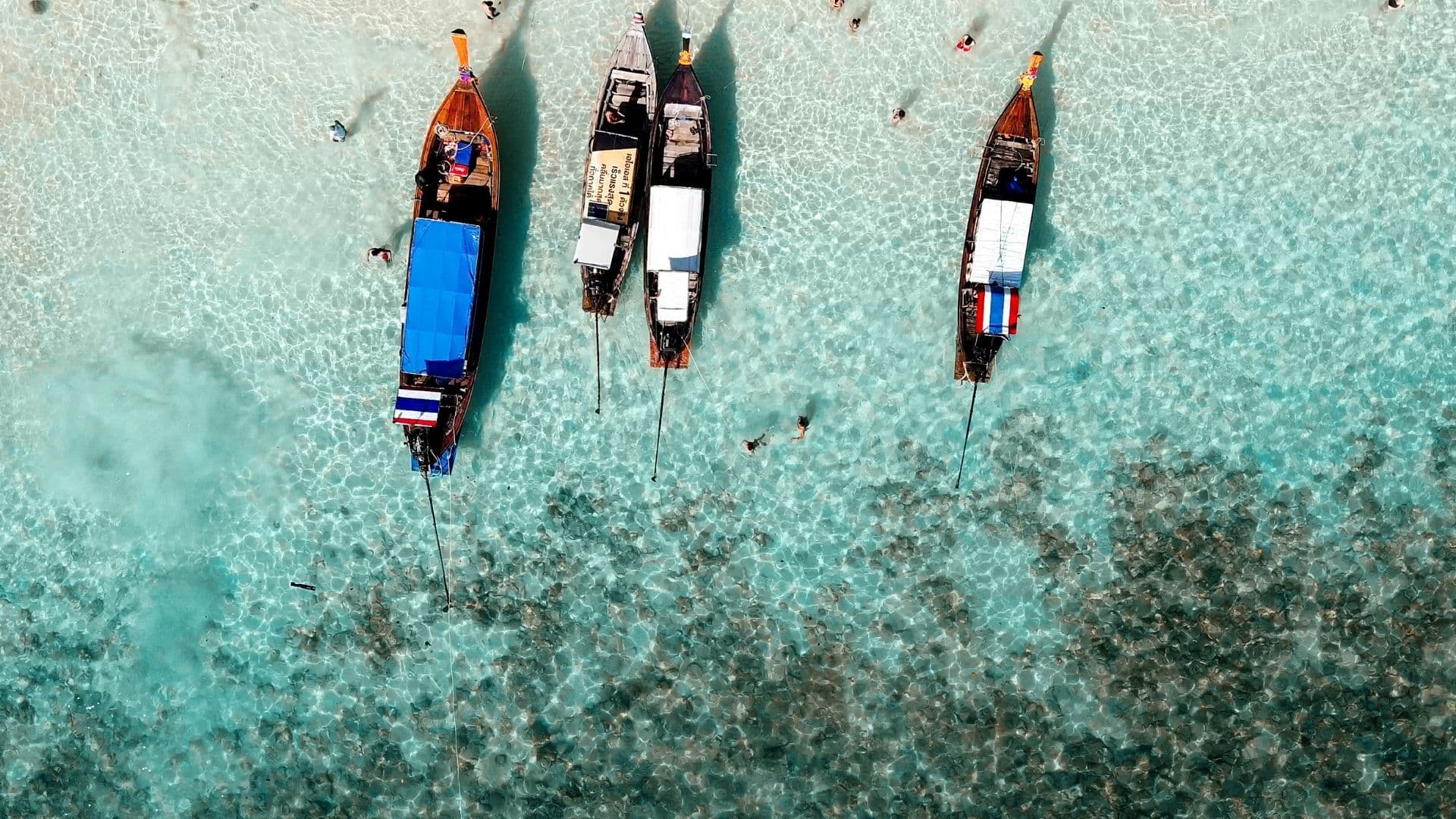
Many people jump into the sea covered in fresh sun cream, several times a day. In a busy snorkel spot, that adds up.
Our honest advice: the best sun protection for the reef is clothing. A long-sleeve rash guard, a hat on the boat and a bit of shade cover most of your body without anything washing off into the water. You will also burn less, which matters on a boat where the sun hits hard.
For the parts you cannot cover, use a reef-safe sun cream. Bring it from home if you can: choices on the island are limited and you may not find what you want. Put it on well before you swim so it has time to settle on your skin, rather than straight before you jump in.
Fish and monkeys: please do not feed them
Feeding fish changes how they behave. They crowd around boats, stop feeding naturally, and food like bread is simply wrong for them. The reef also suffers when the balance of fish shifts. Just watch them. They are more beautiful doing their own thing.
The monkeys are a bigger issue. At Monkey Beach and around some viewpoints, macaques have learned that tourists mean food. Feeding them makes them bold and sometimes aggressive, and they can bite or scratch. Junk food and drinks are bad for them too.
- Keep food and drinks inside a closed bag, out of sight.
- Do not hold out anything for a photo.
- Do not crouch close to them or try to touch babies.
- Keep small children near you.
Our Monkey Beach guide explains what to expect there, honestly.
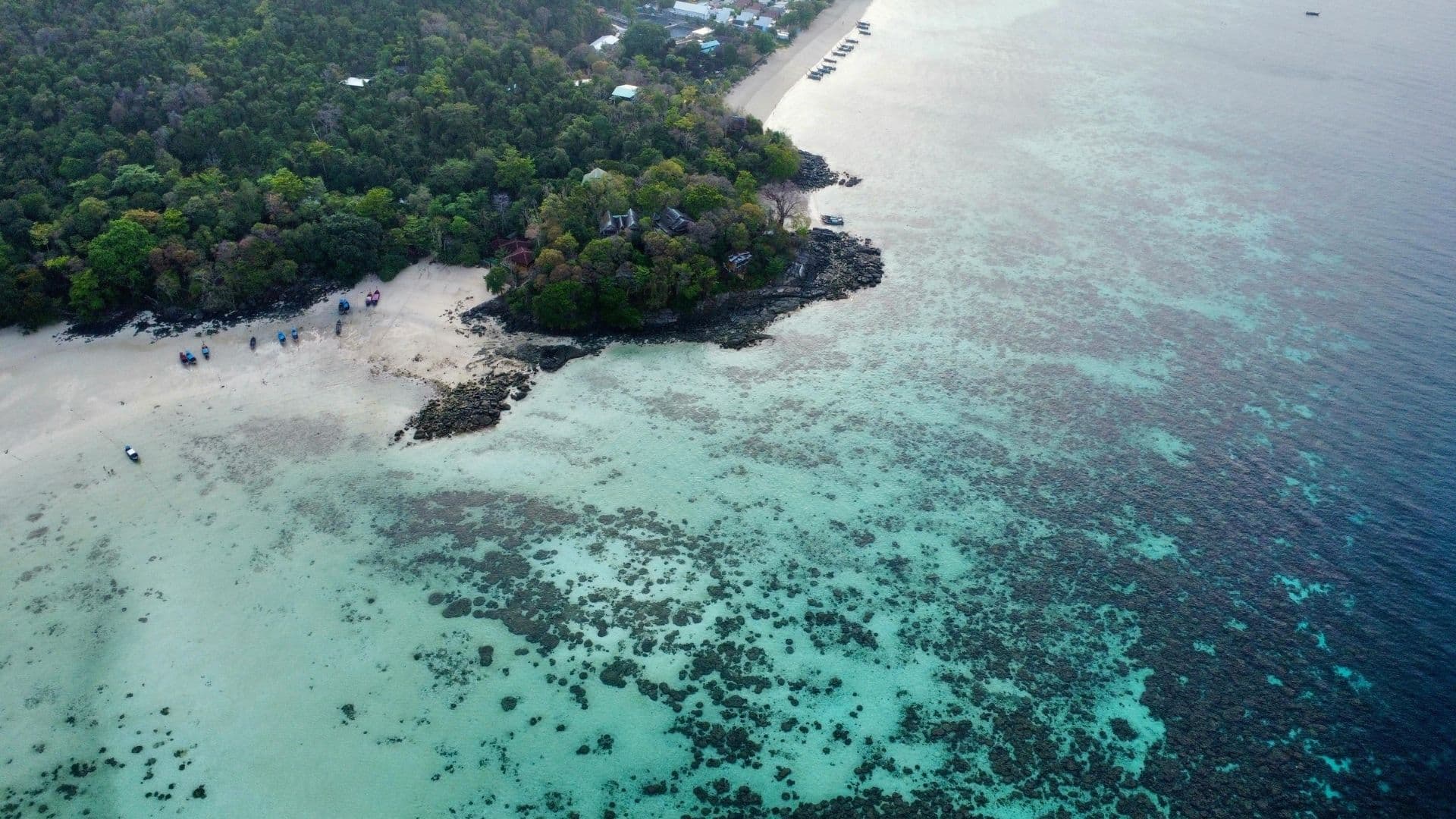
Plastic and rubbish on a small island
Koh Phi Phi has no cars and no airport. Everything arrives by boat, and everything that is thrown away has to be dealt with on a small island or shipped back. Plastic that is dropped on a beach often ends up in the sea.
Simple habits that really help:
- Bring a refillable bottle and ask your accommodation where you can refill it.
- Say no to straws and extra bags at shops and bars.
- Pack a small bag for your own rubbish on boat days and beach days.
- Pick up one or two pieces you see on the sand when you leave. It takes seconds.
If you smoke, carry a little container for your butts. They are small, but they are everywhere on busy beaches.
Choose when and how you go out
Crowds put pressure on the most famous spots. Going at a quieter moment is better for you and easier on the place.
Our Morning Maya sunrise trip reaches Maya Bay before the day-tripper boats from Phuket and Krabi arrive. You see the bay calm, with fewer people in the water.
A private long-tail lets you choose quieter spots and skip the ones that are packed when you get there. It suits small groups and families who want a slower day. It is not for travellers who want a party atmosphere: for that, look at the Pirate Boat instead.
In the monsoon months, some days the sea is rough and boat tours can be cancelled. Please do not push a captain to go out in bad conditions. If we cancel for weather, you get a full refund or a free change of date.
What we ask of guests on our boats
We cannot speak for every boat in the bay. We can tell you how we want our own trips to feel.
On our boats, we ask guests to follow the same rules in this guide: no touching coral, no feeding fish, rubbish stays on board until we are back in Tonsai, and swimmers at Maya Bay stay inside the buoys. If our crew reminds you, it is not to spoil the fun. It is because this is our home water and we want to keep working here for a long time.
We also respect the Maya Bay closure every year. We do not sell trips that land on the beach or promise ways around the rules, because there are none. If you are planning around August and September, have a look at the snorkeling guide for good spots that stay open.
On land: Tonsai, Long Beach and the viewpoints
Responsible travel does not stop at the waterline. Tonsai village is where people live and work, not just a set of bars.
- Cover up a little away from the beach, especially near the mosque and in the village lanes.
- Keep the noise down late at night if you stay outside the party area around Loh Dalum.
- Stay on the paths on the hike to the viewpoint and the walking trails. Shortcuts erode the hillside.
- Ask before you photograph people, especially children.
When you buy a coconut, a snack or a souvenir from a small local stall, the money stays on the island. That matters here.