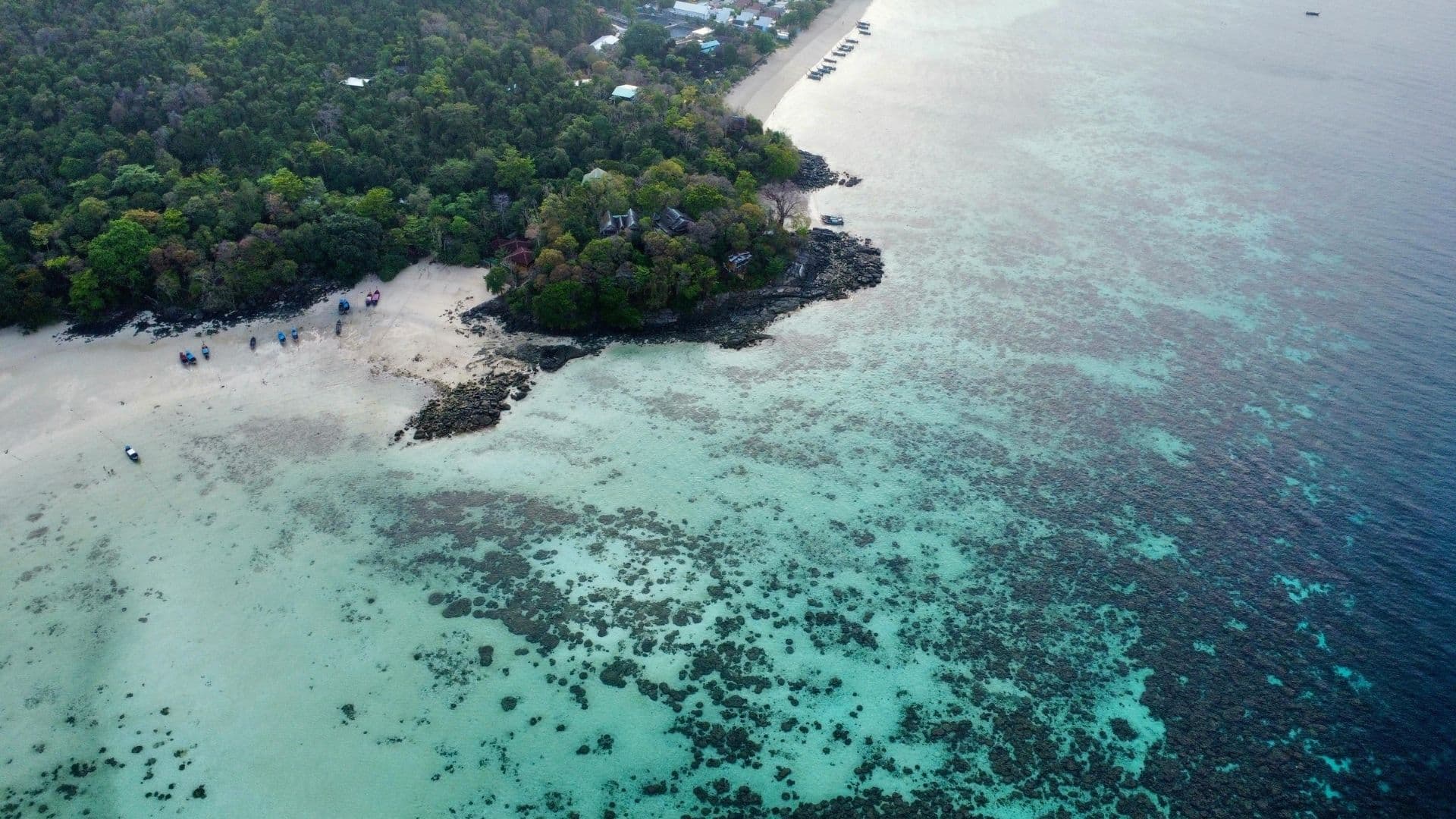
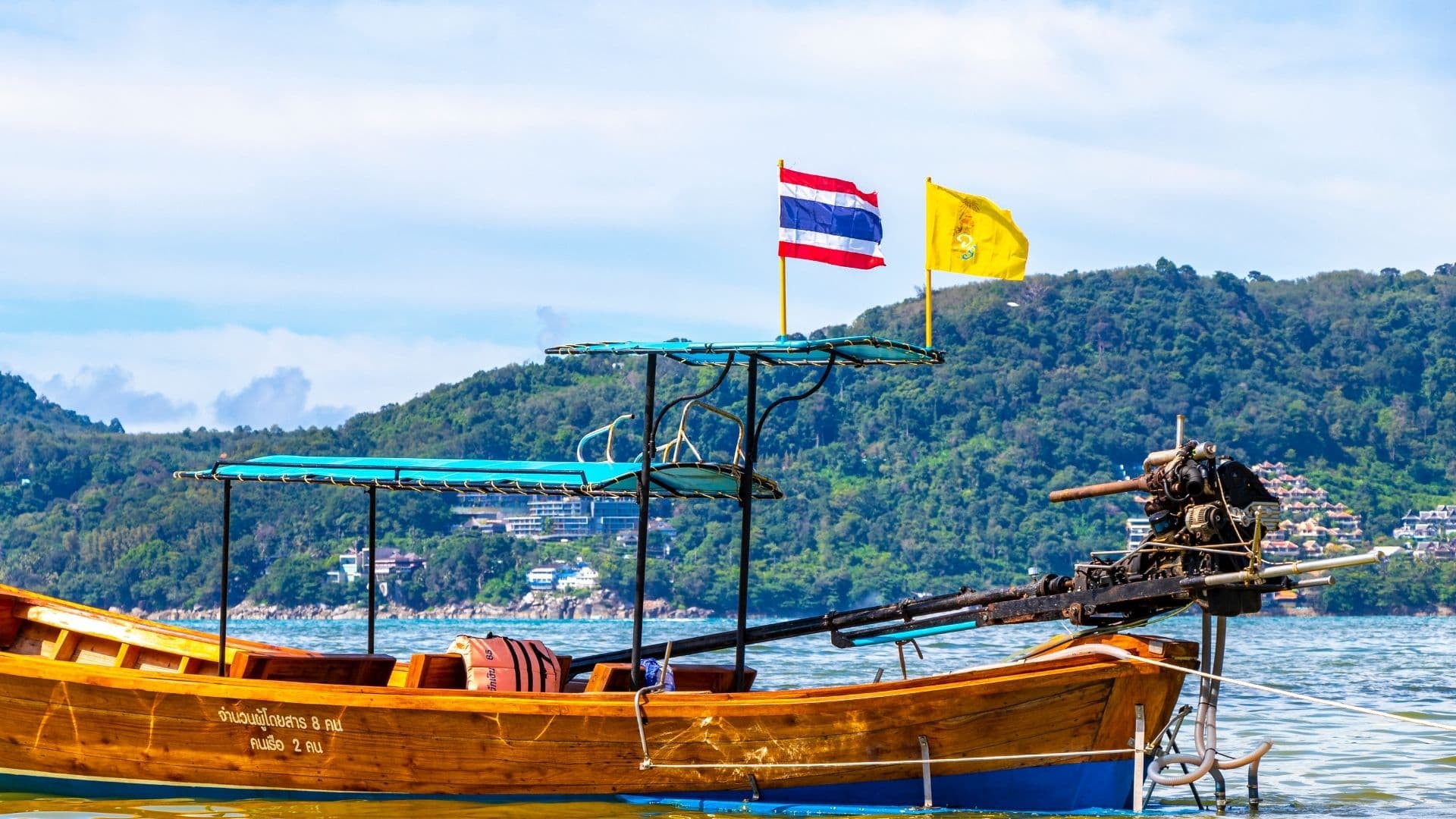
Most people who book a snorkeling trip from Krabi end up on a beautiful boat day. Some of them also end up a little disappointed in the water. That is not because Krabi is bad for snorkeling. It is because many trips are built around postcard stops, and the snorkel stop is an extra.
Our team lives on Koh Phi Phi, across the water. We do not live in Krabi: we plan trips there and work with local guides we book directly from Ao Nang. This guide is what we tell friends who ask us where to put their face in the water, which trip to book, and when.
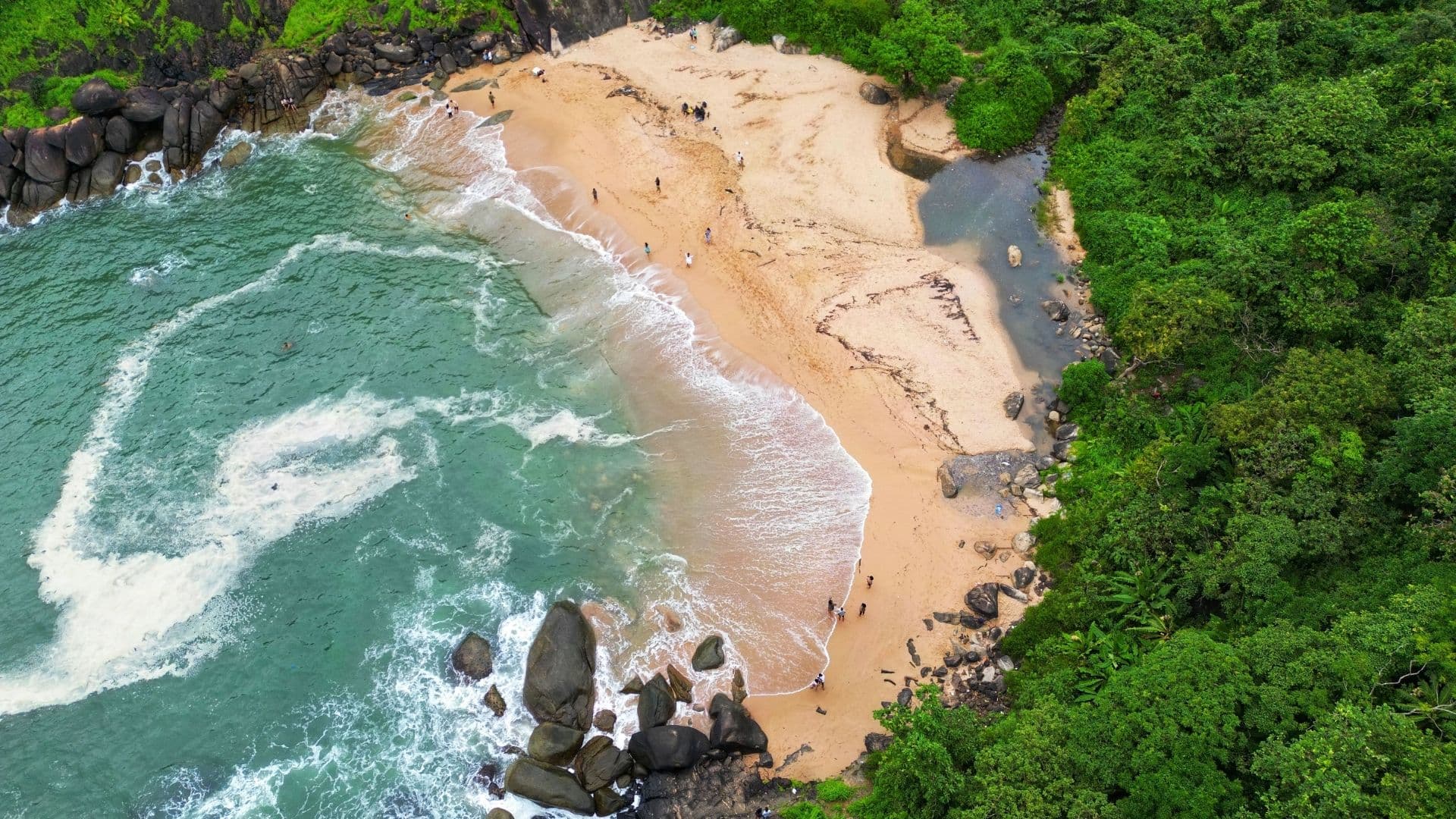
Where is snorkeling actually good from Krabi?
Short answer: if snorkeling is your main reason to get on a boat, book a Phi Phi day trip from Krabi. The real snorkel spots there are Loh Samah Bay and Pileh Lagoon, around Koh Phi Phi Leh.
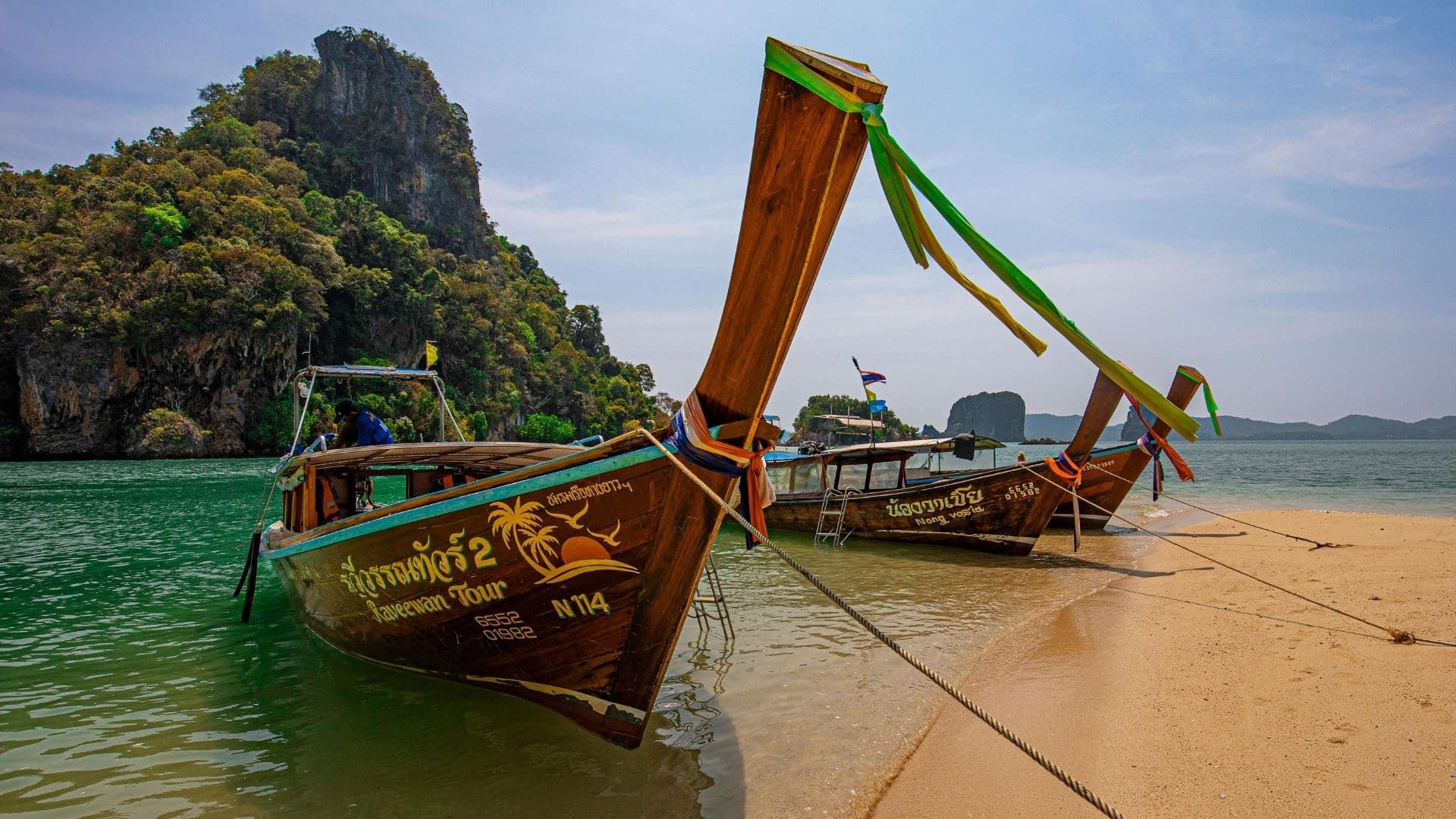
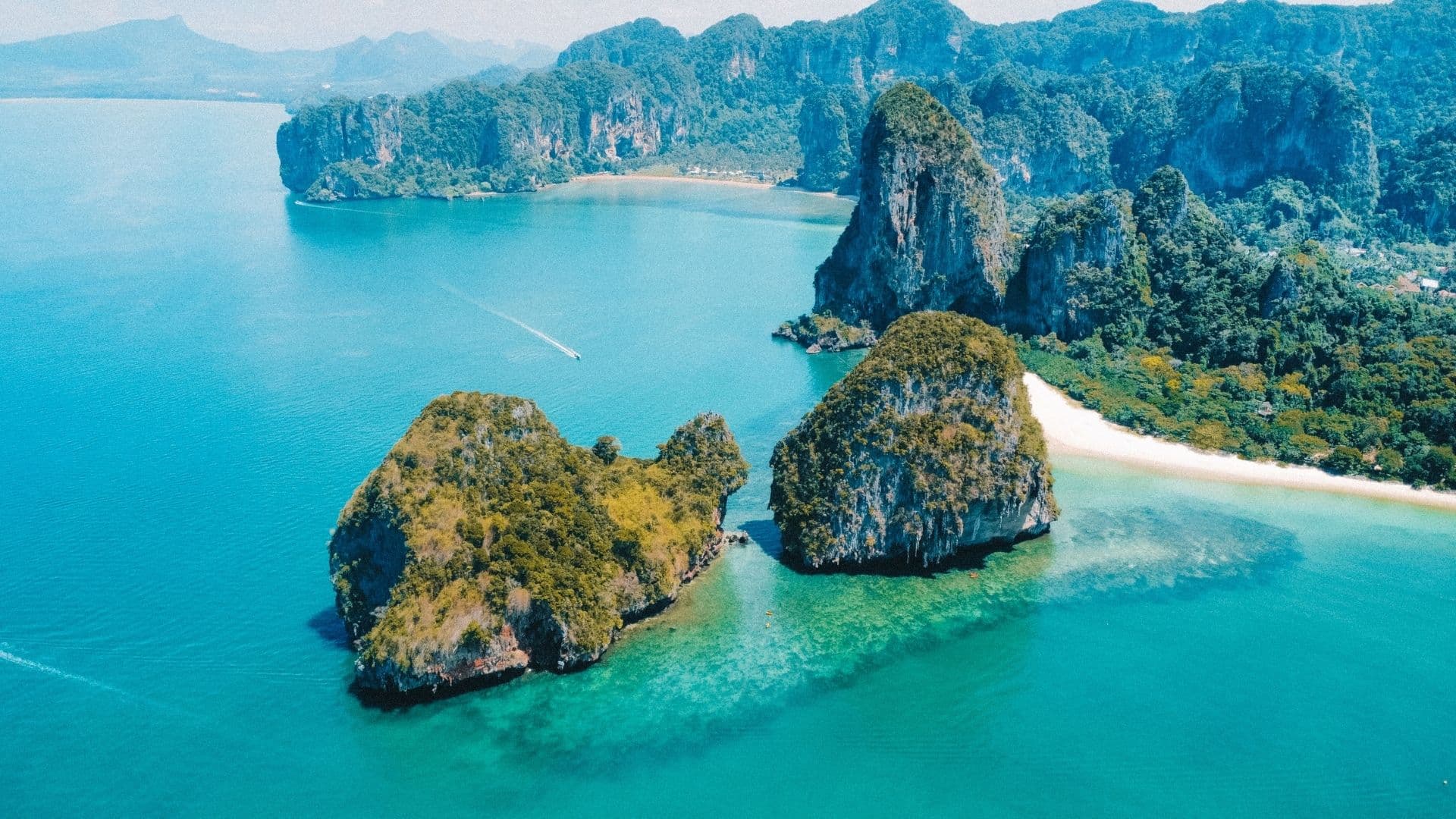
The 4 Islands and the Hong Islands are closer and easier. They are great days out. But they are mostly about beaches, sandbars, cliffs and lagoons. The snorkeling is a nice extra, not the headline.
So pick by priority:
- Snorkeling first: a Phi Phi day trip.
- Easy day, short boat rides, a bit of snorkeling: the 4 Islands.
- Scenery and a lagoon, calm and photogenic: the Hong Islands.
Postcard stops vs real snorkel stops
Every Krabi boat trip mixes two kinds of stops. Postcard stops are where you swim, walk the sand and take photos. Snorkel stops are where the crew anchors over rocks and reef and hands out masks.
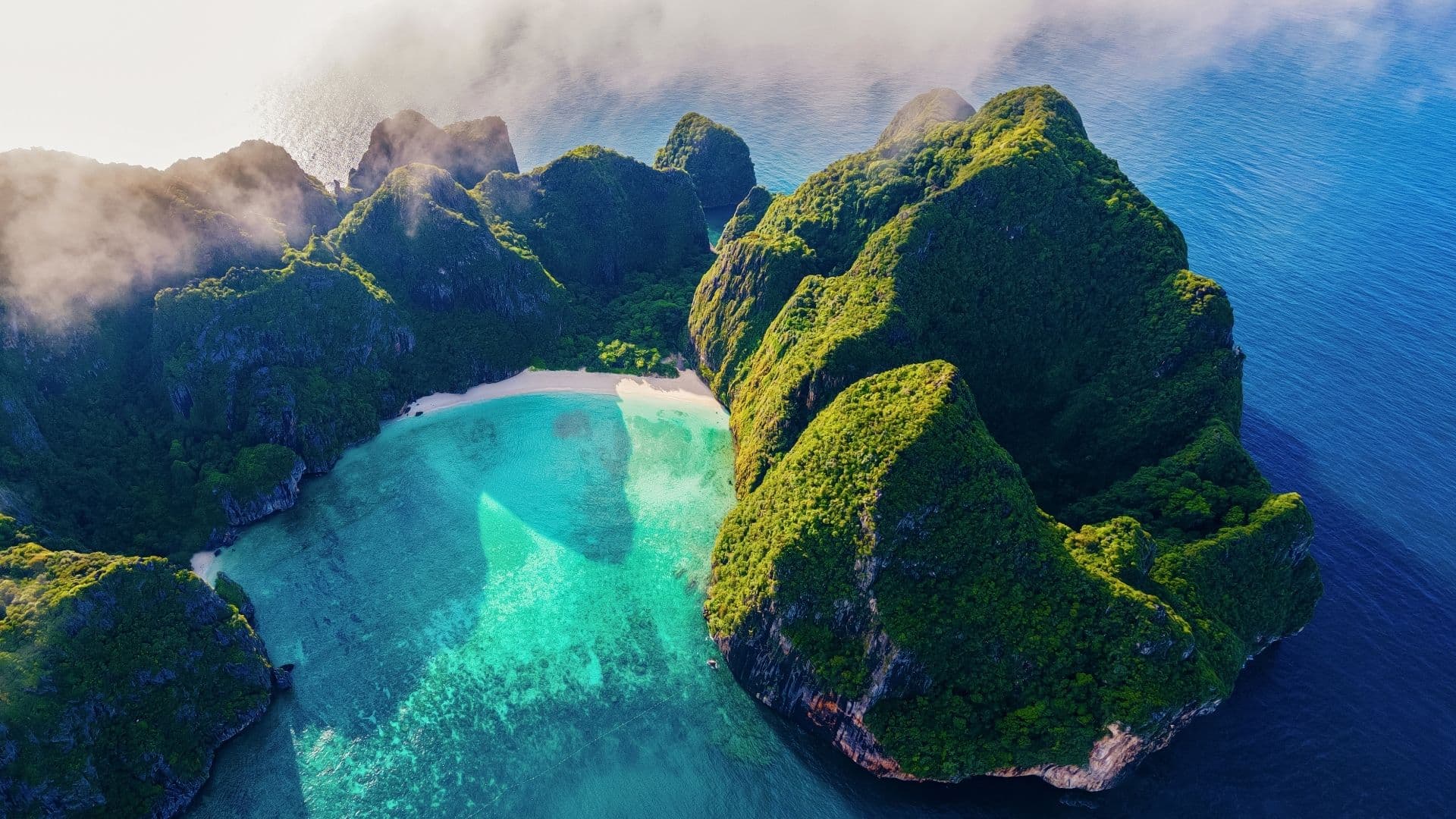
The most famous postcard stop of all is Maya Bay. Boats dock at Loh Samah Bay on the other side and you walk in on a boardwalk. Swimming at Maya is allowed only inside a buoyed zone, without mask or fins. It is a beach visit, not a snorkel spot.
On any trip, ask the crew a simple question before you jump: "Is this a snorkel stop or a beach stop?" They will tell you honestly, and you will know whether to grab the mask or the camera.
The 4 Islands: easy, close, shaped by the tide
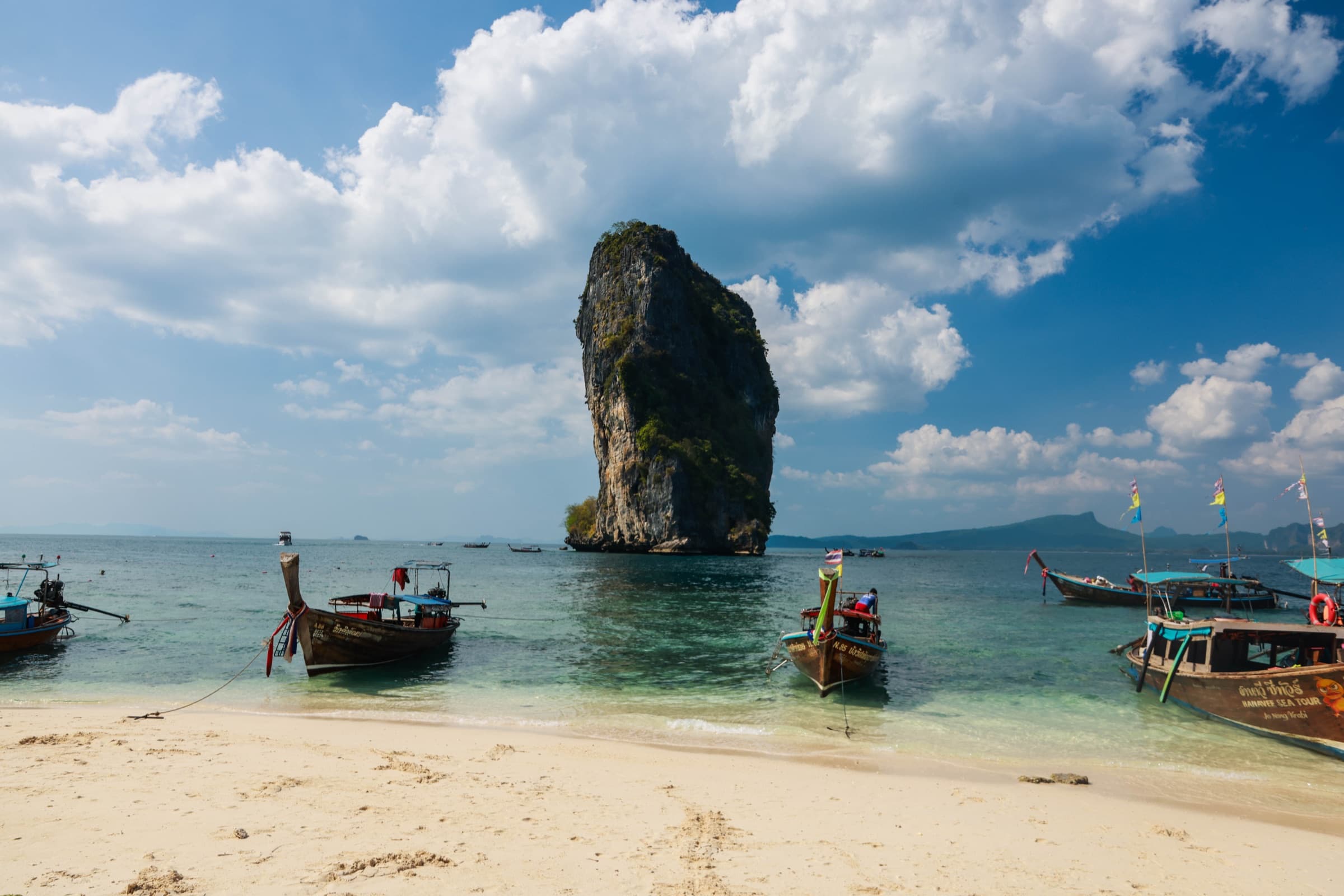
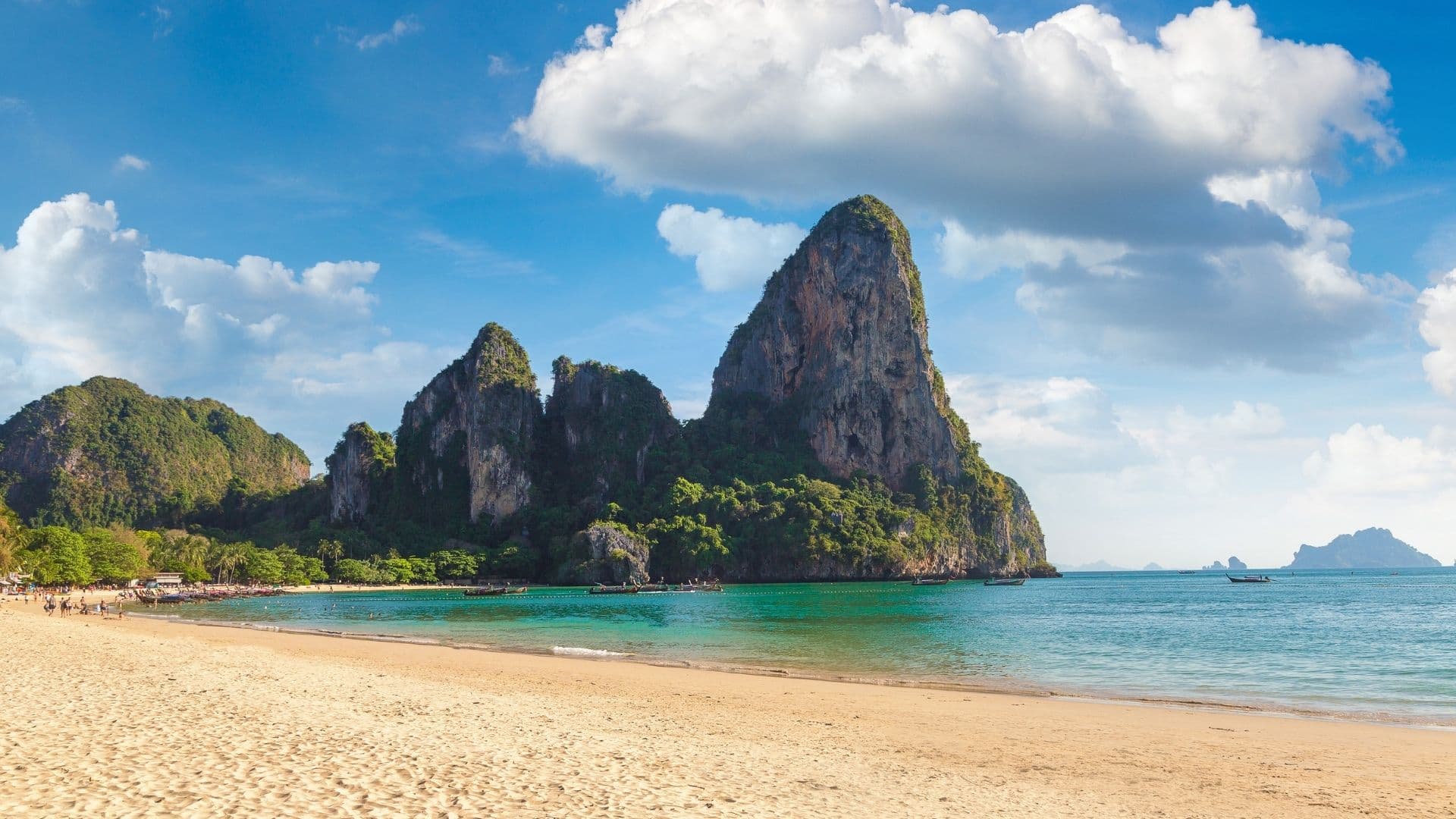
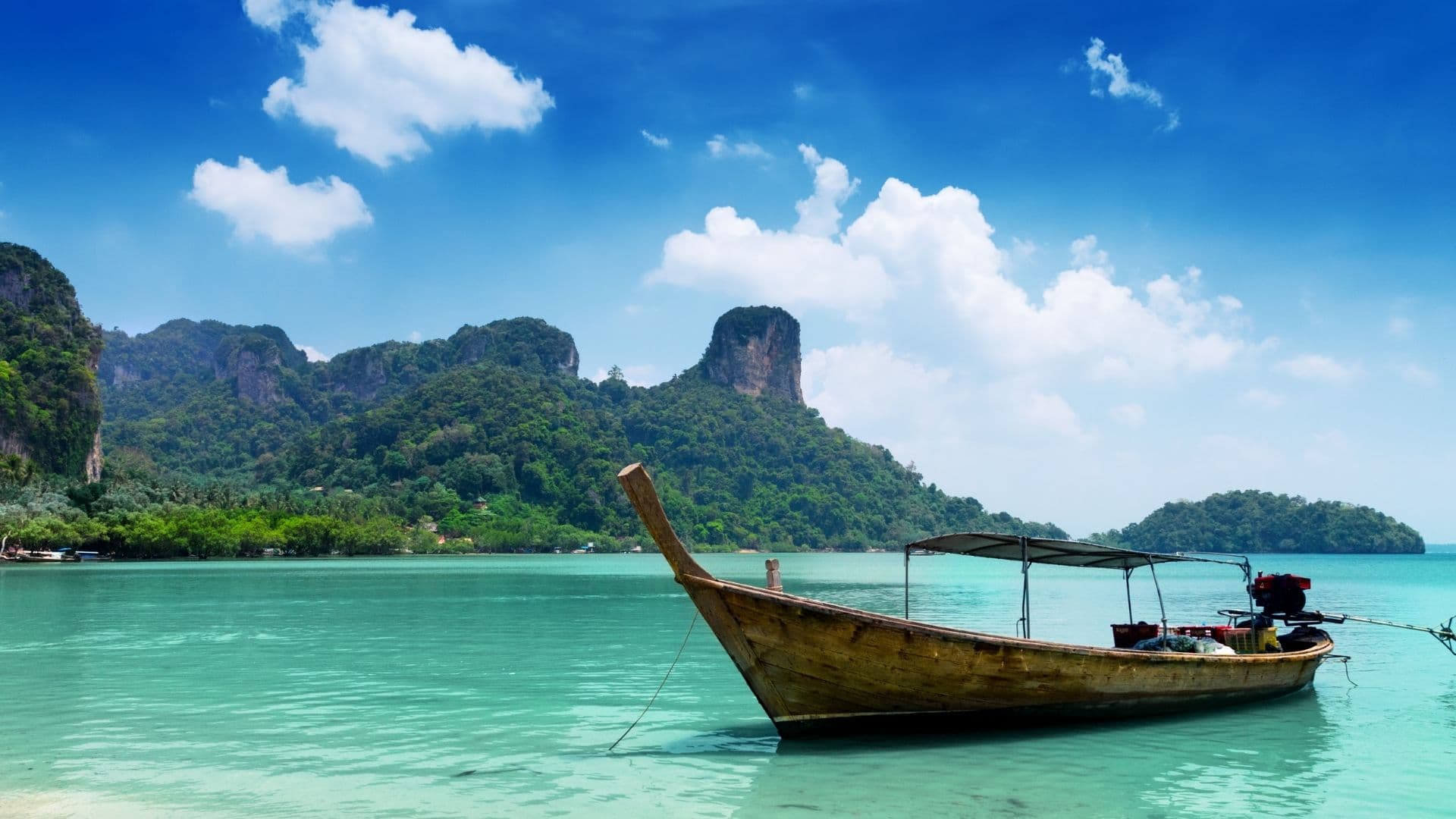
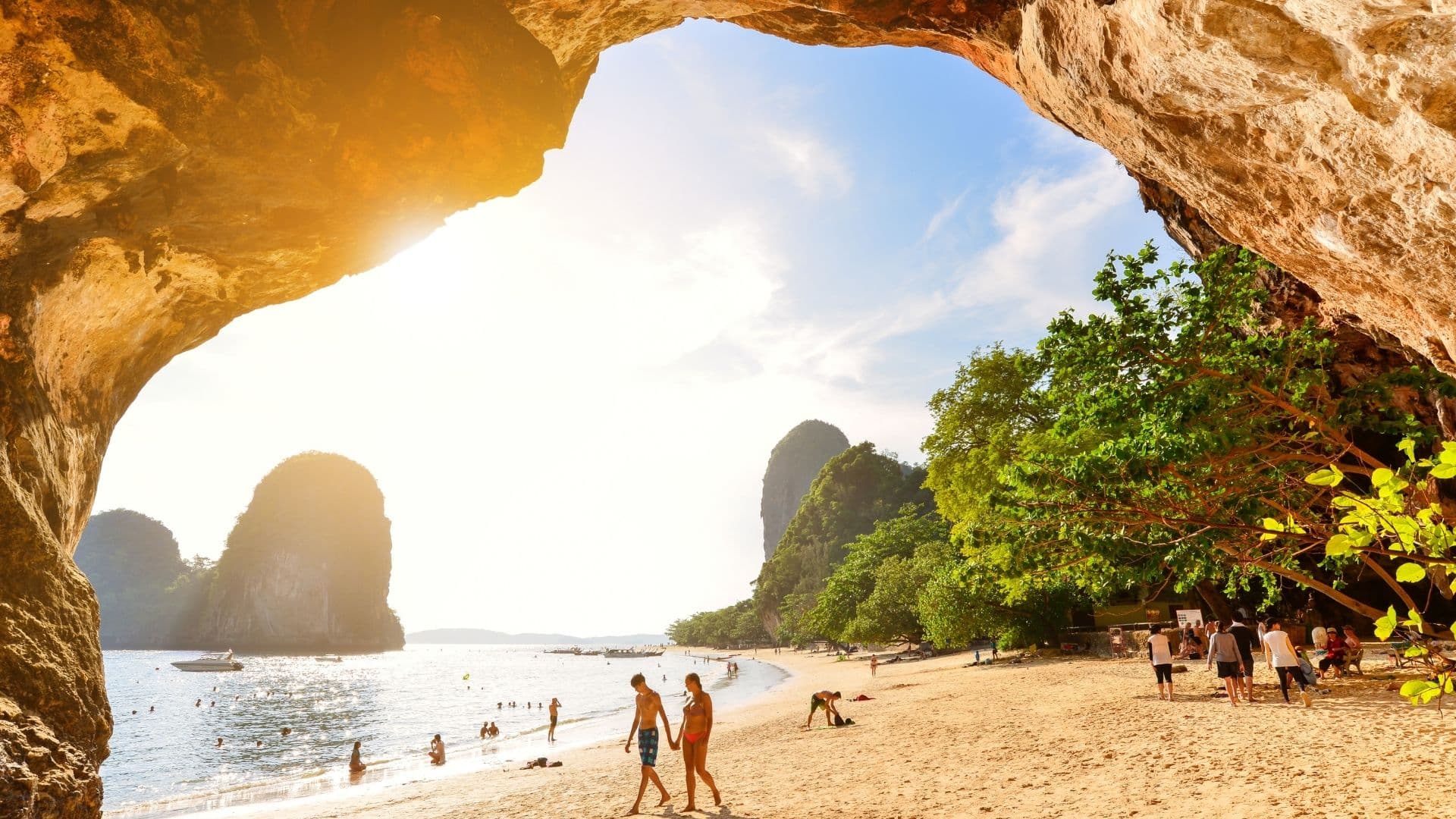
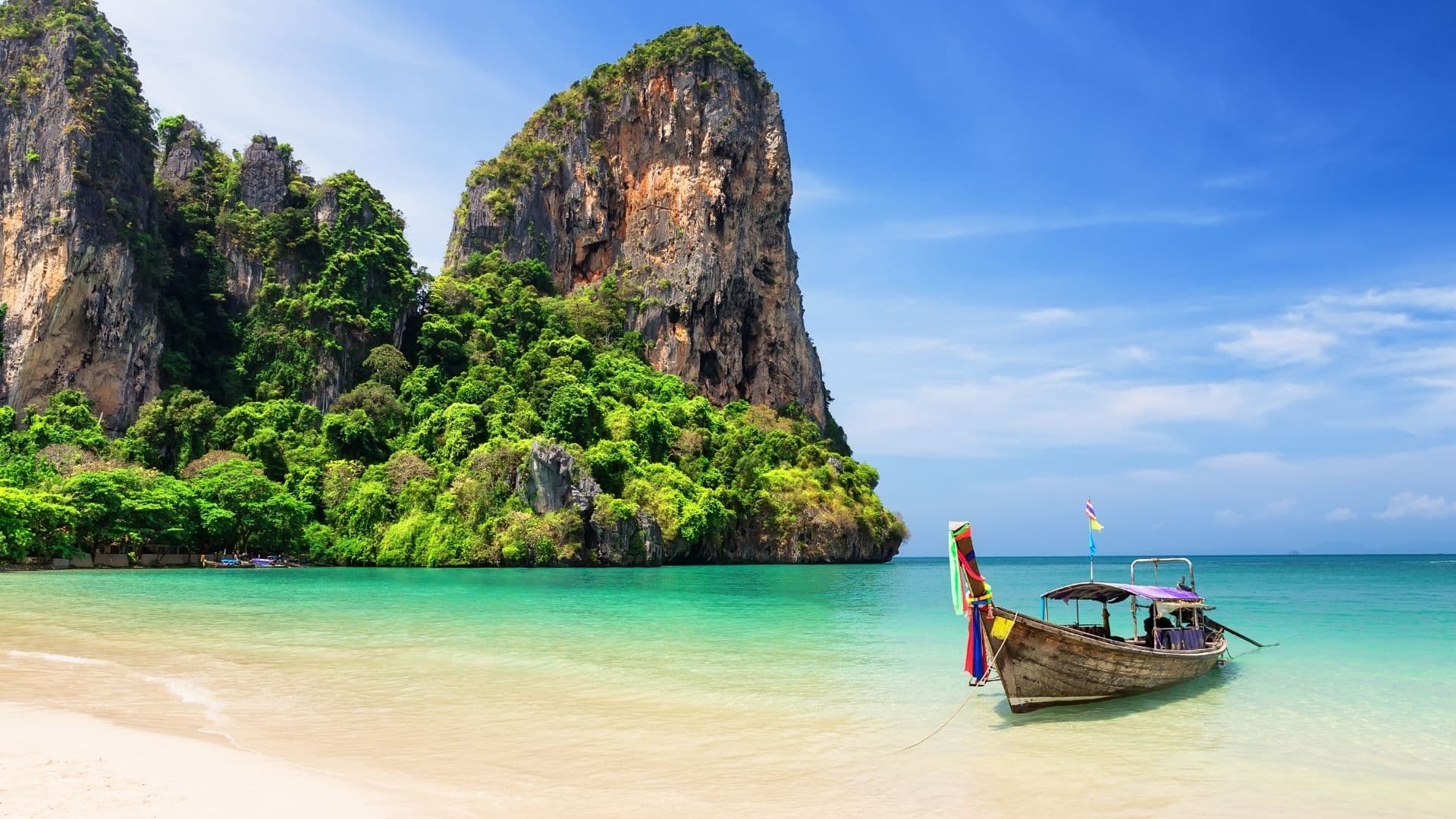
The 4 Islands tour visits Phra Nang Cave Beach, Koh Tup, Chicken Island (Koh Kai) and Koh Poda. Boat rides between them are short, which makes it a gentle day for families and first-timers.
The highlight for most people is the sandbar at Koh Tup. It appears at low tide, so you can walk between islands across the sand. At high tide it can be under water. Your crew plans the order of stops around the tide, so trust their timing.
The snorkel stop is usually short and shallow. Where exactly the boat anchors depends on the crew and the sea that day. It is fine for a first look at fish. It is not for experienced snorkelers hoping for a long reef session.
We go deeper on each stop in our 4 Islands tour guide.
The Hong Islands: come for the lagoon
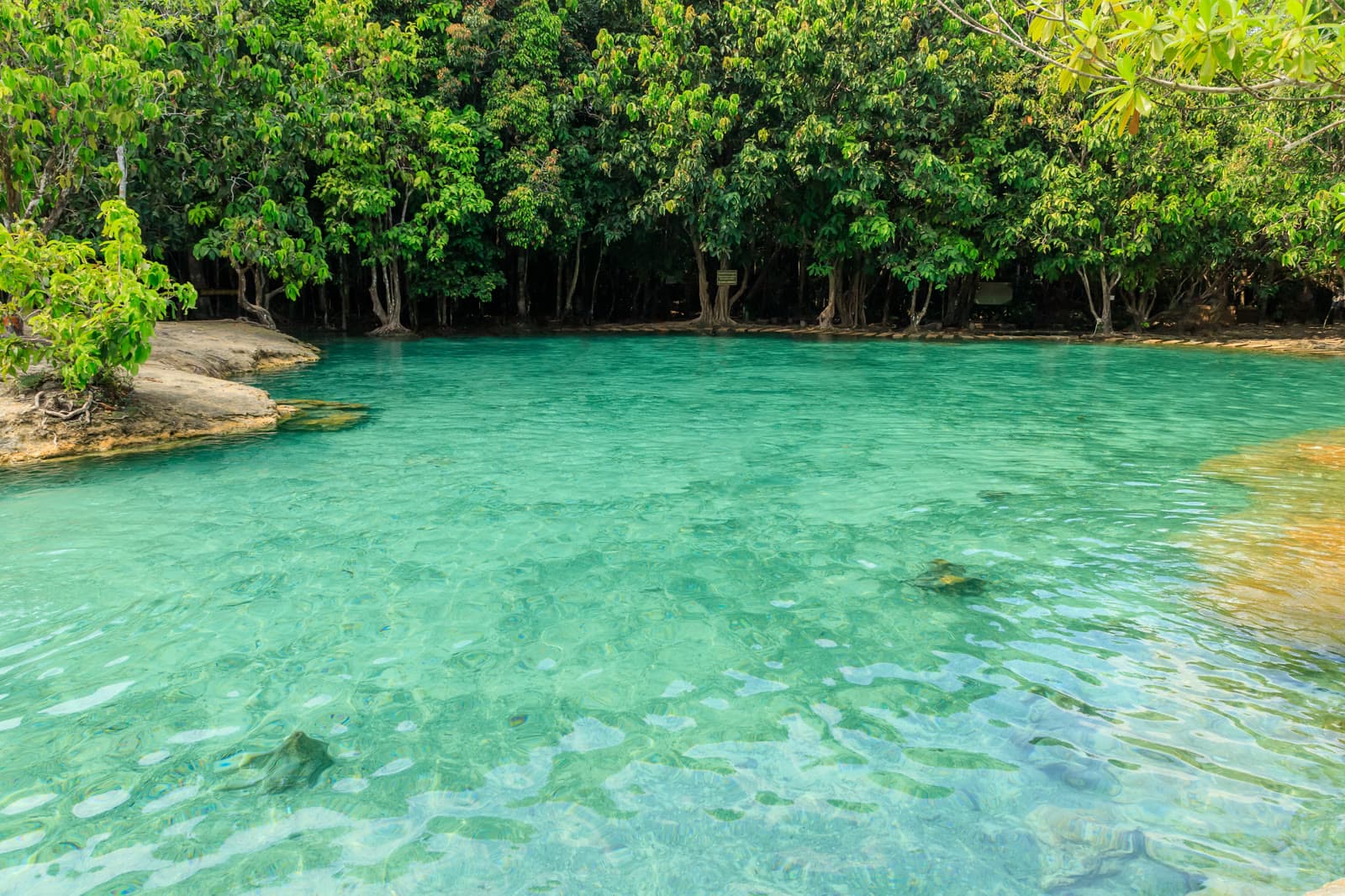
The Hong Islands are about scenery. Tall limestone walls, a lagoon you enter by boat or kayak, quiet beaches. The water inside the lagoon is calm and lovely to float in.
Some Hong trips add a snorkel stop. Treat it as a bonus. If you want to see a lot of fish, this is not the trip that will deliver it best.
Who it suits: couples, photographers, people who prefer calm water to open sea. Who it is not for: anyone who measures a day by snorkeling time. Read our Hong Islands guide for the lagoon, the viewpoint and the kayak options.
Phi Phi from Krabi: Loh Samah and Pileh
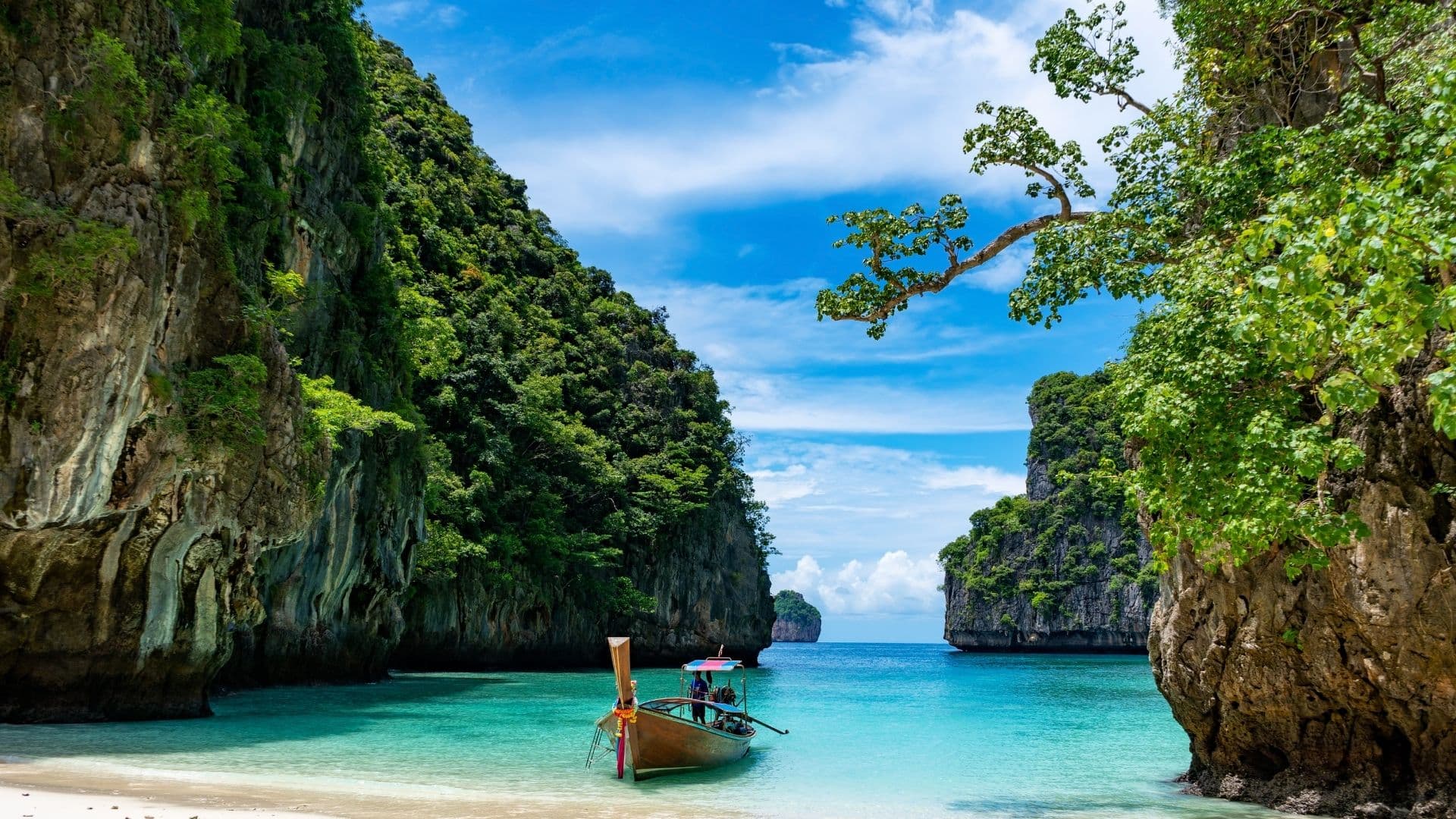
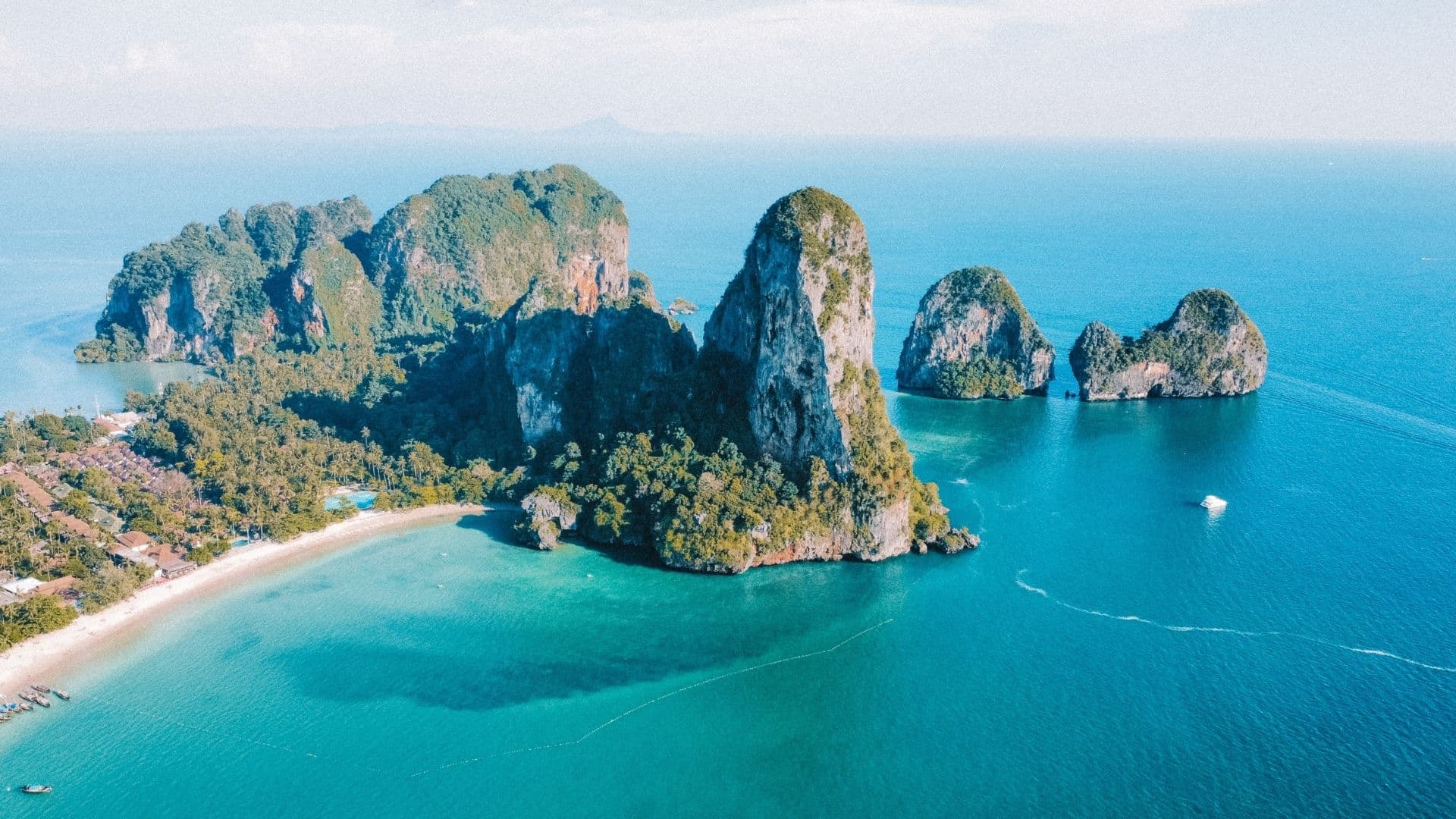
This is the water we swim in every week. Loh Samah Bay sits on the side of Koh Phi Phi Leh where the Maya Bay boats dock. Pileh Lagoon is an enclosed bay with high cliffs around it. Both are where crews stop for real snorkeling.
The crossing from Krabi is longer than to the 4 Islands, across open sea. On calm days it is easy. On rougher days it can be bumpy, so take seasickness tablets if you are prone to it.
Keep in mind that Maya Bay is closed every year from 1 August to 30 September for reef recovery, and reopens on 1 October. During the closure, the trip programme can change: check the tour page for what it visits.
For all our favourite spots around the island, see our Phi Phi snorkeling guide. To book from Krabi, look at Phi Phi by speedboat.
Season and tide: how the water changes
From November to April, the Andaman Sea is usually calm and the water clear. February to April is the driest stretch. This is the best time to plan a snorkeling day.
From May to October, the southwest monsoon brings short squalls and some rough days. After a windy spell, the water near the islands can turn cloudy for a while. Some boat tours get cancelled. If we cancel for weather, you get a full refund or a free change of date.
The sea stays warm all year, between 27 and 30 °C. Most people snorkel without a wetsuit. A rash guard still helps against the sun.
Tide matters too. Low tide shows off sandbars like Koh Tup. It can also leave shallow reef close to the surface, where you must float, not stand. We will not promise you a visibility figure: it changes from day to day and from bay to bay.
Non-swimmers and life jackets
You can snorkel without being a strong swimmer. Many people snorkel every season with a life jacket.
Our tips:
- Wear the life jacket from the first minute. Do not wait until you feel tired.
- Tell the crew you cannot swim before the first stop. They will keep an eye on you.
- Try the mask on the boat first. If it leaks, ask for another size.
- Stay close to the boat and float face down, breathing slowly.
- Hold the rope or a buddy if your boat has a line out.
The Hong lagoon and the shallow 4 Islands stops are the gentlest starts. Our guide for non-swimmers on boat tours has more calm-water advice.
Which boat trip to book for snorkeling
Here is how we would choose:
- You want the most snorkeling in a day: a Phi Phi trip by speedboat, or our speedboat island-hopping day, if you want to see more of the islands.
- You have kids or first-timers: the 4 Islands, with short rides and the Koh Tup sandbar.
- You want calm, scenic water: the Hong Islands.
- You get seasick easily: stay closer, with the 4 Islands or Hong, rather than the open-sea crossing to Phi Phi.
Each tour card shows the live price and duration. Tours from Krabi can be booked online until 18:00 Bangkok time the day before. You can see every option on our Krabi excursions page.
What to bring, and how to treat the reef
Bring a rash guard, a hat, water and reef-safe habits. If you have your own mask, bring it: a good fit makes a big difference.
On the reef, float and never stand on coral. Do not touch or chase fish. Do not feed them. Keep fins up when the water is shallow.
These small things are why the bays around Krabi and Phi Phi stay worth visiting. We want the same water for our own swims next season.