
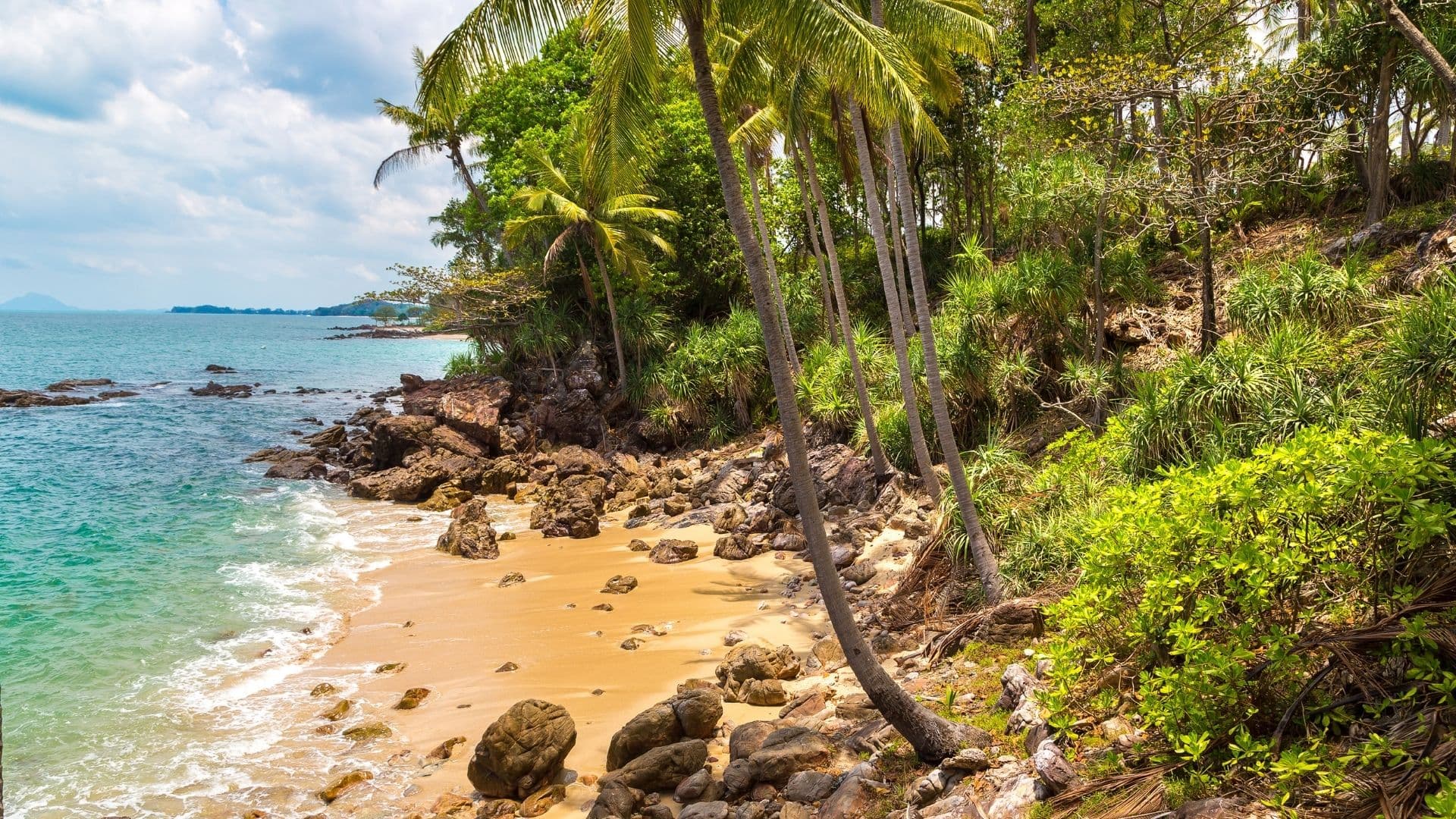
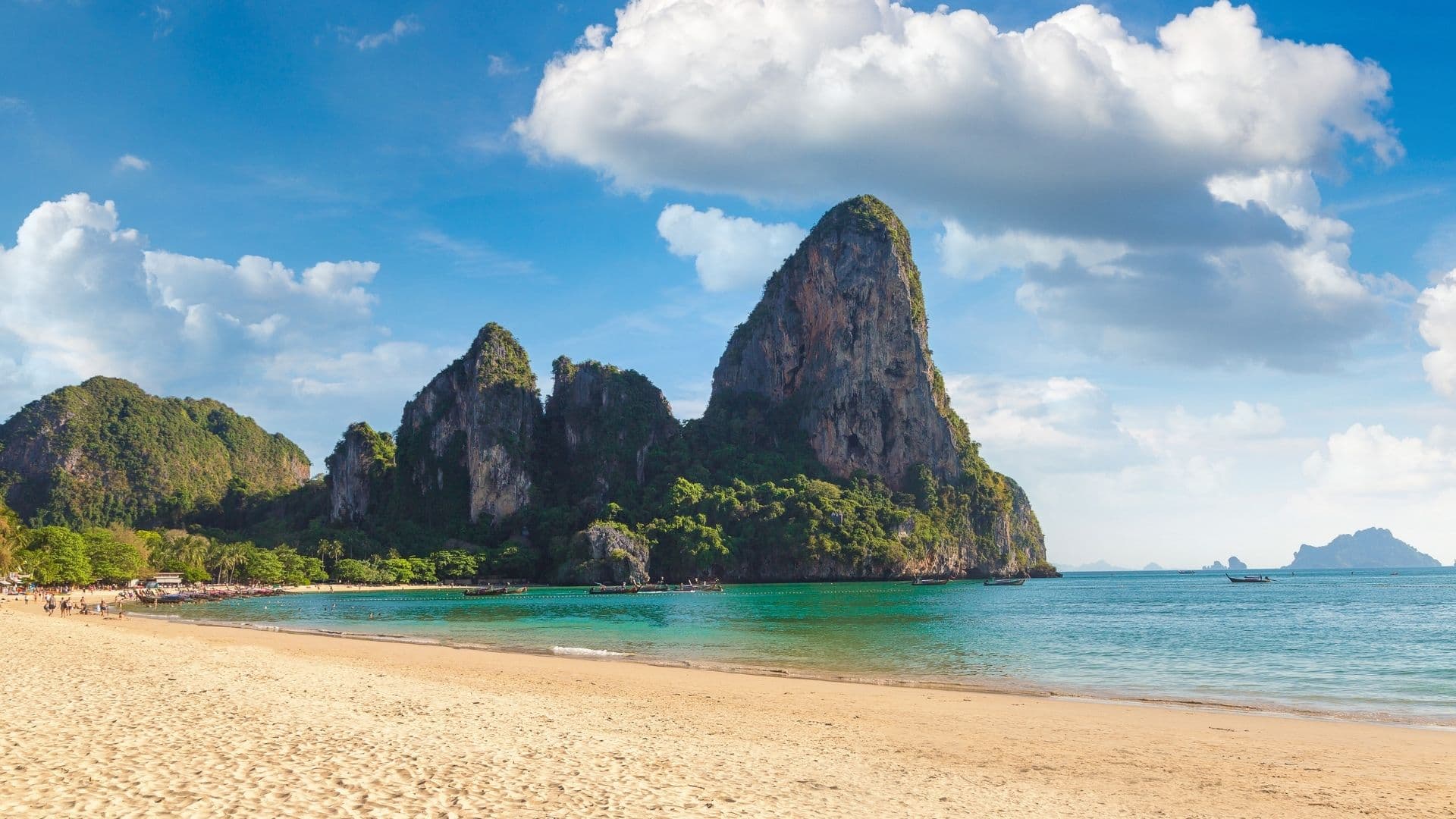
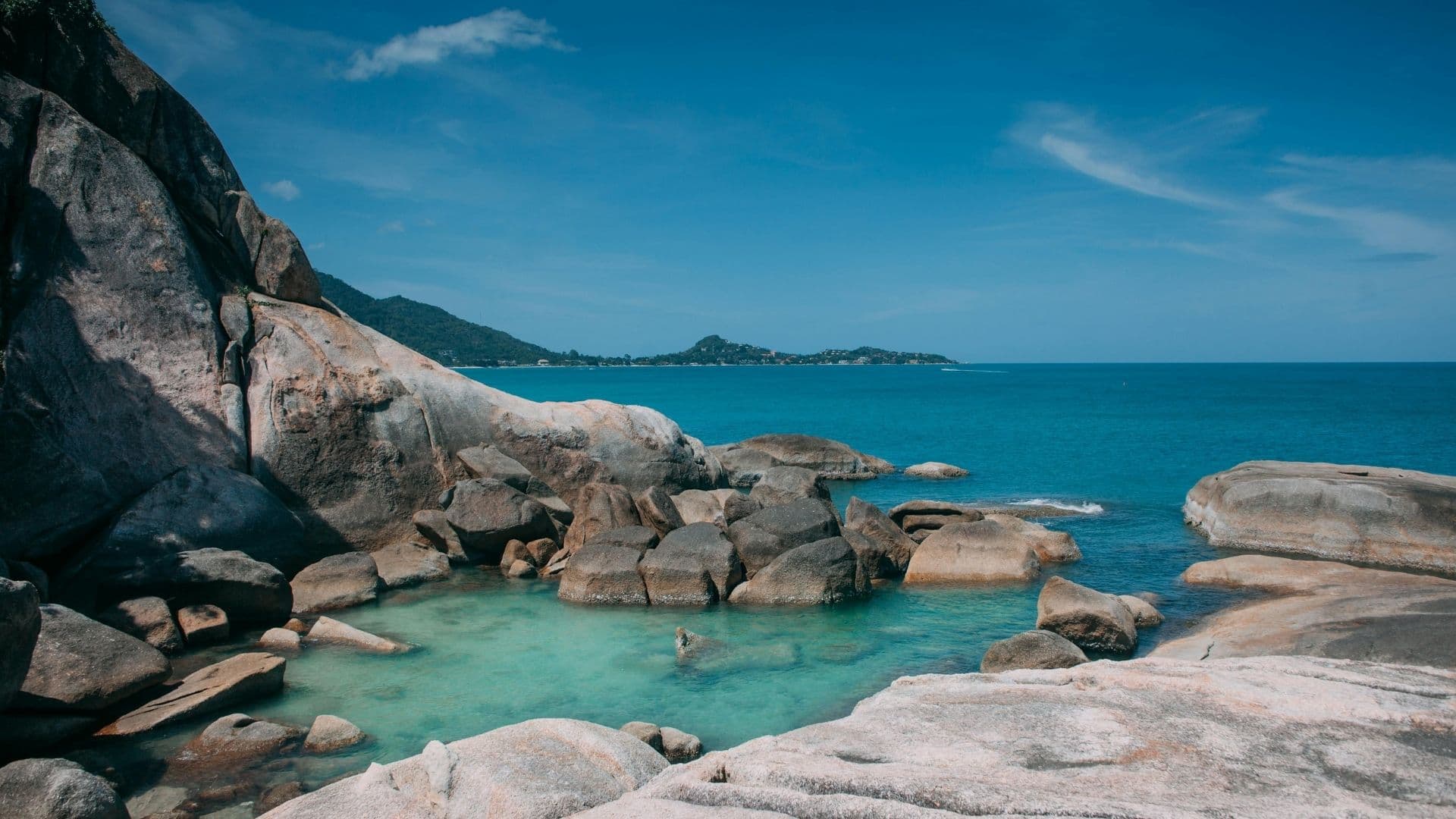
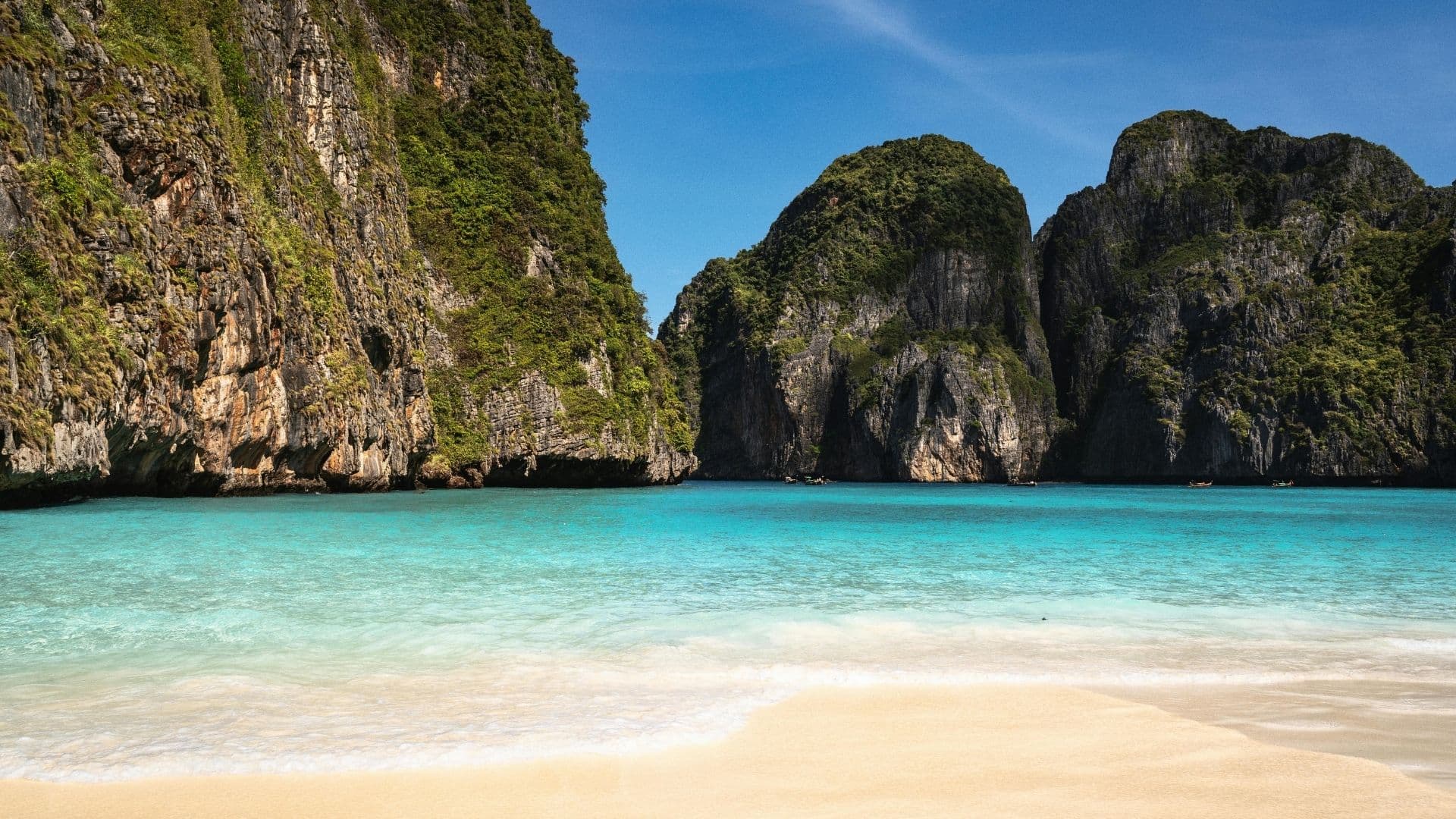
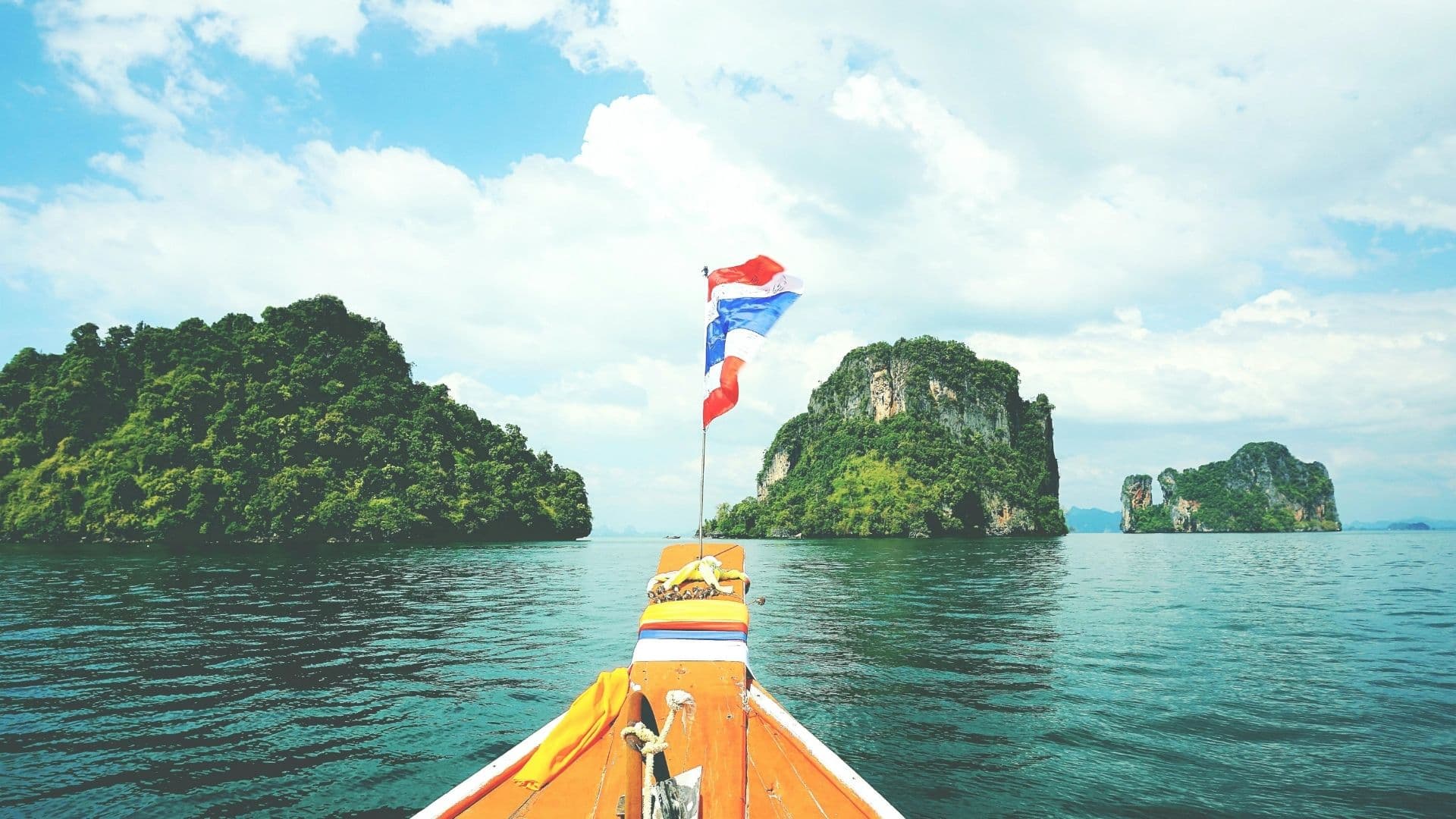
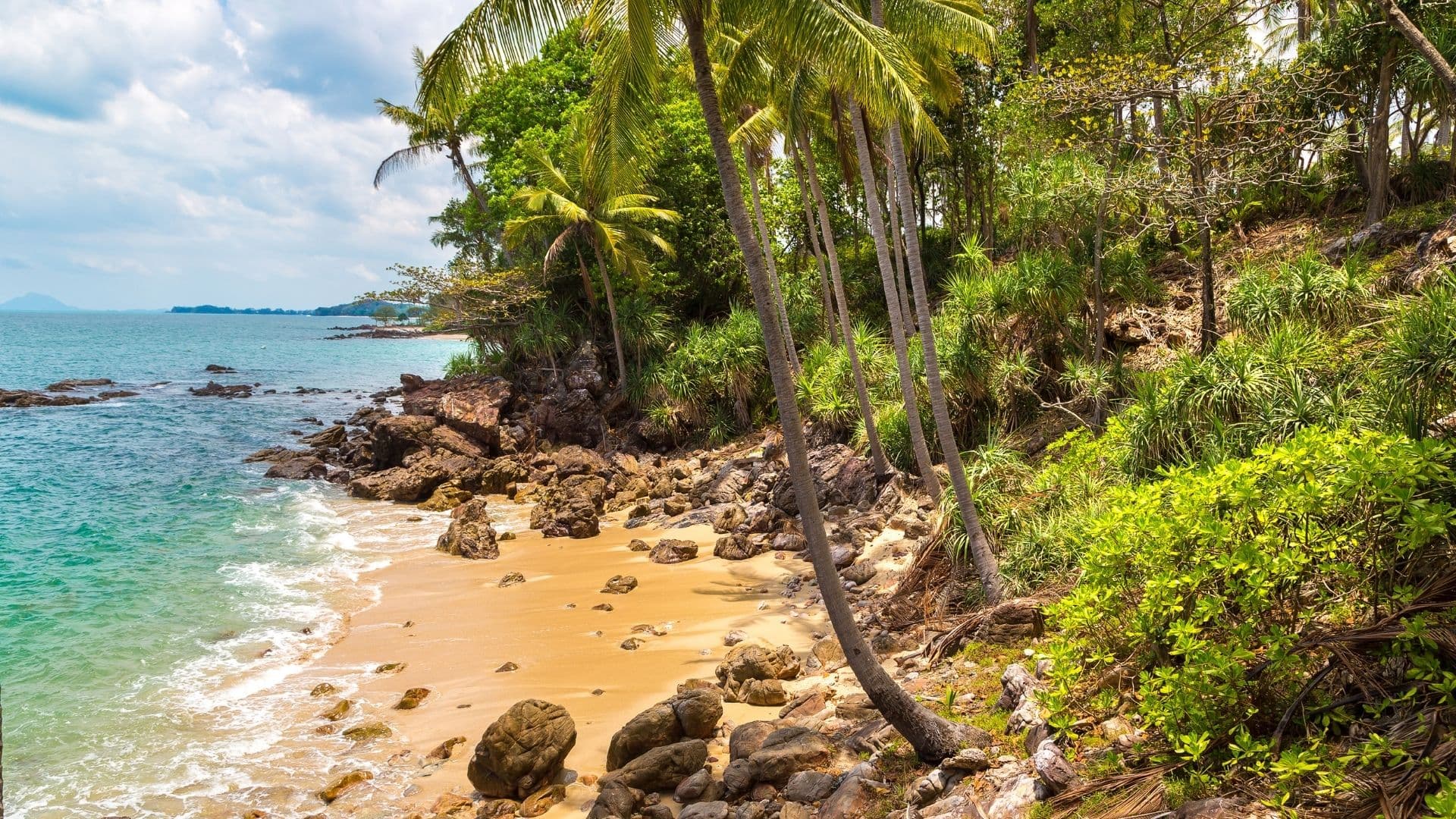
Chiang Mai and the Andaman islands feel like two different countries. The north gives you cool mornings, temples, mountains and night markets. The south gives you warm sea, limestone cliffs and slow beach days. Plenty of travellers want both in the same trip. The question we hear most at our desk in Tonsai is simple: in what order, and how do I stop losing days in transit?
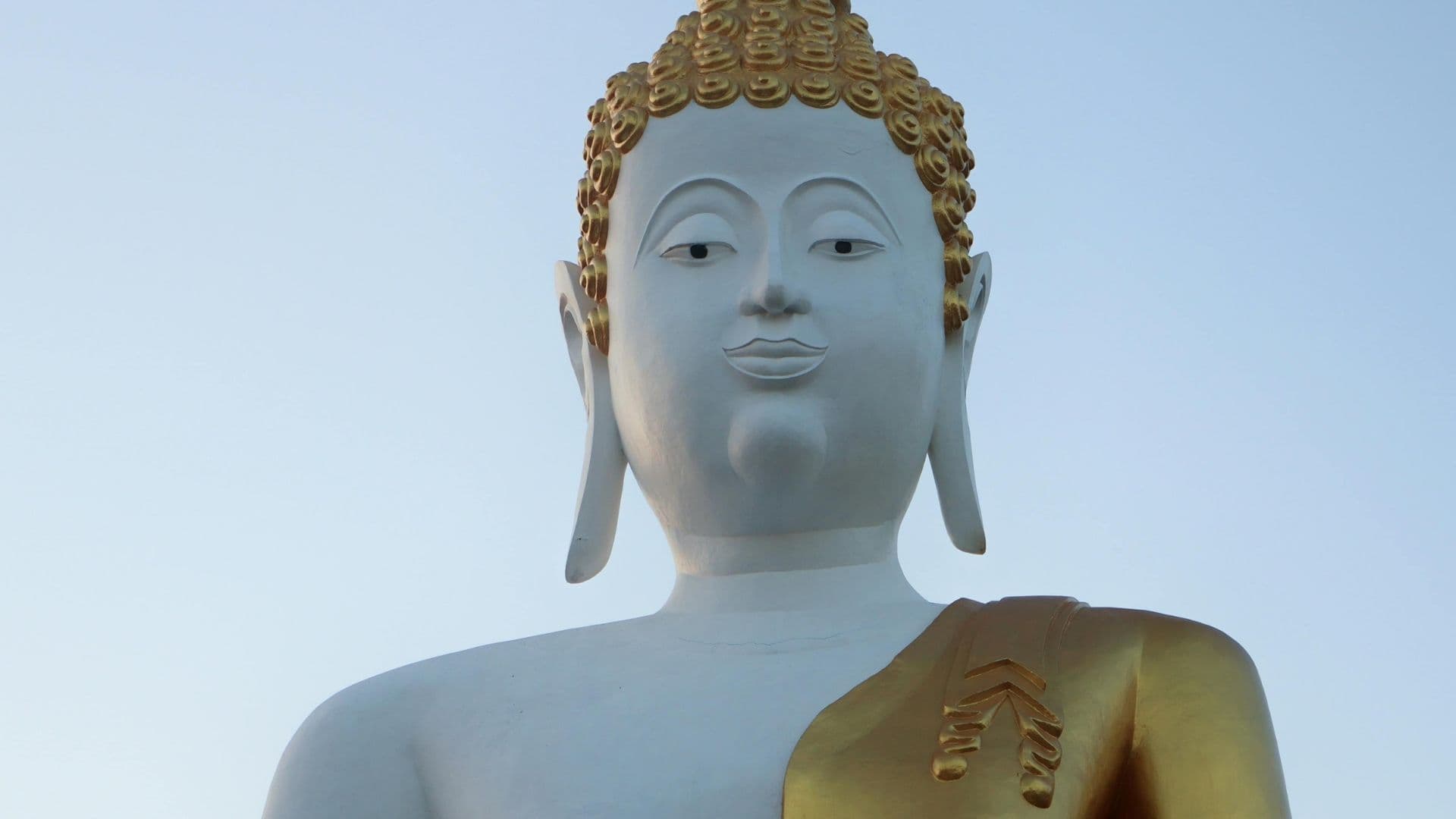
Our team lives on Koh Phi Phi. We also plan trips in Chiang Mai and work with local guides there that we book directly. That means we see both ends of this route every season. Here is how we would build it, honestly.

The short answer: which order works best
For most travellers we suggest Bangkok first, then Chiang Mai, then the islands. You land, take it easy in Bangkok, fly north, then finish on the beach.
Why end on the islands? The sea is where people want to rest. If you finish there, your last days are slow. You don't spend them packing between temples and markets before a long flight home.
The calendar agrees. The north is at its best in the cool season and often gets hazy from roughly February to April. The island high season runs from November to April, and February to April is the driest stretch. So the north early and the islands late fits both regions.
The reverse order, islands first and Chiang Mai last, makes sense in a few cases: your flight home leaves from Bangkok and you'd rather not cross the country on your final day, or you want to catch a northern lantern festival later in your trip.
Matching the cool north with the island high season
November to February is the sweet spot for this route. Chiang Mai is cool, especially in the mornings and up in the mountains, so bring a warm layer. On the Andaman side the sea is calm and the water is clear. Both halves of your trip are in good shape at the same time.
November is also festival month in the north. Yee Peng and Loy Krathong fall on the full moon of the 12th Thai lunar month, usually in November, but the dates move every year. Check this year's dates before you fix your order, and look at our Yee Peng lantern festival tour if it's on your list.
The festive weeks around Christmas and New Year are busy at both ends of the country. If you travel then, book your flights and your island base early, and expect crowds at the famous spots.
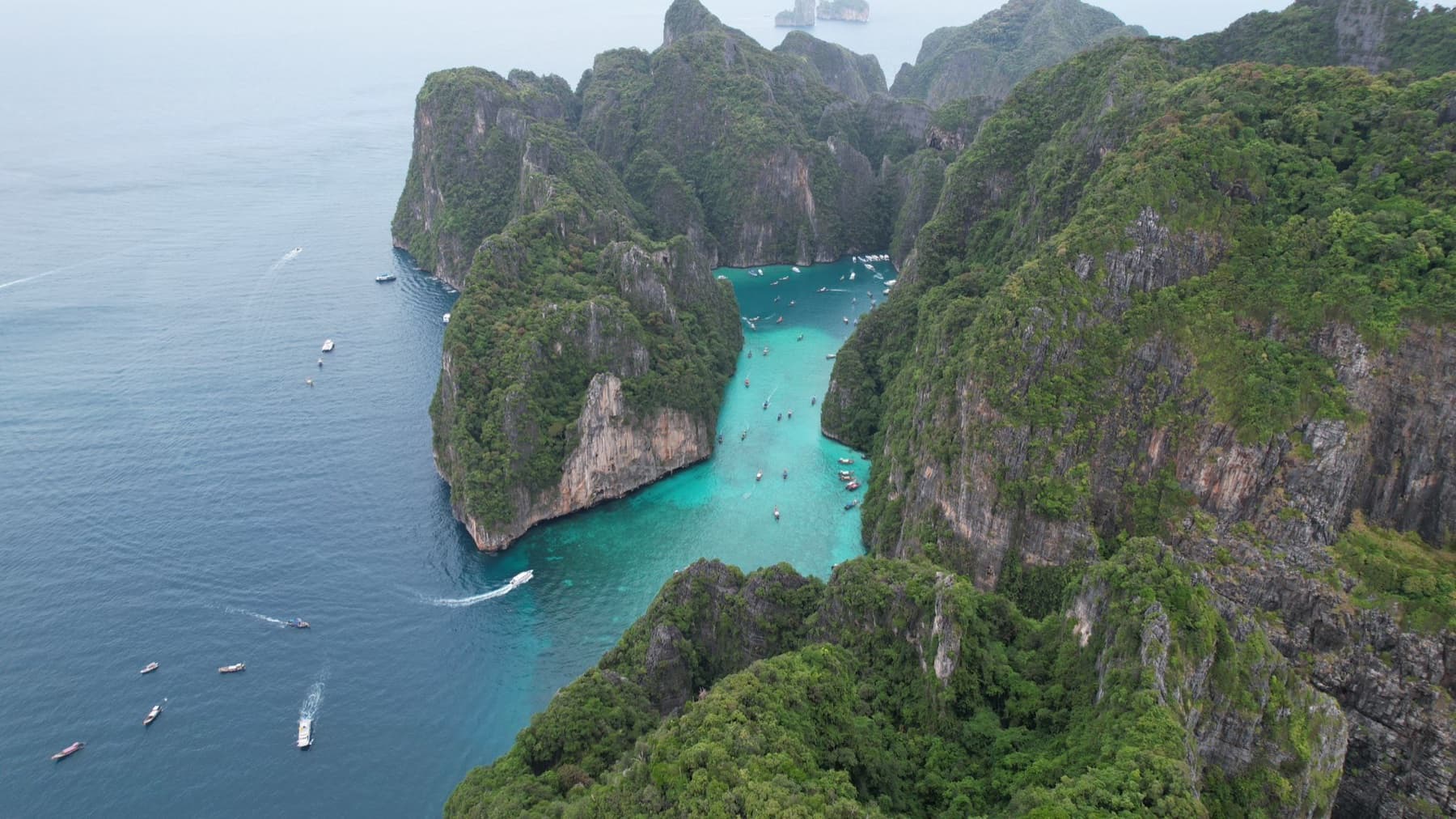
May to October is a different trip. The north is rainy from roughly June to October, and the Andaman coast is in its southwest monsoon. Rain usually comes as short squalls, but some days the sea is rough and boat tours get cancelled. Maya Bay is also closed every year from 1 August to 30 September. This season suits flexible travellers, not people with a tight, fixed plan.
February to April: the haze question
This is the part many itineraries skip. From roughly February to April the air in the north is often hazy and smoky because of agricultural burning. Mountain views fade, and some days the air quality is poor. Check air quality before you go and again on the day.
This period is not for travellers with asthma or breathing problems, or anyone whose main goal is clear mountain views and long hikes. For them, we'd tip the balance heavily towards the islands, where February to April is the driest and calmest time.
If you still want Chiang Mai in those months, keep that part of the trip short and city-focused: temples, markets, a cooking class. Put it at the start, then head south. March to May is also hot in the north. Our guide to Chiang Mai in March goes into detail.
One more date: Songkran, the Thai New Year water festival, runs from 13 to 15 April. Both regions get busy and very wet. Keep your phone in a waterproof pouch.
Flight logic, in plain words
Chiang Mai is a short domestic flight from Bangkok. Night trains and buses also run, and the night train is a nice experience if you have time. It's not the way to save days.
For the south, Phuket and Krabi both have airports. Koh Phi Phi has none: there are no cars and access is by boat only. So your trip from Chiang Mai to Phi Phi is always a flight to Phuket or Krabi, then a ferry or speedboat.
Routes from Chiang Mai to the south change with the season. Sometimes you can fly direct, sometimes you connect through Bangkok. If you connect on separate tickets, check which Bangkok airport each flight uses. There are two, Suvarnabhumi and Don Mueang, and they are not next to each other. Leave a generous buffer.
We break down every option, step by step, in our Chiang Mai to Koh Phi Phi guide.
Keeping transfer days to a minimum
Transfer days are the hidden cost of this route. Here is what actually helps:
- Fly into one city and out of another if your airline allows it. Landing in Bangkok and leaving from Phuket or Krabi saves you a full trip back north.
- Pick one island base, not three. Let day trips do the island hopping. Every hotel change eats into your beach time.
- Use the closest gateway. The ferry from Krabi to Phi Phi takes about 1.5 to 2 hours, from Phuket about 2 hours. Speedboats take about 1 hour.
- Never plan a tight flight on the same day you leave Phi Phi. Our sources give the last boats back to Phuket as a ferry at 15:30 and a speedboat at 16:00, but schedules change with the season, so check the transfer page.
- Pack light. Speedboats allow 10 kg per person. A big suitcase that worked in Chiang Mai can be a problem at the pier.
Choosing your island base
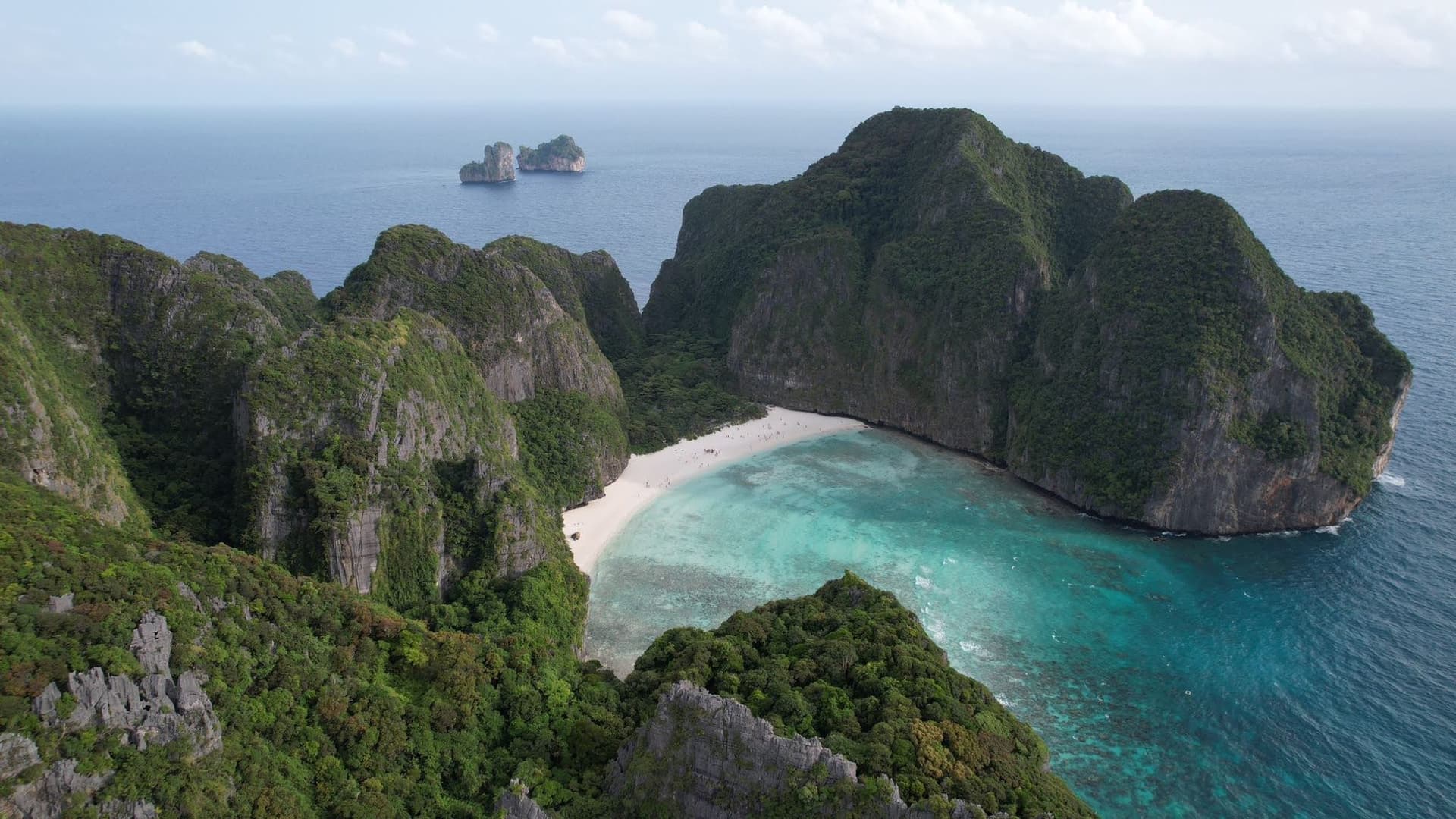
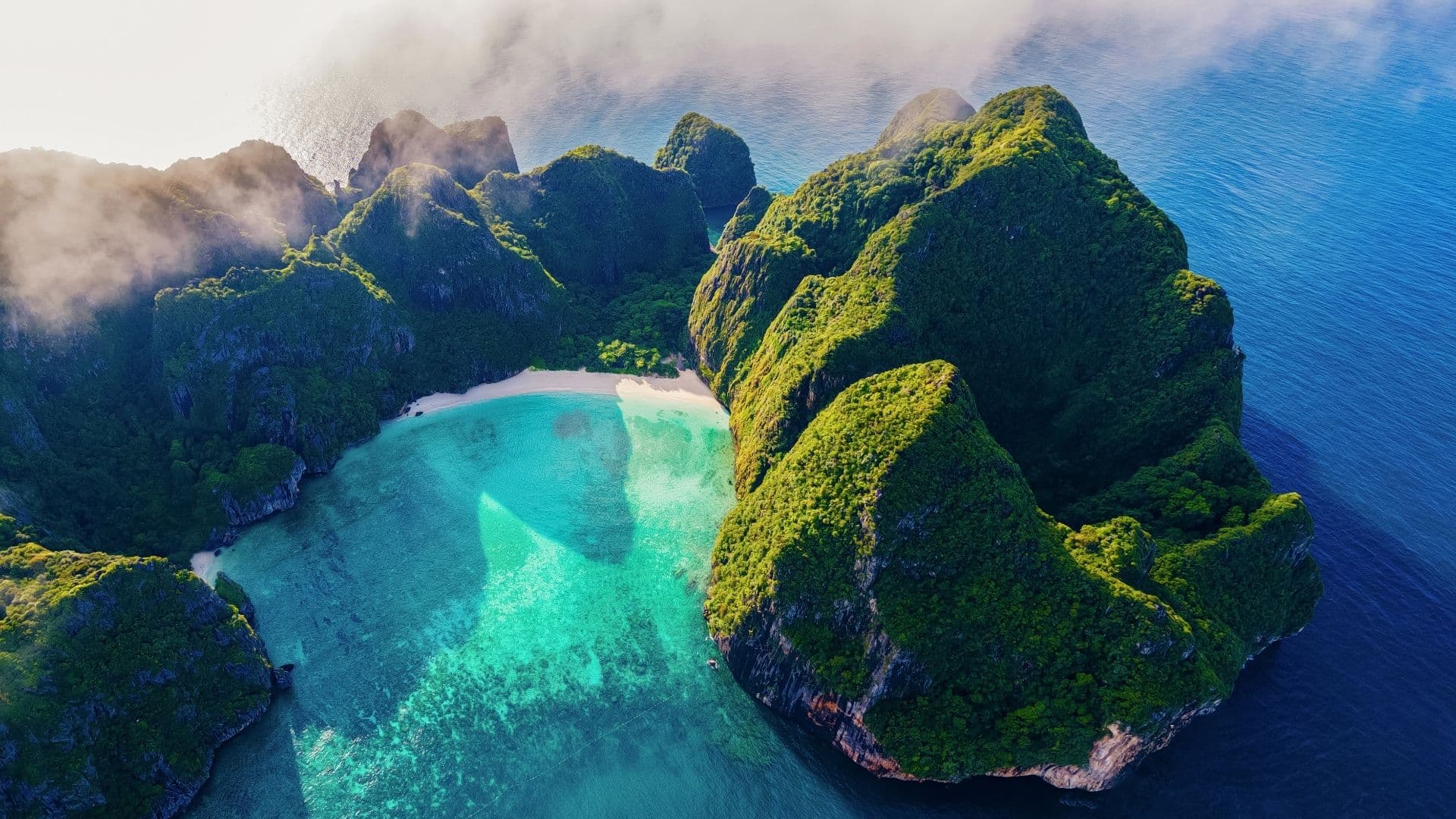
Koh Phi Phi is for people who want sea days. You wake up on the island and are out on the water before the day-tripper boats arrive. Our Morning Maya sunrise trip reaches Maya Bay before the boats from Phuket and Krabi. Tonsai is lively at night. If you want quiet, look at Long Beach or Laem Tong instead.
Krabi has its own airport, and Ao Nang is an easy, practical base. Railay is reachable only by boat. Krabi suits travellers who want both land and sea options: temples, viewpoints, the Emerald Pool, plus island tours.
Phuket is Thailand's largest island, with an international airport and the widest choice of day trips. It's often the easiest place to end the trip if your flight home leaves from there.
If you want to combine two southern bases, read Krabi, Phi Phi and Koh Lanta in what order first.
What to do in each half
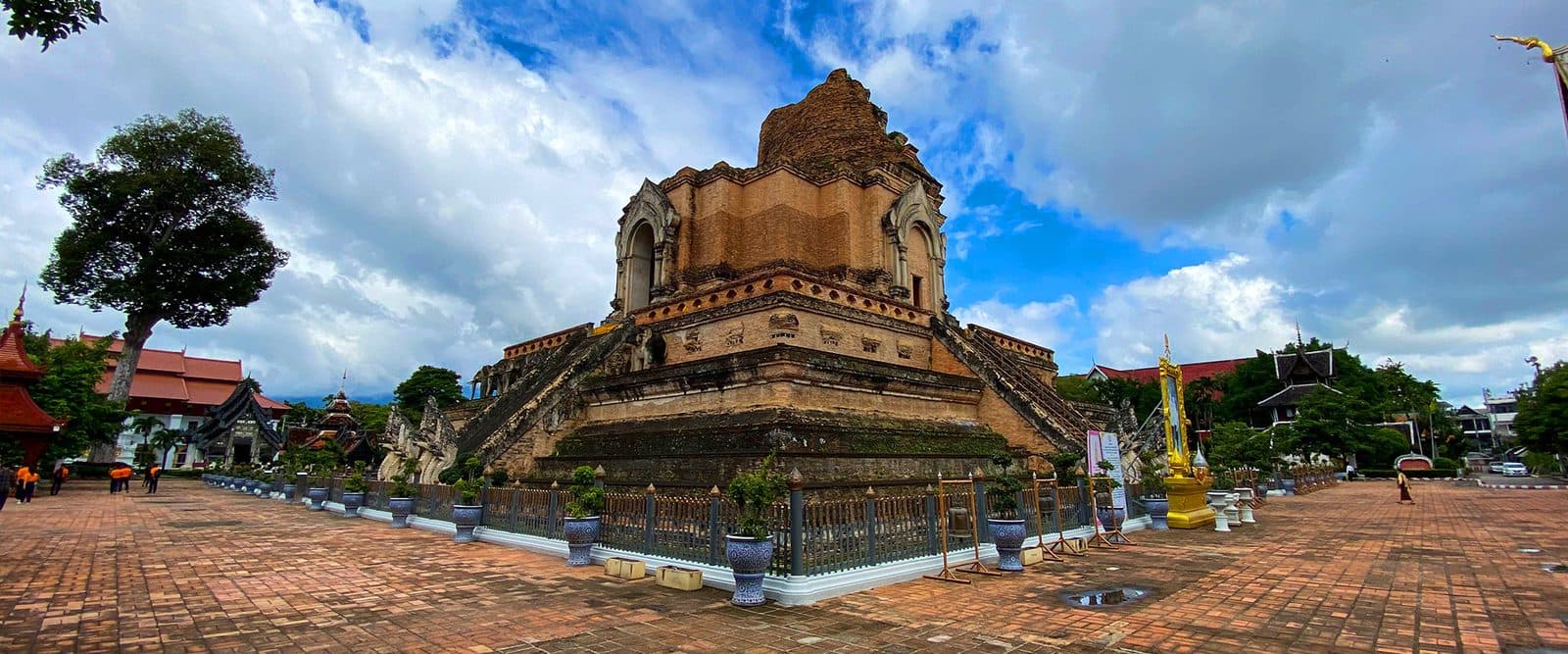
In Chiang Mai, don't turn it into a checklist. A good mix is a city day, a mountain day and a slow day. Walk the Old City, the square inside the moat and old walls, full of temples. Our Old City temples tour helps if you want the stories behind them. Go up to Doi Suthep on the mountain above the city, and if the air is clear, consider Doi Inthanon, the highest mountain in Thailand.
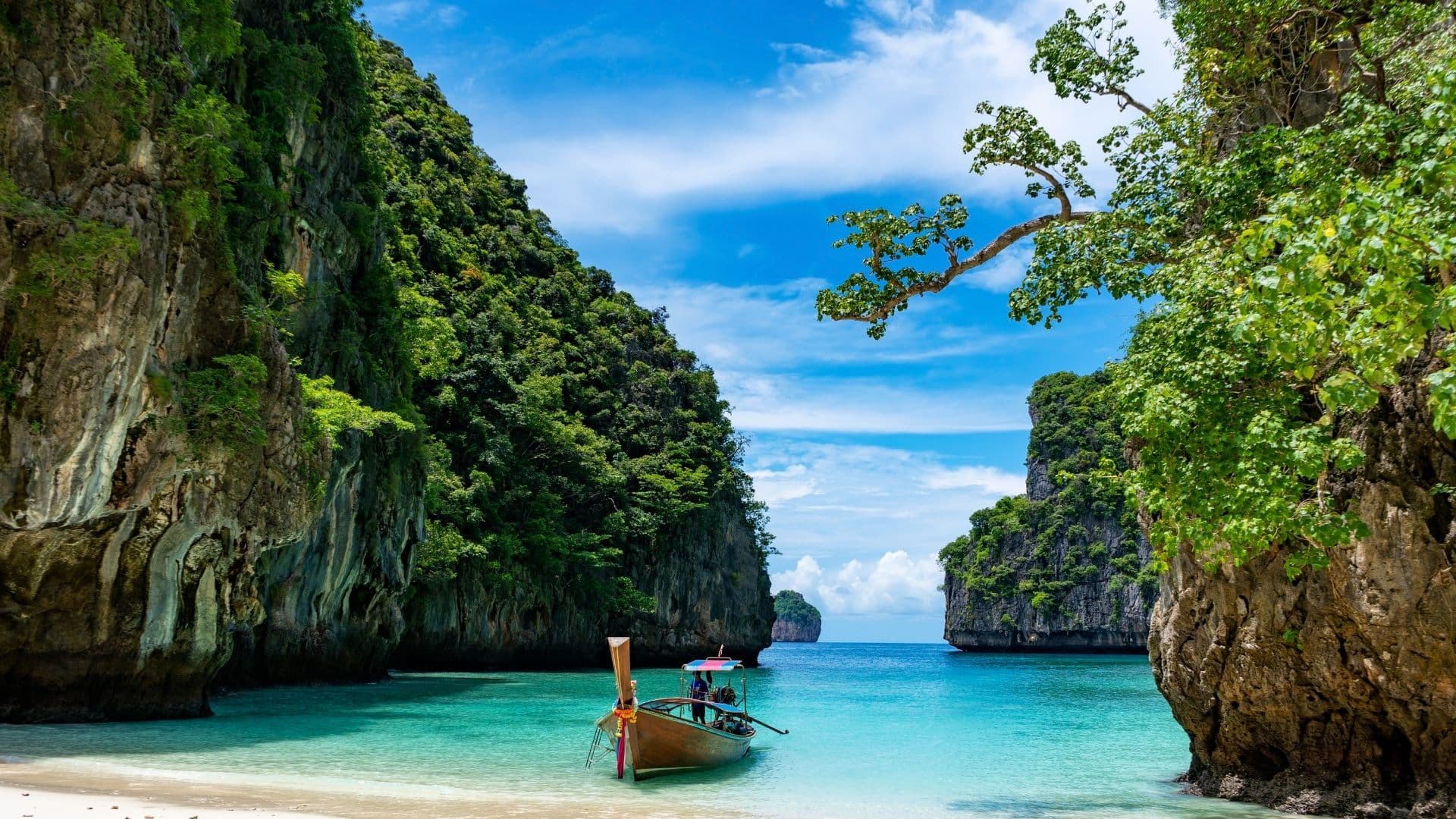
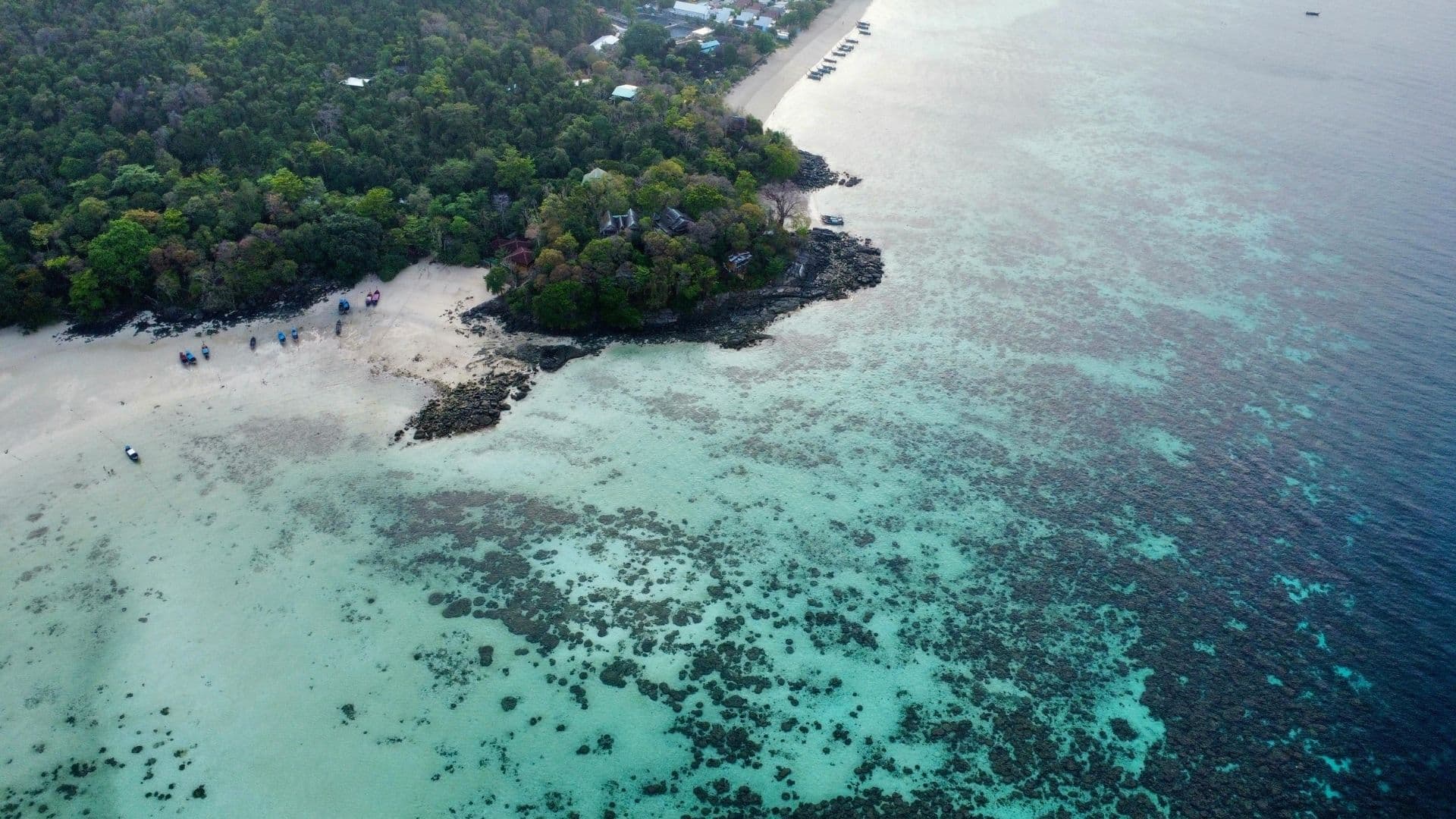
On the islands, plan for sea and nothing else. Snorkeling, a viewpoint at sunset, a lazy beach afternoon. You've already done the busy sightseeing up north. Let the south be the rest.
Always leave a spare day on the islands. If the sea is rough and we cancel a tour for weather, you get a full refund or a free change of date, and that spare day means you don't lose the trip.
A simple shape for the whole route
Here is the skeleton we use when we plan this trip for guests:
- Bangkok: a gentle start after the long flight. Temples need covered shoulders and knees.
- Fly north to Chiang Mai: city, mountain, slow day. Warm layer in the cool season.
- Fly south to Phuket or Krabi: then the boat to your island base if you choose Phi Phi.
- Island base: sea days, a spare day for weather, and an easy last morning before you leave.
If you're short on time and the north doesn't fit, our Bangkok to the islands itinerary shows the simpler version without Chiang Mai.
Who this combination is not for
Be honest with yourself before you book. This route is not for very short trips. If you only have a few days, choose the north or the islands and enjoy it properly. Rushing both means you remember airports.
It's not ideal for travellers who hate packing. Even done well, you change bases a few times.
It's not the right plan for anyone with breathing problems who can only travel between February and April. Go south and skip the north this time.
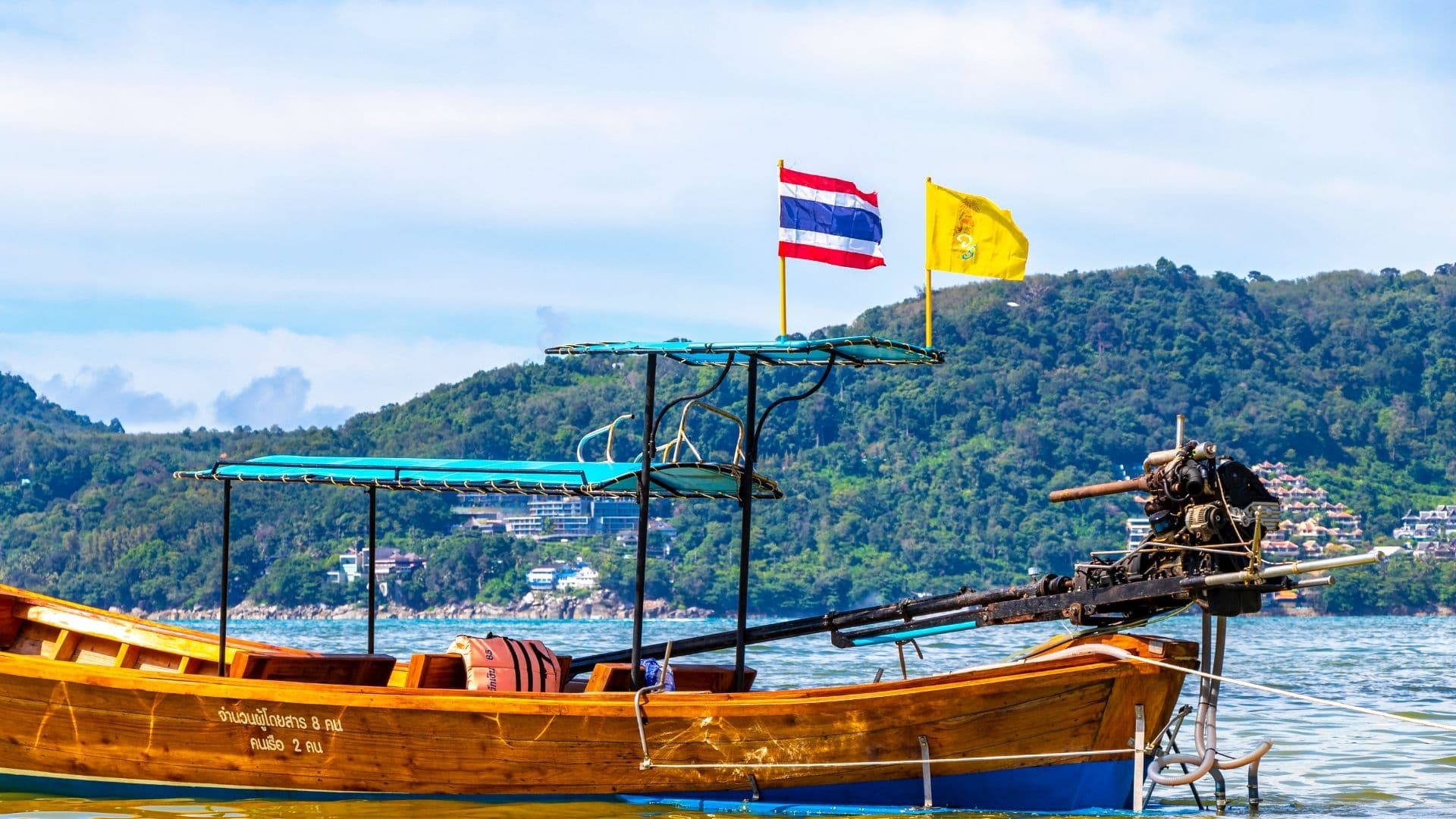
For families with young children or seniors, keep the southern legs simple: fly, then take a ferry or speedboat. Never use the open-sea long-tail crossing from Railay to Phi Phi with little ones or older travellers.